
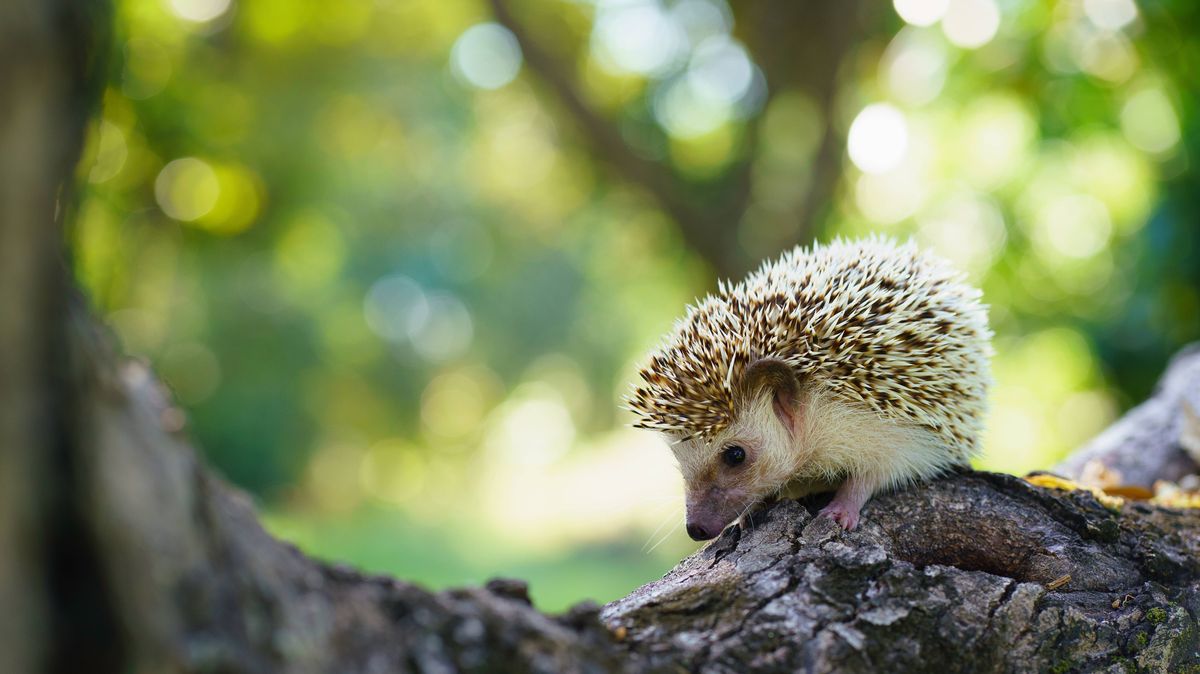
Hedgehogs emerge from hibernation in March and April, and there are a few simple things you can do to attract them to your garden and help them thrive
Hedgehogs are now out of their winter hibernation(Image: Supakrit Tirayasupasin via Getty Images)
As spring arrives, our favourite wildlife is beginning to reappear, but if you’re hoping for closer encounters with these creatures, there are several straightforward steps you can take in your garden.
Hedgehogs enter hibernation throughout the winter and typically re-emerge during March and April, meaning these small furry animals should soon be spotted in streets and gardens once more.
Following hibernation, they wake very hungry, having shed significant body weight, which is when their foraging instinct kicks in. They embark on a search for food, water, and compact, sheltered nesting spots.
Unfortunately, hedgehog populations in the wild have experienced a dramatic decline, with the fragmentation of their natural habitats making survival increasingly difficult.
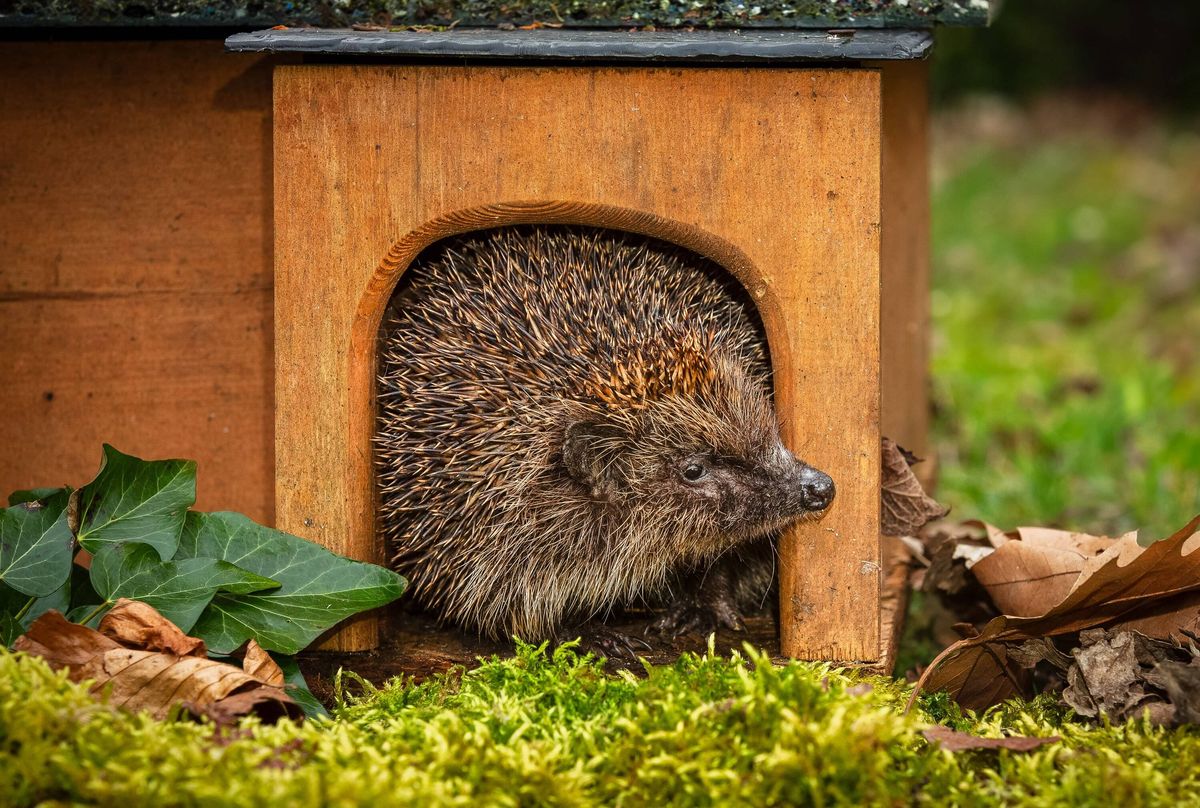
Hedgehogs eat invertebrates like beetles, worms and caterpillars(Image: Getty)
The construction of roads and motorways has consumed space previously used as natural habitats, while pesticide use has diminished their food supplies.
Additionally, in urban environments, the prevalence of fenced and walled gardens restricts their ability to move between gardens for foraging and nesting purposes.
Given these challenges, there are practical measures you can implement to support these woodland creatures, encouraging them to visit your garden and offering assistance this spring.
How to attract hedgehogs to your garden
One of the most effective yet straightforward steps you can take to support hedgehogs is ensuring they can access your garden freely. This needn’t involve dismantling your fencing — simply creating small gaps for them to pass through at will is enough.
GardenersWorld recommends cutting an opening as small as 13cm x 13cm at the base of your fence, effectively establishing a miniature hedgehog highway.
For those with larger gardens, there’s no reason why you can’t create several of these gaps, and encouraging neighbours to do the same could allow hedgehogs to travel far greater distances.
Should you wish to make your garden a true haven for these creatures, you could go a step further and construct a dedicated hedgehog house — an ideal shelter to keep them safe and snug.
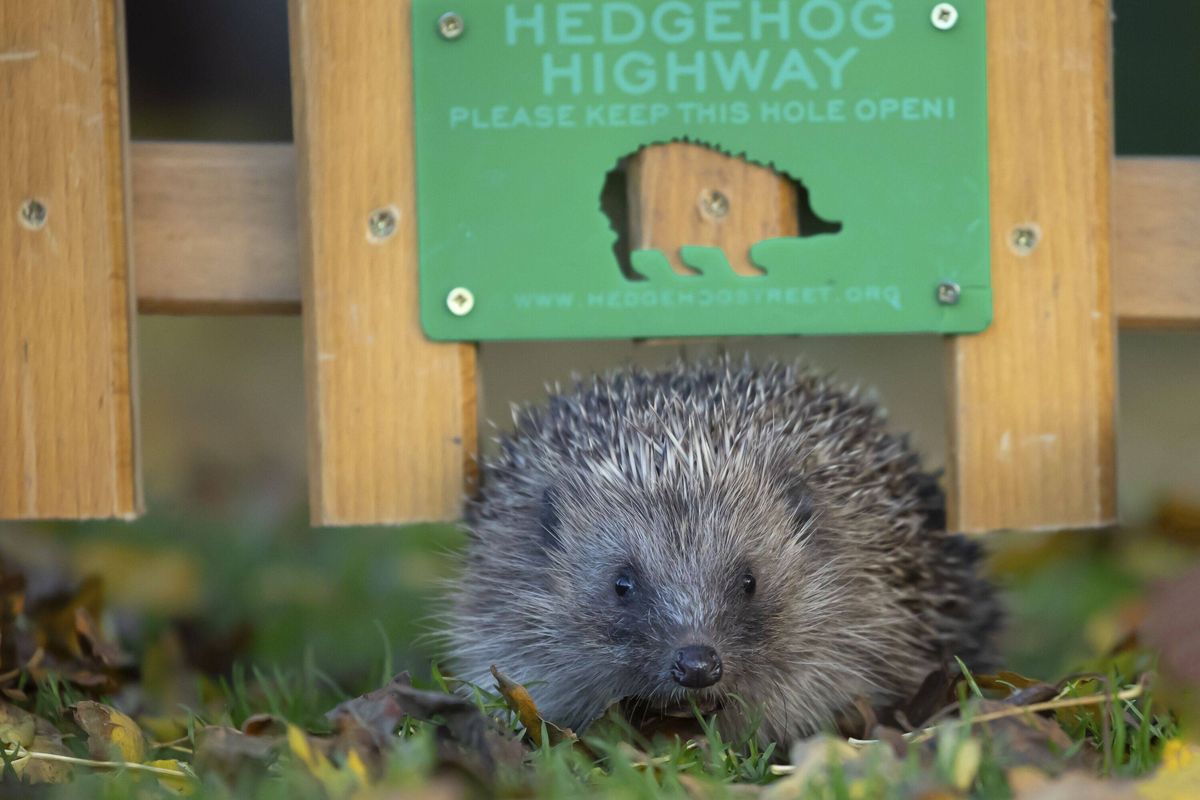
Wild hedgehog live between two to three years but can live up to 10(Image: Getty)
Gardening experts recommend covering it with plastic sheeting and adding a layer of leaves, together with an entrance tunnel just wide enough for them to squeeze through.
This setup should deter predators from gaining entry, while positioning the makeshift shelter beneath a north-facing hedge in a secluded spot will provide the safest possible environment.
You can also attract hedgehogs by allowing your garden to retain a slightly wilder feel. Rather than constantly tidying up, leave piles of leaves, logs or twigs in a quiet corner — this will create a natural and welcoming habitat that hedgehogs will find hard to resist.
By adopting this approach, you’re also attracting small invertebrates that provide sustenance for hungry hedgehogs – such as slugs, centipedes and beetles.
To ensure maximum comfort for them, supplying food means they won’t need to venture far while foraging, with pet food being the most suitable option. GardenersWorld recommends providing meat-based dog or cat food.
While natural foods remain optimal, these serve as supplementary nutrition when they’re unable to source their protein through hunting.
Foods you absolutely must avoid leaving out include bread or milk, as these can cause dehydration and prove fatal. Similarly, mealworms are known to trigger a “painful brittle bone disease”. Whereas items such as small kitten biscuits are ideal for a hedgehog’s diminutive mouth.