
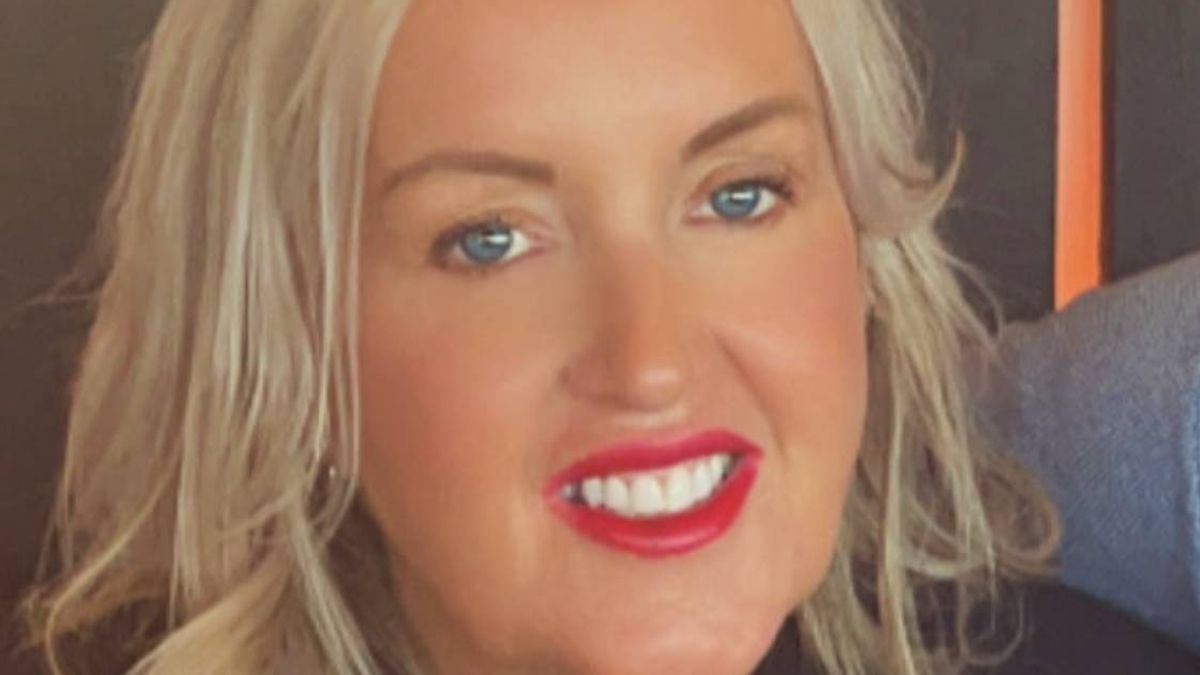
When Pamela Alexander, from Greenock, was diagnosed, doctors said it was too late
Steven Smith Content Editor
07:24, 09 Apr 2026
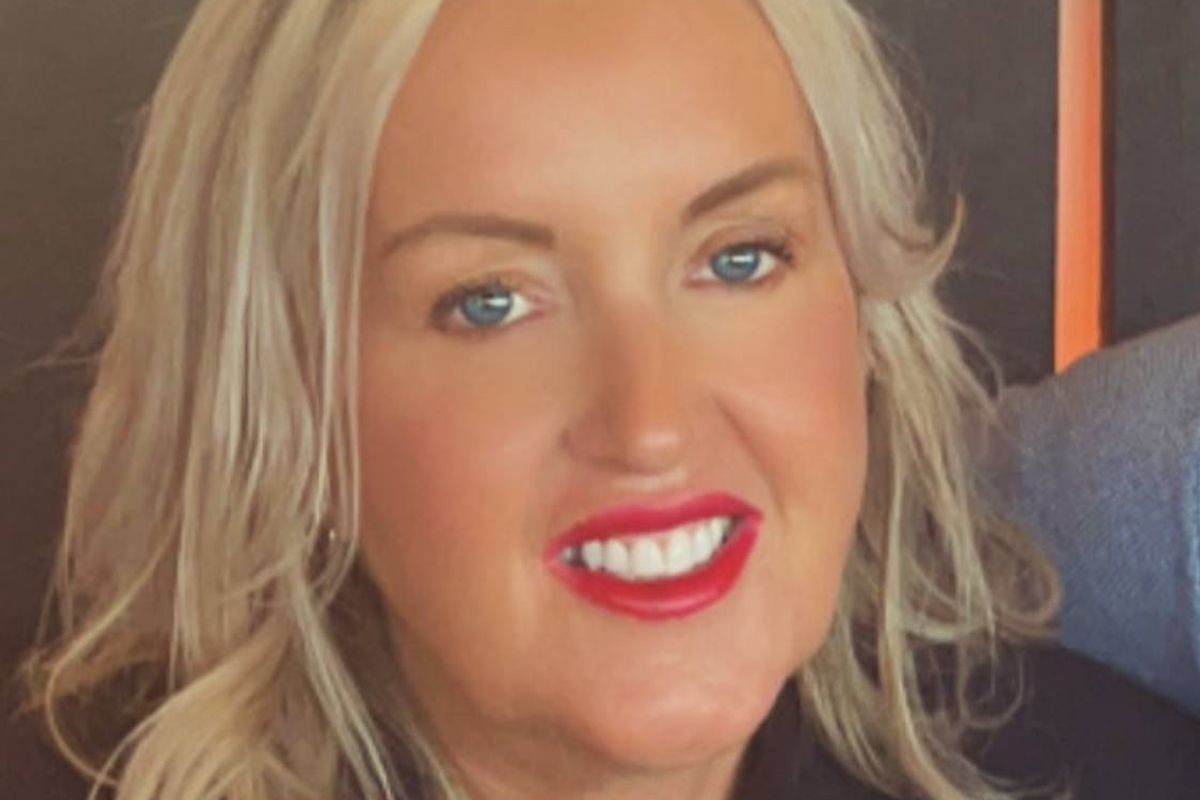
Pamela was told there was ‘nothing more’ doctors could do(Image: PA Real Life)
A Scottish woman who dismissed symptoms of irregular periods and heavy bleeding for over a decade before being diagnosed with cervical cancer at 43 has urged others “don’t be silly like me” and called on everyone to attend regular screenings. Pamela Alexander, 56, a support assistant for children with special needs from Greenock, attended her first cervical screening at 22 – which returned clear – but a “fear of doctors” and “the embarrassment involved in getting the procedure done” prevented her from ever returning for another.
In the intervening years, Pamela said she regularly received NHS letters requesting follow-up screenings, but would “throw them in the bin”, even as she noticed her menstrual symptoms deteriorating from her mid-30s onwards. By the time Pamela reached 43, throughout the summer of 2012, she was experiencing irregular periods, heavy bleeding that was “like turning a tap on”, heavy clotting, back pain, discomfort during sex and spotting, yet she still failed to consult a doctor.
In August 2012, Pamela collapsed at her home and was rushed to hospital, where medics found a tumour “the size of a tennis ball” and she was initially diagnosed with stage 2B cervical cancer, later upgraded to 3B, indicating it had spread to the surrounding areas.
Pamela said: “The gynaecologist basically said there was nothing more they could do. The tumour was far too big. It was too embedded in the bladder, the bowel, and the lymph nodes. It was absolutely awful.
“I should have gone and gotten my smears done when those (reminder) cards came in. It’s embarrassing and I feel so much guilt for what I’ve put my family through.”
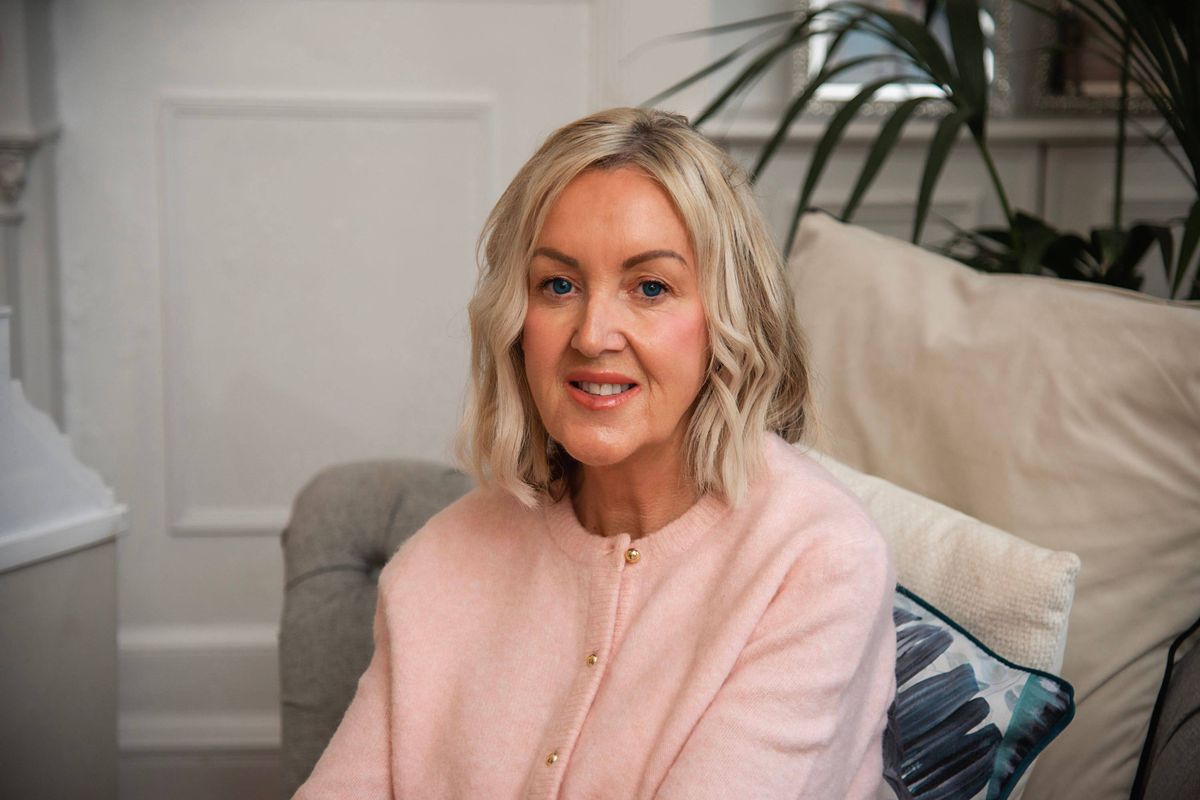
Pamela Alexander was diagnosed with cervical cancer at 43(Image: Louise Gault Photography/PA Real Life)
Pamela revealed that following a panic attack during her first screening aged 22 in 1991, she was deterred from “ever going back”, even after having her three children when she was urged to attend screenings during six-week check-ups. When Pamela began experiencing irregular periods in her mid-30s, she admitted she felt “too busy” with her sales role at the time and looking after her children, so she “put it in the background”.
“I would say I had symptoms for at least 10 years,” Pamela recalled, describing her life prior to being diagnosed with cervical cancer. “It got to the point that I couldn’t go to the gym because the bleeding was so bad.
“Maybe a week before I was admitted to hospital, the bleeding just wouldn’t stop. It was like turning a tap on, I’d lost that much blood. But again, I just cleaned up and never told anyone,” Pamela explained.
On August 7, 2012, Pamela could no longer conceal her suffering and collapsed in her hallway covered in blood, leading her partner at the time to call an ambulance. The following day, doctors carried out a scan and discovered a tennis ball-sized tumour in Pamela’s cervix, which led to surgery to determine whether the cancer had spread.
Upon coming round after the operation, Pamela was told that her tumour was so large that nothing could be done – it couldn’t be removed and a hysterectomy wasn’t possible as she risked dying on the operating table.
Pamela said: “I remember my friend screaming, but I had instantly accepted it. They said I should basically just go home and spend the remaining time left with my children.”
Following her diagnosis, Pamela recalled speaking to her employer, who informed her that she had access to private healthcare and urged her to “please go and see someone” to verify “if there’s anything at all that can be done”. This led her to a private specialist, who Pamela said offered her “a 35 per cent chance of survival” through a combination of chemotherapy, radiotherapy and brachytherapy, a form of internal radiation.
Pamela revealed she suffered an allergic reaction to the initial chemotherapy treatment, which triggered anaphylactic shock, before doctors switched her to an alternative option.
Pamela said: “Chemotherapy is bad enough, but brachytherapy was worse than childbirth. It was horrific. That operation is where they have to put you under to insert rods into your cervix, but you are connected to a machine and the brachytherapy is blasted straight through.”
Regarding side effects, Pamela revealed she lost her hair, which was a “big thing” for her, alongside suffering fatigue, burning sensations when going to the toilet and hot flushes brought on by induced menopause. She has also been left with lasting neuropathy, which she described as complete numbness in her fingers and toes that is “like putting your feet in wet sand”. In April 2013, Pamela said she was “fortunate” to be told she had gone into remission.
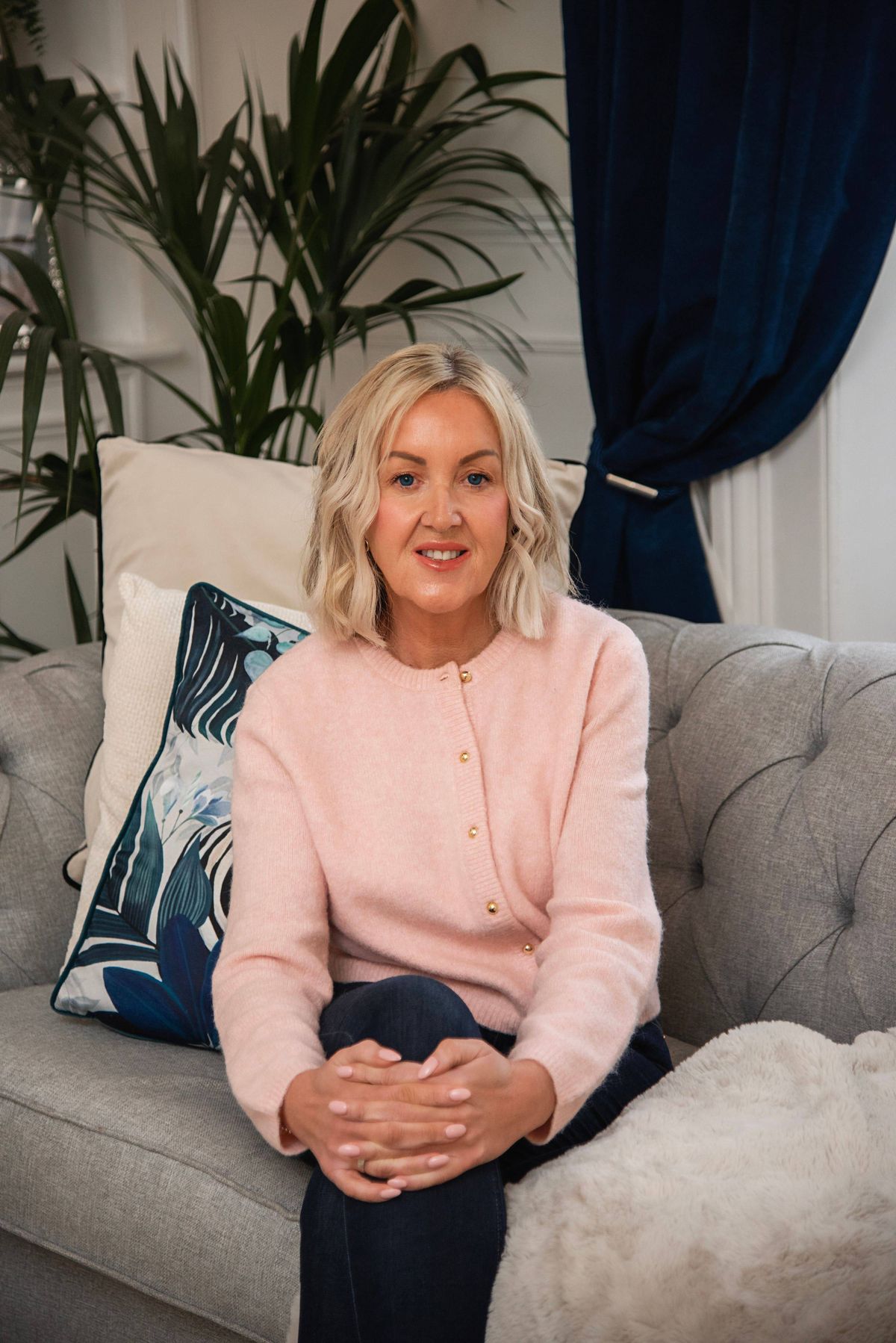
Pamela said she tells ‘everybody to go for smears’ now(Image: Louise Gault Photography/PA Real Life)
Pamela said: “It was the best feeling ever. Even after five years, I was still convinced that it might come back.
“So when I got to that five-year mark, that was amazing. It was the best feeling in the world. And now I’m just vigilant.”
Now, 14 years on from her diagnosis – and just days away from her 57th birthday – Pamela said she was “well aware how lucky” she was to still be here, particularly given how long she had ignored her symptoms.
Pamela said: “I’ve been left with lifelong disabilities and I’m now registered disabled. Last year, I broke my spine and fractured my pelvis in five places after I just woke up like that.”
She spoke about how fragile her bones had become following cancer treatment. Praising NHS England’s introduction of at-home HPV testing last year, Pamela said it would have been a “game-changer” for her, though she is now unable to take advantage of it herself as her results would return abnormal due to her being a cervical cancer survivor.
She said: “I think it’s amazing. I think it’s going to change lives and it’s going to save lives.”
Pamela opened up about the “guilt” she still carries for not taking action sooner, urging others: “Please don’t be silly like me. I tell everybody to go for smears.
“It’s just madness not going (to the doctor). A five-minute procedure could save your life. Today, I know that I can go to the doctor for anything and they will listen because they know that I just have so much faith in them now. I have four beautiful grandchildren that I never would have seen if I wasn’t alive.”
Pamela is backing Cancer Research UK’s Race for Life. Go All In against cancer. Go All In to help fund life-saving research. To sign up, visit raceforlife.org