

If you want to see The Scream, you could buy a plane ticket to Oslo, book accommodation, reserve a ticket in advance and possibly queue outside the museum for entry before feeling the impact of the painting.
Or, you could experience the artwork through an AI-created animation on social media.
An AI studio has created a video of Edvard Munch’s masterpiece to make art more accessible to Gen Z and millennials.
The three-minute film zooms into the painting, where the petrified figure walks in the moments before he grips his face in existential dread. Over the moving painting, a voice reads Munch’s haunting description of the walk that inspired him, when the sky turned “blood red” and “flaming tongues” hovered above the “blue-black fjord”.
The video is the first in a series for social media, Art Awakens, which gives famous artworks motion, audio and context behind their creation.
Next will be Hokusai’s The Great Wave off Kanagawa, followed by Edward Hopper’s Nighthawks and Vincent van Gogh’s The Starry Night.
The Arnolfini Portrait, by Jan van Eyck, and Whistler’s Mother, by James McNeill Whistler, will also follow.
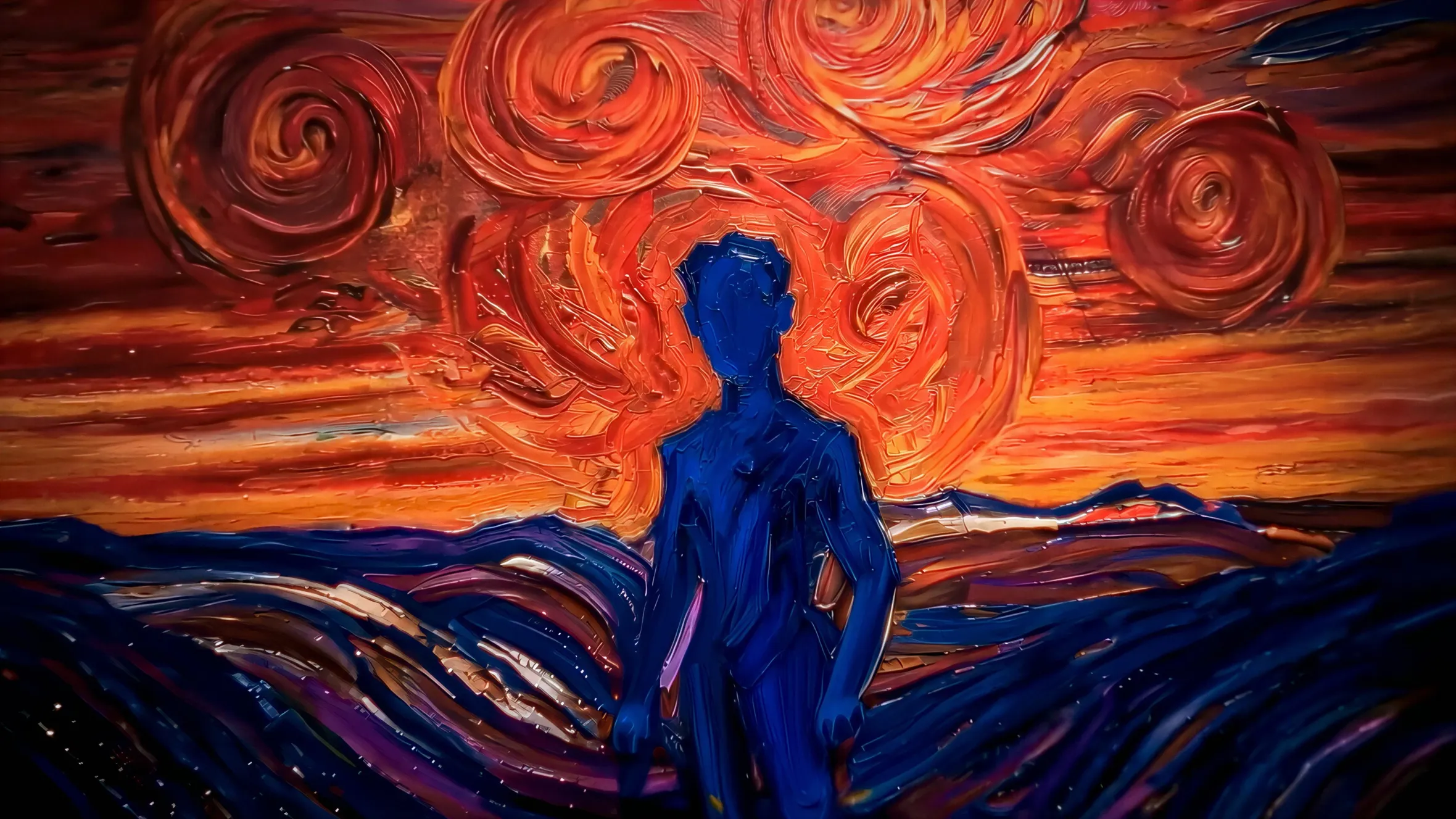 The first three-minute video explores the walk that inspired Edvard Munch to paint The ScreamFremantle’s Imaginae Studios
Imaginae Studios describes itself as an AI-native studio backed by the production company Fremantle, best known for The X Factor and Britain’s Got Talent.
James Duffen, chief executive of Imaginae Studios, said: “If people want to keep art in art galleries, I don’t think many people will see it unfortunately.
“And if you’re a lover of art like we are, you want as many people to really experience the joy and the sorrow of all these artworks.”
Duffen referenced poor-quality AI content on social media, sometimes called “AI slop” or “brain rot”.
“We are the complete antithesis to that. We’re trying to set a very high creative bar,” he said. “We wanted to do something both educational and informative.”
He added that their target demographic was “audiences that know these artworks as cultural reference points — you know The Scream is the emoji right? — but perhaps they wouldn’t go into an art gallery to view them. We’re trying to make art more accessible here but doing it in a very new and innovative way.”
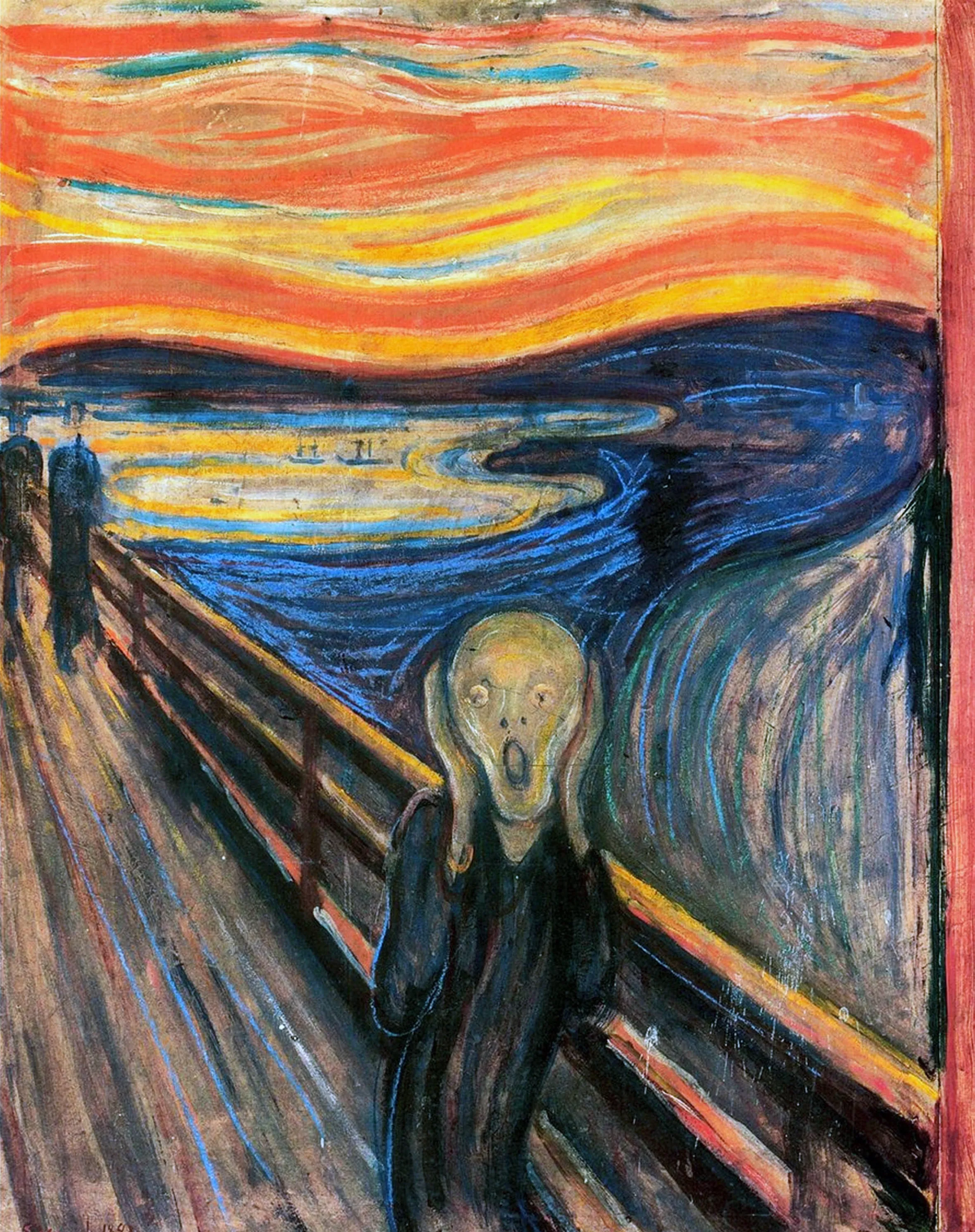 One of several versions of The Scream by MunchPhoto12/Universal Images Group/Getty Images
The video has been released in full on YouTube and promoted on Fremantle’s social media accounts, which typically post trailers for upcoming productions or clips of red-carpet interviews.
“We want to go where the audiences are,” Duffen said. He later added that broadcasters and streamers were not yet commissioning AI content but suspects the market will “evolve”.
Voices in the creative industries have been some of the loudest speaking against the use of AI, particularly the threat of their work being used to train AI models or replace production jobs.
However, the series’s Spanish film-maker, Hilario Abad, said the methodology was not entirely new to him.
“I feel like I’ve been doing this my whole life,” he said, describing how he would use Windows Movie Maker, PowerPoint and clip art when he was 13 or 14 years old.
To make The Scream video he input the reference image — Munch’s artwork — into the AI model, as well as a storyboard he had sketched, then kept prompting until the video was right, tweaking manually using Photoshop as he went.
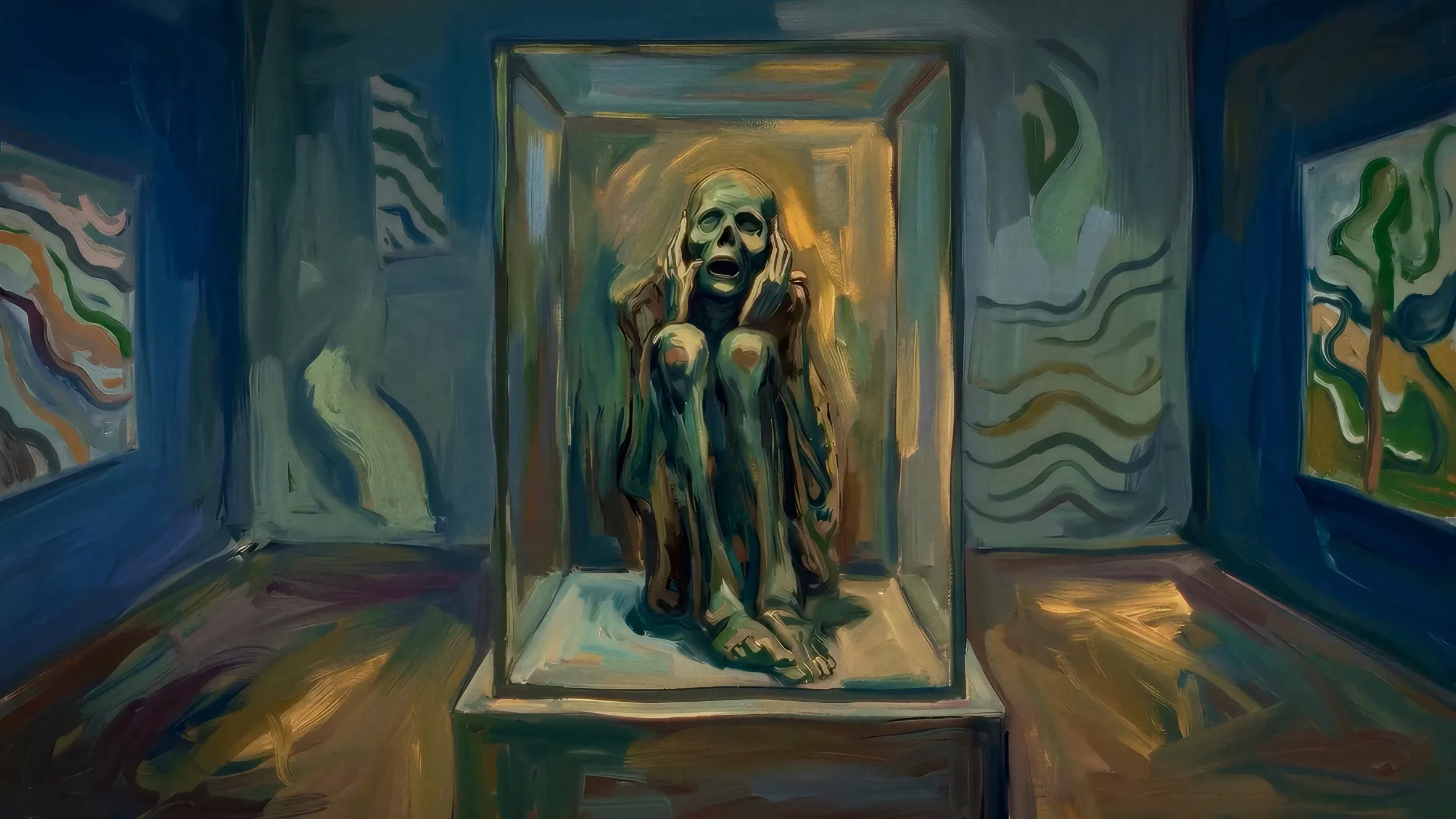 The series was created by Hilario Abad, a Spanish film-makerFremantle’s Imaginae Studios
“It’s very playful,” he said, comparing the process to making a comic book. “I think both traditional and this new kind of media can work in dialoging ways. For example, if I had a high-budget movie to make tomorrow I would probably start by making a footprint using AI.”
Having started at the end of January, Abad said AI had not made him quicker. However, he was the only film-maker working on the project.
Although the artworks are all in the public domain, the internal software that Imaginae uses means the AI models cannot train from what Abad inputs.
Duffen said, “For film-making, for TV, human creativity is always going to be at the heart of it. It’s just generative AI is expanding what is possible.”
He said Imaginae is looking at science or natural history as inspiration for its next project, adding the studio was “speaking to major broadcasters around the world”.
In a recent annual report, its parent company, RTL Group, reported that Fremantle’s revenue was down 9.4 per cent in 2025, “mainly due to lower revenue from the entertainment business”.
After a strategic review, the report said Fremantle would stop fully financing feature films, focusing instead on smaller acquisitions and the deployment of AI. The software is already being used to “automate production and post-production workflows” for selected shows on RTL projects in Germany.