
The beginning of the new financial year has marked the start of “awful April” – when a number of essential bills typically increase at the same time.
Millions of households face council tax hikes of up to 10 per cent, as well as increases to water bills and mid-contract price rises on mobile phone and broadband bills.
James McCaffrey, of TotallyMoney, said: “Household bills will keep rising this year, starting in April – so it’s a good time to check your contracts, see if you’re able to lock in better deals, and to see if you’re eligible for extra support.”
We explain all the bills that have changed and how you could save money by making small changes or applying for extra help.
New FeatureIn ShortQuick Stories. Same trusted journalism.
Cut your council tax bill
Households are set to pay higher council tax bills from next month, with the majority of councils across the country hiking bills by the maximum of 4.99 per cent, while some have been granted permission to increase them even more than that.
North Somerset, Worcestershire and Shropshire councils are increasing bills by 9 per cent, while Windsor and Maidenhead and Trafford councils are hiking bills by 7.5 per cent.
Council tax is a compulsory charge on properties in Britain, with most people over 18 who rent or own a home having to pay the tax. The charges are based on the “band” of your property and the council area you live in.
For a typical band D property, a 4.99 per cent rise adds an average of £114 on the next tax year compared to 2025/26.
However, there are ways to potentially cut your council tax bill. There are a range of discounts on offer, such as a 25 per cent reduction for single households, while full-time students are exempt.
Those on low incomes may be able to get their bill reduced by up to 100 per cent. Discounts aren’t applied automatically, so you need to contact your council to claim.
You can also challenge your council tax band if you think you’re paying more than other similar properties in your area.
Gather information about comparable properties nearby and present the information to your council and ask for your band to be reduced. Beware your band could be increased, though.
If you’re struggling to pay your council tax, you may be able to get help.
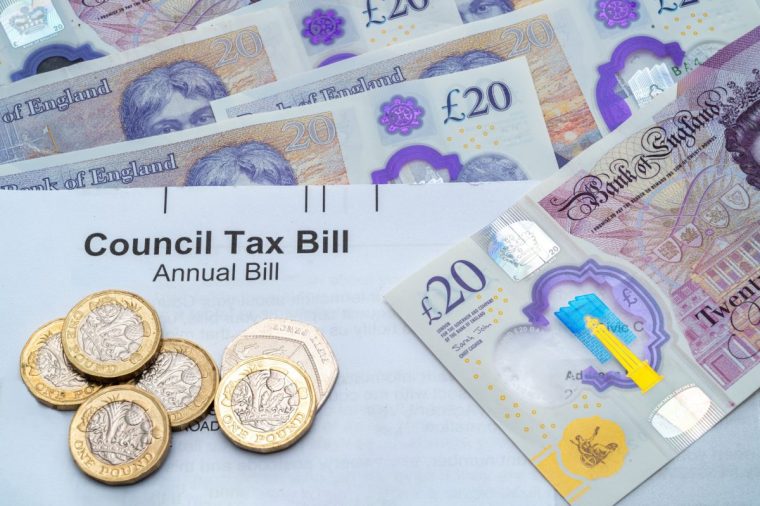 Those on low incomes may be able to get their council tax bill reduced by up to 100 per cent (Photo: clubfoto/iStock/Getty)
Save on your energy bills
In some good news for struggling households, energy bills are actually set to fall from April – although the relief could be short-lived, with the conflict in the Middle East expected to drive up energy costs later this year.
The average bill for a typical household fell by £117 at the start of April, bringing an average annual bill for households on standard variable tariffs to £1,641, down from £1,758. However, if you use more energy than a typical household, your costs will be higher than this.
But analysts Cornwall Insights are now predicting the cap could rise to £1,973 from July.
This means April could be a good time to check you’re on the best rate possible, and if you’re not, consider switching and locking in a fixed deal to save money long-term.
McCaffrey said: “While energy bills are falling in April, they’re expected to go up by £332 per year from July due to the war in the Middle East.
“And with around 22 million households on their supplier’s standard variable rate, most are paying the maximum allowed by the regulator. Check your current contract, and if you haven’t switched in the past year, it’s likely you’ll be free to leave – and you could save up to £917.”
Many fixed-rate deals have been pulled over the past few weeks due to the war in Iran, but it’s still possible to get a better deal if you look now.
You can also save money by implementing basic energy-saving measures, like ensuring electronics aren’t left on standby, lights are switched off when rooms aren’t in use, and avoiding overusing energy-guzzling appliances like tumble dryers and dishwashers.
Many suppliers can help those who are struggling with their energy bills.
Get a water meter to dodge higher costs
The average water bill is set to rise by £33 to £639 per year from April, but some areas will see higher increases – and unfortunately, you can’t change your water supplier unless you move to a different area.
Southern Water customers will pay the highest average rates from next month, with a typical bill of £759.
But you can potentially save money by applying to your supplier to get a water meter installed. These are devices installed on your water supply pipe that accurately measure the amount of water you use, meaning your supplier can’t guess and overcharge you.
McCaffrey said: “If your provider can’t install one, they must offer you an ‘assessed charge’ – a fixed water bill where a meter cannot be installed – which could save you money.”
“Around 2.5 million households are also eligible for social tariffs, with average discounts of around 40 per cent,” he added.
Social water tariffs are discounted water rates for lower income households or those receiving certain benefits, reducing costs by up to 50 per cent or sometimes even more. For example, Southern Water says it will offer a discounted rate for households with an income of below £22,020.
Check if you qualify for a free TV licence
TV licences are set to rise by £5.50 from 1 April to £180 per year, up 3.1 per cent from £174.50.
You need a TV licence if you watch or record any live TV on any channel, such as BBC, ITV or Channel 4. You also need one to legally watch BBC iPlayer, even if the content isn’t live.
You don’t need a TV licence if you only watch on-demand streaming services like Netflix or Disney Plus. One licence is valid for a whole household.
However, some people qualify for a free TV licence and may not realise. For example, if you are over 75 and claim pension credit. You can also get a 50 per cent discount if you are blind or have a severe sight impairment.
You can apply for pension credit by visiting gov.uk/pension-credit/how-to-claim or by phoning the pension credit claim line on 0800 99 1234. You can also apply by post by printing the pension credit format and sending it to: Freepost DWP Pensions Service 3.
You may be able to pay for your TV licence fortnightly or monthly through the simple payment plan if you’re struggling to afford the one-off payment.
Switch to a cheaper telecoms deal
Millions of broadband and mobile phone customers will pay higher prices from April, as this is typically when most ‘mid contract price hikes’ kick in. The exact amount will vary by provider, but it should be explained in your contract.
Ofcom, the telecoms regulator, recently changed the rules so contracts taken out in the last year can only increase by a pounds and pence figure, rather than a percentage.
Prices will typically increase by around £4 a month, or £3 a month for people on slightly older contracts. Contracts taken out before 2024 may still be linked to inflation.
If you are “out of contract”, which means the initial period you were locked into your contract has ended, you may be able to save money by switching to another provider or haggling down your price.
To find out if you’re still in your phone contract, text “INFO” to 85075, and you’ll receive a message telling you if you’re free to leave. For broadband customers, ask your provider whether you are still in a fixed contract.
McCaffrey said: “Loyalty doesn’t pay, and smaller network providers will often offer better deals at lower prices. If you’re not happy with your new network, you’ll have a minimum of 14 days to cancel without paying a penalty.”
If you are on certain benefits, it is worth checking if you can get a reduction on your bills if your provider offers social tariffs. Ask your provider for information about how to apply and the conditions.
Cut your car tax with up front payment
Standard car tax is set to rise from £195 to £200 for most cars registered after 2017. If you pay in six month instalments, you’ll pay £110, or £105 if you pay by direct debit – so it’s cheaper to pay for the whole year in one go.
You may also pay less or more if your car was first used before 2017. The exact fee for your annual road tax will boil down to the year your car was first registered, the type of fuel it uses and its tailpipe emissions.