
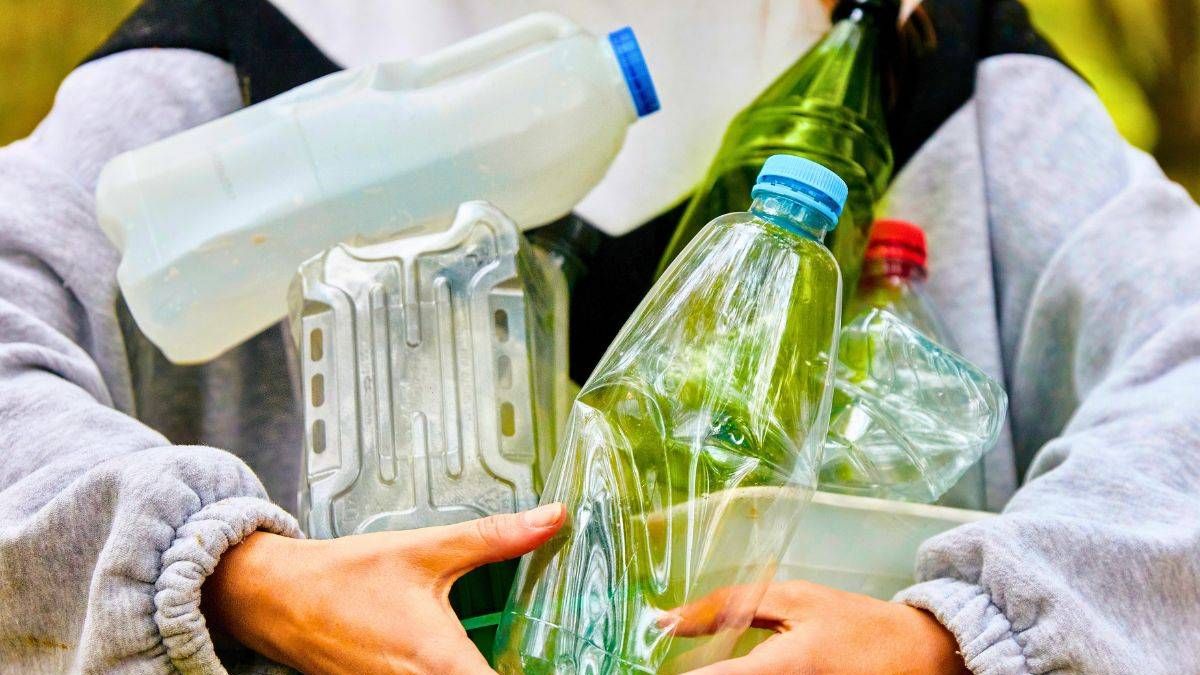
Spare a thought for your local refuse collectors next time you throw items into the bin – as it seems that members of the British public are putting gross items in the recycling
Sophie Roberts Head of Social Newsdesk
05:58, 06 Apr 2026
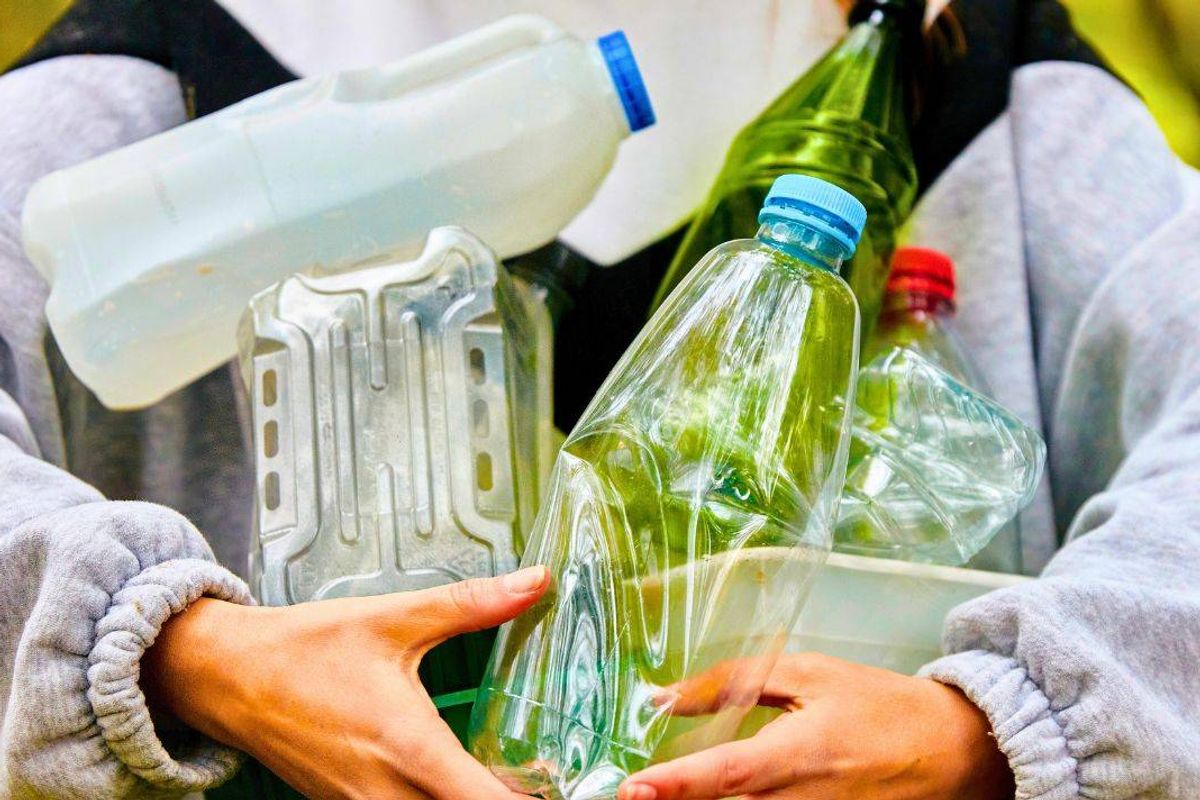
Recycling correctly helps the planet and those around you too(Image: Getty)
A bin man has pleaded with the British public to think more carefully about the items they are putting into their recycling bins. While some contaminate their boxes with unsustainable waste, others don’t seem to care about the essential workers at all.
According to a bin man called Ashley, who posts informative videos on TikTok, there are people who put disgusting products into their recycling boxes without a second thought.
Not only are they not suitable for processing, they may actually harm the refuse collectors who are tasked with clearing waste away. So please keep this in mind before recycling the following – or you run the risk of items not being picked up at all:
1. Condoms
You may think this item goes without saying – but there are sadly some who try to recycle condoms.
These contraceptive products should always be placed in the general waste bin because they are made from materials like latex, polyurethane, or polyisoprene – which aren’t compatible with standard recycling processes.
However, there’s an even more important reason why you should be cautious when disposing of them. Used condoms may contain bodily fluids (semen, vaginal fluids, blood), which can carry bacteria, viruses, and other pathogens (such as HIV, hepatitis B and C, and other sexually transmitted infections).
With that being said, it’s understandable why handling used condoms is unpleasant and can be distressing for workers. It also creates an unsanitary work environment and can attract pests.
So next time you’re binning condoms and other products that may have been contaminated by bodily fluids, be careful.
Always dispose of used condoms in the general waste bin (not recycling). Wrap them securely in tissue or a bag to minimise health risks for anyone handling your waste.
2. NappiesContent cannot be displayed without consent
You should never put nappies in the recycling bin because they are considered a form of hazardous waste and can seriously harm the health and safety of refuse collectors and recycling facility workers.
While the majority of people are aware that human waste should not go into the recycling box, some throw nappies in there because they don’t want them to stink out their indoor bins.
However, this is incredibly dangerous and selfish. Ashley added: “I just don’t understand people like this. Why would you go to the effort? You have to dig down into your recycling bin to put a dirty nappy in there. Surely it makes more sense to just put it in your general waste bin?”
If it is a space issue, he suggests removing items that can be recycled and placing them in the recycling bin instead, which would free up more room in the general waste bin.
He added: “You’ve now got more bins than ever. You don’t have to be hiding stuff – it seems like a lot of effort.”
3.Chewing gum
Used chewing gum is a biohazard. It contains saliva, which can harbour bacteria, viruses, and other pathogens from the person who chewed it. Handling used gum increases the risk of exposure to these microorganisms, potentially spreading infections.
Refuse collectors may accidentally touch used gum while sorting waste, leading to direct contact with bodily fluids. This is especially concerning if they have cuts or abrasions on their hands.
For that reason, you should never be putting gum or its packaging into your recycling bin. As well as posing health risks, chewing gum obviously can’t be recycled and will not break down easily.
Ashley added: “It goes in your general waste. If you’re chewing it and finished with it, it goes in the general waste bin.
“It is not biodegradable – that’s why you do not put it in your food waste or your compost bin. It goes in your general waste because it can’t break down and go into the soil or whatever they make the food waste into.”
So there you have it – please heed this advice when you’re recycling and think about those who are tasked with collecting your rubbish. Your local refuse collectors will thank you, along with the planet!