
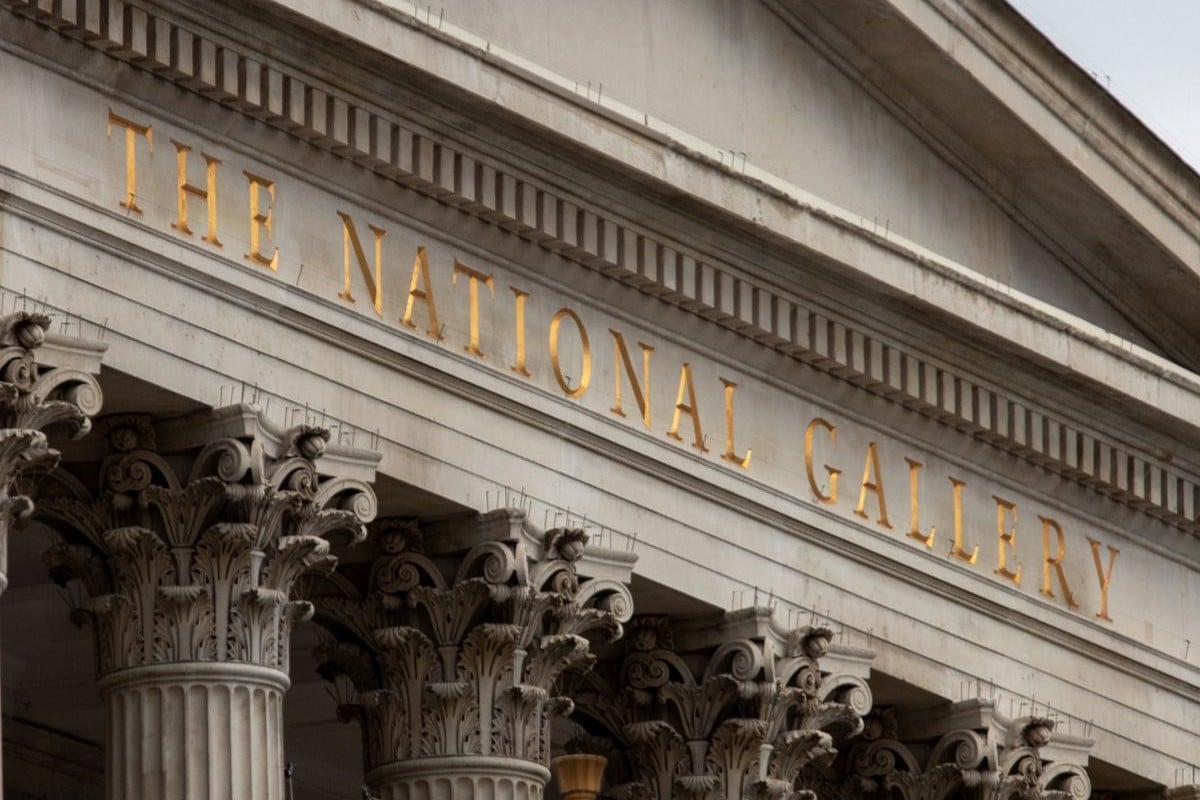
The National Gallery has succeeded in meeting its targets with a “voluntary exit (VE) scheme” intended to reduce a forecast deficit in the 2026/27 financial year of £8.2 million.
The voluntary redundancy process, offered to National Gallery and National Gallery Global staff, has generated “savings of approximately £1.5m”, a spokesperson told Arts Professional, with “a further £0.5m achieved through the recruitment pause”.
The gallery originally said it believed the scheme would save “around £2.6-£3m on staff costs”, depending on who applied for redundancy, after which the numbers would inform “exactly what activities” would need to be stopped in the rest of its operations.
The spokesperson said the “success” of the scheme, which ended on 17 March, has enabled the gallery “to make progress” towards its aims.
Taking the savings from voluntary redundancies and the recruitment pause together, “this means we have delivered the targeted £2m in savings that we set out to achieve through the VE scheme,” they said.
When the process was revealed, a representative said the gallery had been trying “for a long time to mitigate the financial pressures” it faced in its day-to-day operations.
“Factors such as inflation, along with rises in energy prices and National Insurance whilst our Grant in Aid remains static, means we have now reached a point where we must make difficult and painful decisions,” they had said.
“The National Gallery cannot remain operationally secure without a strategic reset. To achieve sustainability, we must balance our artistic and educational mission with a new operating structure.
“We know this is hard, but we all must understand that things have changed in the world, and we must respond to them. We need to make tough decisions now to futureproof the gallery for the years ahead.”
The gallery has not revealed how many staff members took the voluntary redundancy last month.
‘Part of our solution to safeguard our future’
This week, the National Gallery announced it had chosen Tokyo-based firm Kengo Kuma as the architects to lead on its multi-million pound development project.
The funds raised for Project Domani, which will see an extension out into the space between Leicester Square and Trafalgar Square, include the two largest publicly reported single cash donations to a museum or gallery in the world – £150m each from charitable foundation Crankstart and the Julia Rausing Trust.
However, the endowments are ring-fenced for the development.
A spokesperson from the gallery previously told Arts Professional Project Domani is “not part of the issues the gallery is now facing” but remains “very much part of our solution to safeguard our future”.
When the VE scheme was originally announced, the gallery said it was still “looking at” its options and awaiting the outcome before deciding what cost-cutting decisions would be made.
It said it would look to “areas of proposed big spending to make cuts – such as public programmes – and activities where for a number of reasons beyond our control, we can no longer justify their costs”.
Aiming to save £8.2m in total, the gallery set out its actions: “reduce some activity, reduce some staff” and “increase income growing opportunities”.