
Scientists from Xinjiang University in China have allegedly developed a new ultraviolet (UV) producing crystal that could help build extremely accurate thorium nuclear clocks. Essential for tasks like guidance, this could help navigate things like submarines or deep-space probes without Global Positioning Systems (GPS) in the future.
According to reports, such clocks will not render GPS redundant, but will help reduce reliance on such systems if perfected. The core issue trying to be solved is timekeeping, which is essential for things like GPS.
In your cellphone, for example, your phone calculates your location by receiving signals from satellites. Using a set of algorithms, it measures how long each signal takes to arrive.
This is then used to triangulate where you are in the world. This is called time-based navigation. So, the more accurate a clock is, the more accurate a navigation system based on it will become.
But while simple in principle, GPS systems like this can have issues. For example, they can be jammed or spoofed with fake signals, making them vulnerable during wartime. They also don’t work well underwater or underground.
New crystal for GPs-free navigation
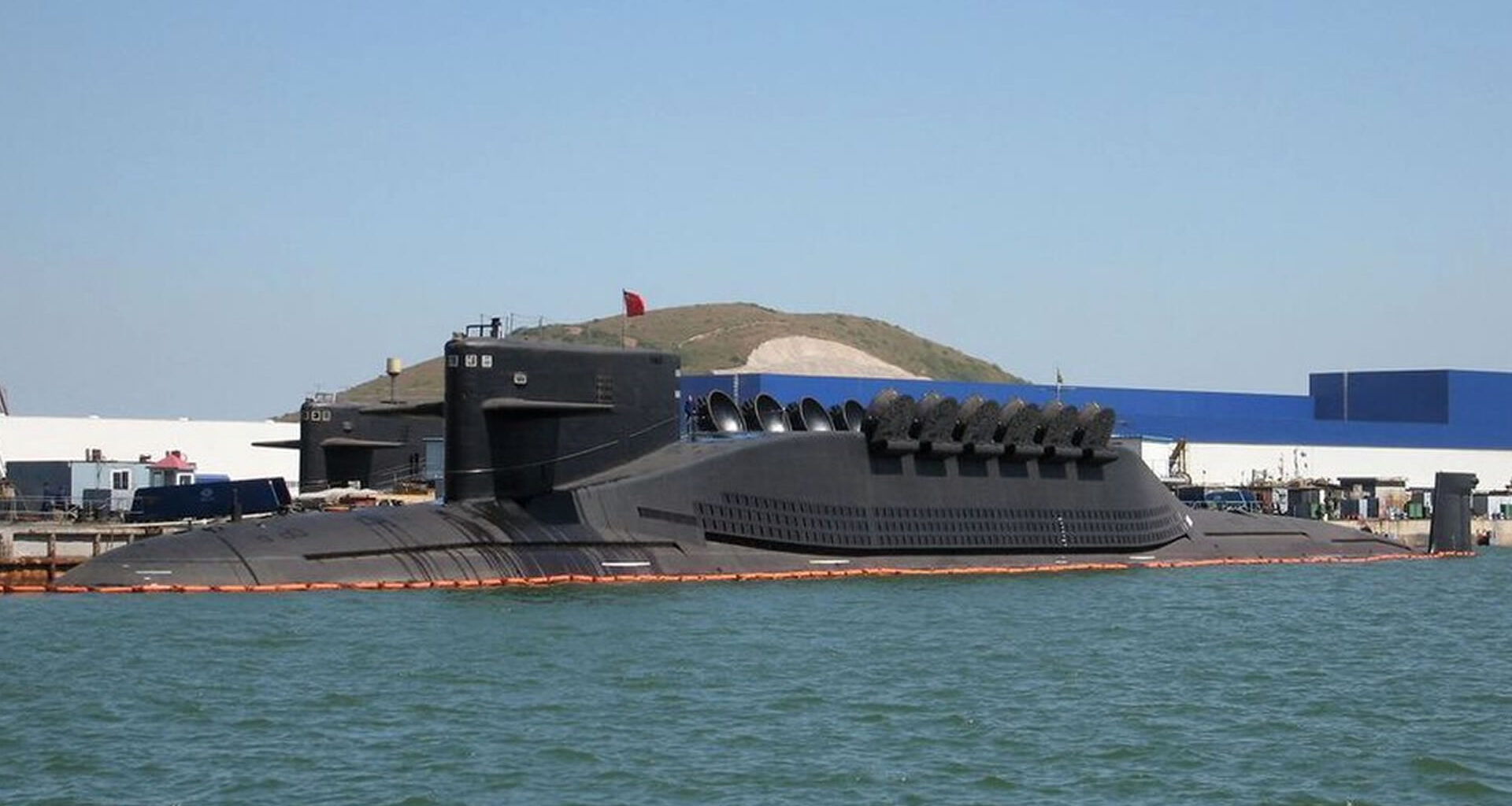
For warmachines like , GPS is something of a nightmare, as to use it effectively, they need to surface to get a fix. This makes them extremely vulnerable, which is obviously not ideal.
To help overcome this issue, modern submarines use something called atomic clocks, which are extremely accurate timekeeping pieces. These work by using electron vibrations around atoms to keep time.
However, scientists believe another piece of technology, called nuclear clocks (which use vibrations in atomic nuclei instead), could be 10-1000 times more accurate.
This could be groundbreaking as atomic nuclei are more stable than electrons, and less affected by things like temperature. They are also less impacted by external vibration and other things like magnetic fields.
To this end, the research team turned to Thorium-229 to get the job done. This element is special as its nucleus vibrates at a very low energy level. This makes it relatively easy to monitor and measure.
However, to measure it, you need to have extremely precise UV lasers with wavelengths around 148 nm (148.3 nm to be precise). That is very hard to produce, which is where this new crystal comes in.
Could help submarines, missiles, and spacecraft
The new crystal, the team explains, can convert laser light into very short wavelength ultraviolet light (145.2 nm). This is short of the 148.3 nm, but beats the previous world record of 150 nm, which is a major achievement.
“A fluorinated borate compound can boost laser light to a record-breaking wavelength of 145,2 nanometers. This wavelength is suitably short to meet a key requirement for the ultra-precise portable watches being developed in the United States, China, and other countries,” the team explained.
If the magic number is ever achieved, this could provide a means of extremely accurate “dead reckoning” of location by comparing your speed, direction, and time travelled.
You could also, in theory, use signals from other sources like stars, pulsars, radio signals, etc, to become navigation aids too. If ever mastered, this could help things like submarines navigate freely underwater without ever having to surface.
It could also have major implications for other technologies like missiles, which could become immune to navigation jamming. For spacecraft, it could also help them navigate in deep space autonomously without the need for Earth-based corrections.