
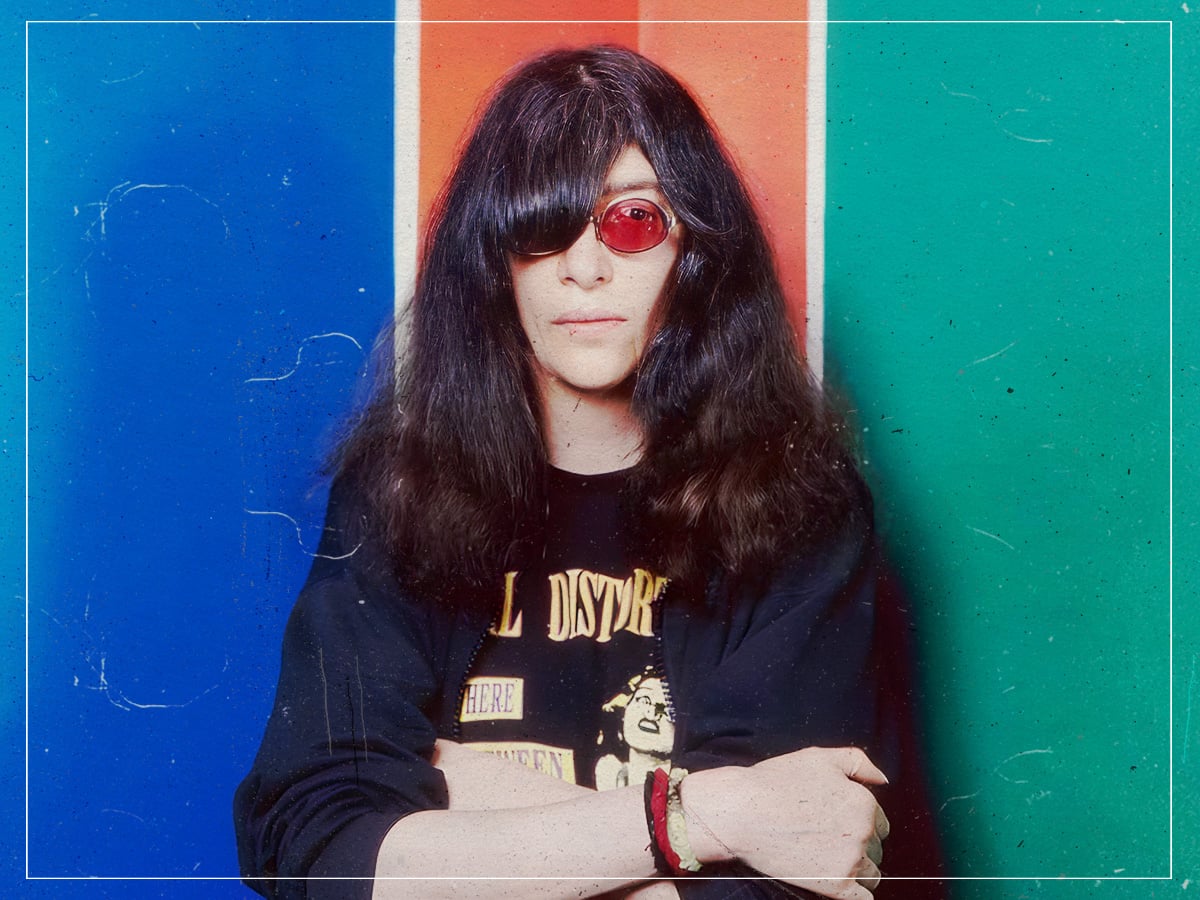
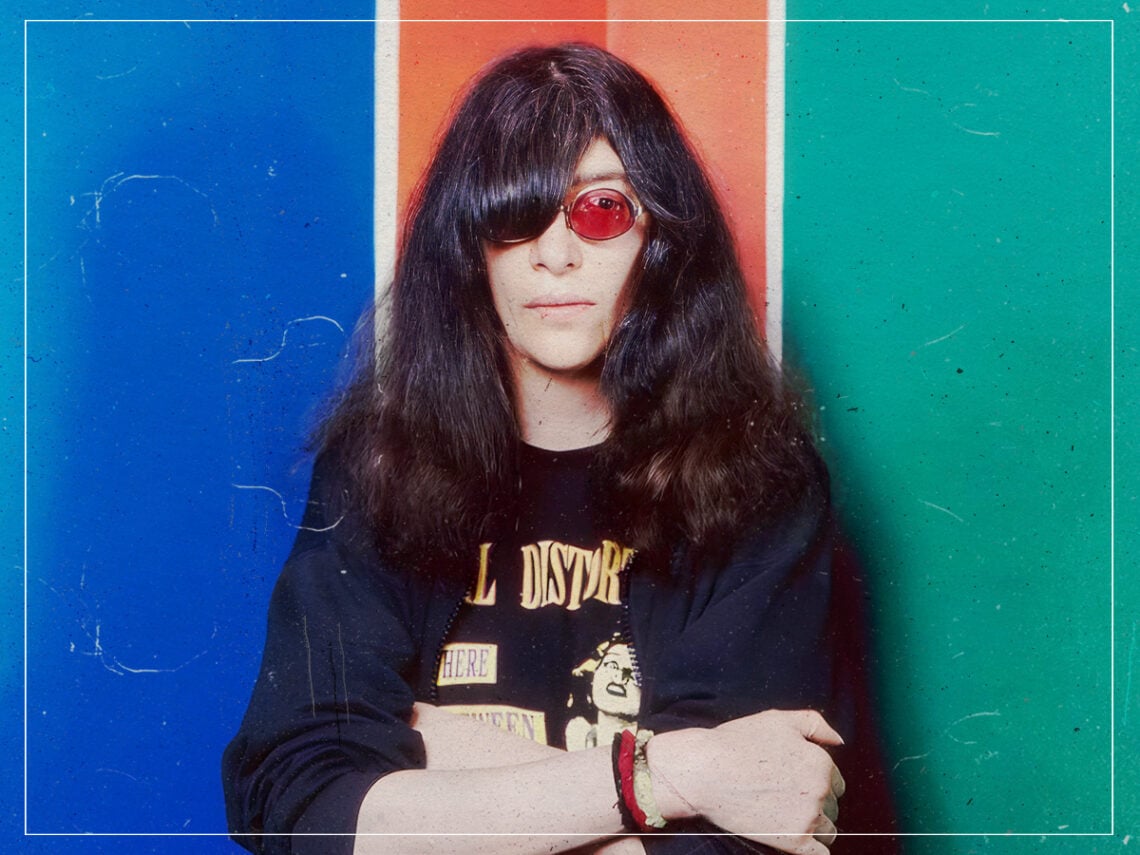
(Credits: Far Out / Alamy)
Mon 13 April 2026 4:30, UK
It’s best to not look at music history as a series of boxes, but as a rolling hill.
Stay with me here; rather than putting different eras in their own distinct box and lining them up, one after the other, think of it like a snowball with a series of vital stones in the ground for that giant ball of culture to be shaped by. For example, when it comes to the moment rock got heavier, Joey Ramone would claim his band was the huge, culture-shaping stone.
The analogy works because things don’t get neatly packaged up, and eras aren’t as linear as dates on the calendar. Just because the 1960s are most commonly associated with rock and roll, it doesn’t mean it only started then, and it doesn’t mean that the 1970s weren’t as full of the genre. Or just because the 1980s might be stereotypically pop or electro, that doesn’t mean the worlds of rock or metal weren’t vital there.
Things overlap, but, more crucially, things roll into the other. History appears more like a hill because one moment can send culture racing into another, speeding it into the future and kick-starting a whole new moment long before you might expect. The story of a landmark album, for example, might start even years before the band formed, and that’s how Joey Ramone sees it. In his eyes, the story of Metallica, and especially their hit album Master Of Puppets, starts in the 1970s, though the band began in 1981.
“I met Lars and Metallica came to see us in Kentucky last year, and he told us that he had seen us in Copenhagen, I guess, in ’80, and after that, he formed Metallica because of us,” Ramone claimed to Steve Harris. Ramones played Copenhagen a few times back when Lars Ulrich lived there, the first of which was in 1977 during a co-headlining tour with Talking Heads, but the second was in 1980, the year Ulrich made the decision to move to America.
It was the first that stood out, though; that was the year that everything seemed to change for him as he recalled to NME, “Television played Copenhagen around the time it came in, and I saw them in this tiny venue. The [Sex] Pistols had played in Copenhagen in June or July of ’77, the Ramones played as well”. That same year, AC/DC also played, meaning that within a few months, Ulrich basically obtained a full rock education, expanding his mind from the world of rock and roll to something heavier.
It changed everything for Ulrich personally, but to Ramone, it was around that time that his band changed everything, full stop. “I feel in ’76, we revolutionised rock and roll and really changed the world, brought a new attitude, a new excitement to music,” he said.
Ulrich becomes a personal testament to that as an excited kid amongst the crowd, and not long after, in 1981, he’d move to America all for the purpose of starting a rock band, specifically, a heavier rock band.
But even more specifically, Metallica would stand as leaders of the growing metal world, taking what had been done with rock and punk, and morphing it into something new, as the legacy of the Ramones sent things rolling on, evolving into the new world of thrash and hardcore.
