
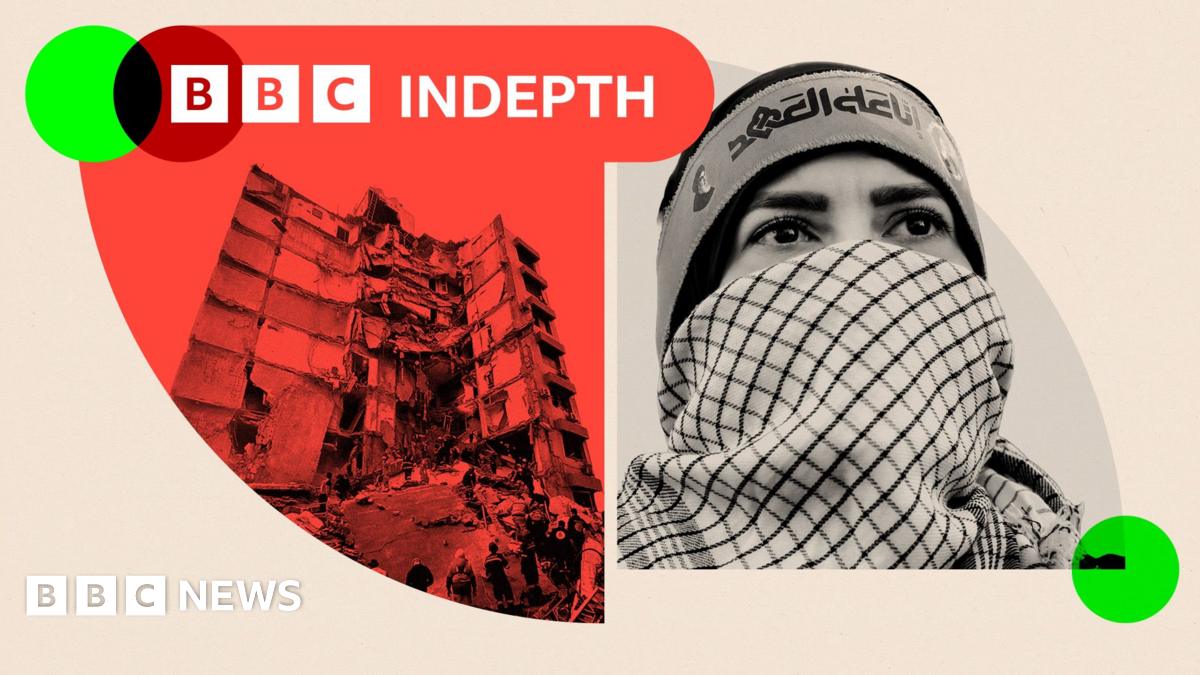
Hezbollah, or Party of God in Arabic, was created in the 1980s during Israel’s occupation of Lebanon in the Lebanese Civil War. From its beginning, the group has been financed, trained and armed by Iran, and the destruction of Israel remains one of its official goals.
In 1989, the Taif Agreement that ended Lebanon’s conflict mandated the disarmament of all militias and introduced a power-sharing deal between sects in a country that is multi-cultural and multi-faith. However, Hezbollah, branding itself as a resistance movement fighting the Israeli occupation, managed to keep its weapons. Israel withdrew its troops in 2000 after an 18-year occupation of southern Lebanon, but territorial disputes remained. And the United Nations Resolution 1701, that ended the war with Israel in 2006 and demanded Hezbollah’s disarmament, has never been fully implemented.
The group is designated as a terrorist organisation by countries including the UK and the US. But, in Lebanon, Hezbollah is more than a militia. It is a political party represented in parliament and in the government, and a social movement that runs services including schools and hospitals in areas where the state has been absent. It is the country’s most powerful group.