
Dr Tim Etheridge, from the University of Exeter, said: “By studying how these worms survive and adapt in space, we can begin to identify the biological mechanisms that will ultimately help protect astronauts during long-duration missions — and bring us one step closer to humans living on the Moon.”
Prof Mark Sims, project manager for the Fluorescent Deep Space Petri-Pods project at Leicester, added it was the university’s first “major” microgravity life sciences project.
“It has been both an interesting and challenging instrument to design and build. The project builds upon previous work with Tim Etheridge and the University of Exeter,” he said.
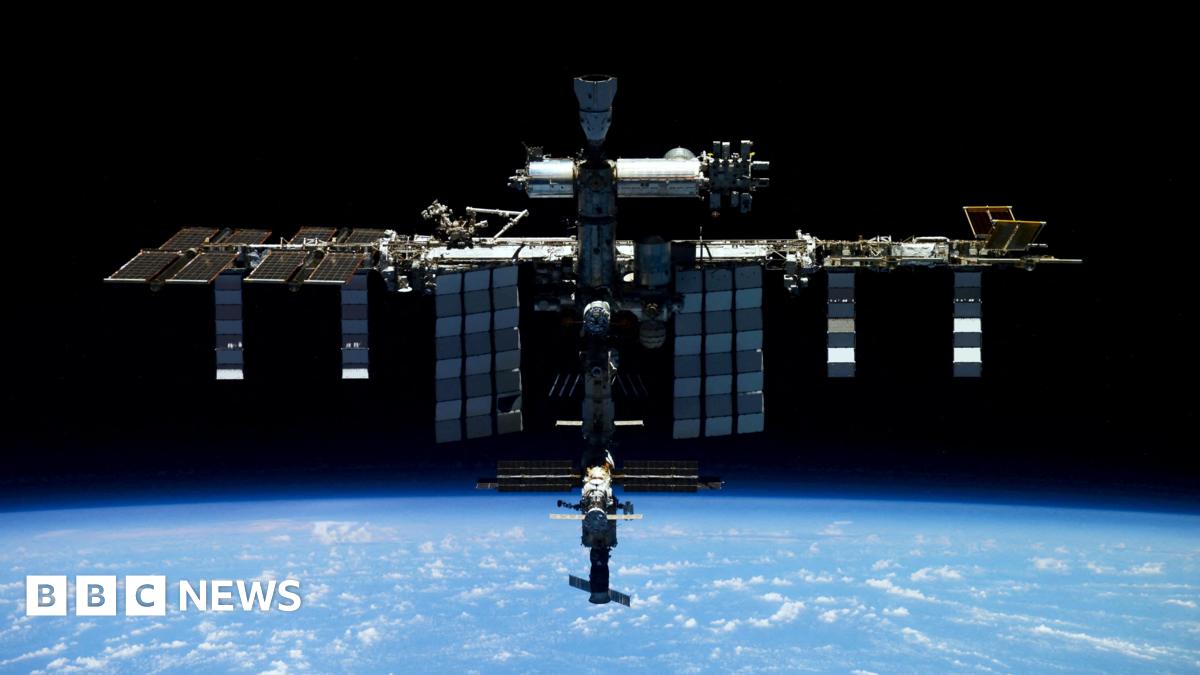
“Having now delivered the experiment to Voyager Space Technologies, who provide the interface to NASA and its flight on the International Space Station, the project team at Leicester look forward to seeing the first images from orbit.
“We hope this will contribute to our understanding of the microgravity environment, and we’re excited about the potential to further develop the instrument concept in the future.”