
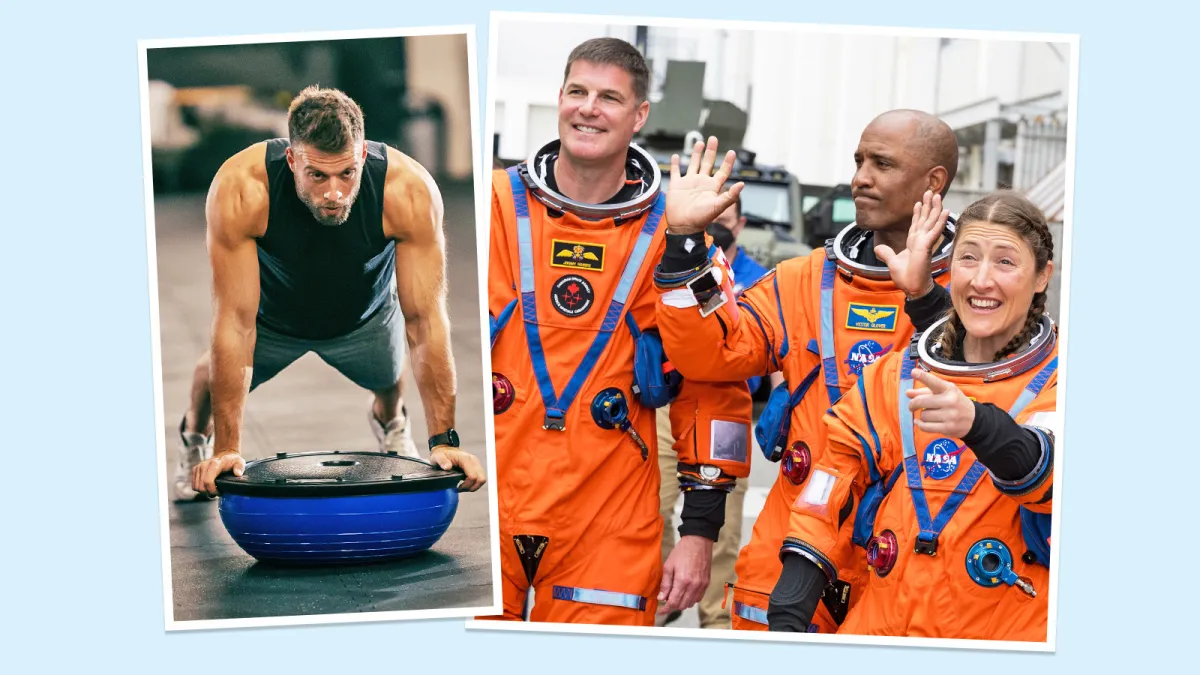
Now that the Artemis II crew are back on Earth, more work — or at least workouts — will commence. In space an astronaut’s body is tested to new limits. Time spent in the low gravity of space can wreak havoc on unchallenged “antigravity” muscles in the limbs, back and neck which, along with bones, shrink in size and get weaker. Balance and co-ordination are derailed, cartilage is broken down and the heart, which doesn’t work as hard in space, can become smaller. Many astronauts return with poor posture and back pain.
Presumably most of us will never experience the after-effects of floating around in space. And yet the physiological outcomes are relevant to everyone as they are not dissimilar to the outcome of inactivity or long daily hours of sitting. Nick Caplan, a professor of aerospace medicine and rehabilitation at Northumbria University, where some research for the European Space Agency (ESA) is conducted, says changes that happen in space are akin to accelerated ageing on Earth. “Much of what we have learnt from studying the effects of space travel on the human body applies to everyday life, particularly to people who have enforced bed rest or lead very sedentary lives,” Caplan says. “With long-term inactivity our bodies become weakened in a similar way to those of astronauts and it gets worse the longer it goes on.”
While the Artemis II mission involved a relatively brief excursion into deep space, lasting just ten days, astronauts on the International Space Station (ISS) can sometimes be in space for six months. Exercising for at least two hours a day in space is essential to mitigate the loss of muscle and bone mass that occurs with time spent in low gravity. “The crew had a treadmill with a harness that held them down to simulate some gravity and that provided some loading of bones and muscles in legs,” Caplan says. “They also do cycling and squats, lunges, bench presses on equipment developed by Nasa which allows them to replicate strength training.”
Even this wasn’t enough to counteract all the negative effects of microgravity on the body. By splashdown the astronauts will have returned to embark on an intense programme of rehabilitation involving special workouts, medical and performance testing, and scientific tests. “When astronauts come back down to Earth their bodies are very deconditioned,” Caplan says. “Work begins to restore some of the losses.” Many of the strategies astronauts adopt to reverse further decline can be adopted to keep the rest of us fit and healthy. Here’s how to work out like a space traveller:
Stand on one leg every day to recalibrate balance
 Getty IMAGES
By the time Artemis II astronauts splashed down on April 11 the crew found their balance affected. As the crew stepped off the rescue helicopter and on to the ship’s deck, all four astronauts appeared unsteady and were supported by aides. Proprioception — the body’s ability to sense its own position in space — relies on feedback from the inner ear and the eyes, and from sensory receptors in muscles and joints, all of which are affected by microgravity.
“Astronauts who are in space for a long time can be very unsteady when they return because their sense of balance is affected,” Caplan says. “There are huge changes in their balance systems.” They will embark on strategies to restore equilibrium. And the rest of us need to work on balance regularly too as it diminishes with age.
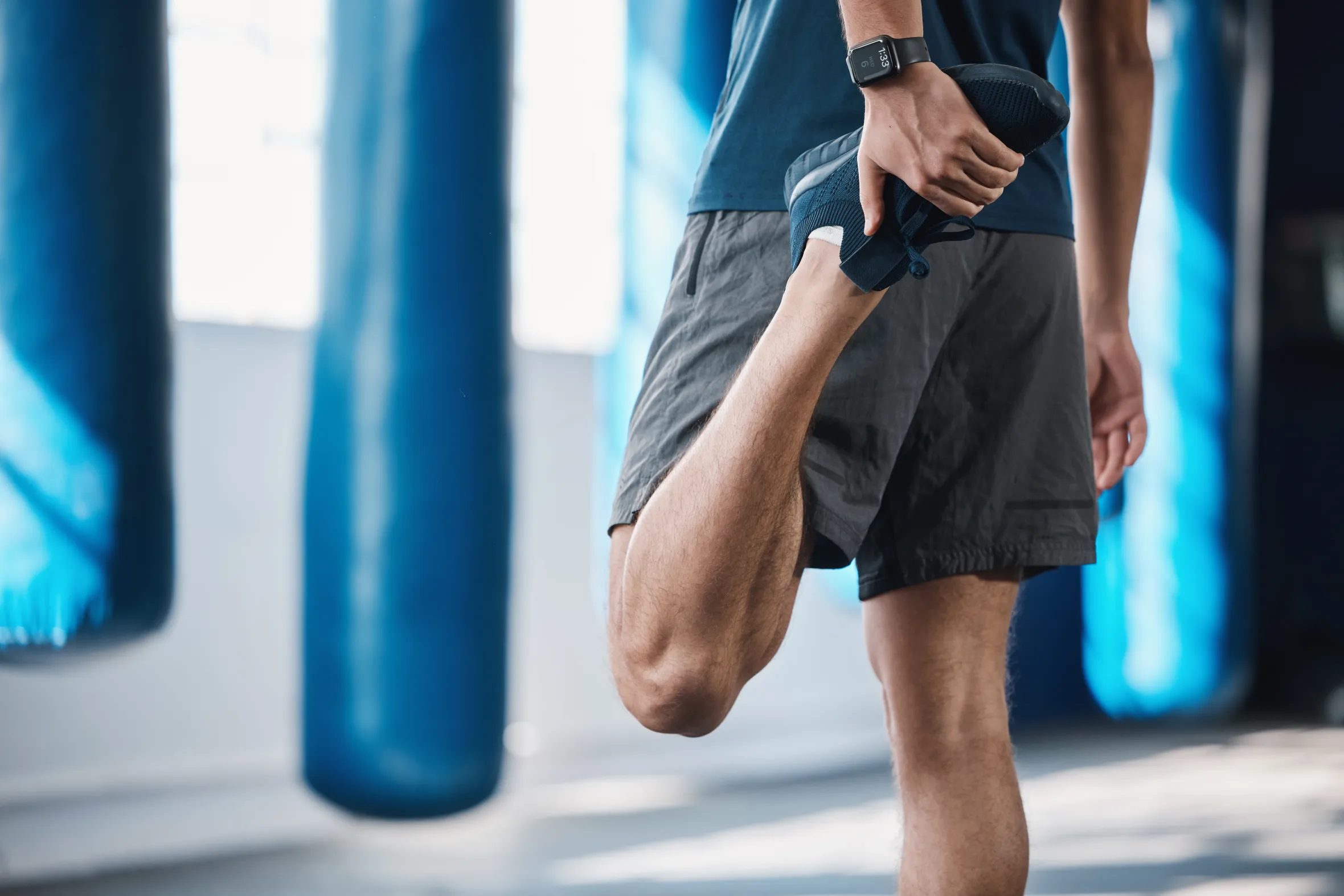
Single-leg balances are the best way to start. Do it with eyes open to start, then eyes closed and gradually add movement such as squats and bends as you balance. “Standing on one leg immediately recruits deep hip and ankle stabilisers,” Caplan says. “Even carrying weight, such as heavy shopping, on one side rather than symmetrically challenges the lateral trunk muscles that help to keep us upright.”
Do Pilates twice a week to target your ‘forgotten’ core
Space medicine has taught us a lot about what Caplan calls the “forgotten core”, the deep-lying muscles that sit behind our visible abs and act as stabilisers for the lumbar spine. “Astronauts are constantly pulling themselves around in space so their upper limbs do retain strength,” Caplan says. “But the muscles around the pelvis and spine are not worked in space and reduce rapidly at a rate of 2-3 per cent per week, more acutely in the first few weeks, so those on the Artemis II mission will come back with some deconditioning.”
We should take heed as the same postural muscles are prone to shrivelling when we sit for too long each day — and it can lead to back pain. “Pilates, particularly on a reformer machine, targets the deep stabilising muscles of the spine and hips that conventional exercise tends to miss,” Caplan says. “These are the very same muscles that floating in microgravity and sitting in chairs effectively switches off.”
Jump 10-20 times twice a day to regenerate cartilage (and boost bones)
 Jump or skip 10 to 20 times twice a day GETTY IMAGES
Healthy cartilage cushions joints and reduces bone-on-bone friction. But researchers have shown that prolonged periods of inactivity — whether from bed rest, chronic sitting or space travel — can accelerate the breakdown of cartilage.
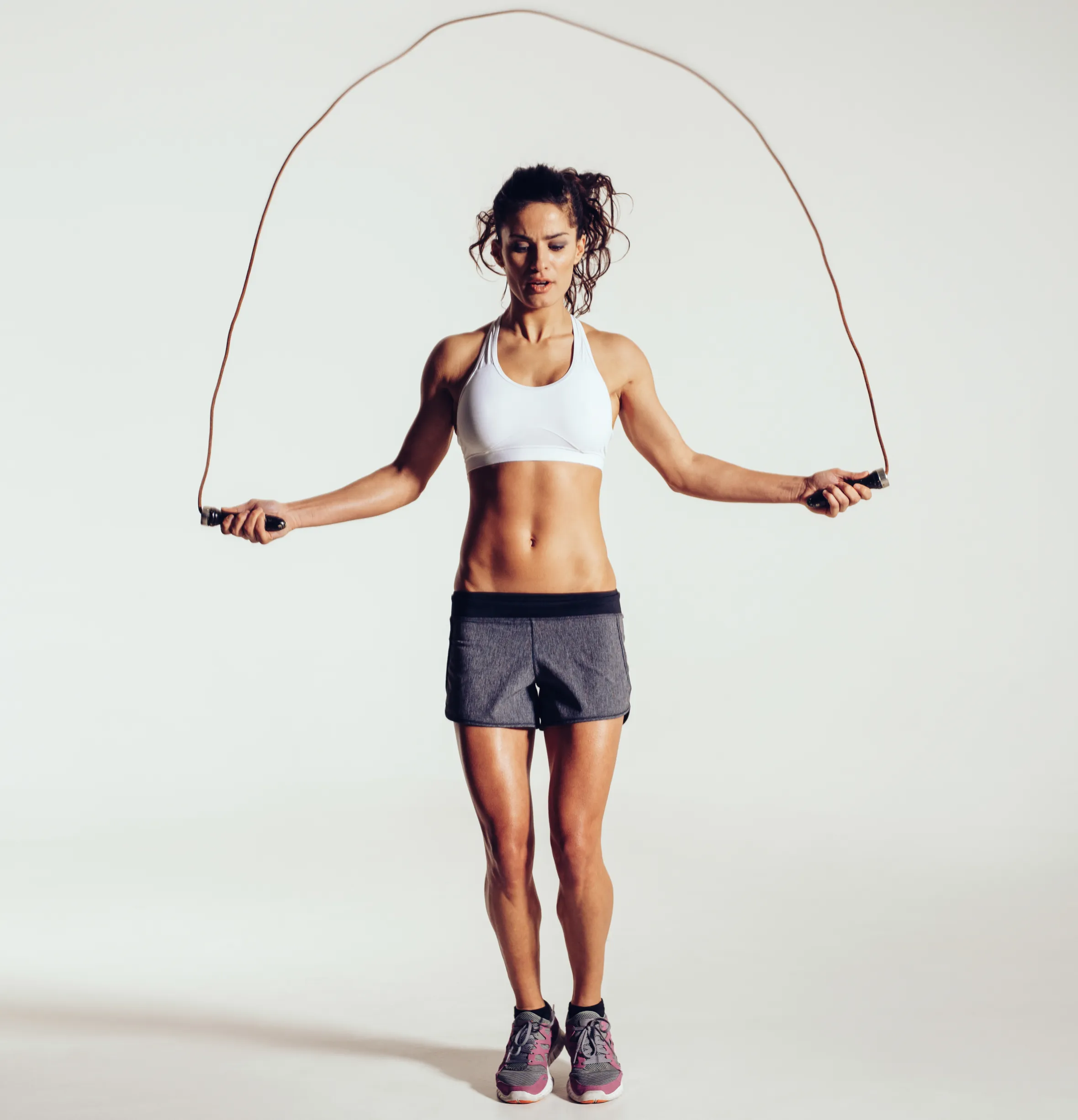
For astronauts, space radiation can accelerate this effect, with studies by ESA scientists showing evidence of cartilage degradation in astronauts who spend several months aboard the ISS. But a simple jumping strategy could protect cartilage degradation, according to astrophysicists at Johns Hopkins University in Maryland. Last year they reported that jumping exercises should be included to prepare joints for space travel — and said that jump-based training might also boost cartilage health in people at risk of osteoarthritis. Their next study will look at whether daily jump training could reverse cartilage loss and help astronauts to restrengthen their cartilage after a space flight. Aim for 10-20 jumps a day, which researchers have previously shown to provide enough beneficial loading to strengthen bones.
Add high-intensity training to boost heart health
Heart health deteriorates in space. Each time a person sits or stands on Earth, gravity draws blood into the legs. “The heart works continuously against gravity to maintain circulation throughout the body, and to ensure that oxygen-rich blood is pumped upwards to the brain,” Caplan says. Removing these gravitational influences causes the heart to shrink. “On a longer space mission the mass of the heart reduces by approximately 10-15 per cent,” Caplan says. When astronauts return to Earth the heart is temporarily underequipped to meet the circulatory demands of gravity. “This is why they experience dizziness when first standing upright after landing, a condition called orthostatic intolerance.” It typically resolves within days to weeks.
However, researchers have been studying how best to maintain heart function in space. And findings apply to maintaining cardiovascular health on Earth. In a paper for the American Heart Association’s journal Circulation, researchers reported that brief bursts of repeated high-intensity activity during short space missions may help to keep a heart healthier than lots of low-intensity, longer-duration exercise. Last year a review confirmed that adding short “sprints” of effort lasting as little as 30 seconds to regular aerobic activity as “an effective and safe exercise for improving cardiovascular health” for non-astronauts.
Invest in a wobble cushion to challenge underused postural muscles
Postural instability is a big issue when astronauts hit Earth. “The exercises they do in space really do not work muscles in the lumbar pelvic region, which become very underused in a short time,” Caplan says. “The effect can be a downturn in posture or back pain.” Sitting down in a chair all day switches off these postural muscles in the same way. “You need to get up and move about to switch on these muscles,” Caplan says. “Standing or exercising on a simple balance board or wobble cushion can provide an added challenge for these muscles.”
Try exercising on a vibration platform to strengthen bones
Astronauts typically lose 1-2 per cent of bone mass a month and methods of preserving bone health is a prime focus of space scientists. For the rest of us, bone density declines after the age of 30, with accelerated losses in women around the menopause, when levels of bone-protective oestrogen drop. According to the Royal Osteoporosis Society (ROS), about 3.5 million people in the UK have osteoporosis and half of women and 20 per cent of men over 50 will break a bone because of the condition.
Some space travellers use whole body vibration (WBV) platforms — about the size of a set of bathroom scales — to boost bone mass. Originally developed by space scientists who found that astronauts could regain some bone loss by using them for 10-20 minutes each day, WBV plates, such as Power Plate, Galileo and Reviber, are now a familiar presence in gyms. Standing, squatting or exercising on a platform as it delivers intense vibrations at frequencies of 10-40Hz stimulates muscle fibres up to 60 times a second, causing them to tug on bones, which strengthens the skeleton.
They are not a magic bullet — you still need to incorporate other weight-bearing activity for bone health and the ROS says “some studies have even seen an increase in bone mineral density for some people [using WBV] but others have not”. But they might be worth a try. A 2023 review involving more than 1,000 people found that regular WBV therapy “can provide a significant improvement in reducing bone loss in the lumbar spine in postmenopausal women”.