
The dizzying speed of technological advancement in the workplace is enough to make one pause. Where on earth is the world of work going? A quick scan of job listings on platforms such as LinkedIn or Indeed reveals a landscape in flux with offerings for roles dedicated to training AI models, remote positions coordinated entirely through digital platforms and project-based assignments managed asynchronously with nary a geographic constraint. It can feel disorienting, even discouraging. One begins to wonder: where did the human element go?
And yet, not everyone sees this shift as a loss.
There are still thinkers imagining a more humane future of work. Joe O’Connor, co-founder of the global consulting and research firm Work Time Revolution, is one of them. Alongside freelance journalist Jared Lindzon, he co-authored Do More in Four: Why It’s Time for a Shorter Workweek, a book that explores what happens when we rethink not just how we work, but how long we work too.
Their case studies are telling. Organizations such as Unilever in New Zealand and Australia successfully piloted a four-day workweek with no loss in productivity. The underlying principle called Parkinson’s law is clear: work expands to fill the time we give it. Anyone who has pulled an all-nighter in college will know how much can get done fast when deadlines are looming.
In the case of the four-day work week, many knowledge workers have discovered, especially during the pandemic, that you can spend less time getting more done if you eliminate wasteful activities such as unnecessary meetings or expanded timeframes in which your concentration is lagging anyway.
The customary five-day work week in the US arose in part to accommodate religious observation, not to mention Henry Ford’s belief that he could sell more cars to a broader class of people if workers had more leisure time. In the 1920s when automobiles came onto the market, most people used automobiles for pleasure outings. It made business sense for Ford to provide weekend time for factory workers who, in turn, would become paying customers in his industry. While it took another century for us to get to this place, the Power of Slow is emerging as a common-sense approach to worker well-being, recruitment, retention and productivity.
Technological advances such as Artificial Intelligence (AI) have changed the canvas of the workplace in drastic ways. While many are concerned their jobs will become redundant in the wake of AI’s embrace, the authors argue that the calculator did not replace accountants. It changed their job profile for the better, giving rise of high-ranking positions such as CFO. While the argument may appear to be a stretch, it is a relevant analogy as we observe how the job market has shifted since tools such as Claude, Co-pilot and ChatGPT have become everyday applications for many knowledge workers.
If the February 2026 survey from the family safety app iSharing is to be believed, Germany ranks second in the world for AI-adoption amongst youth. The survey analyzed over 120 countries while keeping six common factors influencing the technological development and education in mind: Information and Communication Technology ranking, Internet penetration, the rate of tertiary graduates in science, technology, engineering, and mathematics, as well as the state of digital infrastructure, and AI preparedness. The final score, which, not surprisingly, landed Singapore in first place, reflects both the infrastructure and skills that support AI use in the country. With 1 in 5 recent university graduates specializing in science, technology, engineering, or mathematics in Germany, it is no wonder AI is at the top of the list. As countries around the world learn to adopt new technological standards, AI is clearly here to stay. How we deal with it is an important next step in its positive, long-term integration into the workplace.
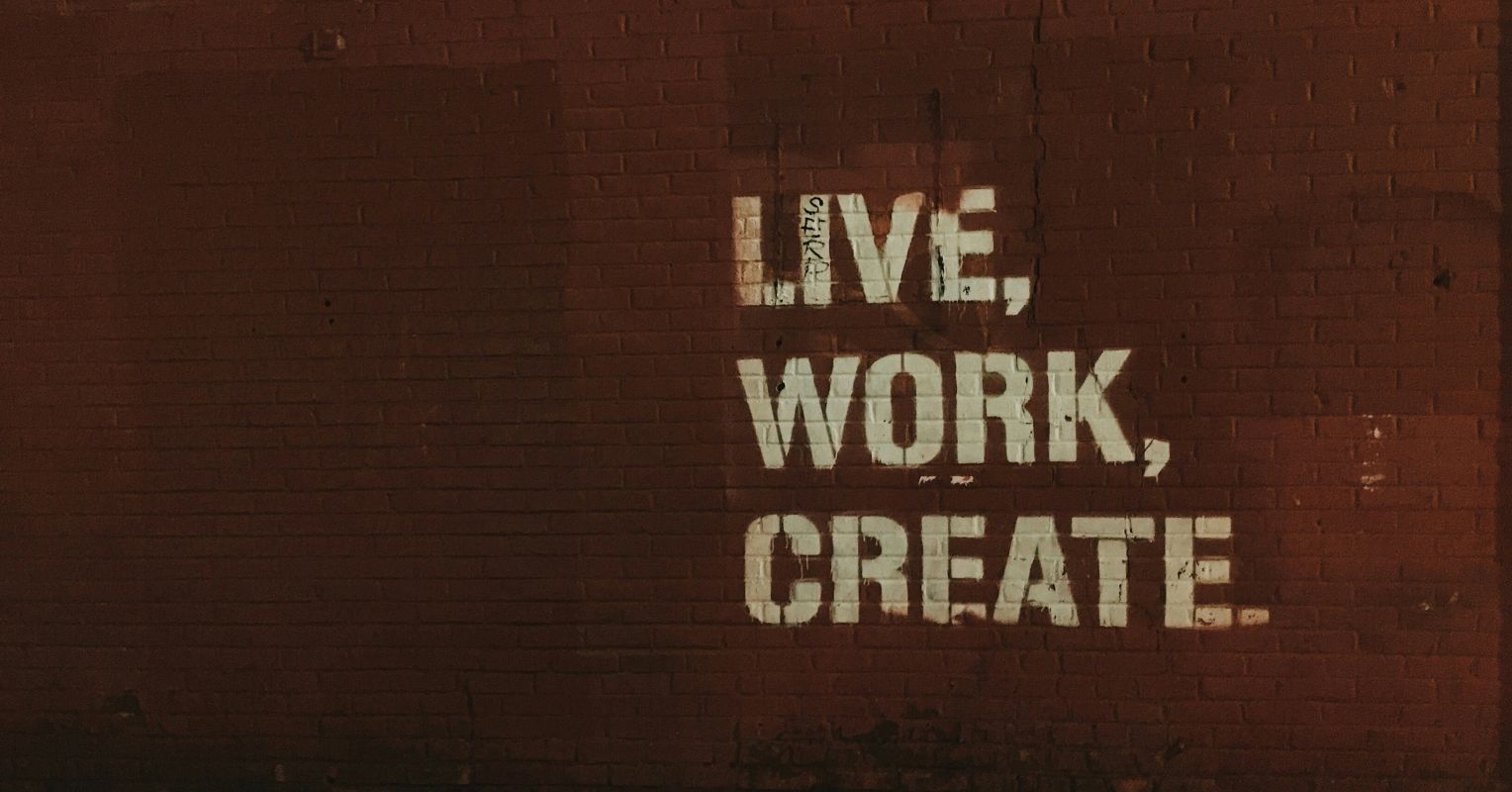
Whether with or without AI, what is emerging is a quiet but meaningful shift: a move toward working with greater intention. Shorter workweeks, clearer boundaries and a renewed emphasis on time for rest and play are no longer fringe ideas. These issues are becoming part of the mainstream conversation. Despite all the change, one thing remains constant: The human element remains the driving force in thinking about the future of work.
AI may streamline repetitive tasks, but it cannot replicate emotional intelligence, nuanced judgment or the ability to make meaning out of complexity. What it can do is give us back time that can be reinvested in the kinds of work, and the kinds of lives, that matter most.