
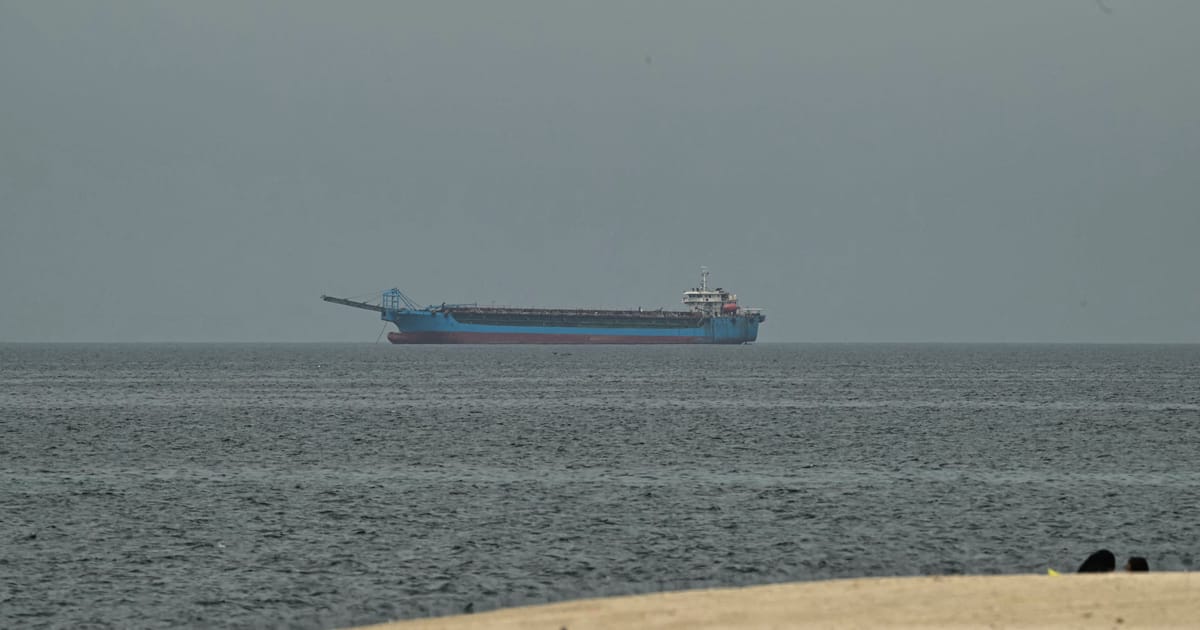
“[The] damage to household finances this year is to a large degree already done,” said James Smith, chief economist at the Resolution Foundation, which made the estimate.
Pain points
Painful costs could soon be accompanied by actual shortages. Airports warned last week that, if the strait remains closed for another three weeks, “systemic jet fuel shortage is set to become a reality for the EU.”
And Europe will face “tightening constraints” elsewhere by the end of April, wrote Robert Pape, a professor of political science at the University of Chicago, as importers in Asia — the worst-hit region, which imports the most oil and gas from the Middle East — “compete aggressively for alternative supply.” European importers, Pape said, will then “encounter both higher prices and reduced availability.”
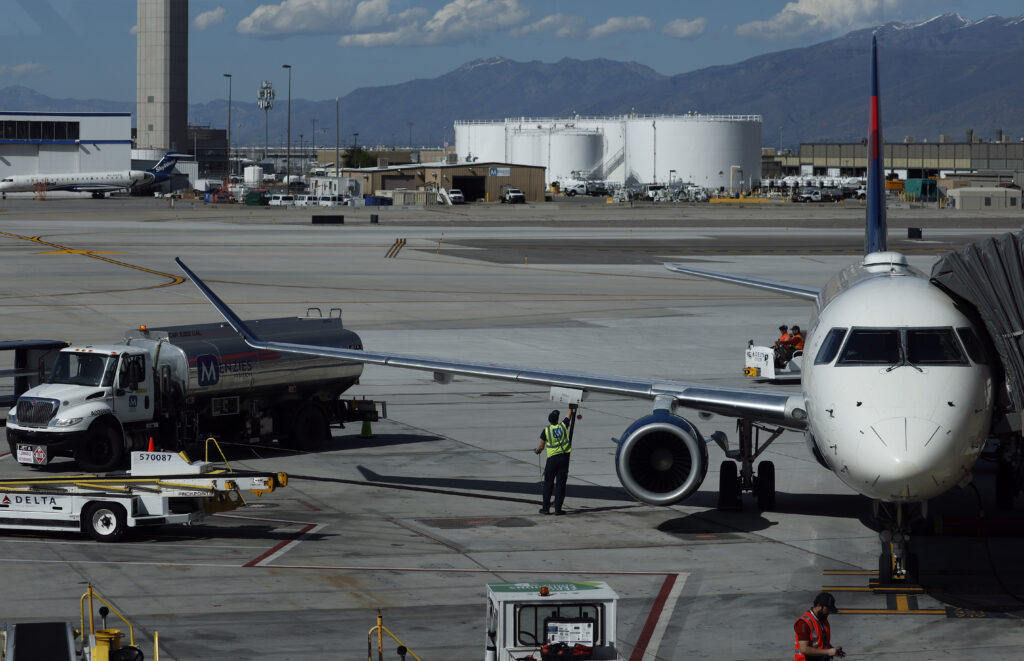 Airports warned last week that, if the Strait remains closed for another three weeks, “systemic jet fuel shortage is set to become a reality for the EU.” | Justin Sullivan/Getty Images
Energy-intensive industries like chemicals, metals, and manufacturing could begin to cut output, he predicted.
Then there’s the impact on food prices, which are affected by the rising cost and tightened supply of fertilizer — another casualty of the closure of the strait.
In the U.K., for example, the membership body for food and drink manufacturers says it expects up to 10 percent food inflation by the end of 2026, up from a pre-war prediction of 3.2 percent. Even that forecast was made a fortnight ago, and was based on the strait opening “within two to three weeks.”