
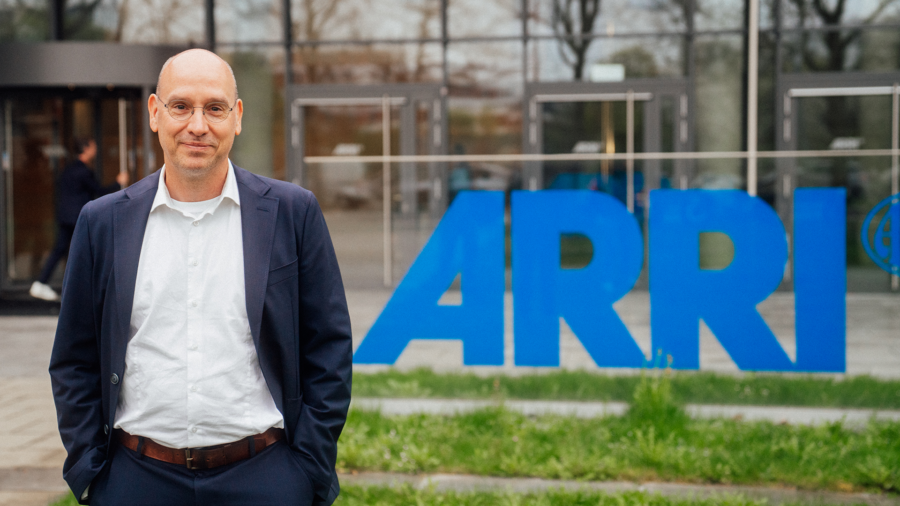
After months of speculation about ARRI’s future ownership, the 109-year-old Munich camera and lighting manufacturer has been acquired by Thomas Riedel, the founder and sole owner of the Riedel Group. The deal, which closes a competitive international bidding process, keeps ARRI under German private ownership and positions the company for expansion into live entertainment and sports production alongside Riedel’s existing broadcast infrastructure empire.
The announcement, made jointly from Wuppertal and Munich, confirms what the industry has been anticipating since Bloomberg first reported in August 2025 that the Stahl family, heirs of ARRI co-founder Robert Richter, were exploring strategic options including a potential sale. What followed was a turbulent year for the company: the sale of lighting subsidiary Claypaky to EK Inc., the closure of two German facilities and 150 job cuts, and a carefully worded December statement that reaffirmed the company’s commitment to lighting and camera systems while notably saying nothing about continued ownership. Now we know why.
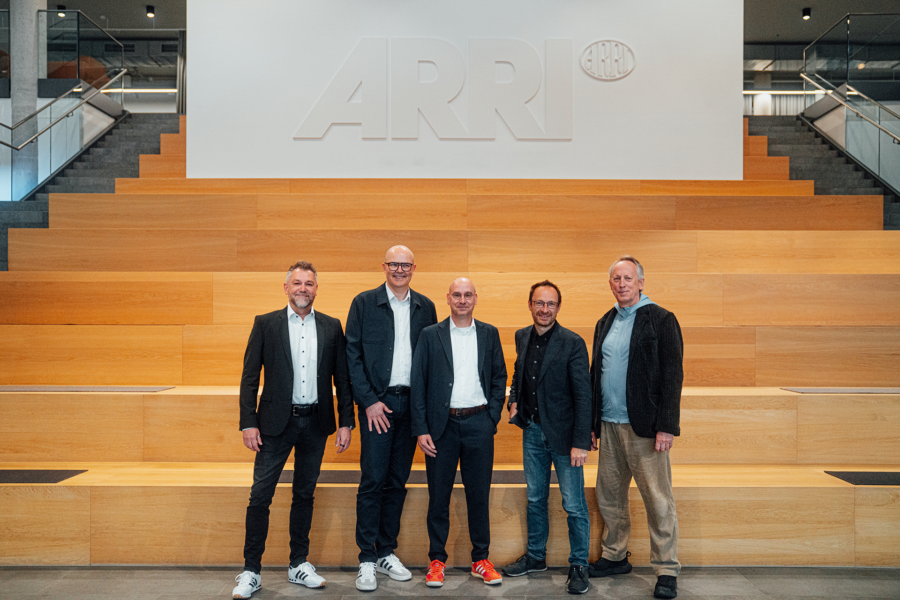 Thomas Riedel (middle) with the ARRI management team. Image credit: Riedel Communications / ARRIWho is Thomas Riedel?
For those in the cinema world who may not be familiar with the name, Thomas Riedel is one of the most significant figures in broadcast and live event technology. He founded Riedel Communications as a first-generation family business, and the company has grown into a global operation with over 1,000 employees across 30 locations worldwide. The Riedel Group specializes in audio, video, and data infrastructure for some of the world’s most demanding live productions, including major sporting events, concerts, and broadcast operations. Riedel’s technology has been the communications backbone of the Eurovision Song Contest for years, and the group recently acquired Swiss engineering firm Archwave and broadcast control system hi human interface to expand its portfolio further.
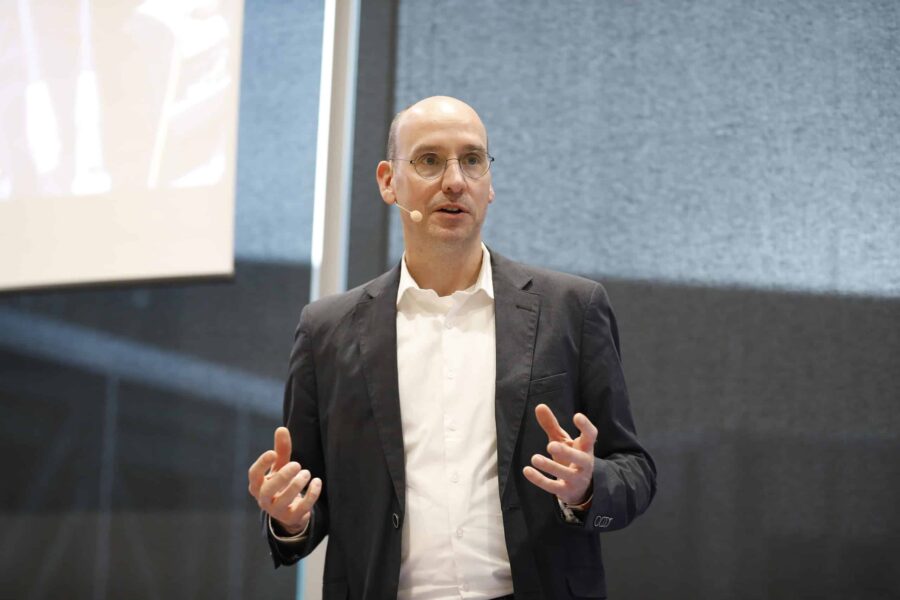 Thomas Riedel, founder and CEO of Riedel Communications. Image credit: Riedel Communications
This acquisition represents the most significant personal milestone of my career so far. – Thomas Riedel
This is not a private equity takeover or a tech conglomerate absorbing a heritage brand. Thomas Riedel is a sole proprietor buying another company with his own capital, making it the largest acquisition of his career. That distinction matters. When Nikon acquired RED in March 2024, the industry reaction was a mix of excitement and anxiety about what a large Japanese corporation would do with an American cinema camera disruptor. The Riedel-ARRI dynamic is fundamentally different: one German entrepreneur acquiring another German institution, with stated intentions to preserve independence and continuity.
What changes, and what stays the same
According to the joint announcement, ARRI will retain its independent operations, remain headquartered in Munich, and continue under its existing management team. Chris Richter and David Bermbach will stay on as Managing Directors, and Dr. Walter Stahl, a member of the founding family, acknowledged that the acquisition ensures ARRI’s success story continues under German ownership.
I have great respect for this exceptional brand, its outstanding products, and its strong team. At the same time, I see tremendous potential. – Thomas Riedel
The strategic logic is about complementary technologies and new market access. Riedel’s strength in live production infrastructure, from intercom systems to signal distribution to private 5G networks, fills gaps that ARRI has never addressed. Conversely, ARRI’s camera and lighting ecosystem gives the Riedel Group a presence in the content creation side of the production chain that it has lacked. The companies describe the combination as spanning the entire production workflow from camera optics to distribution.
 Riedel Communications acquires ARRI. Image composition by CineDEurovision as a proving ground
The first visible collaboration will come sooner than many might expect. ARRI will debut its camera technology at the Eurovision Song Contest 2026, taking place in Vienna from May 12 to 16, where Riedel serves as the technology provider and NEP handles production. This year’s Eurovision will use 24 ARRI ALEXA 35 Live cameras for the first time, previously deployed on Taylor Swift and Coldplay tours, to achieve a more cinematic look for the broadcast.
CineD will report exclusively from Eurovision in Vienna on the behind-the-scenes of the ARRI camera deployment, embedded in Riedel infrastructure.
Eurovision is a telling first move. It signals that the Riedel-ARRI partnership will prioritize live entertainment and sports, sectors where Riedel already dominates infrastructure but lacks a camera presence, and where ARRI has historically had limited reach. The live event space represents a substantial growth opportunity: these productions demand high-end imaging but operate under very different constraints than traditional film sets, requiring ruggedized equipment, real-time workflows, and deep integration with broadcast infrastructure. That integration is exactly what the Riedel Group already provides.
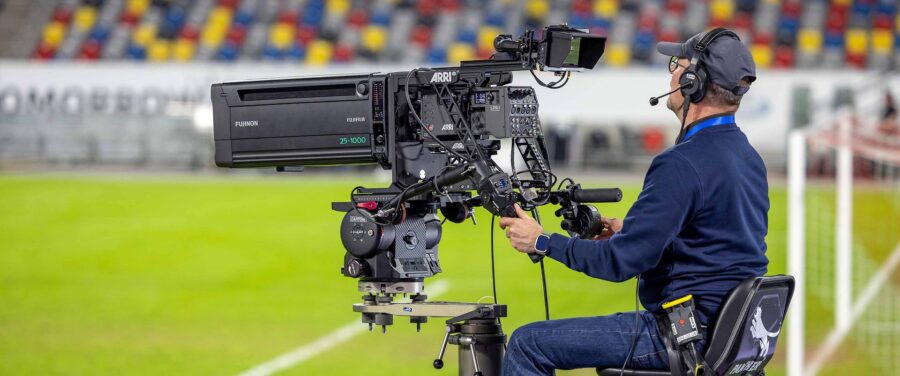 Thomas Riedel acquires ARRI, which has high ambitions in the broadcast market. Image credit: Riedel CommunicationsThe bigger picture for ARRI
The acquisition arrives at a pivotal moment for ARRI. Beyond the financial pressures that drove the sale process, the company has been actively diversifying. The strategic collaboration with HONOR announced at MWC 2026, which brings ARRI Image Science to a smartphone for the first time, signaled a willingness to license its imaging expertise beyond traditional cinema hardware. Under Riedel’s ownership, that diversification is likely to accelerate.
There are legitimate questions about what this means for ARRI’s core cinema business. The company’s ALEXA cameras remain the gold standard for high-end theatrical production, with the ALEXA 35 continuing to dominate feature film and premium television. Riedel’s interests skew heavily toward broadcast and live production, not narrative filmmaking. Will R&D investment in cinema cameras remain a priority when the new owner’s core competency lies elsewhere? Or is the answer even simpler, because broadcast is becoming more “cinematic looking” all the time, anyway?
The press release offers reassurance on this front, emphasizing that ARRI’s management will “further advance its ongoing transformation” and that the company retains operational independence. David Bermbach referenced ARRI’s strategic direction as a “Trusted Technology Leader for the Next Generation of Media & Entertainment,” a framing broad enough to encompass both cinema and live production.
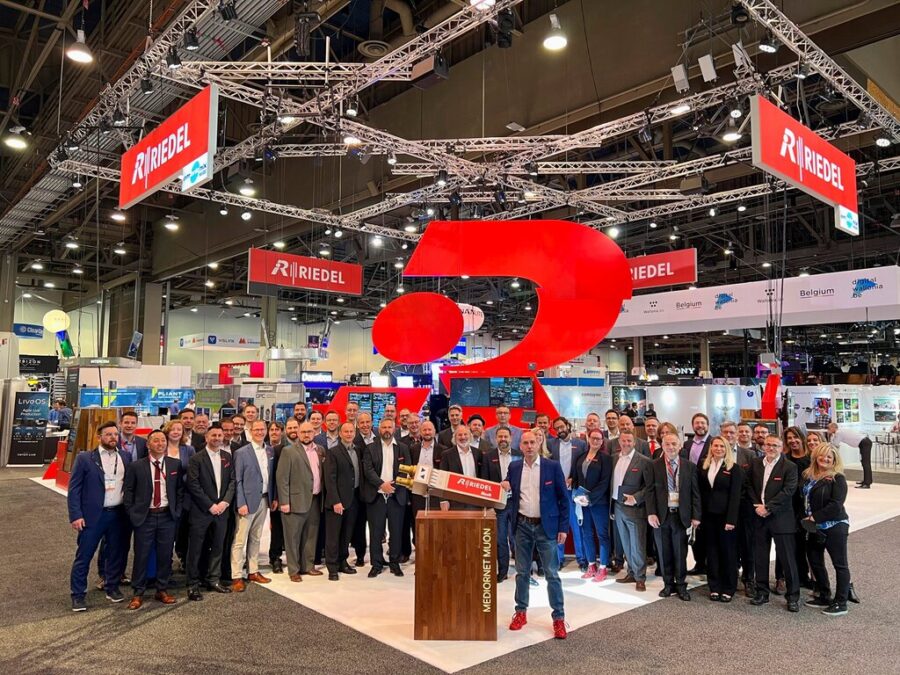 Riedel is known to have a huge presence at industry trade shows, such as NAB. Image credit: Riedel CommunicationsA new chapter in industry consolidation
This deal continues a pattern of significant ownership changes across the professional imaging industry. Nikon’s acquisition of RED in 2024 brought one of cinema’s most innovative camera companies under the umbrella of a Japanese photography giant, eventually producing the Nikon ZR as the first tangible fruit of that merger. Meanwhile, Leica Camera AG’s owners have been reported as considering a sale of their controlling stake, valued at approximately one billion euros.
The era of independently owned, family-run camera companies appears to be drawing to a close. What distinguishes the Riedel-ARRI deal is that it at least keeps the company in the hands of a single entrepreneur with deep roots in the production technology world, rather than a corporate conglomerate or private equity firm. Whether that translates into stability and innovation, or whether the gravitational pull toward live production and broadcast gradually reshapes ARRI’s identity, remains to be seen.
What do you think of Thomas Riedel’s acquisition of ARRI? Does the live production focus excite you, or are you concerned about the future of ARRI’s cinema camera development? Don’t hesitate to let us know in the comments below!