
‘Time’ – Fleetwood Mac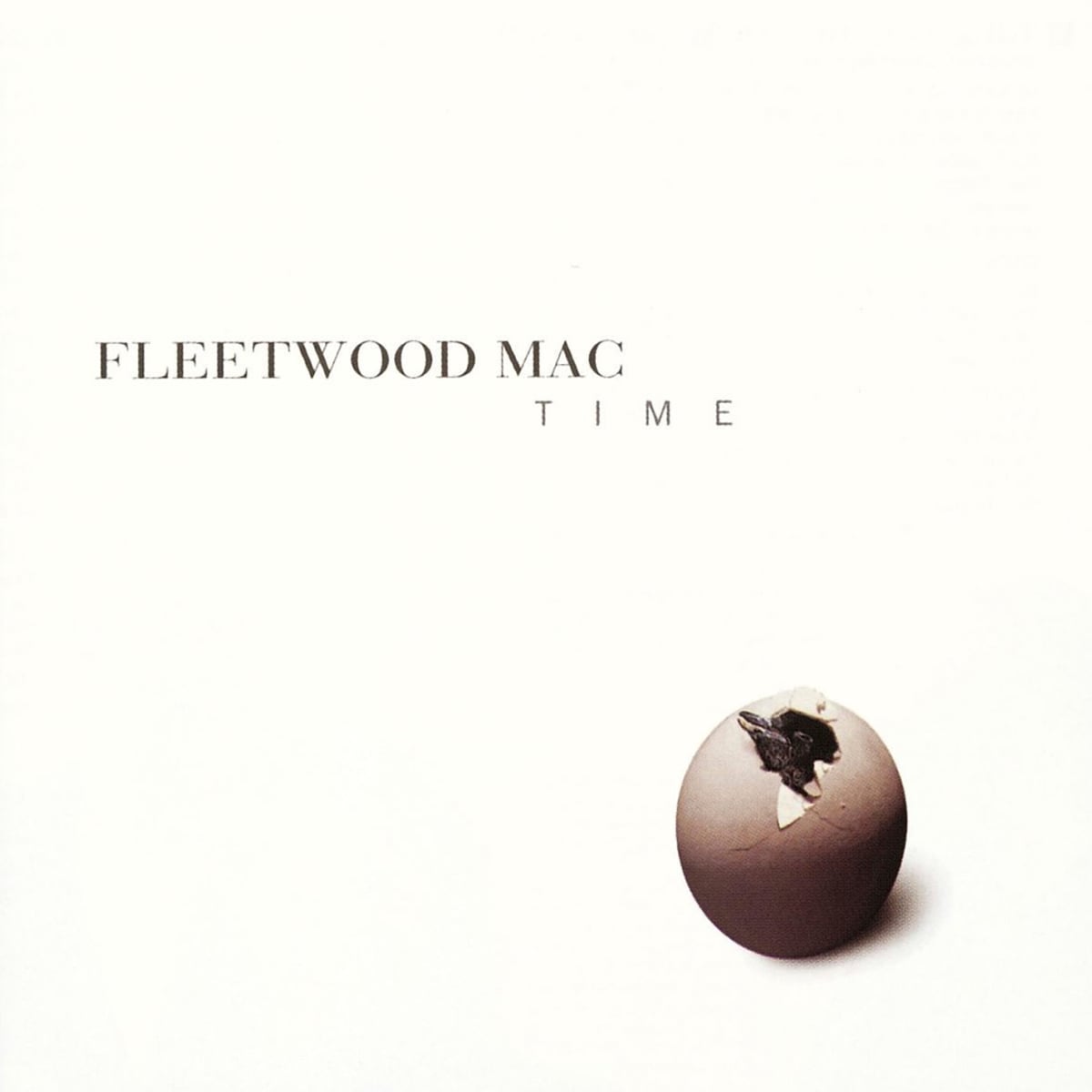
Sometimes it feels like one needs a scorecard to track how many shakeups Fleetwood Mac have had. While most might know the Lindsey Buckingham and Stevie Nicks tracks as the soundtrack to the 1970s, it was just as chaotic behind the scenes even before they embraced AM radio rock, including scraps where they broke into fights during band meetings. But what about an album that doesn’t have any of those problems?
While Time might not have had the same dramatic tension as something like Rumours or Tango in the Night, it’s by far the most tepid Fleetwood Mac project. With no Buckingham and no Nicks to create something special, all fans are left with is the B-material from Christine McVie and two separate guitarists playing a faux take on country rock that Garth Brooks would have laughed out of the room.
Even in the years since, Mick Fleetwood knew the likelihood of them having a dud on their hands, thinking it was a long shot for anyone to get on board with a project of this scope. Although ‘The Mac’ was known for turning some of their shakiest ideas into gold, this feels like being promised a Fleetwood Mac album and getting a bargain bin album that is better used as a coaster.
‘It’s Hard’ – The Who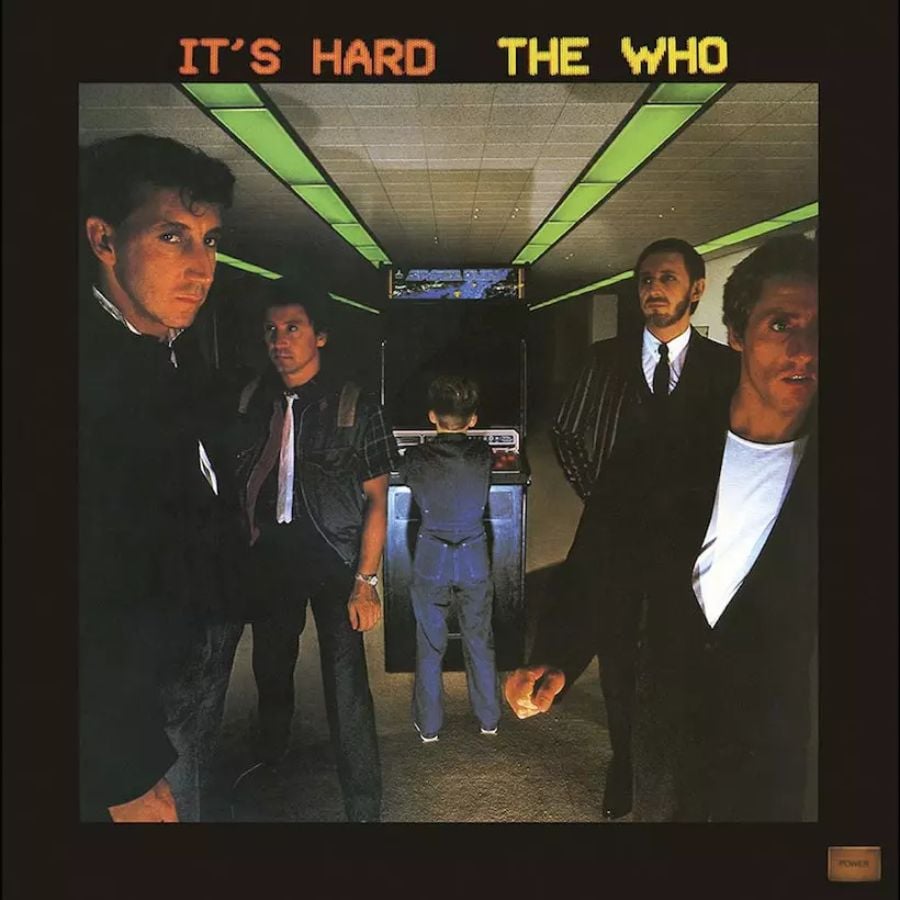
By the time The Who staggered into the ‘80s, it was becoming clear that Pete Townshend’s vision for the band had some holes. In the wake of Keith Moon’s tragic passing, the ‘60s legends reconvened with different attempts to go pop, including a fantastic single with ‘You Better You Bet’. Although the band claimed to be on stable ground, It’s Hard was where that visionary sound of the ‘60s began to stall out.
Regardless of their feelings towards the project, Townshend comes into his own as a frontman, sharing almost equal time with Roger Daltrey behind the mic and writing one of their last great singles, ‘Eminence Front’. Then again, the content of the song being about artists that put on their audience did nothing to endear the song to listeners.
Even during the recording of the album, Daltrey was known for telling Townshend that he thought they were making a piece of shit, thinking that they would be better off retreating into their solo careers. Although the band have made various appearances back together with Townshend and Daltrey, any chance of getting another classic Who song was a pipe dream after this album.
‘Atom Heart Mother’ – Pink Floyd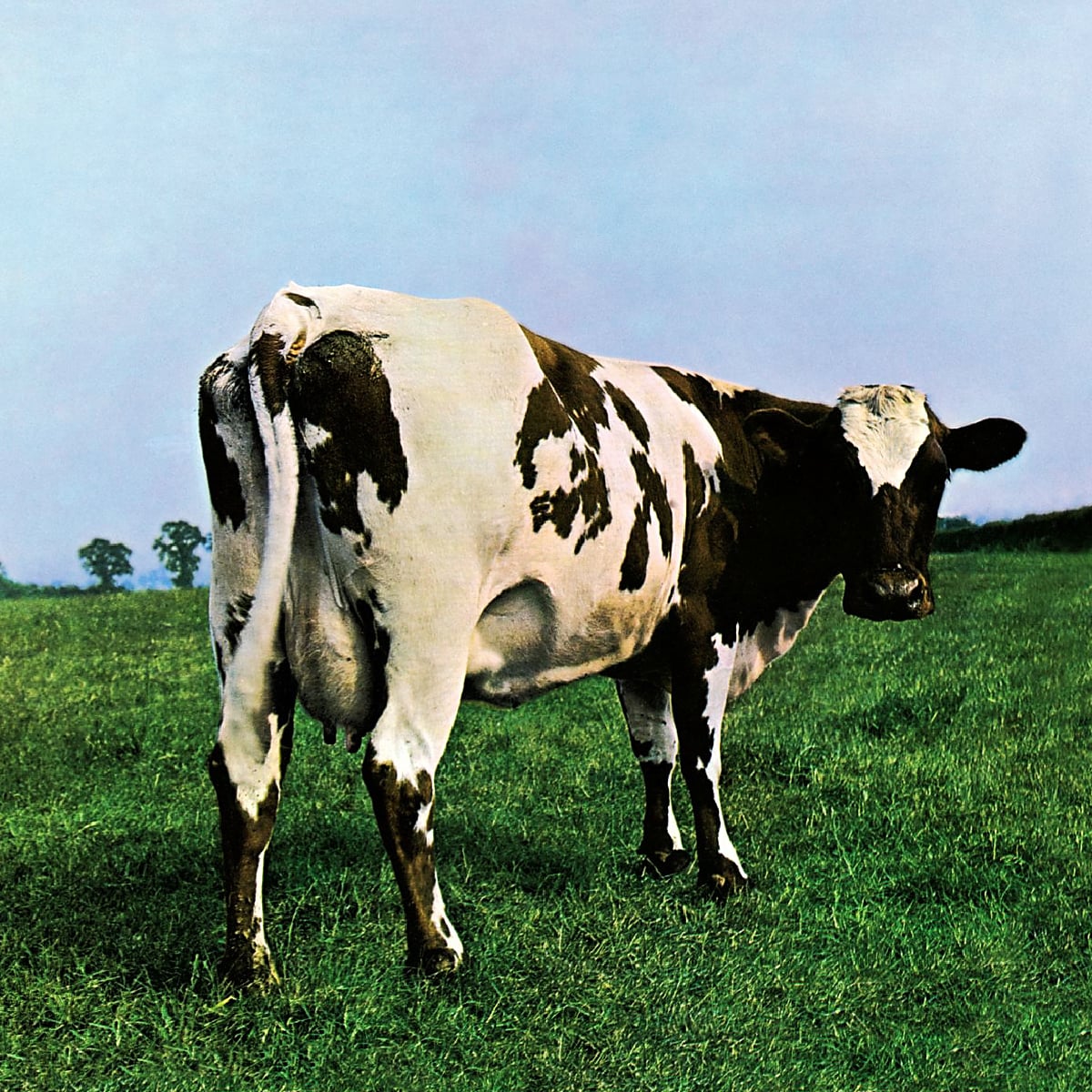
During the early ‘70s, Pink Floyd had to practically hit the reset button on their entire career. With Syd Barrett being trapped inside his own mental state, his abrupt dismissal led to the band expanding their musical horizons as far as they could go. Although albums like Dark Side of the Moon were to come, David Gilmour wasn’t in love with what they brought to the table on Atom Heart Mother.
Having already worked on various experimental songs on the album Ummagumma, Atom Heart Mother is an attempt to refine that experimentation within a broader context, including a sublime title track that takes up most of the first side. Outside of the head-scratching closer about one of their roadies having breakfast, there are also tender songs that point to the emotional depth of their music, like ‘Fat Old Sun’.
None of that sat well with Gilmour though, who considered it more of an experimental disaster. To this day, Gilmour still thinks that he’d have to be paid a certain amount of money to even consider performing the title track live. Considering the albums that would come later, maybe Atom Heart Mother was a test run for what ‘Echoes’ was able to do for the band.
‘Echo’ – Tom Petty and The Heartbreakers
For all of the good times Tom Petty had in the ‘90s, things were slowly starting to wane. After making a career renaissance album with Wildflowers and playing alongside Johnny Cash, Petty was also going through a lengthy separation from his wife and finding love with his second wife, Dana. There was still some baggage to go through, and Echo is the sound of Petty untangling his emotions.
Coming right after the songs of determination, Petty was vocal about not being in a good place when writing this record, notoriously living in a chicken shack and succumbing to his vices outside the studio. Even in the songs, it’s easy to hear him tear into himself, like the emotional wreckage on the title track or the determination to go down fighting on ‘Swingin’’.
The album also had a sad connotation some years later, being one of the final albums that bassist Howie Epstein worked on before succumbing to his heroin habit. While Petty occasionally revisited the album and saw the beauty behind some songs, this is one of the uglier snapshots fans got of his home life.
‘One by One’ – Foo Fighters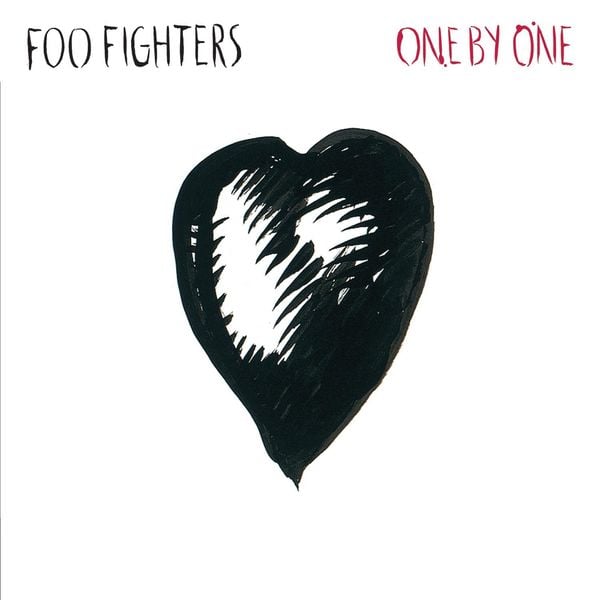
Dave Grohl has never been one to say a bad word about any rock music. From the moment he left Nirvana, Grohl was determined to have music be his saviour, pushing through his grief and making the building blocks of Foo Fighters by himself. After more than a few shakeups finalising lineups, Grohl was not in a great headspace when putting together their fourth record, One By One.
Having been through a cycle of touring and recently acquiring new guitarist Chris Shiftlett, Grohl made it crystal clear how bored he was in the studio. Since he was going out on the road with Queens of the Stone Age, the other band members started to resent Grohl, thinking that their band was being put on the back burner.
After a heated argument before a major festival gig, the band reconvened at Grohl’s home studio and finished off the record, which included soon-to-be classics like ‘All My Life’ and ‘Times Like These’. Outside of those few bright spots, Grohl has been vocal about never wanting to play another one of those songs again.
‘Pinkerton’ – Weezer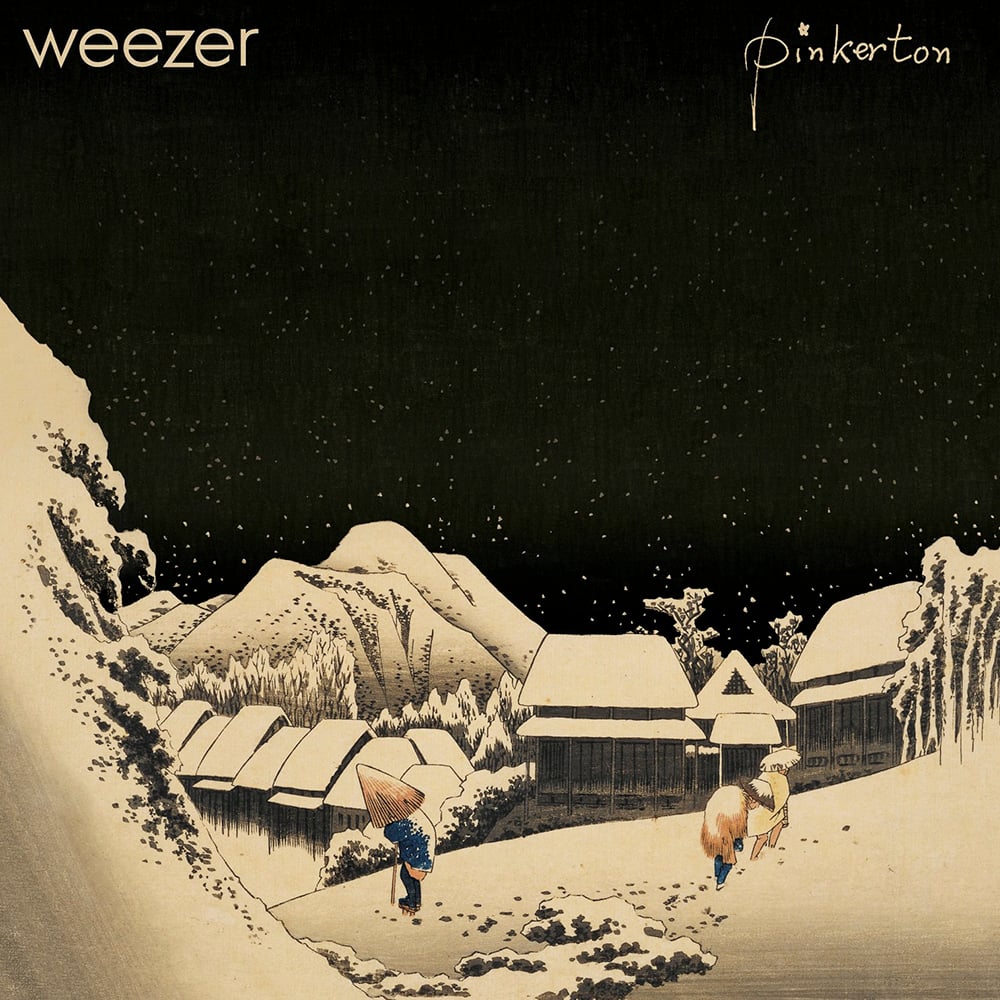
How does one deal with becoming one of the biggest rock stars in the world? After Weezer’s debut album started to storm the charts in the mid-1990s, Rivers Cuomo was thrust into a level of fame that he didn’t want, with everyone loving his nerdy odes to Buddy Holly and his state of mind being like a sweater. Instead of making another version of the same album, Pinkerton was the album straight from Cuomo’s heart…which was absolutely torn to shreds.
While Weezer’s sophomore record features some of the most blunt songs of the band’s career, it wasn’t taken seriously by the fans, who outright rejected the idea that the same nerd with glasses had feelings. The backlash was so bad that the band went on hiatus… but that wasn’t the end of the story.
After making a comeback in the early 2000s, Weezer fans started to see Pinkerton as one of the group’s greatest records, being a landmark album in the emo genre. That reappraisal came too little too late for Cuomo, though, who still considers the record to be an albatross around his neck that won’t leave him alone. Although Cuomo could easily go back to that sound if he wanted to, his resistance towards Pinkerton may come from him not wanting to be rejected again.
‘Born to Run’ – Bruce Springsteen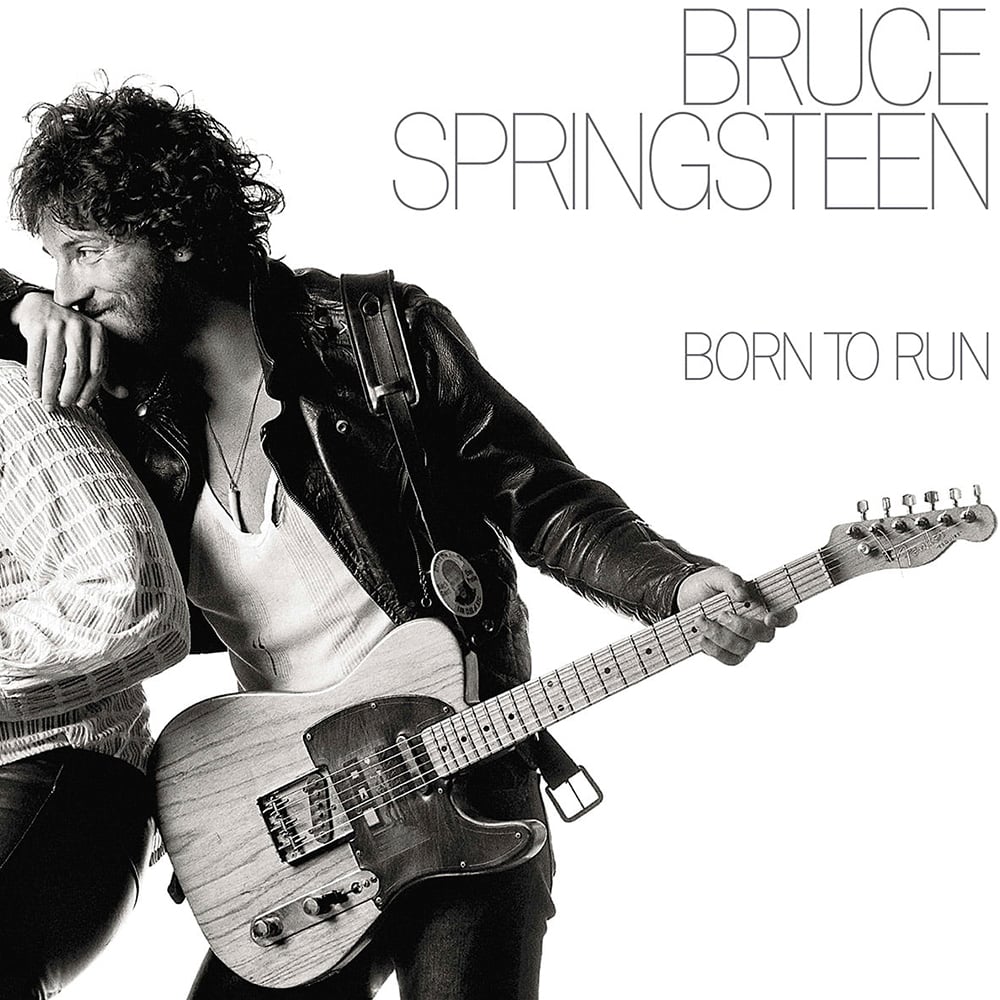
As the ‘70s started to hit its stride, Bruce Springsteen was beginning his ascent. Being picked up by Columbia Records, the rock world was convinced that they had the next Bob Dylan on their hands and waited patiently for ‘The Boss’ to make something outstanding with the power of The E Street Band. That kind of pressure would get to anyone, and Springsteen wasn’t completely satisfied once his masterpiece was completed.
Looking to create songs with a mixture of Roy Orbison bombast and Phil Spector drama, Born to Run encapsulates everything Springsteen was about, complete with songs about nowhere kids looking for an escape. Those stories were much closer to the bone than most would realise, though, and Springsteen still thought that the title track was a piece of garbage, relentlessly working on it until it was as perfect as it could be.
After working his band down to the bone, his manager Jon Landau had the perfect way of getting the album over the finish line, leaking the song to radio stations and getting one of the biggest reactions of Springsteen’s career. Springsteen was always a master storyteller, but when you create characters that feel this real, it’s sometimes hard to let them into the world.
‘Nevermind’ – Nirvana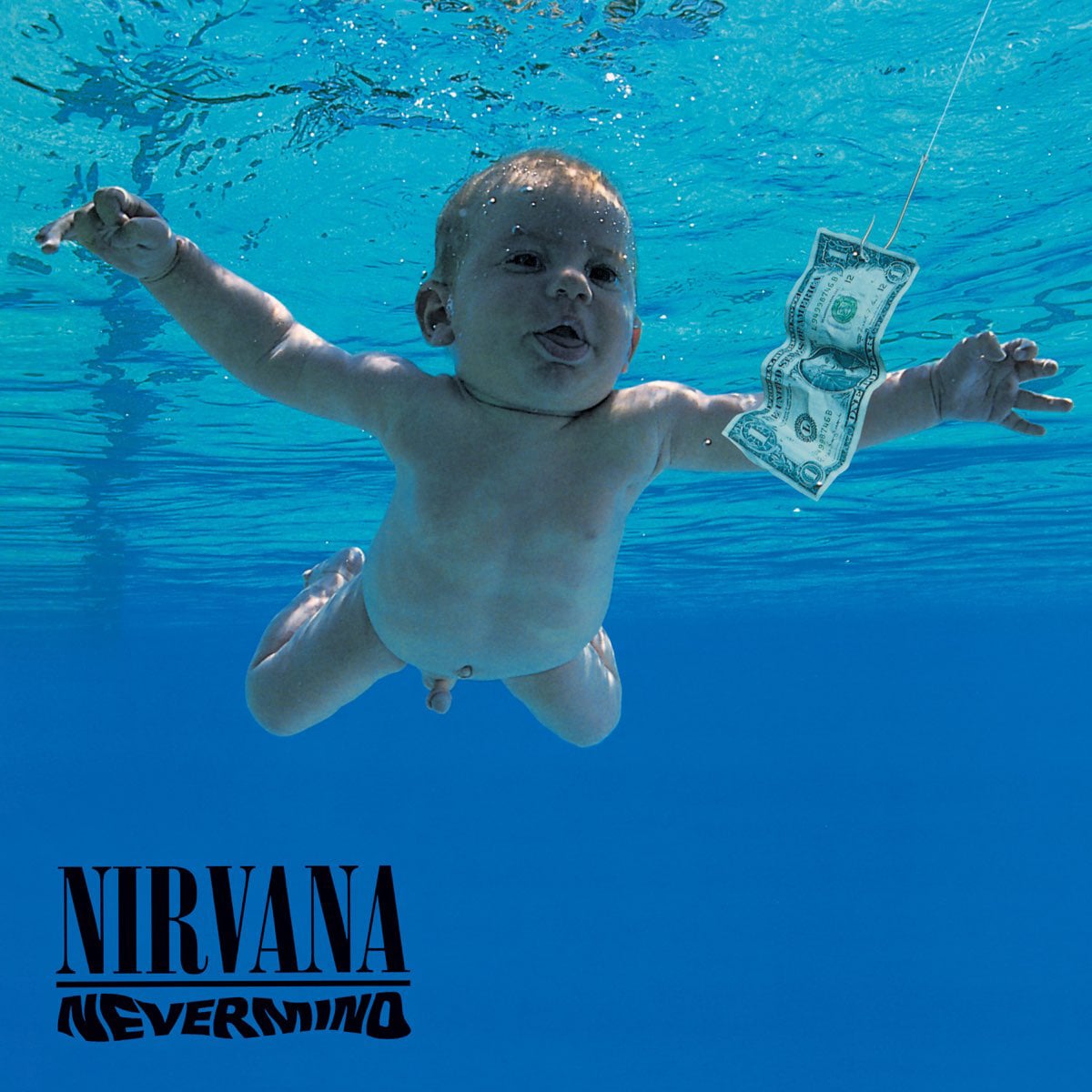
When Nirvana hit it big, the entire rock scene was in for a seismic shift. Although hair metal bands were still making the rounds on MTV, they were all but dead once Nirvana kicked down the door with ‘Smells Like Teen Spirit’, creating a new generation of disenfranchised ‘90s kids. While most fans saw the future of rock, all that Kurt Cobain could see was a huge mess of an album.
While Cobain did have confidence in his work going in, the biggest problem came when it entered the mixing stages. Originally signing mixer Andy Wallace due to his work with Slayer, Cobain was stunned by how pristine the final product sounded, thinking it sounded much closer to a Mötley Crüe record than what he envisioned as a punk rock record.
The rapid success of the album eventually became too much for the band, hardly touring for much of the project once the venues they were playing got increasingly unhinged due to too many people showing up. The allure of success might be an enticing prospect at the beginning of one’s career, but Cobain’s follow-up with In Utero was about stomping out his original rise to the top.
‘Be Here Now’ – Oasis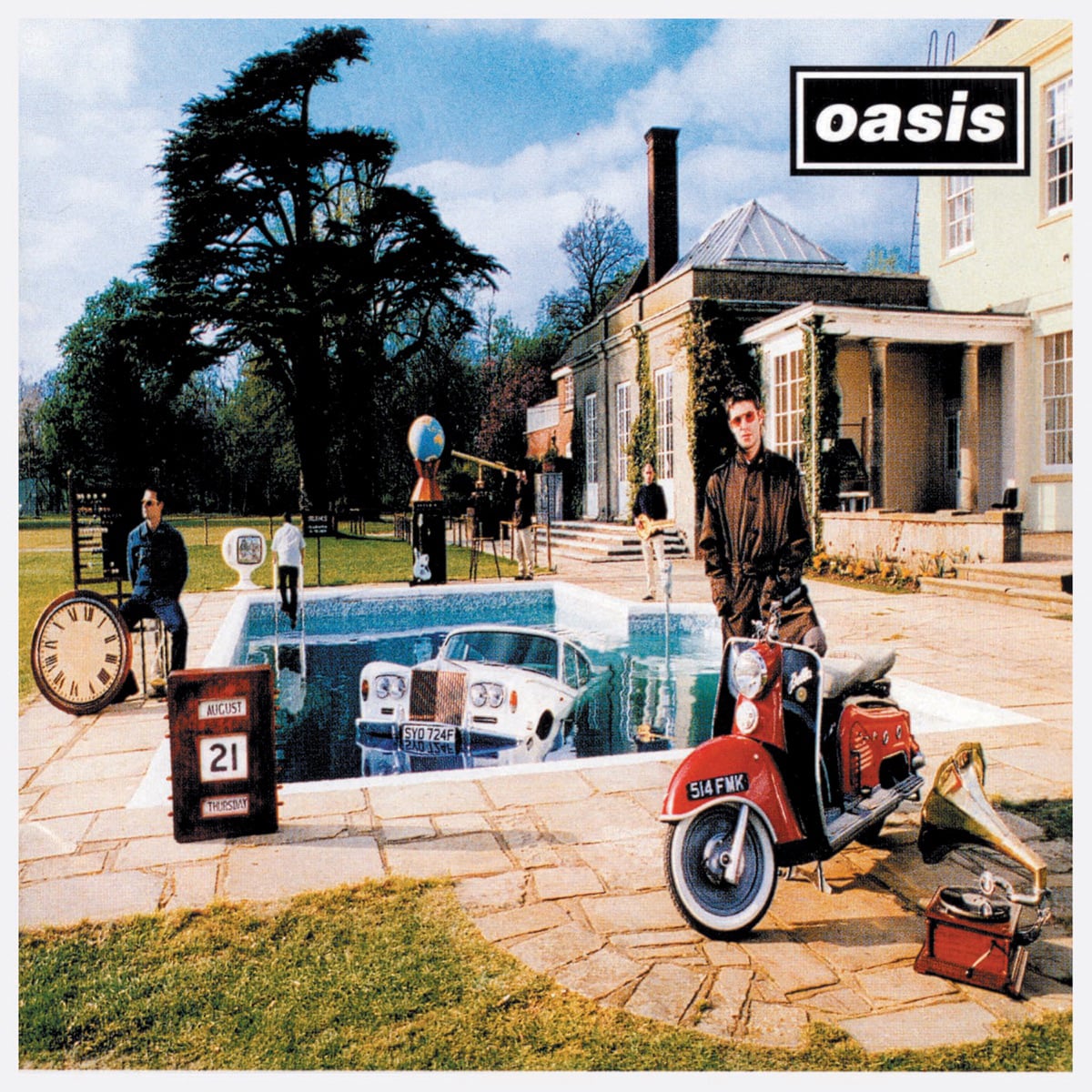
There’s no one else who’s going to be a better cheerleader for Oasis than the Gallaghers. Although the band may have capitalised on their strengths as one of the biggest rock acts of the ‘90s, their crossover appeal turned them into a band of the people, having the capacity to sell out shows like Knebworth while still holding onto their indie credentials. While everything may have hinged on the third record, not even Noel could bring himself to say nice things about Be Here Now.
While the album is by no means a trainwreck from start to finish, it’s hard to make out the original lads from Manchester buried underneath massive overdubs in the studio. Looking to make everything bigger and better than before, Noel’s approach was to max out every channel on the mixing console, making for a cacophonous wall of sound that leans more towards white noise after a few listens.
Coupled with the fact that the songs are way too long, Noel has practically disowned the album in recent years, only playing a handful of songs from it live and calling it the moment where their popularity bubble burst. Oasis may have had enough B-sides in their back catalogue for another fantastic album, but the momentum gained over the last few years led to them burning out way too quickly and blowing their chances for another classic.
‘Let It Be’ – The Beatles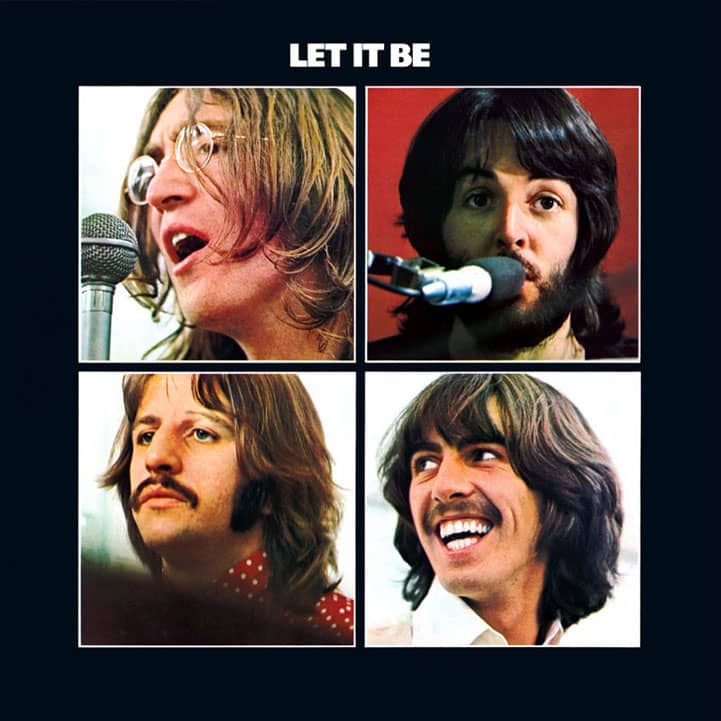
In a perfect world, The Beatles probably should have closed the door on their career with Abbey Road. Having been at each other’s throats since The White Album, the band were ready to move on to their respective solo careers, with each writer getting more possessive about how their songs should go. While the Get Back project was put on the shelf after being deemed not good enough, Phil Spector had a different plan.
After each member had moved on to creating their own solo albums, Apple decided to task the infamous ‘Wall of Sound’ producer to fix the scraps from the Get Back session. Throwing out some of the jams, Spector started to “fix” some of the songs without the permission of any of the members, leading to Paul McCartney having some serious issues with how ‘The Long and Winding Road’ was handled.
While John Lennon contested that Spector made the best of a bad situation, McCartney was still hurt by what they did to his material, eventually releasing the album Let It Be…Naked showing how he intended the album to sound if it were released. Let It Be is a nice treat that makes the listener feel like a fly on the wall during recording sessions, but considering Abbey Road’s grand finale, it’s hard not to see some of the tracks as table scraps.