
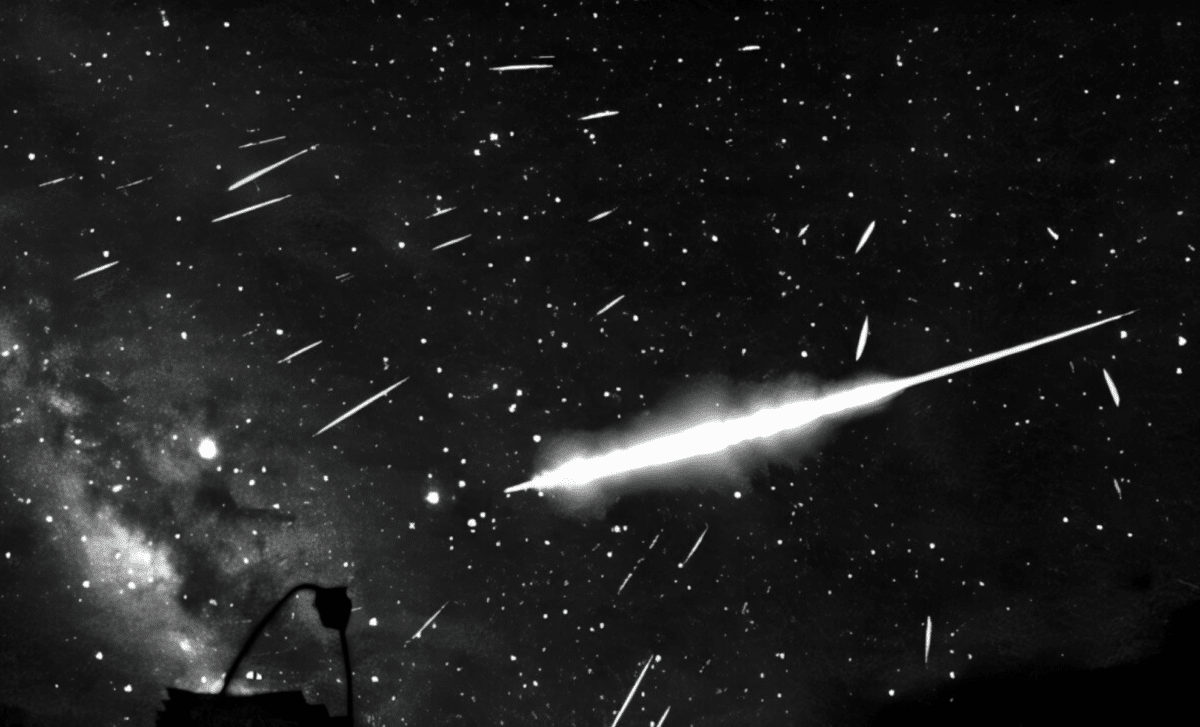
Scientists have discovered a hidden asteroid on the brink of crumbling. This asteroid, obscured by its extreme orbit, has been shedding dust and fragments, creating a newly detected meteor stream. The revelation not only uncovers a mysterious, fragile object in our solar system, but it also provides crucial insights into the behavior of asteroids under the sun’s intense heat. The study, led by planetary scientists, could revolutionize our understanding of asteroid activity and strengthen planetary defense efforts.
The Discovery: An Asteroid’s Final Act
For years, astronomers have been tracking the movements of various asteroids and comets through telescopes. These objects are key players in the dynamic dance of our solar system. But the recent discovery of a new meteor stream offers more than just an exciting astronomical phenomenon, it tells the tale of an asteroid on the verge of self-destruction. This asteroid, which was revealed by a cluster of 282 meteors, follows an extreme orbit that brings it perilously close to the sun, nearly five times closer than Earth.
As this asteroid gets closer to the sun, it heats up to extreme temperatures, causing its fragile surface to crack and release dust, gas, and larger fragments. These broken pieces travel across space, forming meteor showers when they eventually collide with Earth’s atmosphere. The scientists behind the discovery suggest that the asteroid’s proximity to the sun is a key factor in its disintegration, which could explain the meteor stream and its associated debris.
 Comet 67P/Churyumov–Gerasimenko releasing gas and dust as its orbit takes it close to the Sun.
Credit: ESA/Rosetta/MPS
The Study: Unlocking the Secrets of Space Debris
Published in March 2026 in the Astrophysical Journal, the study explores millions of meteor observations collected by global all-sky camera networks across Canada, Japan, California, and Europe. These observations revealed the hidden asteroid, which had been unknown to traditional telescopic surveys. By carefully analyzing the meteor data, scientists identified the cluster of meteors that signaled the asteroid’s ongoing fragmentation. The ability to detect such an elusive object was made possible through sophisticated camera networks that capture meteor events across the globe.
Dr. Patrick Shober, the lead scientist of the study, explained that analyzing meteor showers provides a unique opportunity to observe asteroids and comets that are too faint or too far to be detected by telescopes.
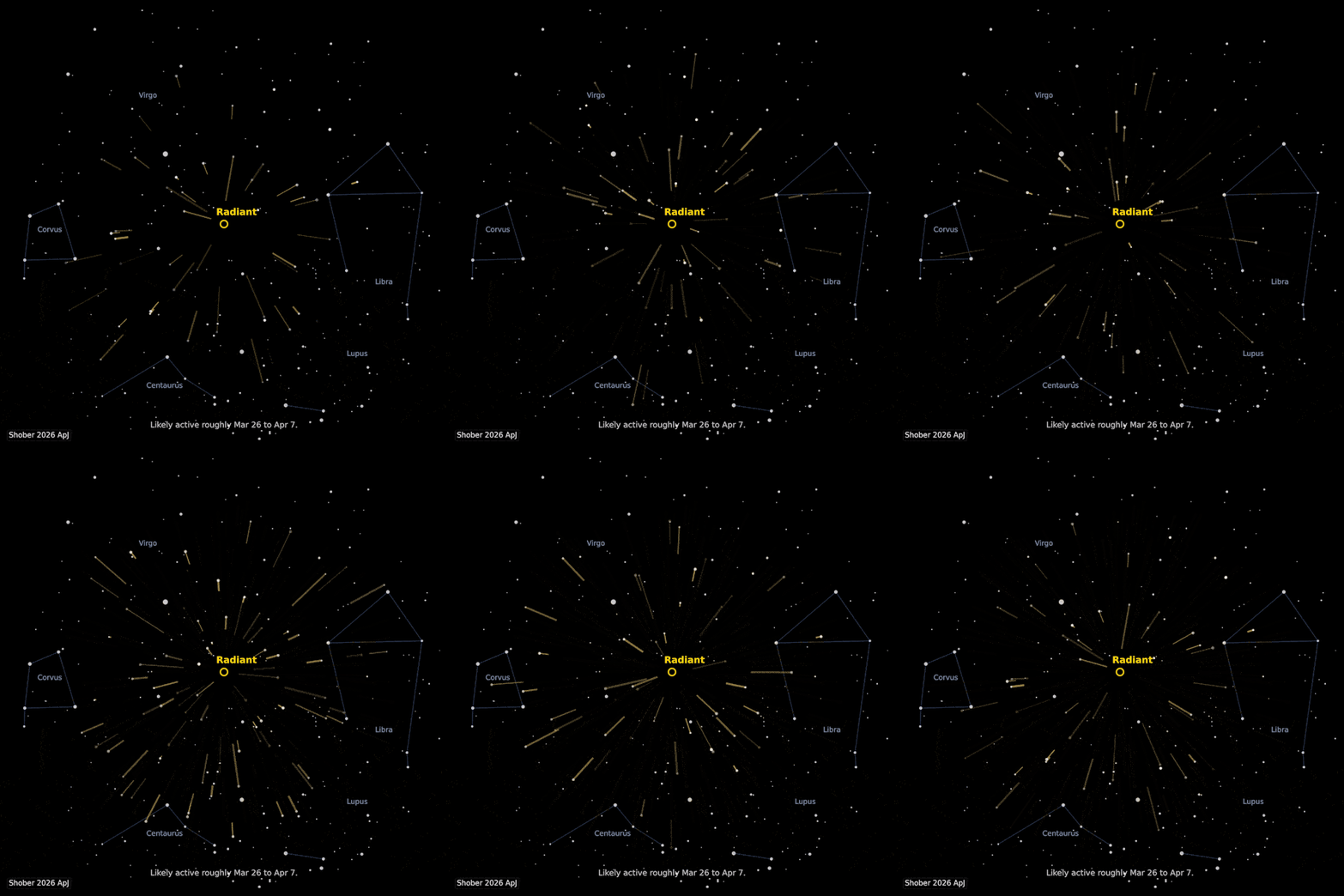 This diagram shows the radiant, the point in the night sky from which meteors of the newly discovered shower appear to originate.
Credit: Patrick Shober—NASA JSC
Meteor Showers: A Window Into Asteroid Behavior
Meteor showers are not just beautiful displays in the night sky; they hold crucial clues about the objects that generate them. These showers occur when Earth passes through the debris left behind by asteroids and comets. As these objects shed dust, gas, and larger fragments during close encounters with the sun, the debris travels along their orbits. Over time, this debris spreads out, but when Earth passes through these streams, the meteors burn up in our atmosphere, creating the dazzling streaks we see.
One of the most famous examples of an active asteroid is 3200 Phaethon, which is responsible for the Geminid meteor shower. Similar to the newly discovered asteroid, Phaethon sheds dust and fragments as it nears the sun, creating a meteor stream that has been observed annually for decades. This new discovery suggests that other asteroids, previously undetected, might be releasing similar debris, hidden in plain sight.
The Role of NASA’s NEO Surveyor in Future Discoveries
While the parent asteroid of this new meteor shower remains elusive, NASA’s upcoming NEO Surveyor mission, launching in 2027, offers the promise of a breakthrough. The NEO Surveyor will be a space telescope dedicated to finding asteroids and comets that pose potential threats to Earth. It will use infrared technology to spot objects that are too faint for traditional optical telescopes, offering an unprecedented view of the dark, sun-approaching asteroids in our solar system.
This mission could provide vital information about the asteroid that’s causing the meteor stream, potentially allowing astronomers to track its origin and better understand its behavior.