
Relative to the 1970s, electrotech today is cheaper, faster and more secure, bringing with it irreversible consequences for an even bigger segment of fossil demand.
Cheaper. Fossil fuels were already losing to electrotech on economics before the war. The war widens the gap. In power, solar plus storage now costs below $60 per megawatt hour (MWh) at a global level. The variable cost of LNG-fired power in Asia, at $20 per million British thermal units (MMBtu), exceeds $160 per MWh – nearly three times the cost of never needing fuel again. In transport, EVs compete with petrol cars on sticker price in most major markets, and undercut them by 60–80% per kilometre driven. For the internal combustion engine to compete with an EV in China, crude would have to fall below $15 a barrel.
Bigger. In the 1970s, oil in power was a tenth of oil demand – a small target. The vulnerable sectors today are far larger, and that has profound implications. Road transport is nearly half of oil demand; power is a third of LNG demand; low-temperature heat in buildings is a fifth of gas demand. And the alternatives no longer start small. In relative terms, solar and wind are over five times larger than nuclear was when the 1970s shocks hit. EVs are a quarter of global car sales and climbing fast. When the first 70s shock hit, electricity was 12% of useful energy. It is now over a third. A bigger alternative attacking a bigger target leaves a bigger mark.
Faster. Nuclear plants and new oil fields took a decade to build. A solar farm takes 18 months. A rooftop system, a couple of weeks. An EV can be bought and driven home that afternoon. This time, cutting dependency does not require permission: it can run at the speed of consumer choice, not bureaucracy. And the supply chain is ready. China already has the factory capacity to more than double 2025 sales of solar, batteries and EVs. What was once seen as “overcapacity” is now just capacity.
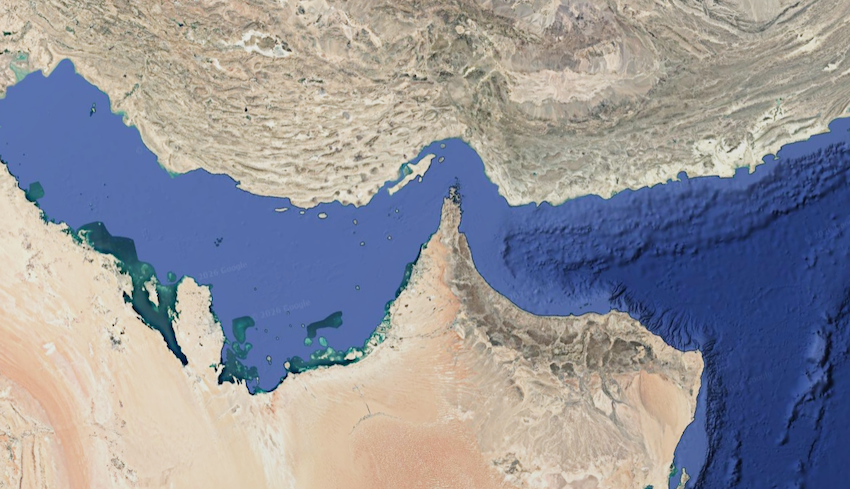
More secure. Even accounting for concentrated supply chains, electrotech is more secure than fossil fuels. Once installed, it is fuel-free: the sun cannot be sanctioned. The difference is between owning a house and renting one from a rapacious landlord. When Hormuz shut, taps ran dry, prices jumped, governments rationed, queues formed. None of this happens with electrotech: if your supplier cuts you off, you have thirty years to find another one. As Bill McKibben put it, sunlight travels 93 million miles to reach the Earth, none of them through the Strait of Hormuz.
Irreversible. Electrotech is a one-way door. Once installed, solar and wind have near-zero running costs, so no fall in fossil prices can lure demand back. EVs and heat pumps follow the same logic. Given they are cheaper to run, and locked in for a decade or more, the economic case for reverting never materialises. Even at end of life, almost nobody switches back to fossil tech.
Where the 1970s shocks saw demand bounce back in the 1980s glut, the glut of the 2030s will be permanent. With low running costs and falling prices, electrotech will keep winning even as fossil prices normalise.