
Scientists have found that a cell’s response to oxygen helps decide why salamanders and tadpoles regrow limbs while mammals do not.
That result turns a famous biological divide into a testable switch inside injured tissue, and it points at the first hours after amputation.
Inside the wound

In amputated limb samples kept alive outside the body, mouse tissue stalled in ordinary air while tadpole tissue kept rebuilding.
Working at Ecole Polytechnique Federale de Lausanne (EPFL), a team led by Can Aztekin linked that split to oxygen sensing rather than missing repair genes.
The researchers showed that mouse limbs could enter the same early program when oxygen dropped, which narrowed the gap sharply.
That did not produce a new leg, but it pushed the mystery back to the wound’s opening decisions.
Oxygen sets the pace
After amputation, cells must seal exposed tissue quickly or scar-forming repair starts to crowd out rebuilding.
Low oxygen stabilized HIF1A, a protein that helps cells sense oxygen, and that cue opened the door to regeneration.
Under higher oxygen, HIF1A broke down faster, so the mammalian program shut off before it could gather force.
That early fork helps explain how animals with many shared genes still end up healing in opposite ways.
Mouse cells wake up
Reduced oxygen made embryonic mouse limbs close faster and start forming the cell states linked to regrowth.
Skin cells became more mobile, which mattered because faster movement covered the wound before scar tissue could take over.
Metabolism also tilted toward glycolysis, a low-oxygen way to make energy, while gene-access patterns grew easier to open.
Those changes suggest mammals fail early not because parts are missing, but because the starting conditions are wrong.
Frogs ignore the warning
Frog tadpole limbs kept regenerating even at 60 percent oxygen, a level that would stop mouse tissue cold.
Their cells held HIF1A steadier because they produced less of the machinery that normally shuts that pathway down.
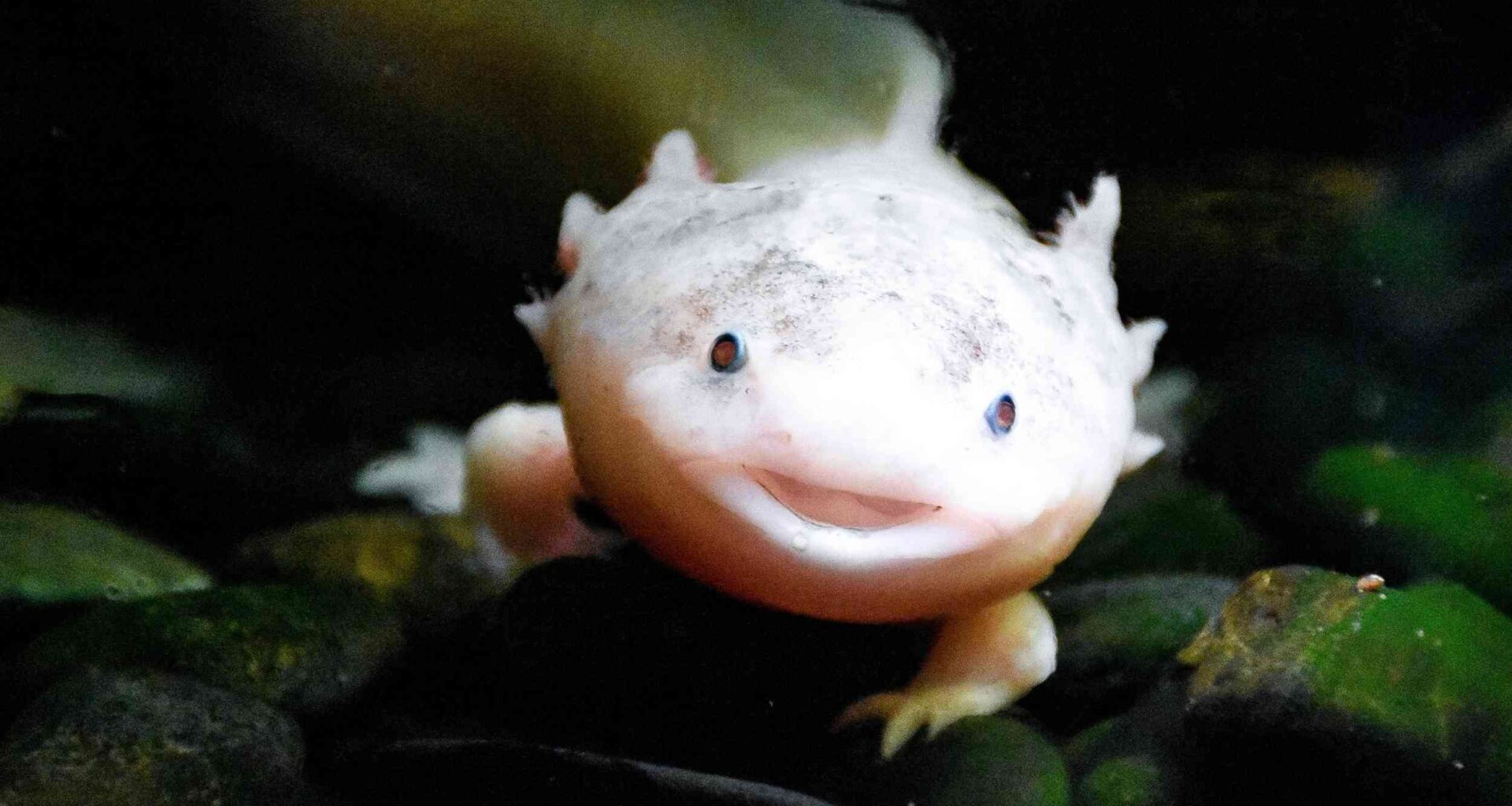
Axolotl results fit the same pattern, which tied the finding to salamanders as well as frogs.
That consistency makes oxygen sensing look less like a quirk of one model and more like a common rule.
Mammals are not blank
Mammals do keep a narrow slice of regenerative ability, because injured digit tips can sometimes grow back.
That exception matters because it shows the machinery is still there, even if most wounds never reach it.
Work on mouse digits found that softer tissue favors regrowth while stiffer tissue favors scarring.
Seen beside the oxygen work, that small success makes full limb loss look blocked rather than impossible.
Timing changes the answer
Age matters too, because frog tadpoles lose much of this talent as they move toward adulthood.
Earlier work by Aztekin showed that older frog limbs fail when the wound cannot form the right surface tissue.
The study linked maturing limbs to signals that push repair away from regeneration and toward scarring.
The new oxygen result fits that timeline by showing one more way a promising wound can be derailed.
Humans fit the pattern
When the team compared frogs, axolotls, mice, and human data, the same divide kept showing up.
Human cells looked more like mouse cells, with a stronger oxygen-sensing pattern likely to end regeneration early.
“For a long time, regeneration research focused on amphibians, while mammalian regeneration was rarely examined experimentally side by side in a comparable manner,” said Aztekin.
That comparison matters because it treats human healing as part of the same biology, not a separate puzzle.
Promise with real limits
None of this amounts to a regrown mouse leg, and the researchers did not claim anything close.
What they triggered was the first stage, where wound closure, cell behavior, and gene use all moved together.
“By directly comparing species that can and cannot regenerate, we bring a fresh perspective to a centuries-old question,” Aztekin said.
The findings show that mammalian tissues can activate early regenerative processes, outlining a clear and testable path toward encouraging limb regrowth in adults.
What salamanders offer
Salamanders still stand apart among vertebrates because they can replace tissues, organs, and whole limbs after injury.
A broad look at salamander limbs captured that record, which is why they remain the benchmark in regeneration biology.
The new work does not say mammals need salamander genes, only that one strong barrier may lie in oxygen sensing.
That reframes the problem from a vast evolutionary gulf to a cellular response that may be adjustable.
Across frogs, salamanders, mice, and human data, the message is that regeneration starts or stops in the wound’s first oxygen reading.
Future work now has a sharper target: change oxygen sensing early enough, and mammalian healing may be nudged away from scarring.
The study is published in the journal Science.
—–
Like what you read? Subscribe to our newsletter for engaging articles, exclusive content, and the latest updates.
Check us out on EarthSnap, a free app brought to you by Eric Ralls and Earth.com.
—–