
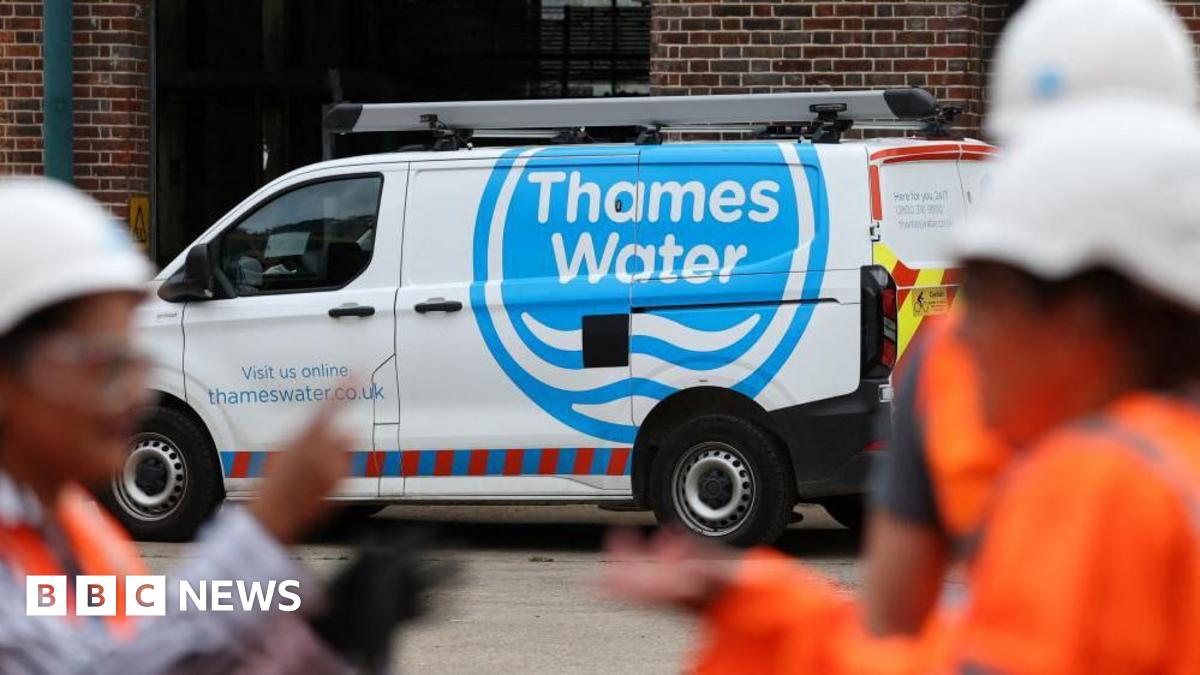
Thames Water is, in effect, controlled by a majority of its lenders who are owed nearly £18bn.
They are offering to write off over a quarter of that debt and inject now money in return for some leniency over future fines for missing pollution and leak targets in the future.
Hunter says that would be a bad outcome for Thames customers.
“They would appear to be negotiating and demanding a whole raft of regulatory concessions, which which cast doubt on the integrity of the regulation, and ultimately will be to a cost to the consumer. I think that is a very, very bad solution.”
The consortium of lenders, now known as London and Valley Water, has the backing of the Thames Water board.
The lenders told the BBC that CKI had its chance to make a good offer for Thames during a bidding process run by the investment bank Rothschilds but failed to present a competitive bid.
“London & Valley Water has submitted to Ofwat a further improved proposal for the turnaround and recapitalisation of Thames Water. Experienced investors would provide up to £10 billion of new private capital to stabilise and transform Thames Water”
The government has consistently said it would prefer “a market-based solution” and said it could not comment on ongoing negotiations.
The Department for Environment, Food and Rural Affairs said: “The government will always act in the national interest on these issues.
“The company remains financially stable, but we stand ready for all eventualities, including applying for a special administration regime if that were to become necessary.”