
How to choose fish sustainably
Making responsible choices can be a complicated endeavour, as made clear by the regional and method-based differences highlighted in the Good Fish Guide.
“For example, the sustainability of scampi or langoustine – which are the same species – really depends on how it’s caught,” says Kerry Lyne, the Good Fish Guide manager. “Langoustine caught with pot or creel has a much lower impact on the environment than if it is trawled, which involves dragging nets suspended from heavy beams along the seabed.”
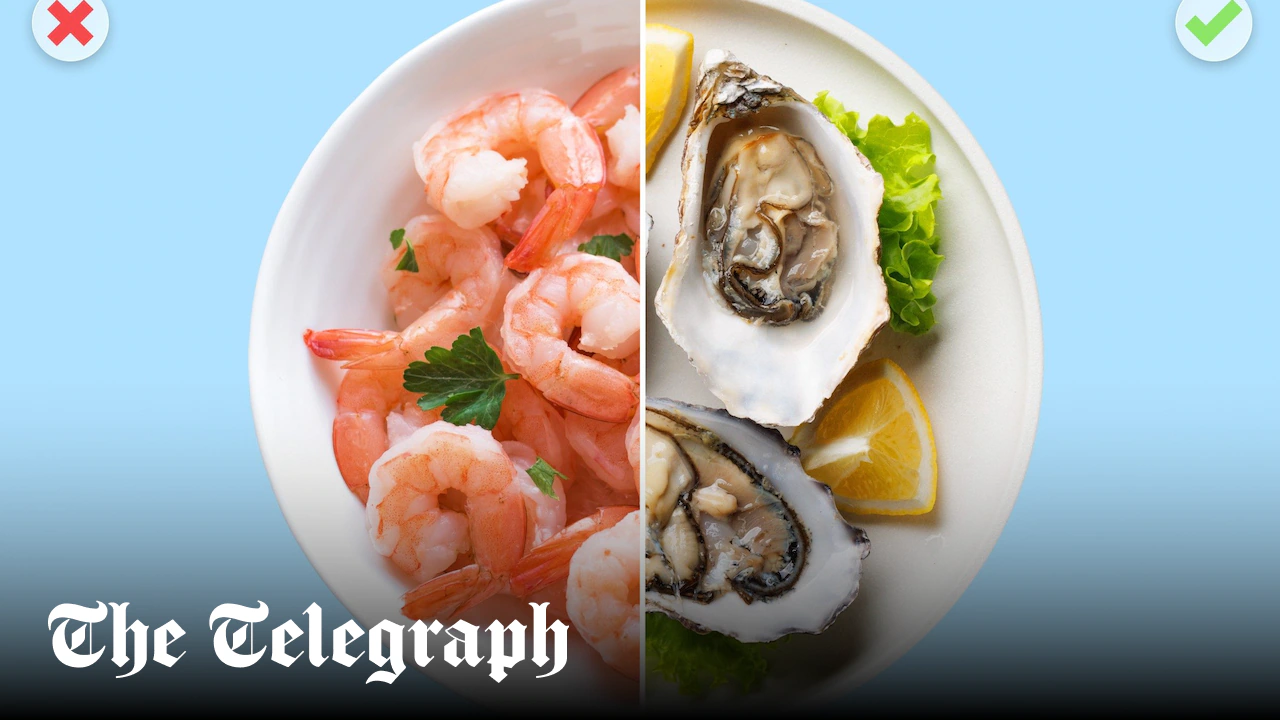
Dredging, widely used to harvest scallops, clams and oysters, can also destroy the seabed and unintentionally catch vulnerable species. Pots, traps, hand lines and pole lines, meanwhile, are considered the most sustainable fishing methods.
It’s something Mitch Tonks, a chef who runs the Seahorse restaurant in Dartmouth and the Rockfish chain of restaurants in the South West, recognises. “That’s why we took dredged scallops off all our menus at Rockfish a few years ago and now use either hand-dived or Disco, a new innovative, low-impact method which we’ve championed from the very start,” he says.
Tonks further advocates that Britons buy local, though he points out that beam trawlers are a long-established part of the British fishing fleet, responsible for catching 90 per cent of the fish landed at Brixham and Newlyn, two of Britain’s biggest fish markets. “If you say you shouldn’t eat anything from a beam trawler, you’re suggesting something that’s unattainable,” Tonks says. “My view is, buy British, know which fishing port the fish is from, and let’s hope that we can put enough pressure on the industry so it can change itself.”
He urges consumers to choose fish carrying the “blue tick” eco-label, which is applied only to MSC-certified seafood, a standard for which he is an ambassador. The vast majority of cod and haddock sold in UK supermarkets now carry the MSC label, making certified options widely available. The best farmed seafood options carry the ASC label.
Whether you vow to buy British seafood, opt for blue-tick fish or swot up on fishing techniques, every small effort can lead to changes for the better.
Other Marine Conservation Society recommendations…Haddock from the North Sea, west of Scotland and IcelandSea bass from the North Sea, English Channel and Celtic Sea, or ASC-certified farmed in EuropeAlaska pollock caught in the Gulf of Alaska and the Bering Sea, if MSC-certifiedMonkfish caught in the North Sea or by otter trawls in the Celtic Seas and Bay of Biscay