
Petrol and diesel prices have soared since the US and Israel launched wide-ranging strikes on Iran on 28 February and Iran effectively shut the Strait of Hormuz – a crucial global waterway for oil and gas transport.
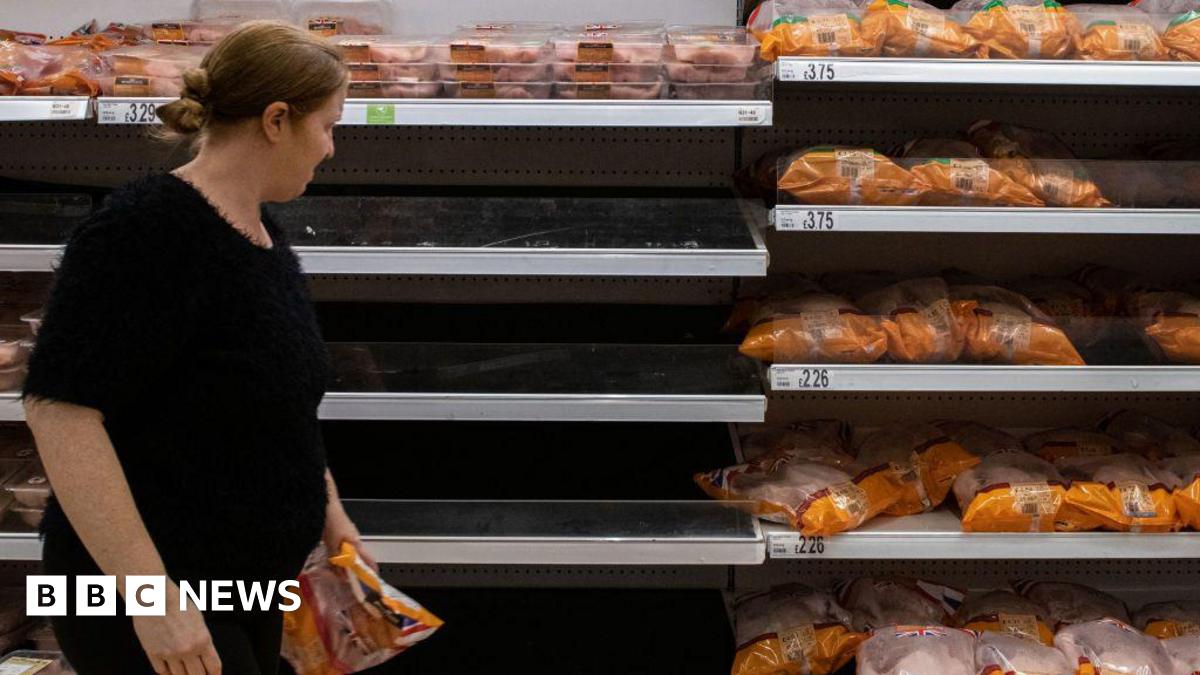
Iran’s blockade has led to higher costs globally for fuel and fertiliser, both crucial elements of food production.
Last month, the government decided to shore up the UK’s critical carbon dioxide supplies by temporarily restarting the Ensus bioethanol plant after it was mothballed in September.
The plant manufactures bioethanol, which produces CO2, and was shut after the government struck a trade deal with the US to remove a tariff on American ethanol imports into the UK.
Earlier this week the International Monetary Fund warned that the war could plunge the global economy into recession, with the UK set to be the hardest hit of the world’s advanced economies.
The National Farmers’ Union has said that the price of cucumbers and tomatoes could rise over the next six weeks, with the cost of other crops and milk increasing in the next three to six months.
US President Donald Trump has suggested talks aimed at ending the war in Iran could resume this week, after negotiations collapsed at the weekend, prompting the US to blockade Iranian ports.
On Wednesday Chancellor Rachel Reeves said the US made a “mistake” by ending diplomatic negotiations with Iran and entering into military conflict.