
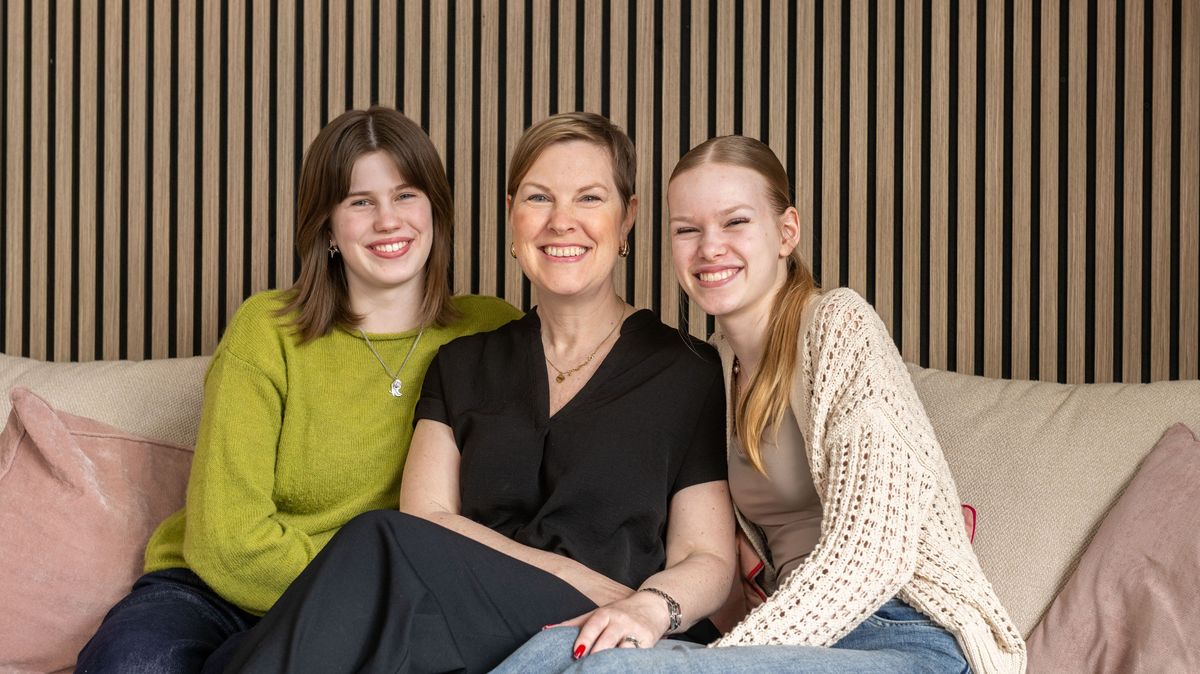
Emma Ward says there are ‘so few options for treating brain cancers’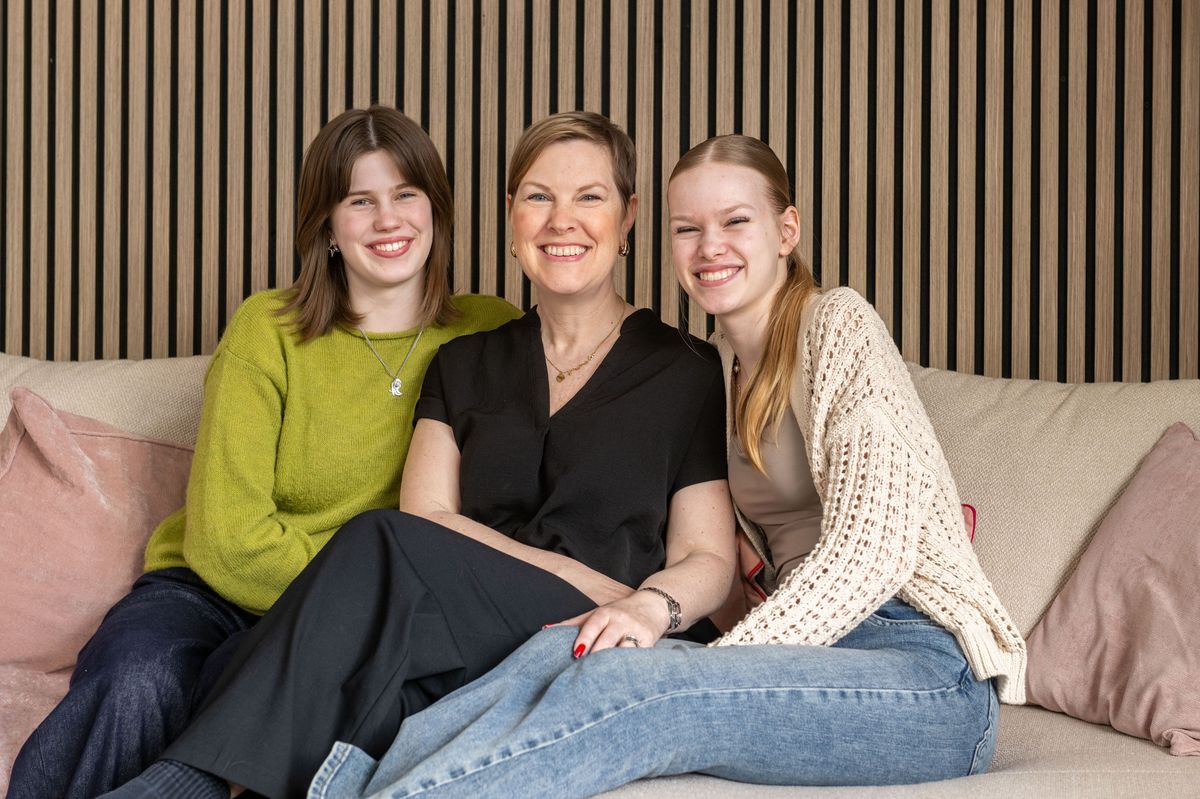
With few clinical trial opportunities, mum Emma Ward travelled abroad for treatment, funded by £145,000 raised by friends and family(Image: Jonathan Pow)
New ground-breaking brain cancer clinical trials designed to improve survival and quality of life will be available in Hull for people with glioblastoma, the most common type of brain cancer. The move has been welcomed by 47-year-old mum, Emma Ward, who was diagnosed with a brain tumour.
Funded by Yorkshire Cancer Research, EPIC-GB, a £6.9mn programme of clinical trials, led by experts at the University of Sheffield and the University of Glasgow, aims to transform how cancer drug treatments are tested for people with recurrent glioblastoma, so they can access new and potentially life-extending treatment options. Glioblastoma is the most common and fastest-growing type of brain cancer.
Most people diagnosed with the disease will see recurrence within the first year, meaning the cancer has returned after earlier treatment. Each year in Yorkshire, around 247 people are diagnosed with glioblastoma and, sadly, around 181 people die.
After being diagnosed with brain cancer last year and facing limited treatment options in Yorkshire, mum-of-two Emma is sharing her experience. She wants to highlight the urgent need for more research and champion the difference EPIC-GB could make for people in Yorkshire.
In early 2025, Emma first experienced problems with her spatial awareness and co-ordination. While driving her daughter to dance class, she was unable to hold her car keys to turn the ignition on, and then four weeks later, could not pick up her fork to eat her lunch at work.
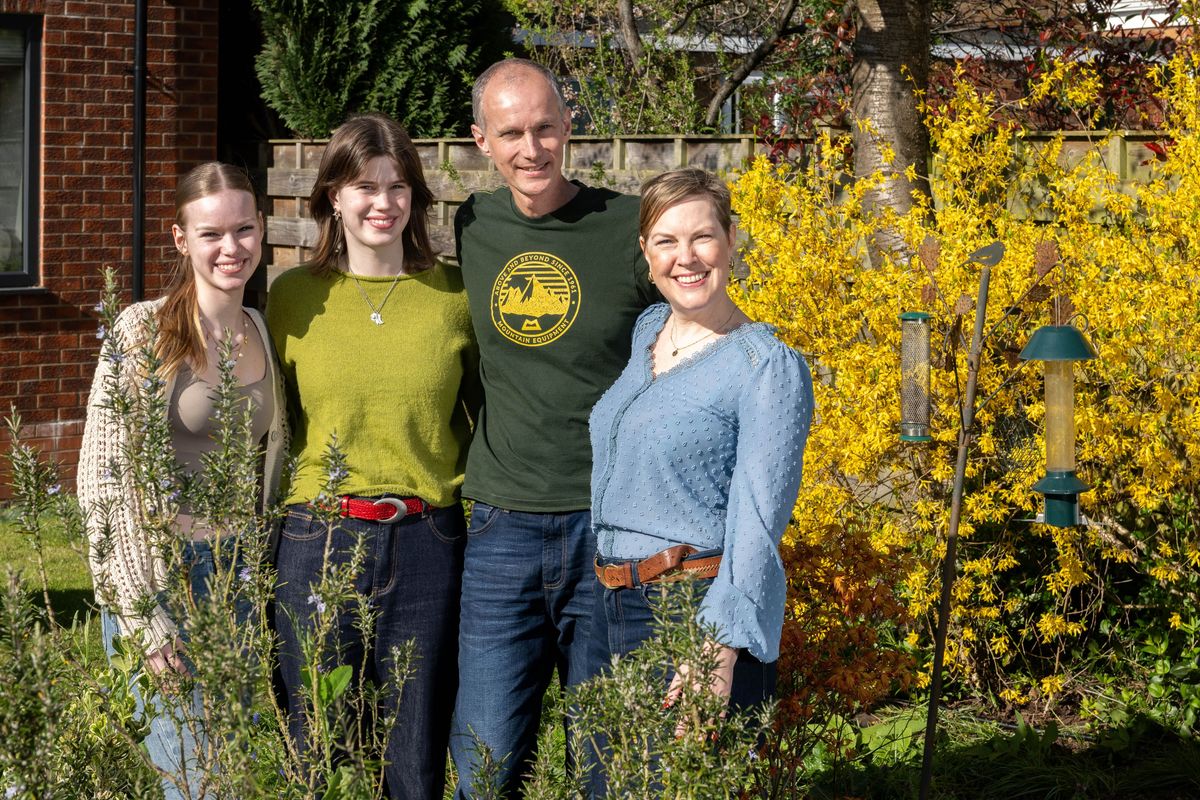
After facing limited treatment options in Yorkshire, Emma Ward is sharing her experience(Image: Jonathan Pow)
A CT scan revealed Emma had a tumour in her brain. Following surgery at Hull Royal Infirmary, Emma was told her tumour was cancerous and classed as grade four – the fastest growing type of brain tumour. She went on to complete a six-week course of radiotherapy alongside chemotherapy, which she finished in January.
Emma, who is from York, made considerable efforts to access additional treatment through clinical trials but soon found that availability for people with brain cancers in Yorkshire was extremely limited. With few options, she travelled abroad to access an immunotherapy treatment, funded by £145,000 raised by friends and family.
She said: “With no further options for me in the UK, I couldn’t just sit and wait to die. All I could think about was the extra time this treatment could give me with my husband and my daughters.
“My friends did everything they could, and I was completely blown away by the kindness and generosity people showed. But it shouldn’t have to be like this. Too many people lose their lives because there are so few options for treating brain cancers.”
Reflecting on the potential impact of the EPIC-GB trials being developed in Yorkshire, Emma said: “It feels as though brain cancers have been placed in the ‘too hard’ box’, so investment in research is held back out of fear nothing will work and survival rates can never improve. Research around the world is showing there is hope for improvement, and Yorkshire Cancer Research is helping to bring hope right here to our region.”
Emma’s most recent scan in March showed her tumour is currently stable. She has since travelled abroad for a second course of treatment and is continuing to work and spend valuable time with her loved ones.
Emma said: “For families like mine facing brain cancer, time means everything. Research like EPIC-GB is the only way to give families more time to make memories together.
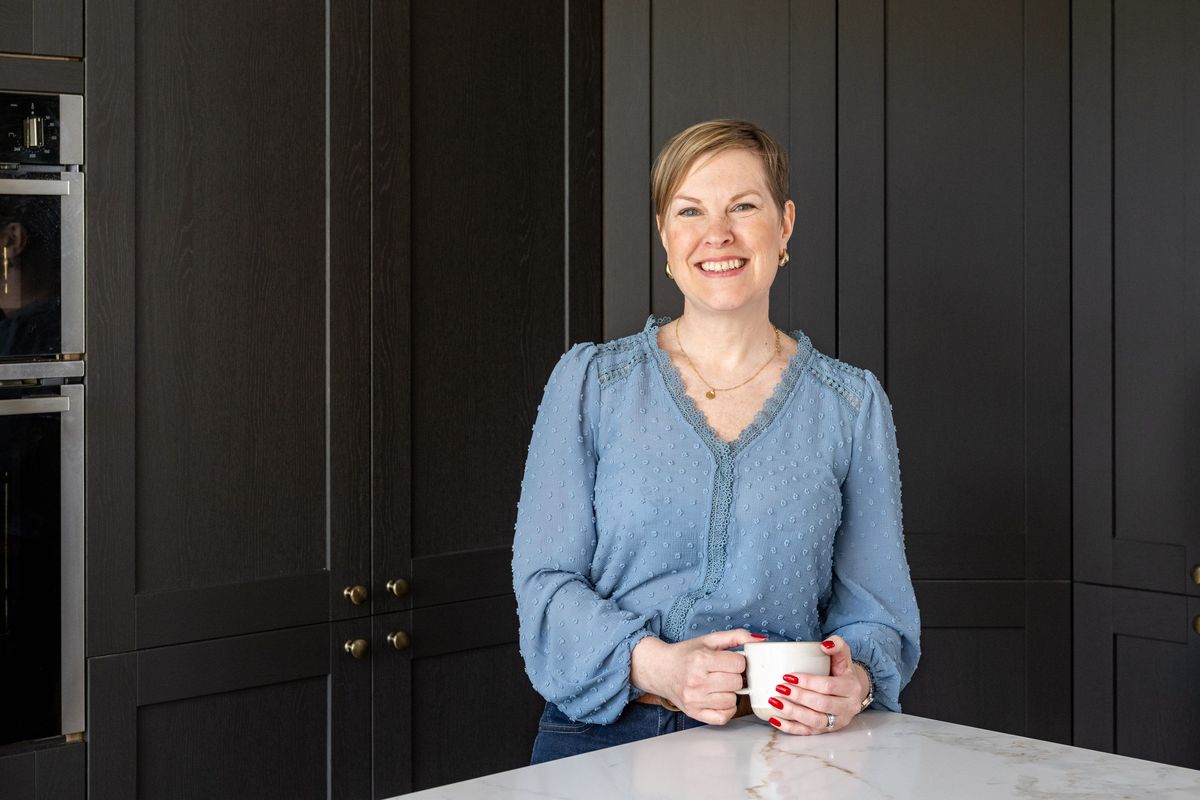
Emma Ward wants to highlight the urgent need for more research and champion the difference EPIC-GB could make for people with glioblastoma(Image: Jonathan Pow)
“When the time comes, I don’t want my daughters and husband to think of me in hospital or going through treatment. I want them to remember the trips we took, dancing in the kitchen, the laughter and all those happy times we shared as a family.
“Only through more research can we give families more of those memories.” Unfortunately, many cancer drugs are ineffective in treating people with glioblastoma because they are unable to reach the tumour due to a protective layer around the brain called the blood-brain barrier.
This challenge has played a key role in the lack of significant breakthroughs for treating glioblastoma since 2007. The EPIC-GB trials would enable people to start trial treatments before surgery.
Tumour tissue removed during the operation can then be studied, creating a valuable “window of opportunity” to quickly understand which drugs reach the tumour and are likely to be effective. By identifying promising treatments as early as possible, people with recurrent glioblastoma can continue those treatments, or stop them early if they do not get into the brain.
This helps the person avoid unnecessary side effects and move to alternative and potentially more effective options more quickly. Delivered through dedicated Centres of Excellence for brain cancer, the new trials, pioneered in Yorkshire, will be offered to people living with recurrent glioblastoma in Hull, Sheffield and Leeds, as well as Edinburgh, Manchester and Nottingham.
These centres will bring together the NHS, researchers, pharmaceutical companies and people affected by cancer, enabling people to access new treatments closer to home that could give them more time with loved ones. People affected by cancer play a vital role in shaping how EPIC-GB will be designed and delivered.
Co-lead researcher of EPIC-GB, Mr Ola Rominiyi, is a brain cancer surgeon and researcher in Sheffield who is pioneering new and better ways to treat people with brain cancer. He said: “Despite our best efforts, current treatments for fast-growing brain cancers are not good enough to resist the aggressive nature of the disease and they remain challenging to treat.
“People in Yorkshire have also historically faced fewer opportunities to take part in research for glioblastoma. Boldy supported by Yorkshire Cancer Research, we’re optimistic this new study is a vital step forward, ensuring more people can access promising new treatments and giving hope where options have too often been limited.”
You can find out more about EPIC-GB at yorkshirecancerresearch.org.uk
Did you know you can make Hull Live a preferred source of Hull news in Google, which will mean you get more of our breaking news, exclusives, and must-read stories straight away? Here’s more information about what this means and how to do it – you can also do it straight away by clicking here .