
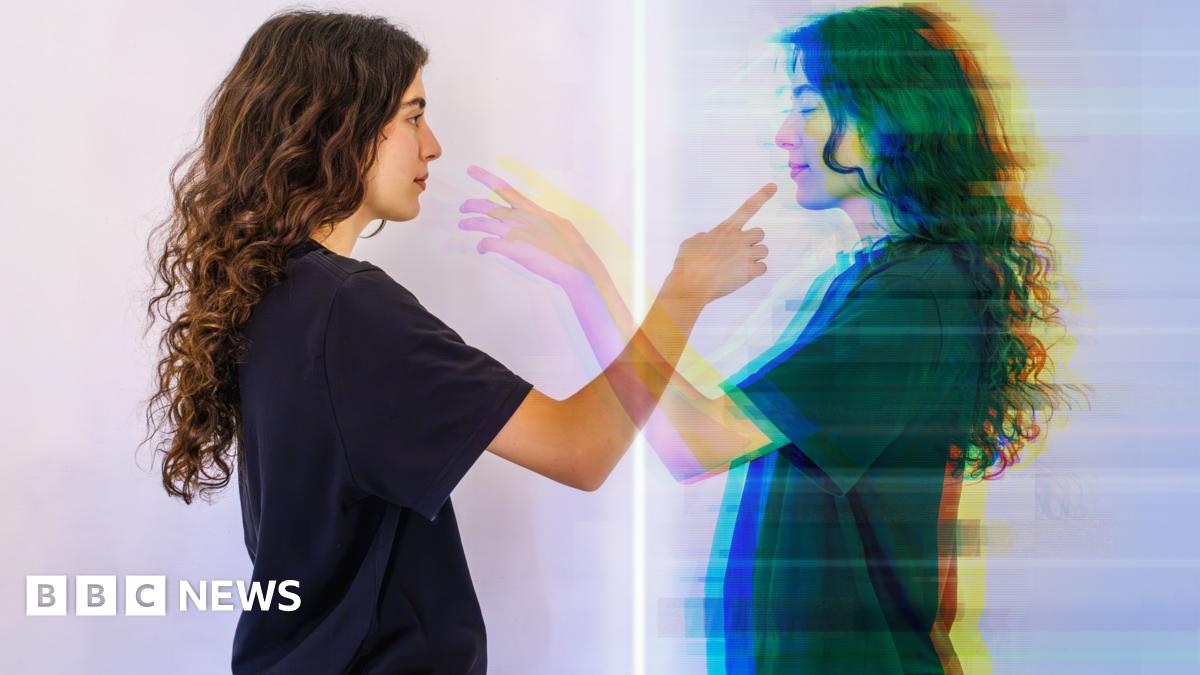
Josh Bersin is the founder and CEO of The Josh Bersin Company, a consultancy for HR leaders. Bersin started creating a digital twin for himself and the 50 or so people in the company about a year ago, using technology developed by a San Francisco-based startup called Viven.
Finding out the status of a particular project or client account can now happen via a quick question to the relevant person’s digital twin, rather than a meeting, call or email.
Bersin has coined the term “superworker” for how AI is amplifying what an individual can achieve at work.
“People don’t have the energy to have another conference call to talk about this and that. But you can wake the digital twin up in the middle of the night and talk to it for an hour – it doesn’t care. It’s incredibly valuable,” says Bersin, who is based in Oakland, California.
While the company is growing at around 30% per year, Bersin only needs to make up to two new hires a year because of how much more productive everyone’s digital twin is making them. As a result, he’s been able to increase the amount given out in staff bonuses each year.
“The economic value of each person increases. If you’re a valuable digital part of the company, why wouldn’t the company pay you more?” says Bersin.
But where he and Skellett differ in view is on ownership.
“I’m pretty sure the way employment contracts work in most countries is that the IP or the information that you’re creating is the property of the business, not yours personally,” says Bersin.
“But if you think about it logically, if somebody leaves a company, their twin’s going to decay in value over time, because the things going on keep changing and they don’t. So after a while, I don’t know if the twin would be that useful.”