
Now his widow is still demanding Government changesElla Pickover and Jane Kirby, Press Association and Rob Andrews Head of Content
06:00, 18 Apr 2026
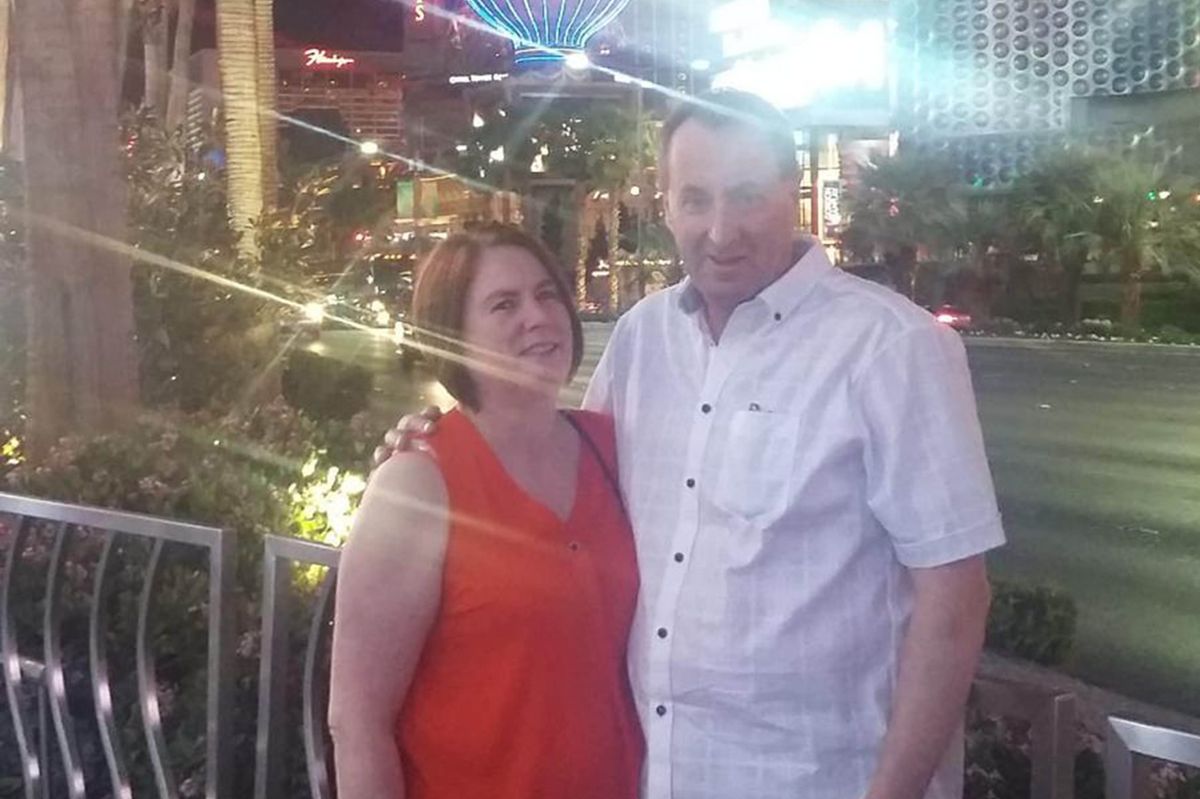
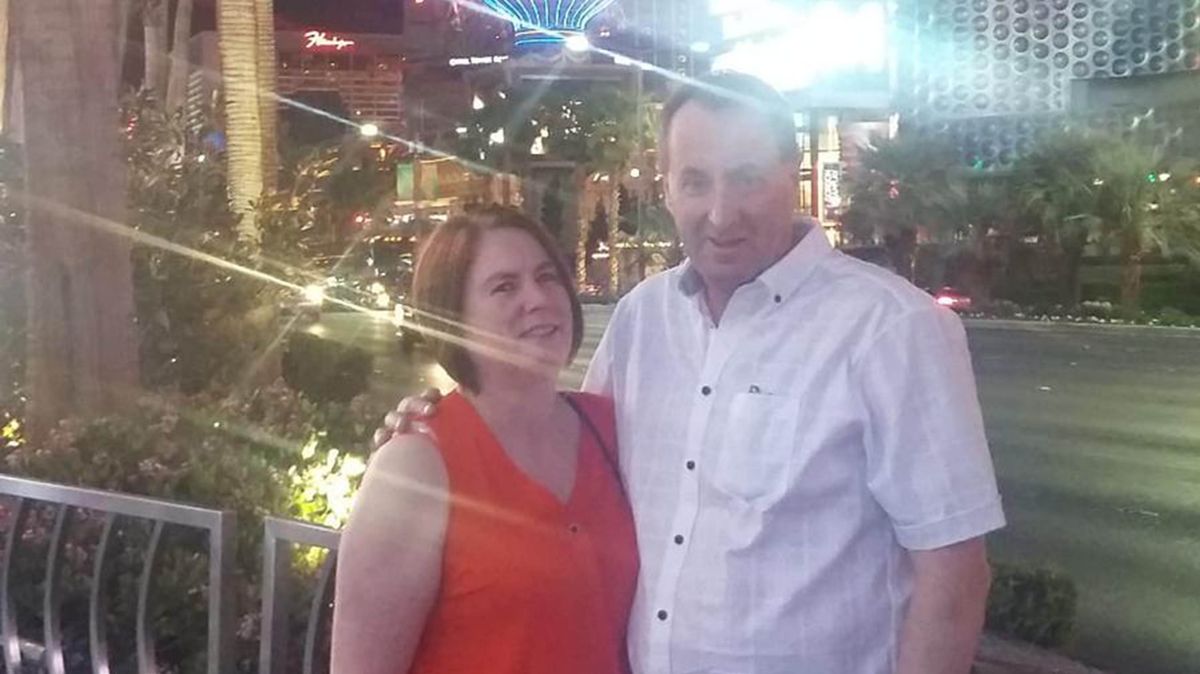
Stephen and Sheila Ward (Picture: Family Handout/PA Wire)(Image: Family Handout/PA Wire)
A woman has described how she faced the decision of turning off her husband’s life-support machine just 11 days after he received a Covid-19 jab. Stephen Ward was rushed to the Royal Stoke University Hospital 10 days after getting the AstraZeneca Covid-19 vaccine in 2021.
The 57-year-old, from Newcastle-under-Lyme, had signs of a stroke including problems with his speech and limb weakness. Stephen, who had worked for the Co-op for four decades, had developed a blood clot and medics battled to save his life.
But the next day his family was told the bleed was too severe for him to survive and a decision was made to turn off his life support.
Covid rules meant just 30 people were able to attend his funeral service and cremation at Carmountside Crematorium in April 2021.
“Stephen was one of those people who would help anybody do anything,” his wife Sheila Ward told the Press Association. “If your car wouldn’t start in the morning he would help you, if you were unwell he would mow your grass, he was just one of those community-minded people.”
She went on: “We had both had Covid back in the November before the vaccines were rolled out, so from our point of view there was no urgency to take the vaccine. It was just the obvious choice really – to take the vaccine to protect loves-ones, and like everyone else we wanted to get back to normal.”
Mrs Ward had to wait for almost a year for a coroner to confirm that his death was a “result of complications of medical vaccination”.
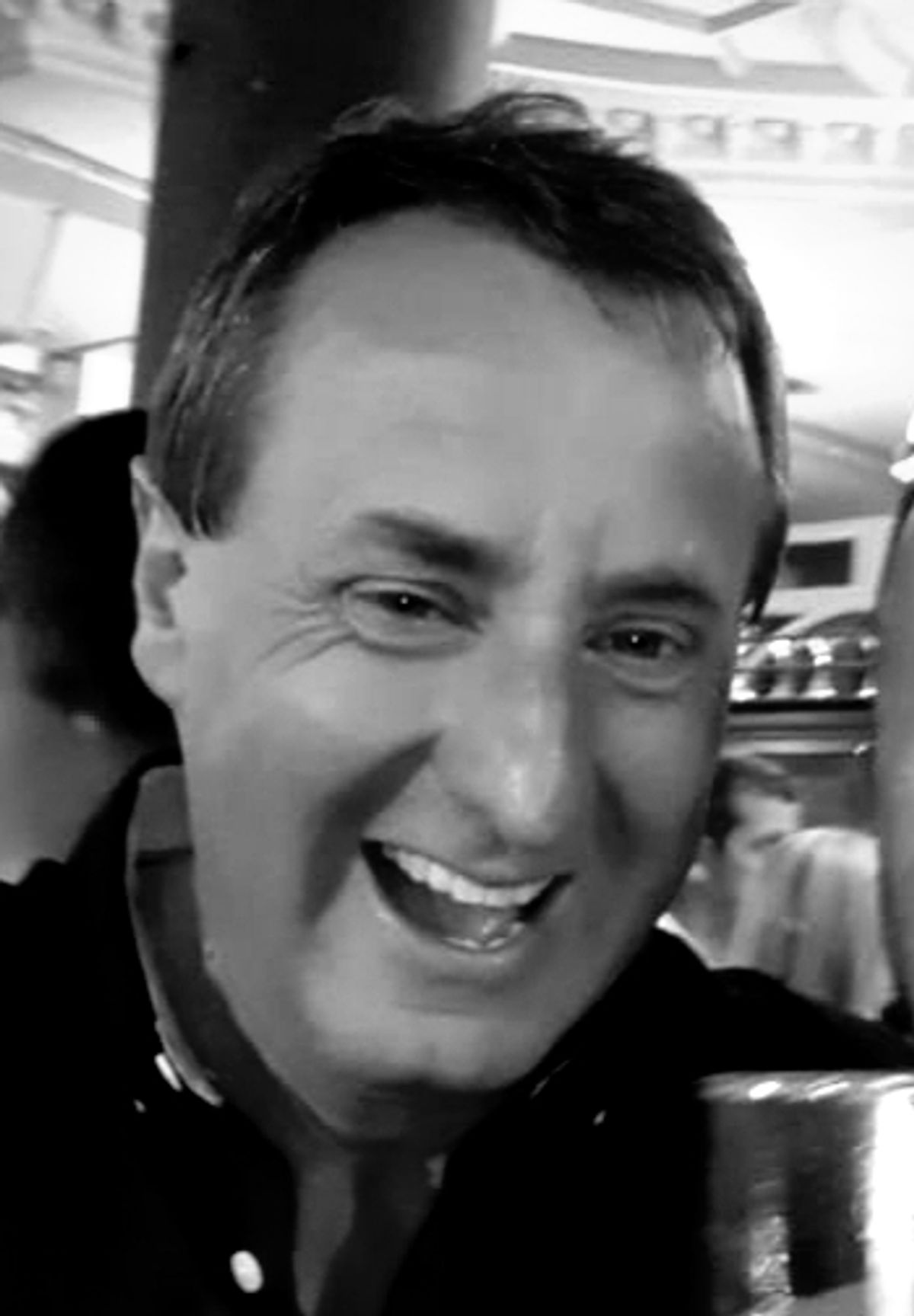
Stephen Ward
Mrs Ward is a member of Vaccine Injured and Bereaved UK (Vibuk). The group has been calling for reform of the Vaccine Damage Payment Scheme – which currently sees eligible people given a one-off payment of £120,000.
The calls have been echoed in the latest report from the pandemic probe, with Inquiry chairwoman Baroness Heather Hallett saying the scheme is “not sufficiently supportive” and requires “urgent reform”.
The probe highlights how the vaccine response was a “success story”, and says that by March 2023, 475,000 lives had been saved by Covid-19 vaccines in England and Scotland. But it acknowledges that there were “rare cases” of people suffering serious injury or death as a result of vaccination.
Lady Hallett said: “Tragically, a number of people suffered harm as a result of having a vaccine. This was a small minority compared to the overall scale of the vaccination programme, but of no less importance to the individuals affected and their families.”
She recommended that there is an increase to the minimum payment – which was last revised in 2007 – saying the current payment is “too low”.
The payout should increase in line with inflation, the report says, which would mean it would now be in an “excess” of £200,000, and this should rise with inflation.
And Lady Hallett calls for a “fairer system” for determining payment.
She also called for regulatory bodies to have access to healthcare records for safety monitoring for new vaccines and therapeutics.
Solicitor Terry Wilcox, of Hudgell Solicitors – which has represented some of the vaccine injured groups, said: “The Inquiry rightfully provided a platform for their stories to be heard, and what they are calling for is simple. They deserve acknowledgement of the impact on their lives, which for many has been life-changing illness and loss of loved ones, and changes made to ensure they are properly supported, and that lessons are learned for the future.”
A group of 48 claimants who have been seriously injured or bereaved as a result of a side-effect of the AstraZeneca Covid-19 vaccine are represented by Leigh Day partner Sarah Moore.
“The Vaccine Damage Payment Scheme, in its current form, fails to provide timely or adequate support to those who have been seriously injured or bereaved due to vaccine side effects,” she said.

Stephen Ward and colleagues outside Chesterton Co-op in 2019(Image: Stoke Sentinel)
The AstraZeneca Covid-19 jab, also known as Vaxzevria, was withdrawn from the market in May 2024.
In December 2020, the vaccine became the second Covid-19 jab to be approved for use in the UK and former prime minister Boris Johnson hailed it as a “triumph for British science”.
Vaccine makers agreed that it could be manufactured on a not-for-profit basis for the duration of the pandemic across the world, and in perpetuity to low and middle-income countries.
Billions of doses were created and made available across 183 countries.
Estimates suggest that the roll out of the jab saved 6.3 million lives around the world.
On April 7 2021, the Medicines and Healthcare Products Regulatory Agency (MHRA) issued updated information on the “possible risk of extremely rare and unlikely to occur specific types of blood clots” following vaccination with the AstraZeneca jab.
AstraZeneca said in a statement: “Our sympathy goes out to anyone who has lost loved ones or reported health problems. Patient safety is our highest priority.
“From the body of evidence in clinical trials and real-world data, the Oxford-AstraZeneca vaccine has continuously been shown to have an acceptable safety profile and regulators around the world consistently state that the benefits of vaccination outweigh the risks of extremely rare potential side effects.
“We are incredibly proud of the role the Oxford-AstraZeneca played in ending the global pandemic.
“According to independent estimates, over six million lives were saved in the first year of use alone and over three billion doses were supplied globally.
“Our efforts have been recognised by governments around the world and are widely regarded as being a critical component of ending the global pandemic.”
Get even more North Staffordshire exclusives – and it is free