
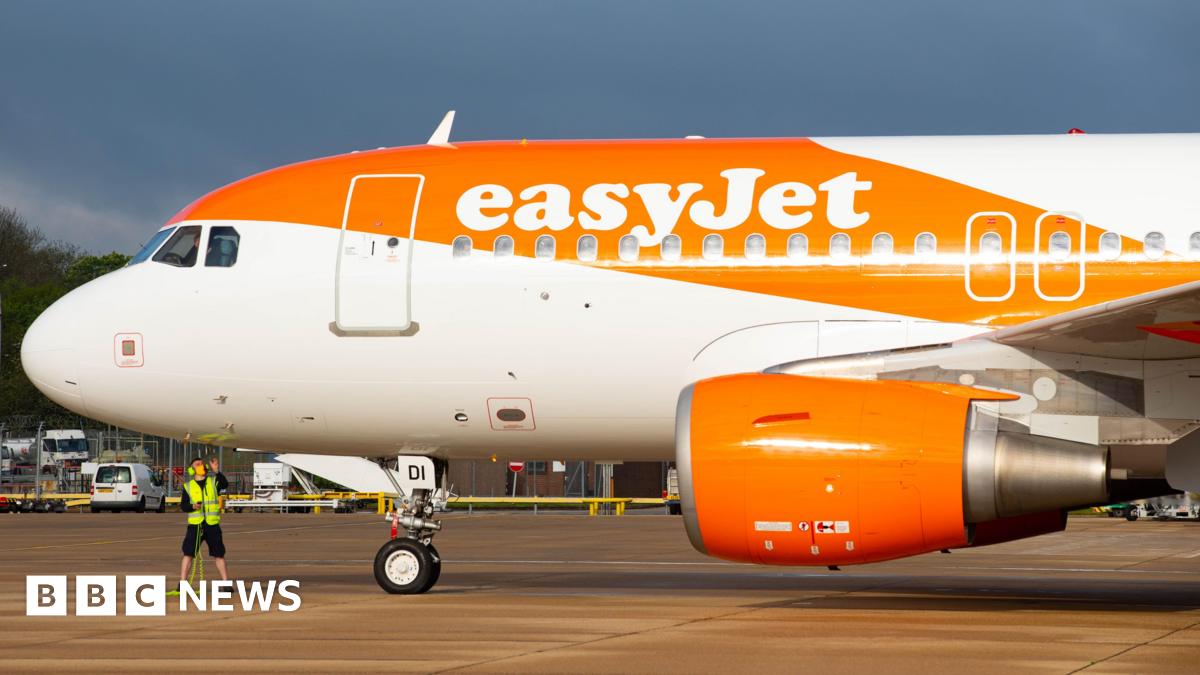
The direction and strength of the wind can also affect lift and Guy Gratton, a professor of aircraft test and evaluation at Cranfield University, believes this was the problem for EasyJet’s flight EJU7008 from Southend.
“The wind, being 50° off the runway heading, would give almost no headwind. Headwind is usually there – in England the wind is usually from the south-west, [which is] aligned with Southend’s runway, which points at 230°, and helps shorten take-offs,” he says.
“On this occasion, it wasn’t and there may as well have been almost no wind at all. This would be quite unexpected and can indeed cause problems,” he adds.
The problems were spotted when the safety calculations were done, the airport says.
One way to overcome the problem, Gratton adds, is for the aircraft to travel further along the runway to give it time to reach the necessary thrust.
At Southend Airport, however, this was not possible as although the runway was extended in 2012, it is still relatively short at 1,856m (6,089ft).
By comparison, Stansted Airport’s runway is 3,049m (10,003ft) and Luton Airport’s is 2,162m (7,093ft).
Gratton says another way to address the issue is to make the plane lighter, which usually mean passengers disembarking or removing luggage.
He adds it is a “straightforward solution and it was quite right that EasyJet’s dispatcher and captain would not take-off until the airplane was within limits”.