
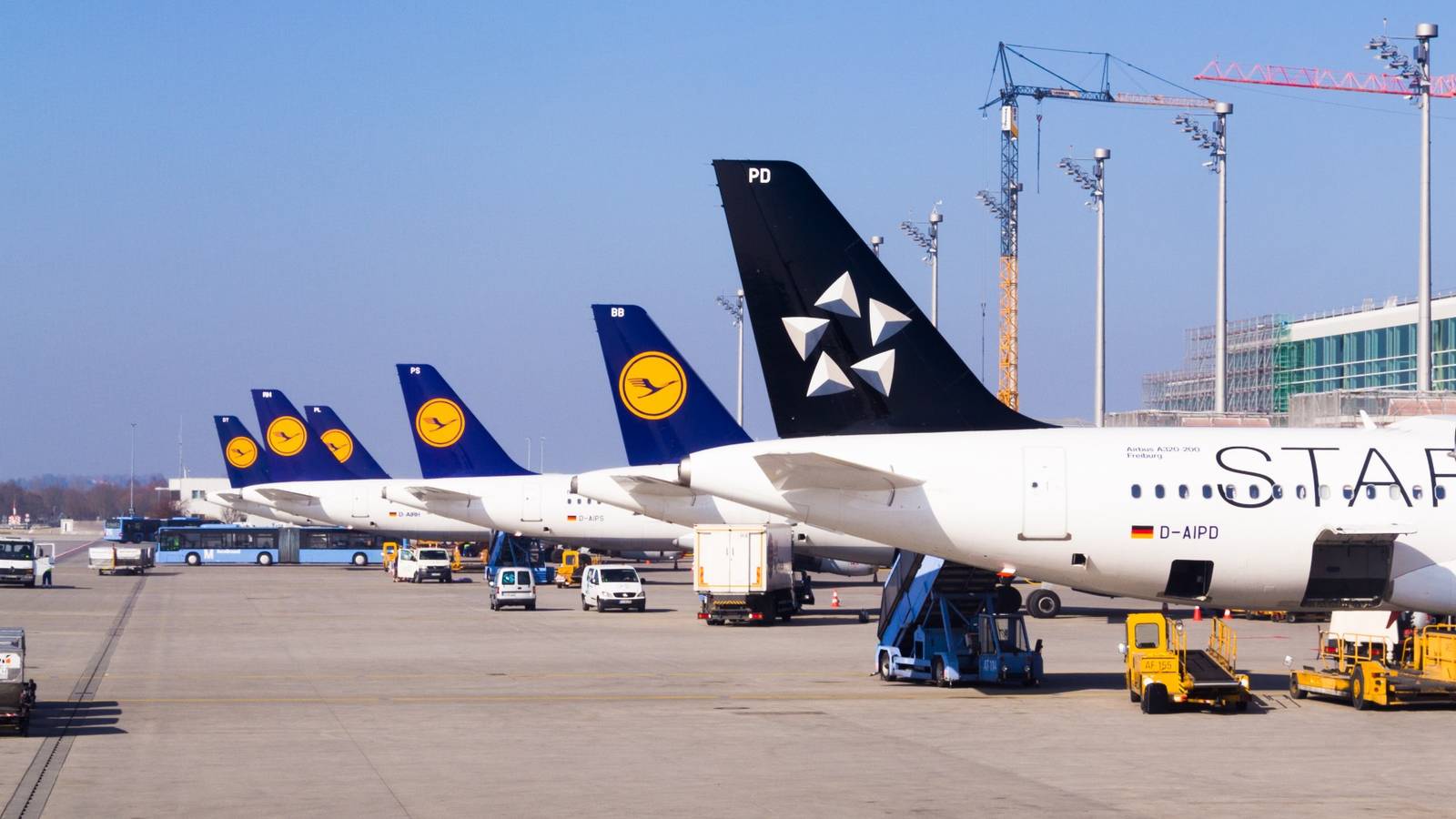
The European Union (EU) looks to diversify its fuel import sources, as the ongoing conflict in the Middle East has left the region with depleting jet fuel reserves. Because half the fuel imported to the EU originates from the Middle East, countries in the region are now looking to increase their fuel imports from the United States and Africa.
While some progress is being made in terms of the ceasefire and peace talks in the Middle East, nothing is finalized yet, and therefore, European airlines are preparing for any potential supply crunch, as the region is estimated to have enough jet fuel reserves for another six weeks.
Six Weeks Of Jet Fuel On Reserves
Credit: Shutterstock
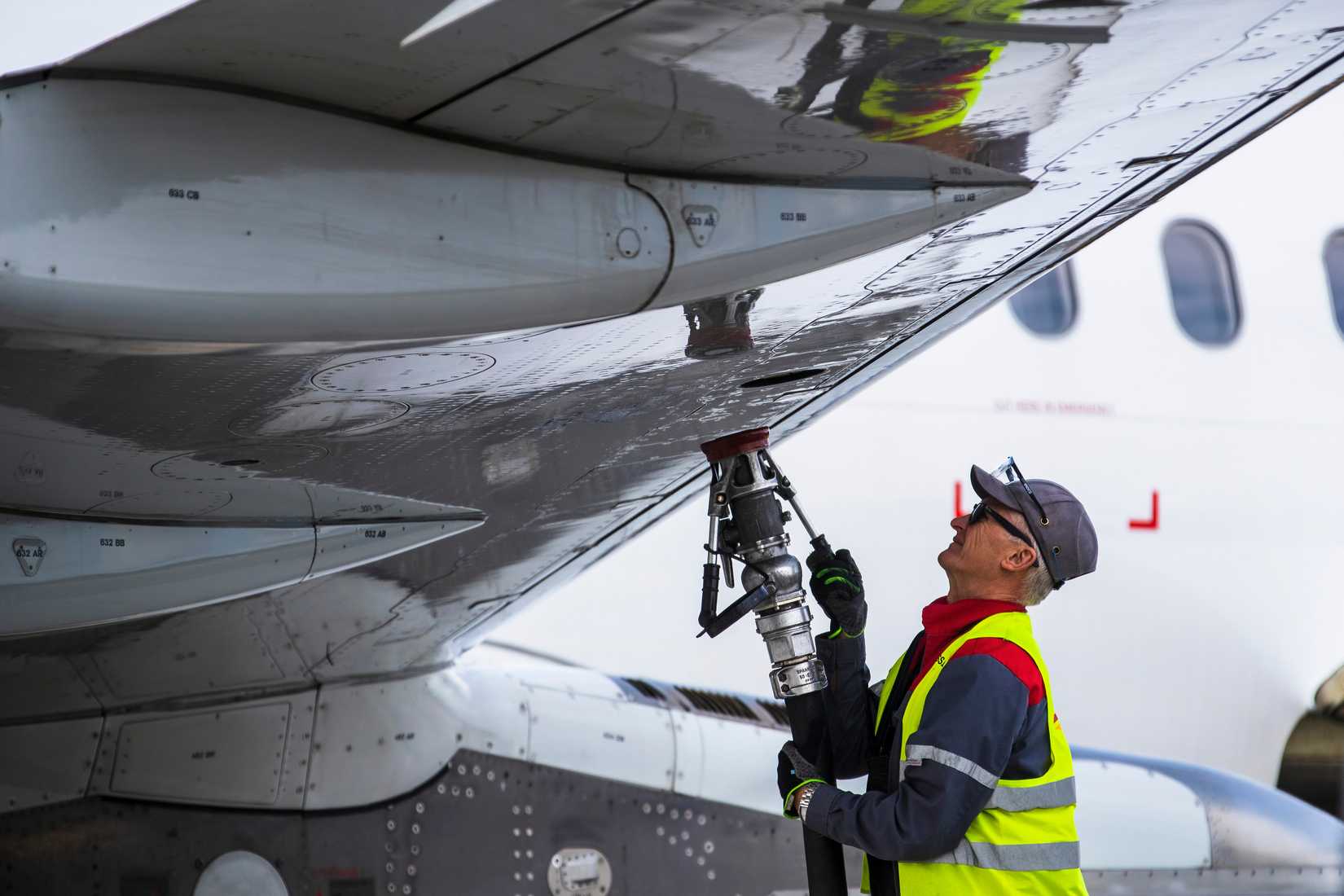
With the ongoing conflict in the Middle East now hitting the six-week mark, the global aviation industry has been affected in a number of ways. Latest reports from Reuters indicate that the European Union is now running low on jet fuel, with airlines in the region indicating that they only have access to 42 days, or six weeks’ worth of jet fuel. This has now forced countries to look elsewhere for their fuel supply.
The EU imports about 30 to 40% of its overall jet fuel, of which around half originates from the Middle East. However, due to the complexities of the conflict and the closure of the Strait of Hormuz, it has severely impacted fuel supply to the EU (and to the rest of the world, for that matter). As such, the EU is looking to diversify its sources by increasing imports from other nations, notably the United States.
Airlines have begun preparing for potential fuel rationing, and are aware they might have to start canceling flights if a viable alternative source is not found. In fact, airlines have already started canceling flights (mostly short-haul and regional services) and started grounding aircraft.
Talks About Sustainable Aviation Fuels (SAF)
Credit: Airbus
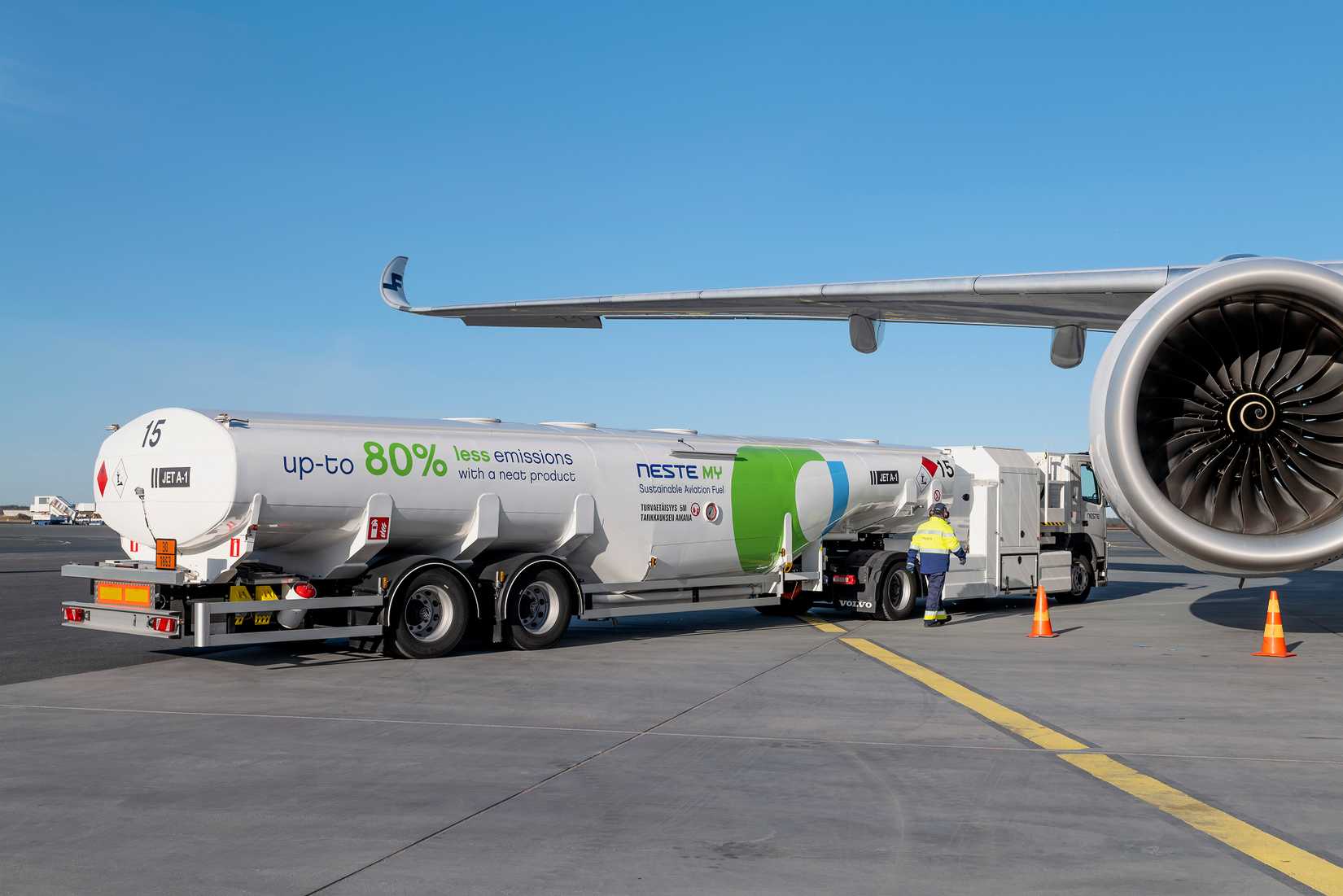
While the meeting between the EU countries will focus on increasing jet fuel imports from the US and other nations, the use of SAF is also on the agenda. The discussion will include points about self-sufficiency and building resilience using synthetic fuels and sustainable aviation fuels.
While SAF and synthetic fuel play a role in the long-term decarbonization of the aviation industry, airlines have been calling for the suspension of the Emissions Trading System (ETS) and SAF allowances. However, the EU does not believe an exemption from these programs is justified. Other fuel-supply related points to be discussed include a plan to introduce a mapping system across the EU, which will help evaluate the oil refining capabilities of facilities available in various countries.
Considering that the peak summer travel period begins towards the end of May, it is critical that airlines in Europe are able to sustain the required quantity of jet fuel. Otherwise, the following months will see significant cancellations. This can further aggravate the existing lack of capacity in certain markets, such as Europe to Asia.
Related
Six Flights A Day: Singapore Airlines Boosts London Capacity To Record Levels
With a second daily service to Gatwick, SIA will operate up to 6 daily flights this summer.
What Does This Mean For Passengers?
Credit: Shutterstock
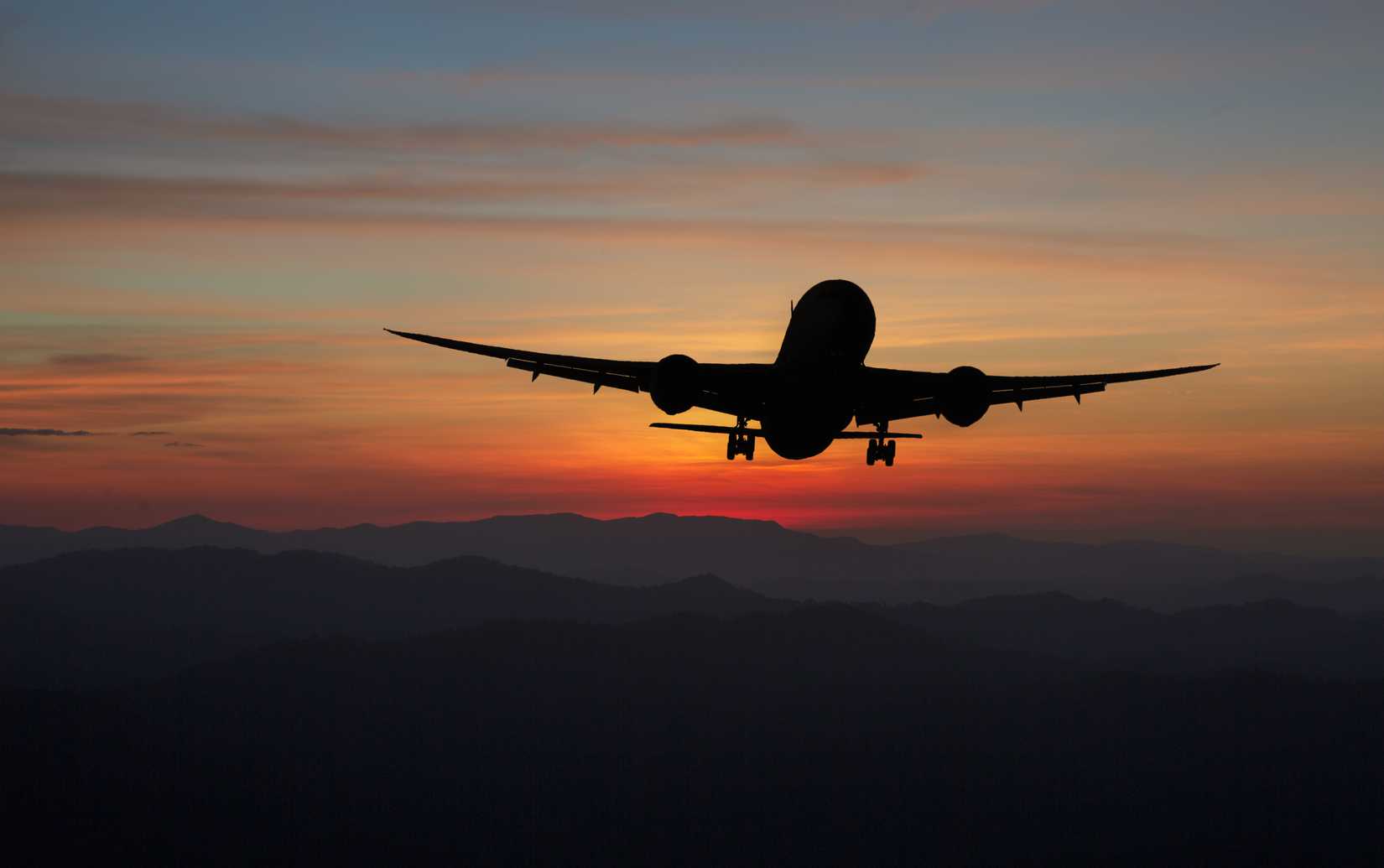
If airlines in the region fail to find a sustainable source of jet fuel in time for the upcoming summer travel demand, a massive number of flight cancellations can be expected. Current cancellations are on short-haul and regional routes that have alternate modes of transportation available, but this could spread, resulting in more international long-haul flights being canceled.
Furthermore, talks next week will address operators’ concerns over slot maintenance if flights are canceled due to the lack of fuel, as well as the EU’s current anti-fuel-tankering law. Plus, the topic of EU-261 and related compensations will be talked about. The EU-261 is a law applicable to all airlines based in the EU, but also operating to and from EU states, regarding compensation owed to passengers due to flight delays and cancellations.
At the meeting, it will be clarified if a fuel shortage is considered to be “exceptional circumstances” or not, and if it is deemed as exceptional, then airlines will not have to pay compensation (over the refund) to passengers for flight cancellations. While this could alleviate some of the financial pressures an airline might face, it would mean passengers would only receive a refund. Ultimately, the decisions made at the meeting next week will essentially determine how this summer will be for airlines and passengers traveling to and from EU nations.