
Queenscourt Hospice is facing closure in just 18 months if it does not fill its £2 million funding gap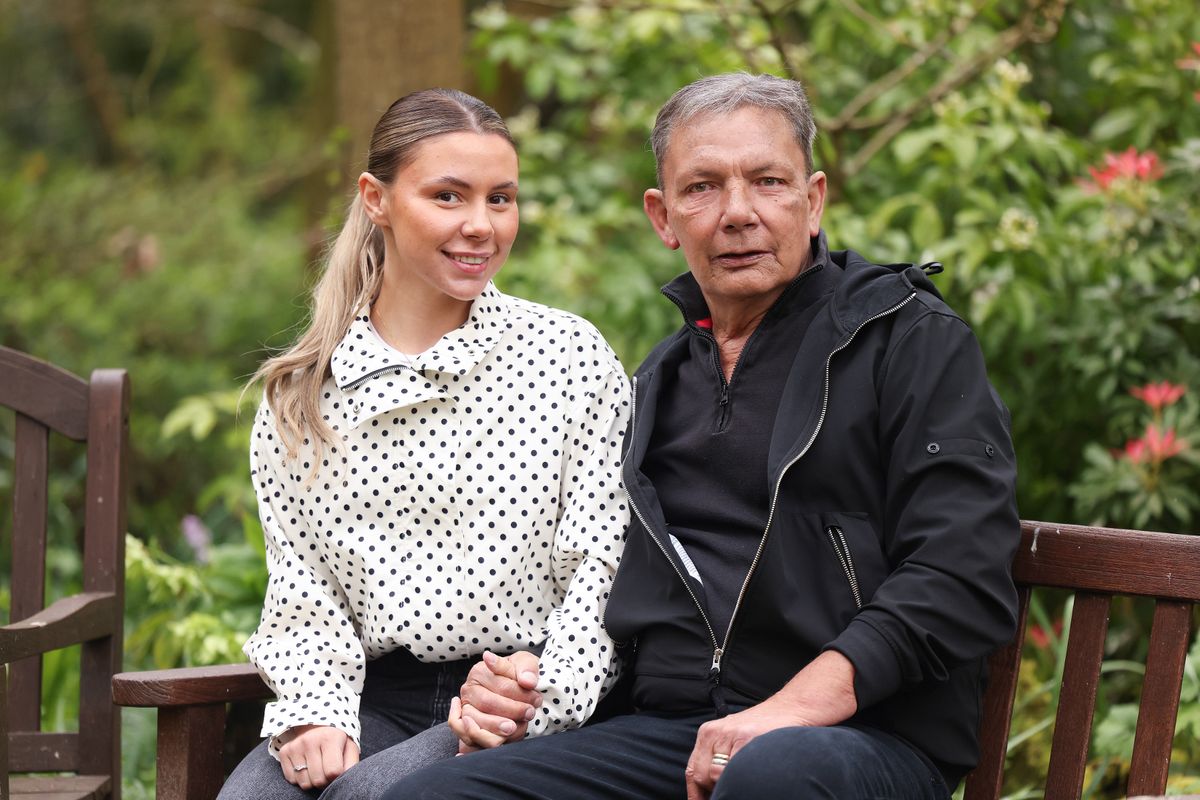
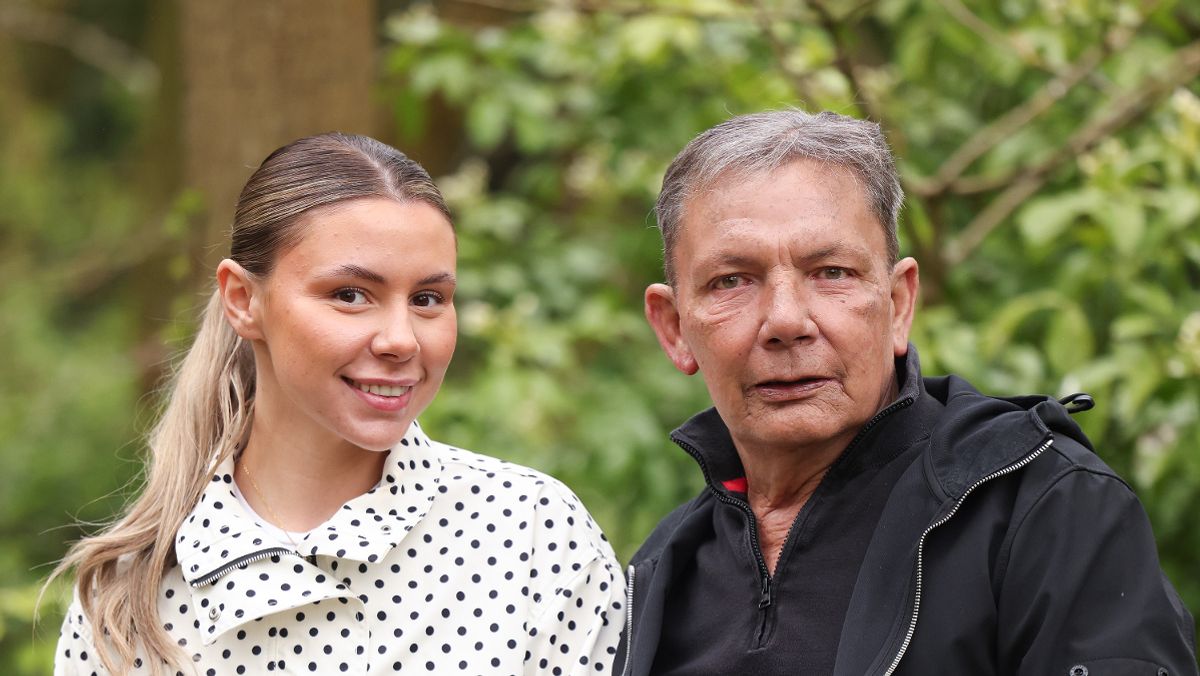
Patient Paul Humphreys with his daughter Megan Humphreys(Image: Liverpool Echo)
A dying patient has described the incredible work his local hospice does in the community as it has 18 months to find £2 million in order to keep its doors open. Queenscourt Hospice in Southport said last month it had been forced to reduce services for patients, as it continues to operate with the multi-million pound deficit.
Officially opened by Princess Diana a year after its launch in 1992 and based in Kew, Queenscourt offers care for patients at the end of their lives, with the hospice also supporting families members. It has now said it faces it’s toughest financial challenge in its history.
The hospice has announced a reduction of its in-patient ward from 10 beds to five as it battles financial instability. It also said it is being forced to reduce some of its wider core clinical services including Queenscourt at home shifts and outpatient therapy services, in addition to housekeeping and catering services.
A spokesperson for the hospice said if no action is taken, Queenscourt could close within 18 months.
The ECHO visited the hospice this week to speak with the people who work with and benefit from the service.
‘It was a bombshell when I was told this place could close’
Paul Humphreys was diagnosed with terminal prostate cancer 16 months ago. His life was turned upside down, having travelled home from a holiday in Greece early suffering with internal pains, he was told he would not survive the diagnosis.
What followed was a plethora of consultations, but it was when Paul walked into Queenscourt where he felt at home.
The 62-year-old told the ECHO: “I was bombarded with letters from Macmillan, the local doctors, the Liverpool Royal Hospital. But the first time I came to Queenscourt was to see Dr Andrew. Now, when you’ve been going in and out of hospital, there’s a bit of trepidation when you’re in another hospital.
“But when I walked in here, it was just like ‘wow, this is different gravy’. It didn’t feel like a hospital, it didn’t smell like a hospital, everybody was smiling. They treated me with so much compassion, humility and kindness, and that was just for a half an hour consultation. After I had that, I felt really reassured by them, particularly the fact that they were monthly referrals.”
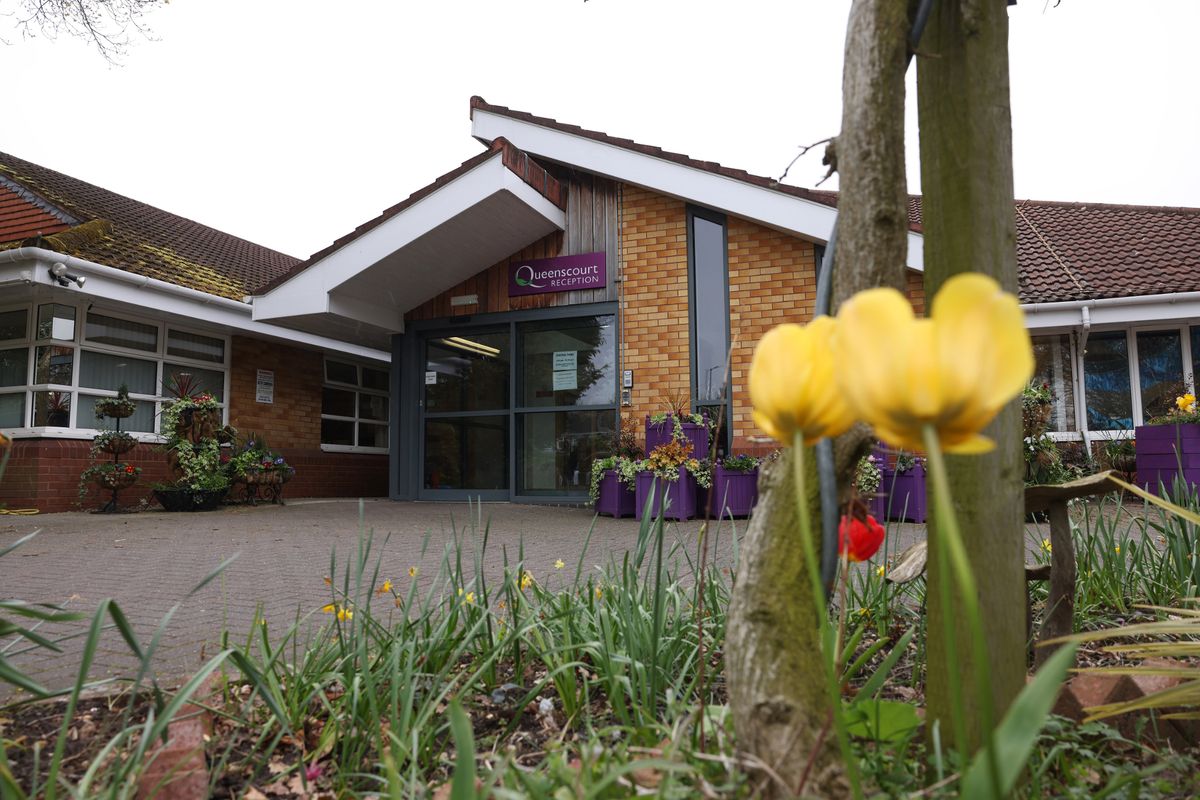
Queenscourt Hospice(Image: Liverpool Echo)
The compassionate care has since continued, with Paul explaining how he has had a few overnight stays at the hospice.
Paul continued: “What happened was in the middle of last year, I was feeling a bit broken. The thing with cancer is one minute you’re up, the next minute you’re down, and I kind of let myself get physically in quite a poor state.
“I came in for a consultation and Dr Andrew said: ‘Paul, I think you need fixing.’
The next day I got a phone call asking me to come in and be an inpatient on the ward. I came in and the first thing I was asked was when would I like breakfast, what time would I like tea. I was told if I needed anything I just had to press a buzzer. And the TVs here, none of this pay-as-you-go, it’s all free and up-to-date films. I had a right laugh.
“I think that’s great. When you’re in a bit of a dark place, just to have people around you, the nurses, who you can have a laugh with. I laughed for two weeks. I came in broken on a pair of crutches and I left on one crutch, and thanks to the medication I’m fine. They’ve got the pain under control thaknks to Dr Andrew.”
Paul believes he wouldn’t still be here without the services Queenscourt has provided for him and his family.
Sitting beside Paul was one of his six children, Megan. She explained how her dad has completely changed under the care of Queenscourt. She said: “It’s helped him a lot because, I’m not gonna lie, our family is very busy.
“We have our own care company so it was quite hard to balance everything all at once. When he was feeling more pain we didn’t have facilities at home to help him.
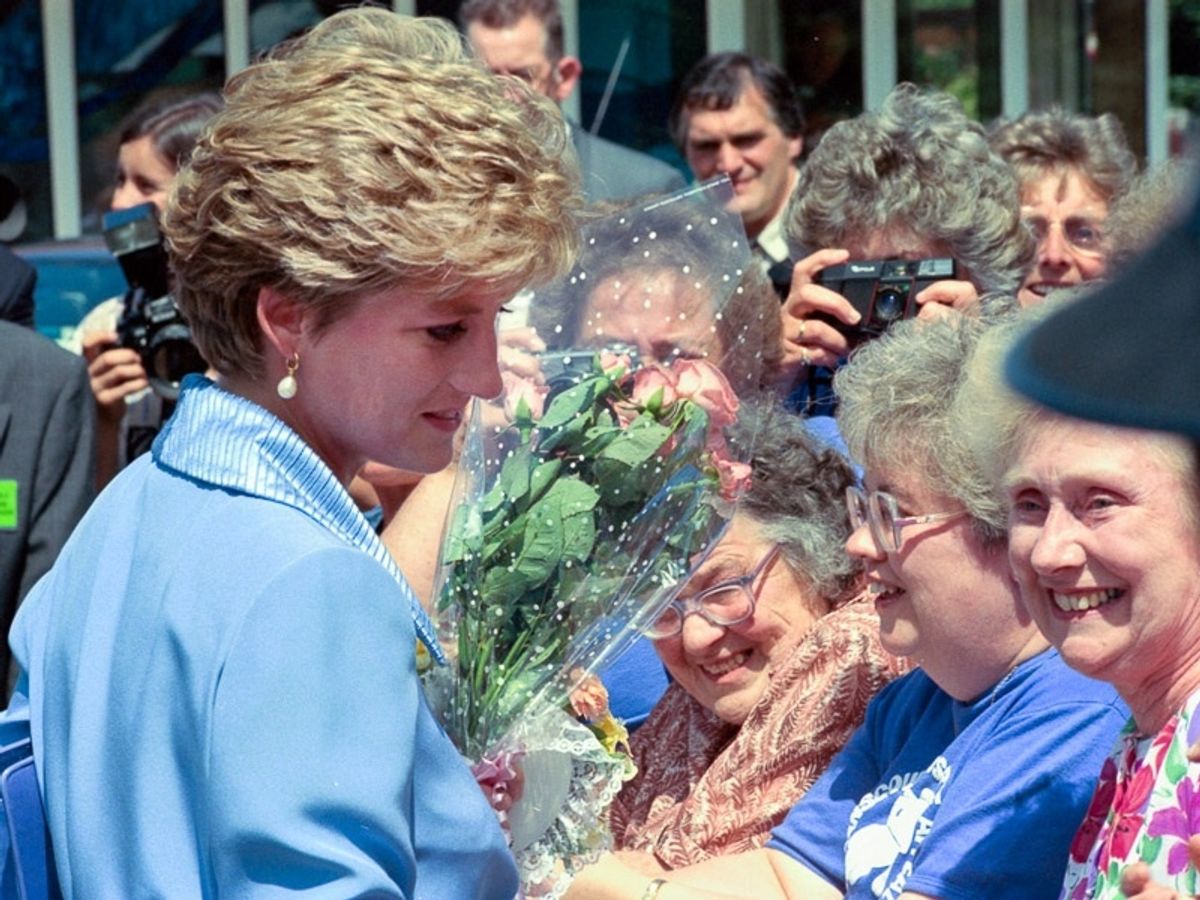
Princess Diana officially opens Queenscourt Hospice in Southport on June 11 1992(Image: Queenscourt Hospice)
“He’d come to Queenscourt, and he still comes now, but it has made him so much happier in the sense that there are people to chat to throughout the day. Because we work nine till five , even though we’re only at the end of the phone, he can’t speak to us like he can speak to people here.
“All the nurses know him and there is a real sense of home here, especially with the gardens here. When it’s sunny, the number of people just sat outside and in the coffee area, it’s amazing. They all know each other, it has just really helped my dad and the family a lot.”
Describing the moment he found out Queenscourt could go under, Paul added: “[It was] a bit of a bombshell really because you don’t know what you’ve got until you haven’t got it. I don’t know if they have any open days but the community should see what they do here.”
‘These people are at the most difficult times of their lives – they need us’
Staff nurse Paige Scaife joined Queenscourt Hospice as a newly qualified nurse two-and-a-half years ago, she told the ECHO just how much the service means to patients who use the hospice.
The 24-year-old said: “I think it’s highly important to myself and the other nursing staff on the ward. I think we meet people that are mostly, going through the most difficult times in their lives and for relatives too. It’s important to be able to sustain a future where we’re able to continue and offer the services that we do. It’s potentially a massive impact if we’re not able to do so.”
Paige, speaking to the ECHO alongside directors Dr Clare Finnegan and Louise Charnock, was an example of how the hospice not only looks after people at the end of their lives but also nutures talent in medicine.
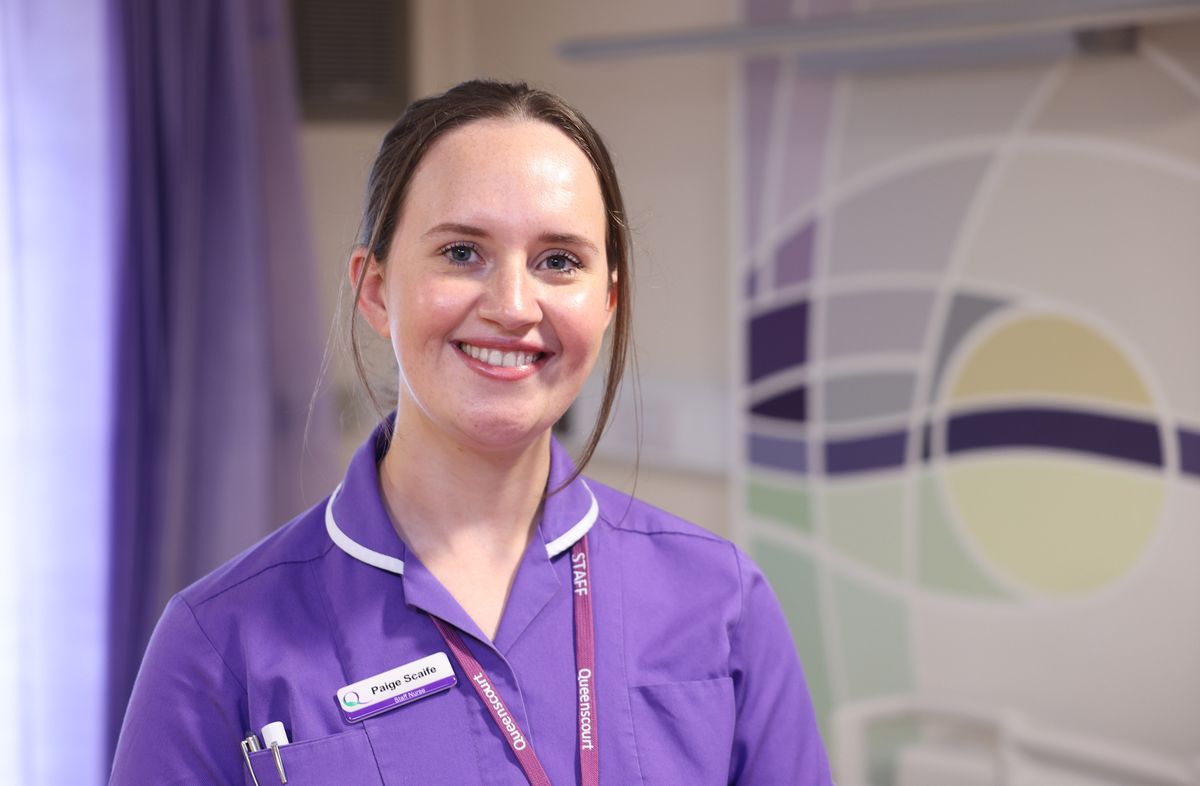
Nurse Paige Scaife in Queenscourt Hospice in Southport(Image: Liverpool Echo)
The staff discussed the importance of reducing services now in order to ensure the hospice can continue for as long as it does with its current funding. While talks are ongoing over increased funding, as it stands further funding will not be secured for another three-to-five years. This would be too late.
A Department of Health and Social Care spokesperson said: “Hospices do incredible work to support people and families when they need it most and are facing incredibly tough pressures.
“This government made the biggest investment in hospices in a generation – £125 million – to improve hospice facilities, freeing other funding for patient care, and has also committed £80 million for children’s and young people’s hospices over three years.
“We will soon set out our plans to modernise and improve the palliative and end of life care sector, as we shift more healthcare out of hospitals and into the community with hospices playing a central role in delivering care closer to home.”
Marching to Downing Street
This week saw Dr Finnegan join Hospice UK in its march to Downing Street on Wednesday, April 15, where members from hospices across the UK went to London to deliver a signed letter calling for increased funding for services.
Spekaing to the ECHO ahead of the event in London, she said: “It now costs us £2 million more to run the hospice each year than we have coming from various finance sreams and the financial reserves that we had are running out.
“As a hospice, we’re facing the most difficult financial crisis we’ve had since opening 35 years ago. If we do nothing, we know our services will need to close within the next 18 months.
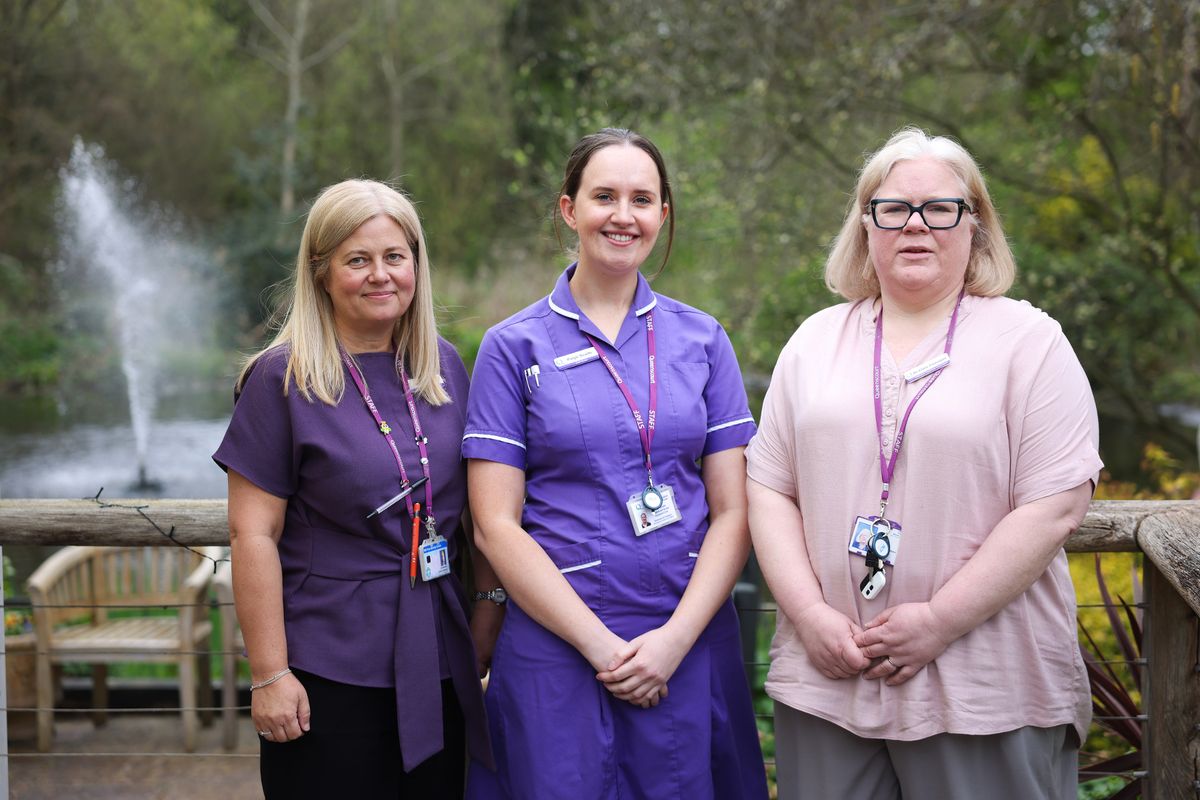
Nurses Louise Charnock and Paige Scaife with Dr Clare Finnegan(Image: Liverpool Echo)
“We have been faced with a decision of reducing services in the hope we can continue to provide the population of Southport, West Lancs and Formby with specialist palliative care long enough for us to see an increase in statutory funding.”
It comes after the Public Accounts Committee said last month how the hospice sector in England is facing a “serious financial situation” which is already affecting patient care, including cuts to services.
Hospice UK warned that nearly six in 10 English hospices have made or are considering cuts to frontline services.
Hospice UK, which represented more than 200 hospices, demanded £112.5 million in recurring revenue funding, as well as other measures, in its visit to London this week.
Charlie King, Director of External Affairs at Hospice UK said: “This is an incredibly difficult time for everyone at Queenscourt Hospice, and our thoughts are with the staff affected, as well as the patients and families who rely on their care.
“Sadly, this is not an isolated situation. Hospices across the UK are facing growing financial pressures, with 6 out of 10 hospices either making cuts or planning to. Over 20 other hospices so far have been forced to make heartbreaking decisions like this.
“Hospice UK are calling for urgent action through our four-point plan for fairer funding, so hospices can continue to provide the vital, compassionate care that communities depend on.
“Our plan provides a clear formula for what the NHS should be paying for – protecting specialist clinical services with full statutory funding, and allowing charitable giving to be used to provide enhanced services. We can all agree that pain relief, medications and the salaries of nurses and other healthcare staff shouldn’t have to rely on bake sales, fun runs and the sale of second hand clothes.”
To help support Queenscourt please go to queenscourt.org.uk/KeepQueenscourtInService, or call Queenscourt’s fundraising team on 01704 517420 to find out the many ways in which you can help. This includes contacting your local MP on behalf of Queenscourt. For further information, please go to queenscourt.org.uk/MPcontact.