

Over the last few years, I have championed a frugal way of living, but it’s been difficult to maintain so far during 2026. As a freelance journalist, my work schedule is unpredictable, and when I’m overwhelmed with deadlines, I am guilty of splurging on convenience purchases, otherwise known as the “tired tax”.
The “tired tax” is a term that describes the unnecessary money we spend when we are too busy, or too tired, for simple tasks. Yet, this habit could see the average Brit spend £395 a month, according to the wellbeing brand Feeling. While a coffee to go, a Friday night takeaway, an unreturned parcel, or a missed gym class may seem insignificant in the grand scheme of our larger outgoings, it can accumulate to £4,740 a year.
I didn’t realise I had succumbed to the “Tired Tax”, until I dived into my finances. One particularly chaotic day stands out; I was working from home and juggling four deadlines due that week, but I skipped a £29 morning Pilates class so as not to interrupt my workflow. I hadn’t had time to do a food shop, so my kitchen was bare – even my coffee machine was out of beans.
New FeatureIn ShortQuick Stories. Same trusted journalism.
By mid-morning, my energy was flagging, so I trawled Deliveroo for a convenient refuel. However, my quick coffee order escalated to a sandwich, pastry and an extra sweet treat for later, just to save the £3.95 delivery and time going out food shopping. Over £25 later, I was full, but I felt guilty about my frivolous spending and ashamed of my laziness.
Later that week, I had a panel to host, but transport chaos meant I spent £40 on an Uber, after wasting £11.50 on tapping in, but forgetting to tap out, at the Underground station. I grabbed a bottle of water and snacks for the journey (and to perk me up after the inconvenience), plus a £7.15 flat white just to use a coffee shop’s WiFi for a work call in the afternoon.
That evening, my boyfriend and I opted for a £53 Turkish takeaway as a “treat”, though truthfully it was because neither of us could be bothered to cook. Suffice to say it proved to be a more expensive day than I intended, as it totalled almost half of Feeling’s average monthly overspend. Embarrassingly, these are not one-off occasions, as I have tallied over £648.51 on convenience spending this quarter, though there are probably other hidden costs I have missed.
While these convenience purchases felt good at the time, I was swiftly overwhelmed with self-loathing, shame, guilt and regret about my excessive overspending. As a freelancer with irregular income, it often dawns on me the financial pressure I am putting on myself to cover these convenience costs on top of my essential outgoings. I then consider the long-term financial impact, and how the estimated £5,000 annual “tired tax” sum could lift a heavy financial burden.
Recently, my mortgage has increased, expensive building works on my London flat are looming, including a £500 fire door. And that’s before I can consider saving for quiet periods in my unpredictable career, pension, student loan, and any future plans to get married or start a family. On reflection, this “tired tax” is more like self-sabotage.
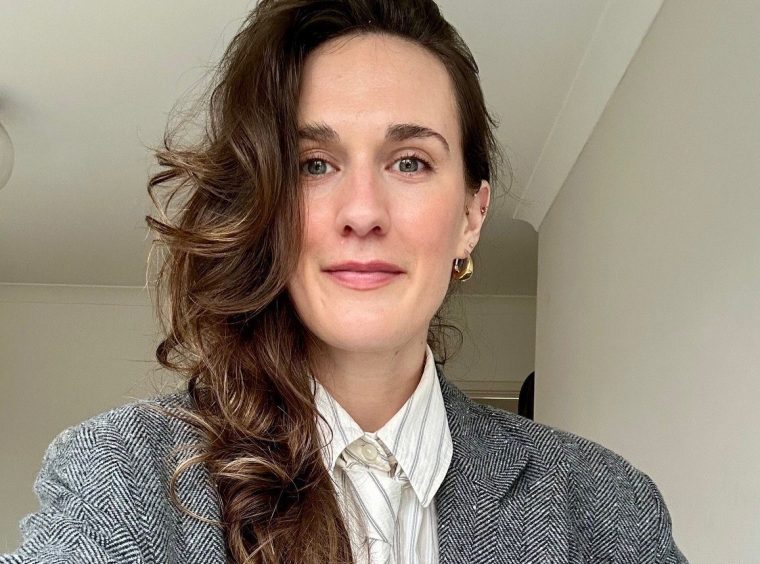 ‘I was swiftly overwhelmed with self-loathing, shame, guilt and regret because of my excessive overspending’
I am not alone in this guilt. Camilla Esmund, a consumer finance expert at Interactive Investor, sees this often. “Convenience isn’t the enemy. It can support wellbeing during stressful periods,” she says. “The goal is to spend intentionally, not reactively, and realising the cost of convenience could put a roadblock on bigger financial goals.”
Convenience spenders like me don’t need to completely overhaul their lifestyle. We can benefit from “simple” changes. Esmund shares her advice.
Introduce monthly money check-ins
To truly get a handle on your finances, Esmund recommends auditing all finances with a fine-tooth comb. “Go through a month of spending and tag anything driven by convenience; last-minute lunches, transport upgrades or unused subscriptions,” she says. She also suggests carving out regular monthly finance check-ins to prevent any unwanted costs slipping through.
Another useful hack is to set up automatic transfers for payday to cover the living essentials, such as mortgage, bills, tax, and Christmas savings, before money is spent mindlessly elsewhere. If possible, Esmund recommends investing any extra savings into an ISA, or other account to bolster your finances long-term. Esmund advises: “Make it a sensible and realistic amount you can afford to put away each month. You may find, as you spend less over time, you’ll be able to tuck a bit more away into savings or investments.”
Learn the 24-hour rule
Emotion can be a “powerful driver for impulse spending”, such as stress or sadness, says Esmund. To combat this, the money expert advises: “Consciously pausing and building in a short delay helps you consider whether this purchase is a want or need, and whether it fits into your broader budget.” She adds: “If something isn’t essential, give yourself 24 hours before spending. Often, the urge fades, and that small mindset shift can be surprisingly powerful.”
Pick your ‘worth it’ spends
While saving is important, a “balanced approach to money” is crucial. Rather than going cold turkey, she suggests building a controlled convenience pot, so those purchases don’t derail your savings. She adds: “A simple rule of thumb is to pick your ‘worth it’ spends. If a taxi home after a late shift genuinely improves your quality of life, keep it. But balance it by cutting back on habits that don’t add the same value.”
Talk to your friends about money
To help maintain the long-term savings mindset, Esmund suggests tying savings pot to a specific goal, whether it is a house deposit or a holiday. She explains: “Linking your money to a clear goal gives those small decisions a bigger purpose.” Esmund recommends discussing your finances with friends or family, which I’m open to. However, it’s not just sharing salaries, but “sharing habits and ideas can be a powerful nudge away from those small, easy spends”. Esmund also recommends having an accountability partner to keep your finances on track, or to make “admin night” fun. She explains: “It doesn’t need to be formal – involving someone else or just knowing someone else is aware of your goals can help you stay focused.”
Ultimately, tackling the “tired tax” comes down to preparation, mindset and organisation. If I strategically set money aside for living costs, rainy-day savings, budget for controlled convenience purchases, and plan for busy periods, whether it is food shopping for the week or batch cooking in preparation for deadline days, I will save myself time, money and the self-inflicted emotional toll, switching my mindset to intentional spending, and away from feeling guilty.