
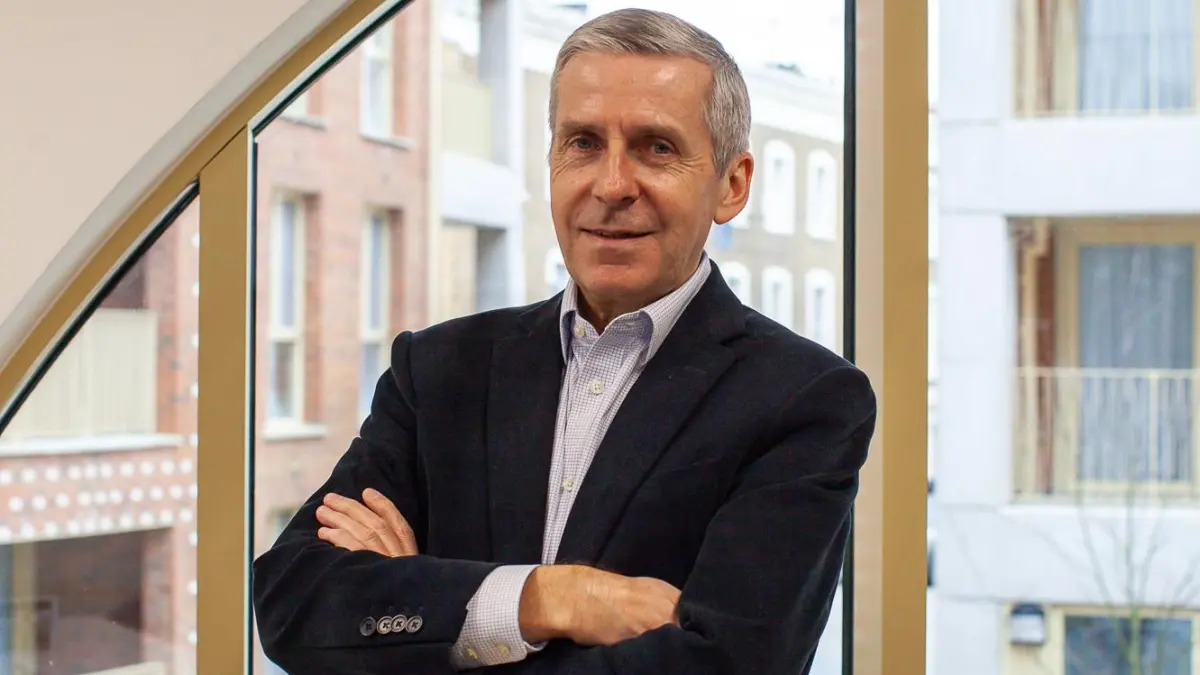
Glyn Clark has a pension pot of more than a million pounds after a 25-year career in finance. But, at 65, he has no plans to retire.
He tried it once, when he was 57, after he was made redundant from the investment bank Goldman Sachs. “I didn’t really know what to do with myself. I don’t play golf, I don’t have any hobbies. It didn’t take me long to realise that it wasn’t for me.”
After three years out of work, Clark, from Golders Green, north London, started running a home care company. “I am a big advocate for encouraging older people to stay active and to stay employed if they can,” he said. “I think retirement, the idea of it, is like a death sentence.”
Money newsletter
The latest personal finance and investment news from our money team.
Sign up with one click
According to a survey of 1,235 over-55s by the pension firm Standard Life, 16 per cent had gone back to work after retirement or were considering it. Some said they did it to stay active and connected while 20 per cent said they had not realised how much money they would need in later life.
The industry body Pensions UK estimates that for a moderate standard of living in retirement a single person would need an income of £31,700 a year after tax, assuming they have no housing costs. This would cover a takeaway once a week, a £56 weekly food shop and an annual two-week three-star holiday abroad.
Someone aiming for a comfortable lifestyle — dining out weekly, a £75 weekly food shop and an annual two-week foreign holiday in a four-star hotel — would need a post-tax income of £43,900 a year.
The minimum income needed in retirement is £13,400, according to Pensions UK. This means that it thinks the £12,548 a year you get from a full new state pension is not quite enough to cover basic needs. Pensioners would need to supplement their income with a private pension, savings or other earnings.
You cannot claim the state pension until you are 66 (67 from 2028 and 68 by 2046) and you can’t withdraw from your private pension until you are 55 — 57 from 2028.
The Centre for Ageing Better is calling for the government to do more to boost employment among the over-50s. Andrea Barry from the charity said: “This isn’t just the right thing to do for society, it makes business sense too. Age-friendly employers can meet their labour and skills needs, and studies have shown that multigenerational workforces are more productive and innovative.”
Barry said the Standard Life survey showed how much retirement has changed over the past 20 years: “What was once an almost instantaneous switch from full-time working to retirement is now a much more varied and gradual transition.”
‘I felt I still had something to give’
Some 2.12 million people aged 66 and older were still working in the 2024-25 tax year, according to HM Revenue & Customs, with 1.56 million workers past state pension age still on company payrolls and half a million self-employed. This was up 12 per cent from the 2020-21 tax year.
Clark said neither he nor his wife, who also worked in finance and has retrained as a psychotherapist, have any plans to retire. “I will work until I drop,” he said.
He keeps himself fit by running and organises events to encourage others to stay active. “I have no regrets. Towards the end of my career I was starting to feel very old — I was the oldest person in the office and was doing the things I said I’d never do and holding on to a job I wasn’t growing with. I was feeling old and insignificant. Ten years later I feel ten years younger.”
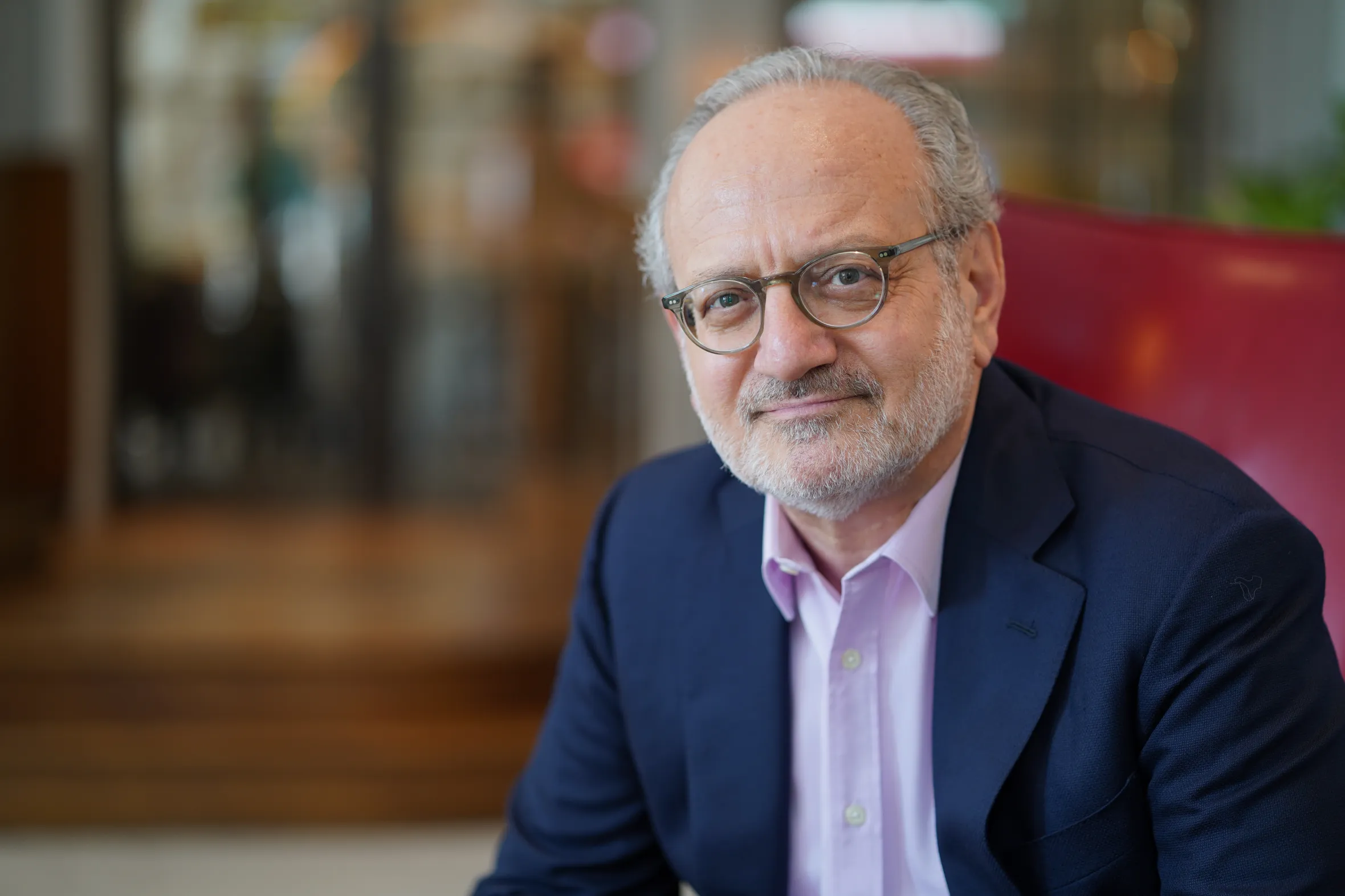 George Jerjian realised that he was “drifting into oblivion” in retirement
George Jerjian, 71, from London, retired at 52 after he was diagnosed with a terminal bone tumour and given six months to live. You can usually withdraw money from a private pension before the age of 55 if you have been given a terminal diagnosis. You don’t have to repay the money if you survive, as long as the medical opinion was given in good faith.
Jerjian said: “My oncologist said to me that in 98 per cent of cases, a bone tumour is a secondary cancer, which means it has spread throughout your body. Thankfully I belong to the 2 per cent club.”
He defied the odds and was given the all clear but “a restlessness came over me”, he said. “Everything was falling apart in my life — relationships, friendships, nothing was working. And I had to do something drastic.” He went on a 30-day silent retreat in north Wales and realised that he was “drifting into oblivion”. Now he runs courses encouraging others to unretire. “You just have to change your mindset,” he said.
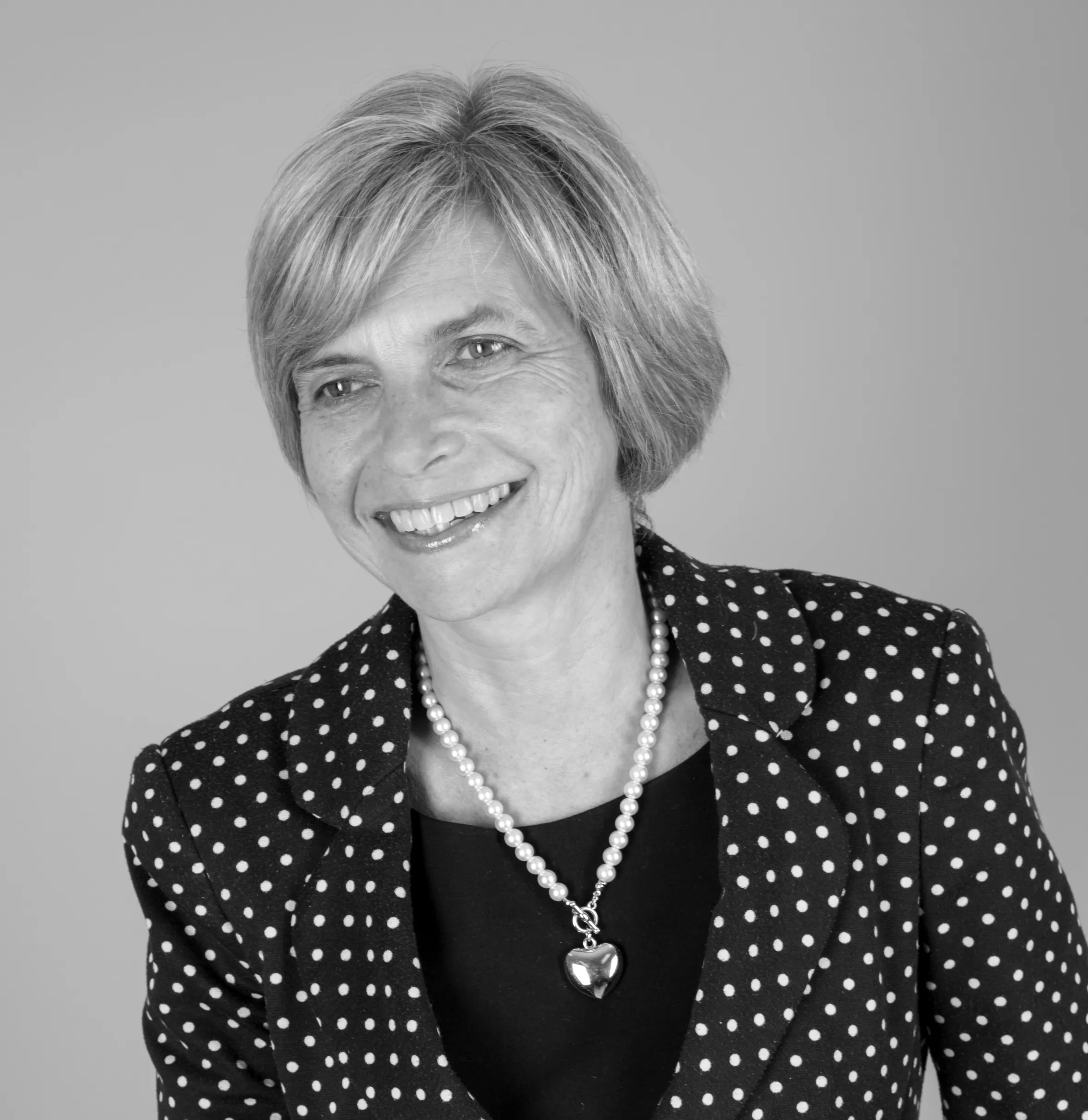 Sophie Hughes went back to work as a lawyer
A share bonus led the divorce lawyer Sophie Hughes to retire from her law practice at 59 but she returned to work less than a year later. “I have a lot of interests but I didn’t really have a plan and when I retired, I felt like I still had something professional to give,” she said.
Hughes works as a senior lawyer for Knights, a law firm in Cardiff, and said she has been “freed up from all the things that were grinding me down”, such as the admin and HR side of the job, and can just focus on helping her clients.
Lucy Standing, the founder of Brave Starts, a nonprofit forum that offers later-life careers advice, said: “I can’t think of one person who has come to me saying, ‘I want to get another job and work hell-for-leather for five days a week, nine to five.’ Most say they want to carry on working, and need to carry on working, but are in a place where they want to do it on their own terms.”
What it means for your pension
If you are thinking of heading back to work after retirement, there are financial implications to consider.
If you get full new state pension this could take up your entire tax-free annual income allowance of £12,570. Anything you earn on top of that could be taxable. However, those working past state pension age no longer have to pay national insurance contributions, which does give your pay packet a boost. You can opt to pause your state pension and get a higher amount later on but you can only do this once. If you are not yet getting the state pension you can defer taking it at all. For every year you defer you get an extra 5.8 per cent but you run the risk of not living long enough to get back the money you missed out on by deferring.
Mike Ambery from Standard Life said: “The extra effort of additional hours may not be worth it if it comes with a higher tax bill. And for those who are choosing to work well beyond state pension age, there’s an added consideration that tax relief stops being applied to pension contributions when you hit 75.”
Once you have started taking money from a pension, you are limited in the amount you can save into it tax-free. If you have taken anything beyond the initial tax-free lump sum, you will trigger the money purchase annual allowance, which means you can only benefit from tax relief on pension contributions of up to £10,000 a year.
“While this is still a decent sum, if your main goal of returning to work is to top up your pension, you could hit this sum quickly,” Ambery said. Returning to work may trigger auto-enrolment into a workplace scheme if you are under state pension age but you can opt out of this.
Ambery said: “There are lots of handy calculators out there which will show you how long your money might last. The bad news is that pensions will be subject to inheritance tax from next April so leaving your pension pot untouched could be a risky strategy.”