

It’s been described as a ‘super’ nature reserve due to its size, stretching from Guildford down to Haslemere and beyond
Biffa Award has granted £285k to restore heathland at the Frensham Ponds in Farnham, as well as other nature reserves in Surrey(Image: Surrey Advertiser)
Surrey’s newest nature reserve is set for an “ambitious” restoration project which will see grazing ponies introduced to the land.
The Wealden Heaths National Nature Reserve (NNR) was declared by Natural England in March last year.
It is made up of some already existing nature reserves such as Thursley Common, which is home to “Britain’s best path” alongside the Devil’s Punchbowl but also some land not previously protected as a nature reserve.
This week, the National Trust announced an “ambitious” restoration project in the 2,765 hectare nature reserve, possible thanks to a £285,000 grant from the Biffa Award Partnerships Grant Scheme.
The funding will go specifically towards the Hindhead Commons, Frensham Little Pond as well as the Witley and Milford Commons with the aim of restoring the “delicate” heathland ecosystems, with a focus on safeguarding heathland birds, native wildlife and restoring natural habitats.
According to the National Trust, the Biffa Award will be used for many things, notably to purchase young ponies to graze the common and maintain its landscape.
The grant is also set to fund the creation of new ponds to “boost wetland biodiversity”, as well as to renovate a bat barn and improve nesting and feeding grounds for the heathland’s bird species.
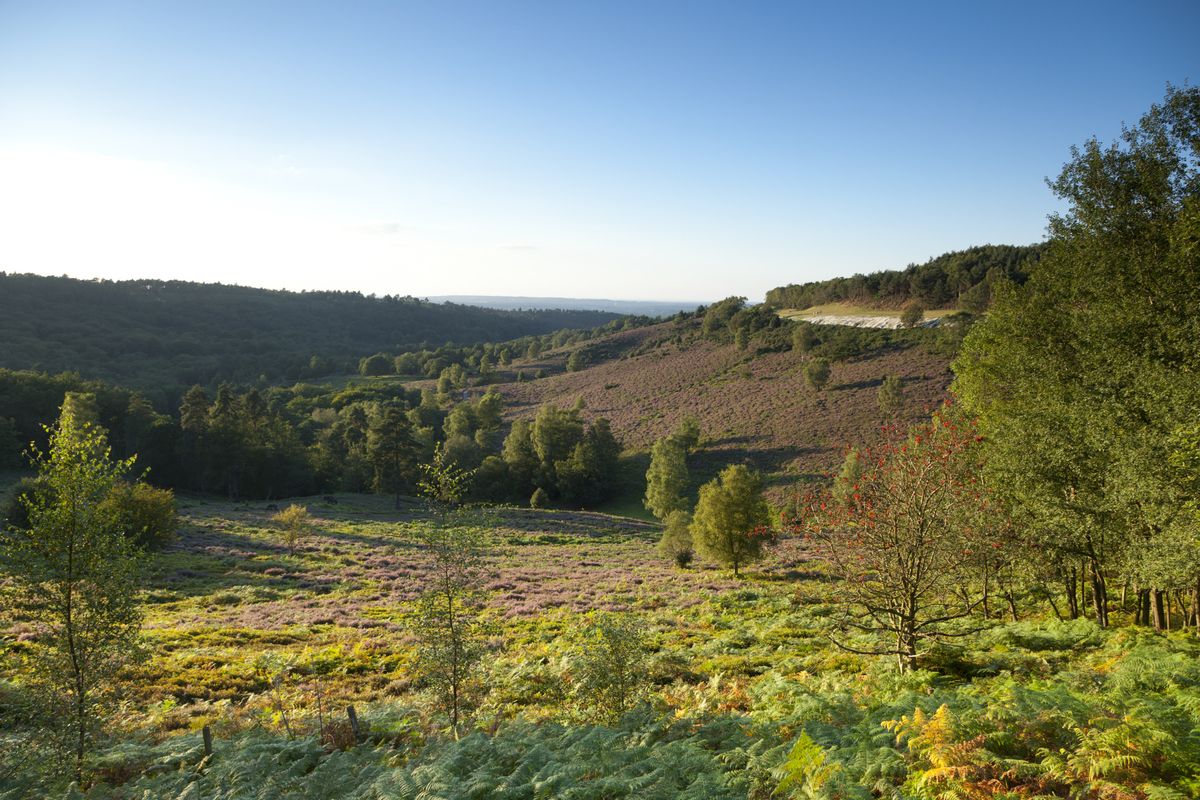
Devil’s Punch Bowl National Trust (Image: HANDOUT FREE TO USE)
Surrey Hills Lead Ranger for the National Trust, Matt Cusack, spoke on the project: “This support from Biffa Award is proving to be a game-changer for our conservation work at Hindhead Commons, Frensham Little Pond and Witley and Milford Commons.
“It has allowed us to take vital steps toward restoring the heathland and ensuring future generations can enjoy the beauty and biodiversity of this landscape.”
Detailing the plans to introduce ponies to the land, the National Trust explained that it plans to increase the number of native Exmoor ponies, as these sustainably manage the heathland by eating the invasive birch scrub.
So far, its teams have introduced two new ponies at Witley, the first at Witley for over a decade. With plans to introduce more later this year.
Through this approach, the trust hopes to improve and extend the heathland habitat for some species that are currently absent from some parts of Witley Common, such as silver-studded blue butterflies and sand lizards.
Biffa Award Grants Manager, Rachel Maidment spoke on the funding: “We are delighted to support the National Trust’s vital work to restore and protect the heathland landscape at Hindhead Commons and the wider Surrey Hills.
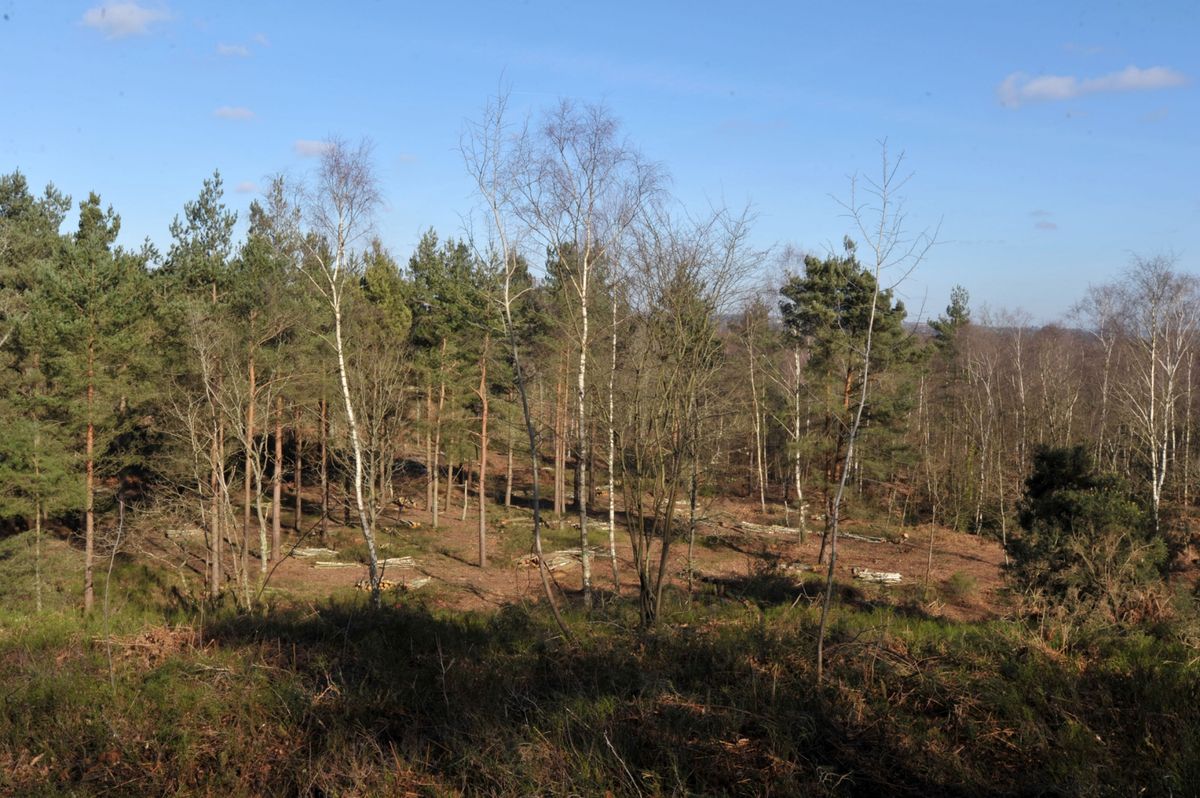
Grazing ponies have already been introduced to Witley Common, with more set to be on the way(Image: Steve Porter)
“These rare habitats are home to some of the UK’s most threatened wildlife, and it’s crucial that we work together to secure their future.”
The restoration project comes against the backdrop of declining heathland across Europe. The National Trust estimates that one fifth of the remaining lowland heath in Europe can be found in the UK.
Adding that the survival of heathland is “essential” for the populations of rare heathland birds, amphibians and butterflies, such as the nightjar, woodlark, sand lizard and silver-studded blue butterfly.
Another aspect of the project will see teams reintroduce historic land management practices such as mowing heather to support silver-studded blue butterflies, as well as creating bare ground for nesting woodlarks.
The wider Wealden Heaths National Nature Reserve (NNR) encompasses a thousand of hectares of green space between Guildford, Haslemere, Godalming and Farnham.
It includes previously declared nature reserves, but also areas which previously did not have this protection.
The NNR has been described as a place of “national importance” by Natural England, and its declaration allows environmental teams to further protect the land as it is, alongside the species that call it home.