
(Credits: Polydor)
Wed 22 April 2026 2:00, UK
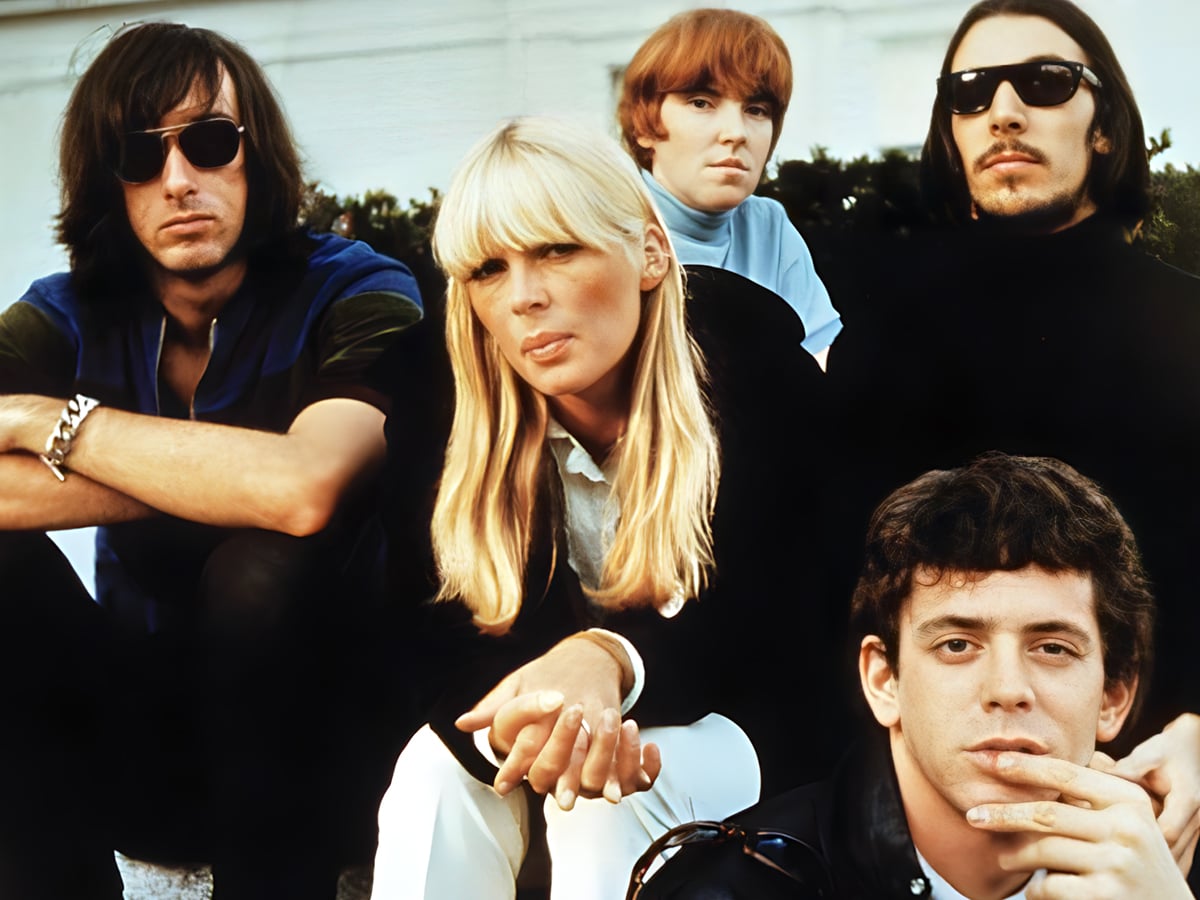
Despite the fact they’re now hailed as one of the most important bands to have emerged from the 1960s, it’s fair to say that not everyone was on board with what The Velvet Underground had to offer when they first announced themselves to the world.
You would think, given how many other bands they’ve gone on to influence, that they were immensely popular, and the fact that the Andy Warhol-designed banana cover of their debut album has become a ubiquitous symbol of their notoriety would have put them at the forefront of everyone’s minds. However, for the seminal New York band, success was considerably harder to come by than most people with a knowledge of their present-day popularity would be able to comprehend.
In actual fact, their debut barely sold any copies when it was released in 1967, and their subsequent releases didn’t fare much better either. This essentially relegated them to being a cult act at the time rather than the world-changing band that people think of them as, and it would only be after their split that it became obvious that those who had bought the record had had a significant impression made on them.
But where exactly were these fans, and did the band manage to ever find pockets of success in other areas around the US? You’d have thought that the majority of their fanbase would have been in their native New York City, with their style appealing to the vibrant art scene erupting in the city during the latter half of the 1960s, but there were other countercultural movements happening in tandem with their rise in other parts of the States, so it could have been possible for them to break through outside of their home state.
However, not many people really got into them in New York, and neither were their exploits looked upon positively by those in other parts of the US, let alone around the world. The Velvet Underground were obscure for most of their career, and it’s only retrospectively that they’ve truly managed to get their flowers.
Over on the West Coast, where a large amount of music was coming from in the 1960s, The Velvets were all but admonished by audiences, and a large amount of this was down to one particular tastemaker having derided them from the beginning.
Bill Graham was a notable promoter in the 1960s who was heavily associated with the rise of the psychedelic and countercultural movement in California, but when he was presented with the art-school stylings of The Velvet Underground, he turned his nose up at them, which drummer Maureen Tucker distinctly recalled in Todd Haynes’ documentary, The Velvet Underground.
“Boy, he hated us,” she said of Graham’s reaction when they performed alongside Frank Zappa on their debut tour of the West Coast in 1966. “When we were going onstage, he was standing there, and he said, ‘I hope you fuckers bomb.’ I think he was really jealous and pissed off because he has claimed to have the first multi-media, and it was pitiful compared to what Andy had put together.”
Things could have been much better for The Velvet Underground, and considering just how different they were from their contemporaries, it’s understandable that it may have taken some people time to get on board with their music. However, when acts in the 1970s began to cite them as a hugely important act that inspired them, then it became obvious just how wrong everyone else had been about them all along, especially Graham, who had barely even given them a chance in the first place.
