
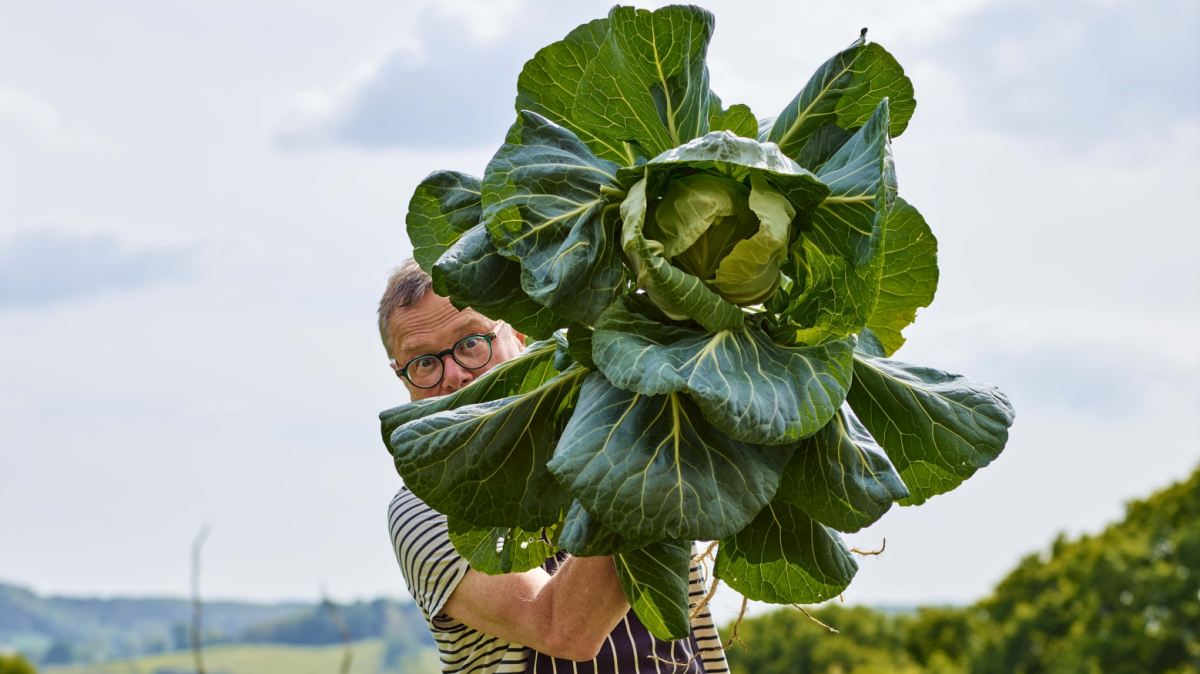
Hugh Fearnley-Whittingstall — organic farmer, celebrity chef, environmental campaigner — is usually sceptical of social media food trends. But there is one that does excite him. “Thumbs up to fibremaxxing,” he tells me enthusiastically from his garden office at River Cottage HQ.
Fibremaxxing, for those living under a rock — or in this case, a giant fibre-dense nut — is social-media code for recipes that maximise ingredients rich in fibre, from chia seeds to chickpeas.
“The idea of eating more fibrous foods is pretty much a win-win,” he says. “For a long time we’ve underappreciated just how much fibre does for us.”
 Fearnley-Whittingstall with the Duchess of Cornwall at River Cottage HQ, 2014getty images
While today fibre is considered a gut health-boosting supernutrient — a healthy gut helps regulate blood pressure, prevent inflammation and protect against disease — this wasn’t always the case. In the Seventies and Eighties, fibre was primarily seen as an aid to weight loss, thanks to the rise of high-fibre diet books such as The F-Plan Diet by Audrey Eyton, which sold more than three million copies and caused sales of bran-based cereals to soar. Plans like this recommended 35-50g fibre per day and theorised that as fibre filled the stomach, it reduced the desire to eat. “There is some science in that,” Fearnley-Whittingstall muses, “but we still didn’t understand the complexity of fibre’s role.”
In the years that followed, fibre shifted from weight-loss secret weapon to “roughage” to keep you regular. “And that’s not wrong either. But now we realise that gut health is a lot more than how many times you go to the loo every day. It’s vital to improving our health,” Fearnley-Whittingstall continues.
Still, today just 4 per cent of adults in this country eat the recommended 30g fibre per day. “This lack goes right to the heart of the health crisis happening all over the West and is marked by soaring rates of obesity, cancer and heart disease.”
It’s why Fearnley-Whittingstall has spent two years compiling recipes for his new book, High Fibre Heroes, which celebrates 12 everyday fibrous vegetables and pulses. Veg like peas, cabbage and carrots, he says, are often overlooked because they index low on fibre compared with ingredients such as chickpeas, beans and chia seeds. “That is only because 70-80 per cent of most plants are water, so it’s a slightly false comparison. The ironic thing is, when people tell you to eat more fibre-dense things like chia seeds, they also say you must drink more water.”
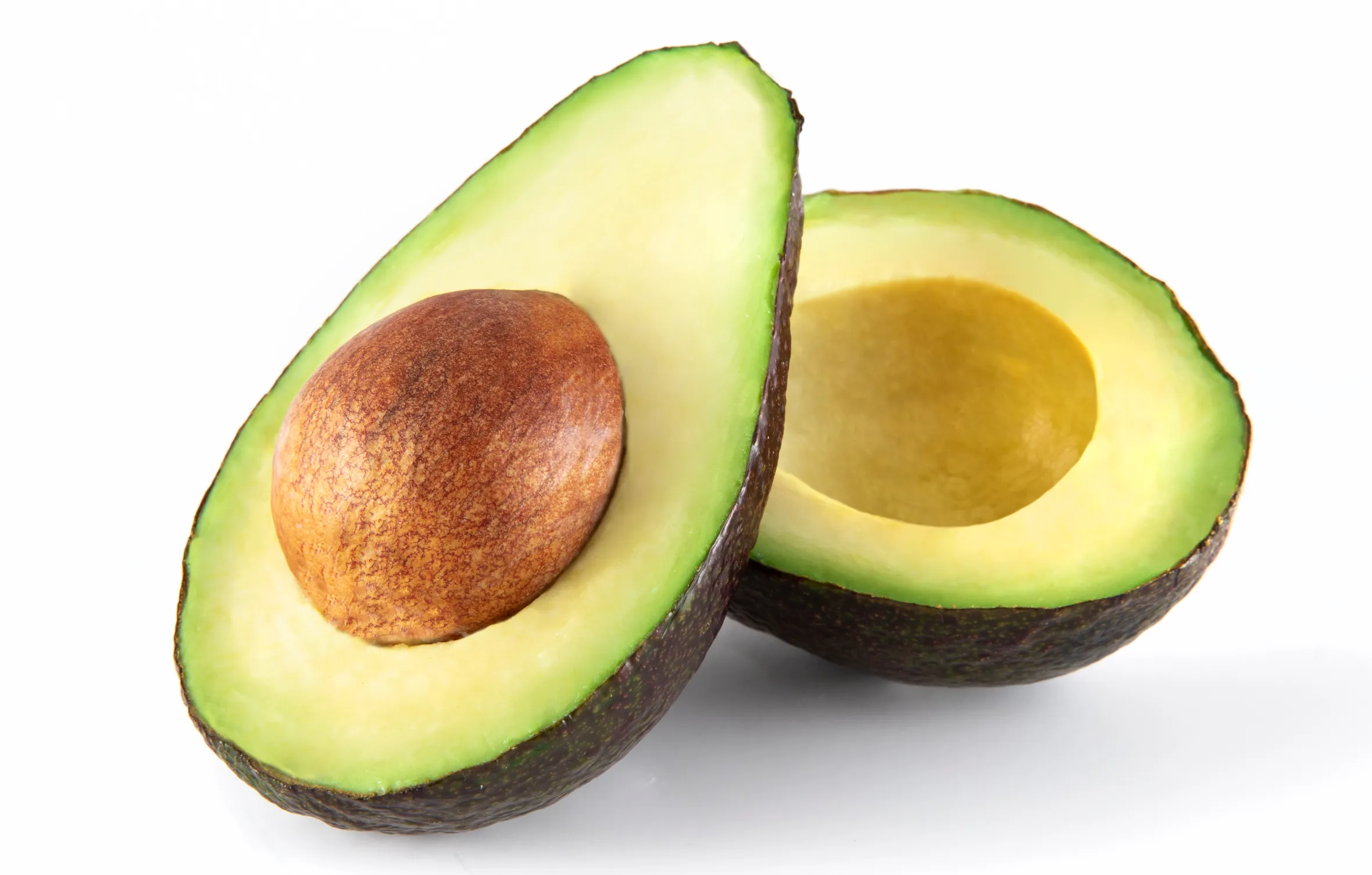 Avocados are a useful source of fibreGetty Images
We’re speaking the day after ministers unveiled an overhaul of school food standards. Out: fish and chips, nuggets and traditional puddings. In: desserts with at least 50 per cent fruit, at least one portion of salad a day and — Fearnley-Whittingstall hopes — much more fibre.
“It’s long overdue,” he says. “If you’ve grown up only seeing food come out of a jar or a microwave, you haven’t seen much of the basic ingredients that are so important to make food healthy.”
At 61 and after more than three decades campaigning for better food, Fearnley-Whittingstall says his own diet has been “fibremaxxed”. His first meal, usually at midday, typically consists of homebaked rye and wholegrain seeded sourdough, topped with an egg and kimchi on the side. Dinner is a selection of vegetables — he eats a mostly plant-based diet — before retreating to the sofa for a film and his favourite fibre-rich snack: popcorn. “The useful fibre and maize is in that nubbly bit at the end of the kernel that gets stuck in your teeth. It’s the best example of how fibre comes in different shapes and sizes.” Hannah Evans
What has the most fibre per 100g?
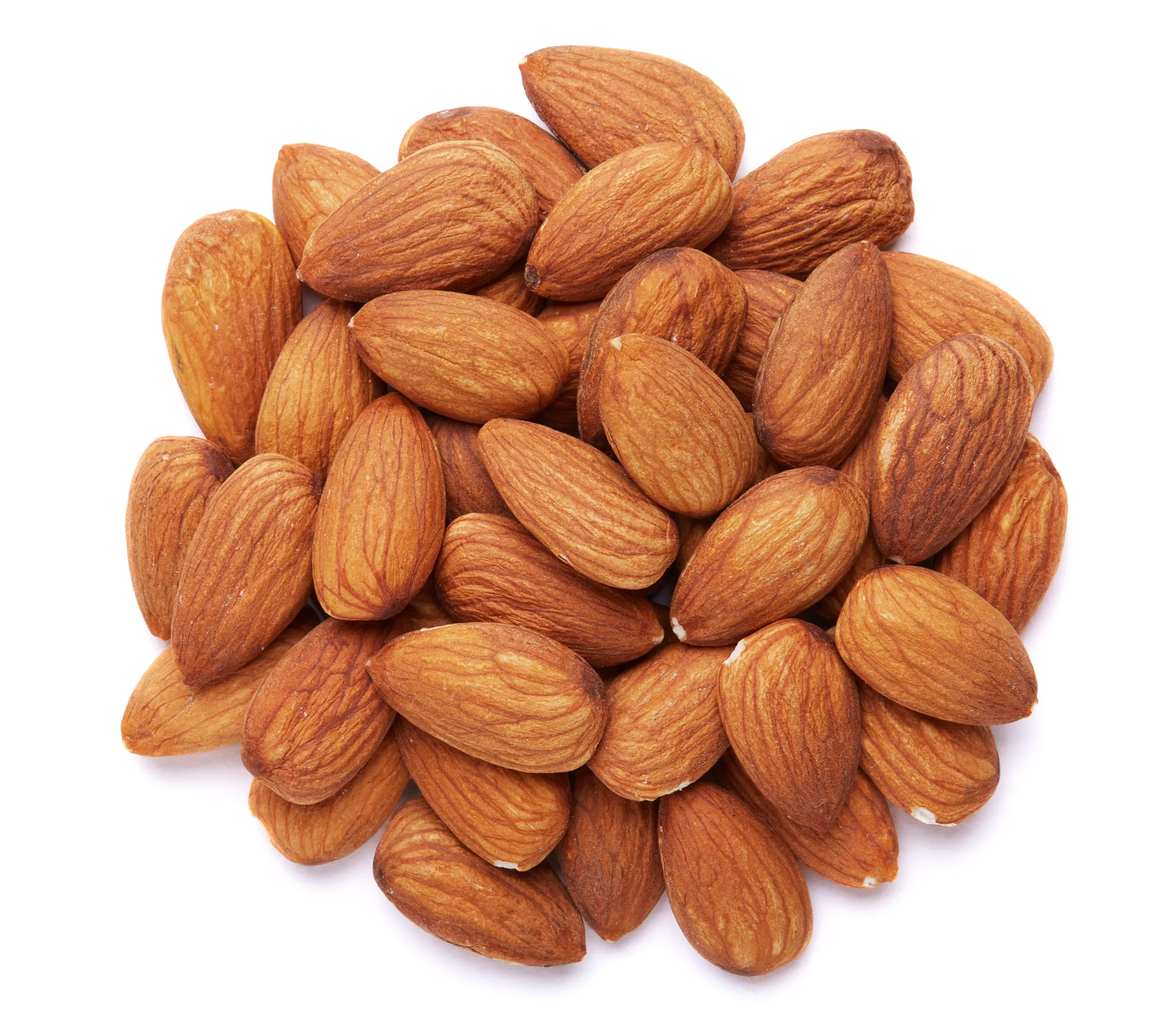
Almonds 12.5g per 100g
Dark chocolate 11g
Pistachios 11g
Oats 11g
Black beans 9g
Chickpeas 8g
Lentils 8g
Cannellini beans 7g
Avocados 7g
Peas 5g
Brussels sprouts 5g
Cabbage 3.5g
Swede 3g
Carrots 3g
Broccoli 2g
Cauliflower 2g
Leeks 2g
Spinach 2g
Sweetcorn 2g
Hugh’s 23 high-fibre heroes
I call these foods my Fibre Favourites and, in many cases, they are snackable treats in their own right. Note: it’s good to increase the amount of fibre you eat gradually, as a sudden increase can cause bloating and wind for some people. There are some gut conditions that are very fibre sensitive, so go to your GP if you have problems that don’t resolve quickly.
 Getty Images
1. Fresh fruit
An apple, a pear, a banana, a handful of grapes, an orange, a kiwi fruit, some berries — all fruit provides fibre.
2. Dried fruit
Prunes, dried apricots, dried figs, raisins and other dried fruits are richer in fibre than many fresh fruits because they contain less water. They are incredibly useful as a natural sweetener in all kinds of recipes too. In a main meal they are particularly handy for adding a touch of sweetness to spicy dishes like tagines and curries.
3. Fresh raw veg
Cucumber, carrot, peppers, cauliflower, celery, tomatoes — all these give you a fibre boost. I often take a box of crunchy veg with me when I travel.
 Getty Images
4. Whole nuts
Unsalted whole nuts, such as almonds, peanuts and hazelnuts, are great sources of fibre. The skins add more — along with flavonoids too — but nuts are still great skin-off. Raw nuts retain more natural goodness than those that are industrially roasted, but toasting them yourself in a pan or in the oven does deepen the flavour, and makes them great for scattering over salads and many other dishes. Raw nuts can be combined with dried fruits, seeds and even a little dark chocolate for a fibre-boosting trail mix.
5. Nut butter
A spoonful of nut butter is delicious with a sliced banana, wedges of apple or celery sticks; spread on wholegrain toast or oatcakes, or just eaten straight from the jar (guilty as charged — but not that guilty). Nut butters are also very handy ingredients for enriching more substantial dishes.
6. Whole seeds
You’ll find seeds called for frequently in my recipes — often to finish them with a nice, crunchy texture — but they’re a delicious snack on their own too. A mix is even better than one single type, and gently toasting them really enhances their flavour.
 Getty Images
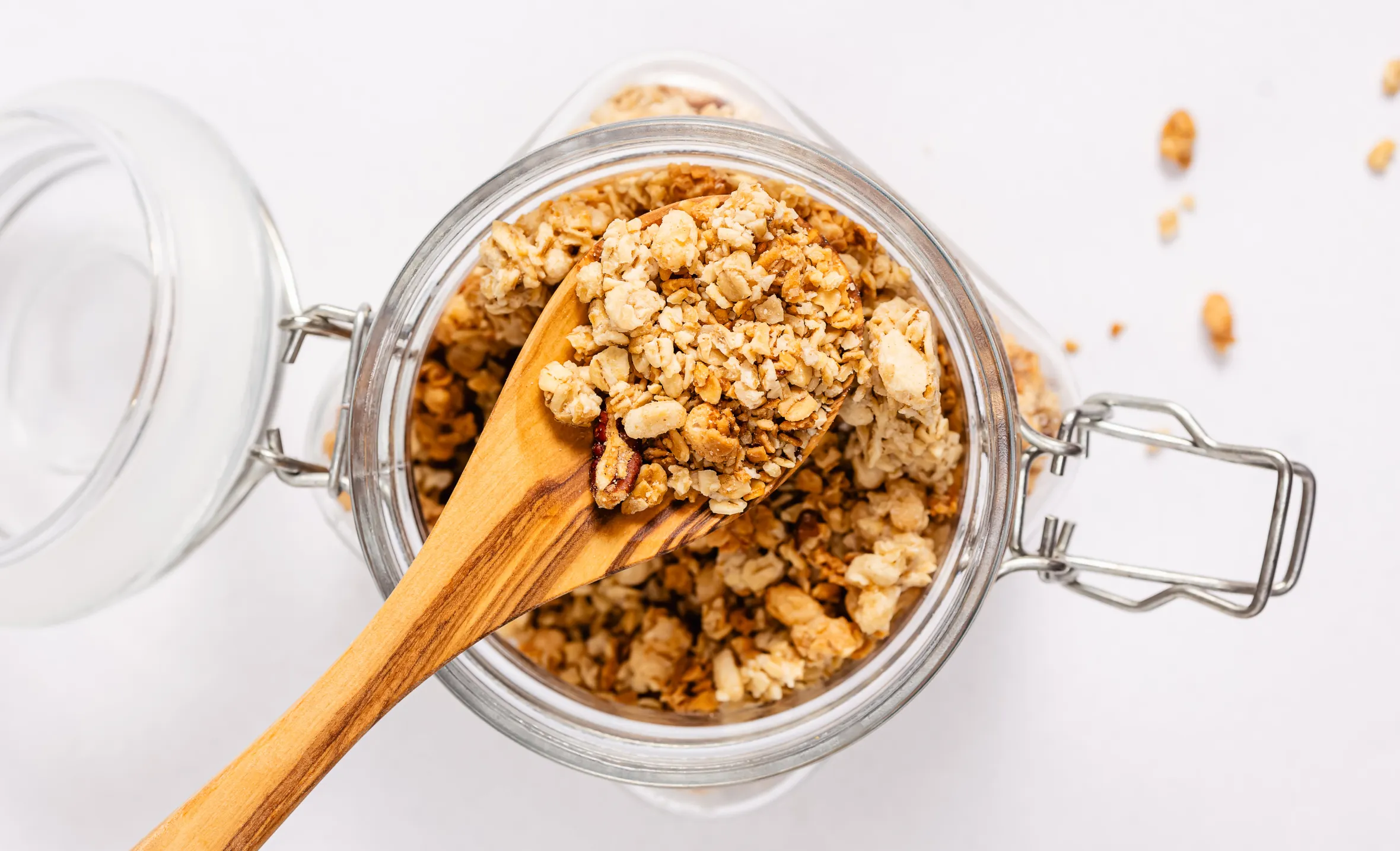
7. Oats
Oats are a very versatile (and inexpensive) high-fibre grain that come lightly processed in various forms: rolled, flaked or chopped into several grades of oatmeal. We probably know them best in a breakfast context — as porridge, granola and overnight oats, where they are soaked in fruit juice and/or yoghurt and combined with berries and seeds. These are a great way to start the day, giving you slow-release energy and plenty of soluble fibre (although they can result in a blood sugar spike for some).
8. Oatcakes
From fine and delicate to coarse and crunchy, all are a good source of fibre. For years I’ve snacked on oatcakes: with cheese of course, but also with nut butters, sauerkrauts and kimchis, leftovers from the fridge, as quick and easy lunches.
9. Wholegrain breadsticks
Crunch these solo or dip into hummus.
10. Hummus
Whether made with chickpeas or other pulses, hummus is a good source of fibre.
 Getty Images
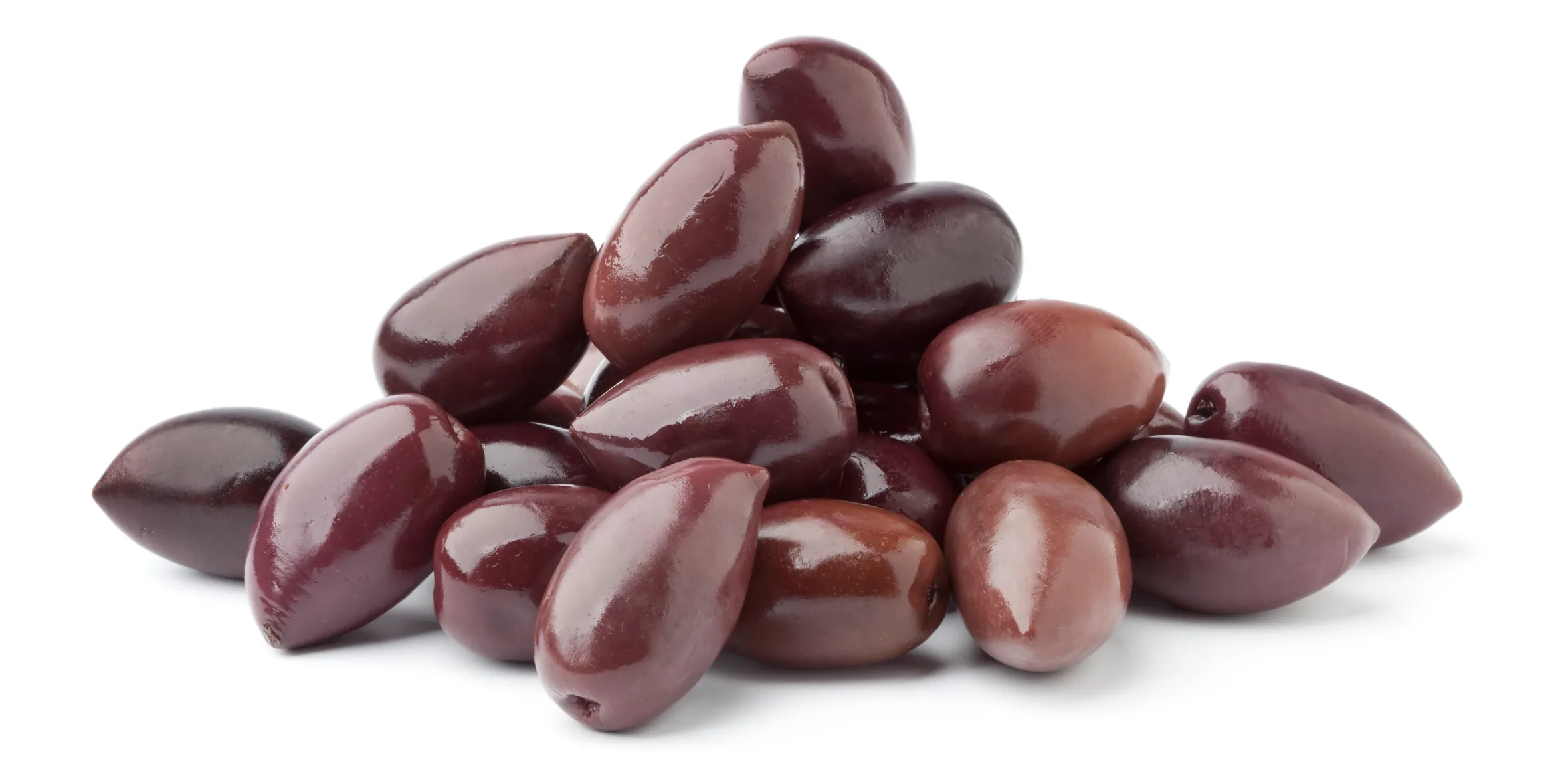
11. Olives
They’re salty, so don’t go mad, but 10 olives will give you on average 1.5-3g fibre. Black olives are particularly good. Most olives are also fermented, “live” food, and so are good for your gut. Added to soups, stews and salads, they are brilliant little bombs of rich umami flavour.
12. Vegetable crisps
These are good as an occasional high-fibre treat, but not something to eat every day because of their salt, sugar and fat content. Check packs before buying to make sure they are minimally processed — added ingredients need not go beyond oil and salt.
13. Dark chocolate
Just 20g dark chocolate will typically give you about 2g fibre. Choose one that’s at least 70 per cent cocoa solids and not full of sugar. There are some great vegan dark chocolates to choose from now too.
 Getty images
14. Popcorn
Corn kernels are a wholegrain, making popcorn potentially a good fibre snack. But branded bags of pre-popped corn usually have more salt, sugar and fat than is good for us. So it’s much better to pop the corn yourself at home. I like to toss it with dukka — a combination of finely chopped toasted seeds and spices.
15. Coffee
This starts life as a berry and so contains 0.5-1g fibre per 100ml cup — a helpful source if you have even one cup a day. Coffee is also a source of polyphenols, which act as antioxidants.
16. Wholewheat pasta
When cooked pasta is refrigerated, the natural starch within it converts to “resistant starch”, which behaves like a form of fibre. Even if the cooled pasta is reheated, this resistant starch is still there.
17. Giant wholewheat couscous
This has a texture that is much more satisfying, to me, than standard couscous (though that is also available in wholewheat form). It cooks in just 6-8 minutes. Like wholewheat pasta, it can be sticky and starchy when cooked and cooled, so toss it in oil or sauce if you want to store it. Reheat thoroughly as for pasta.
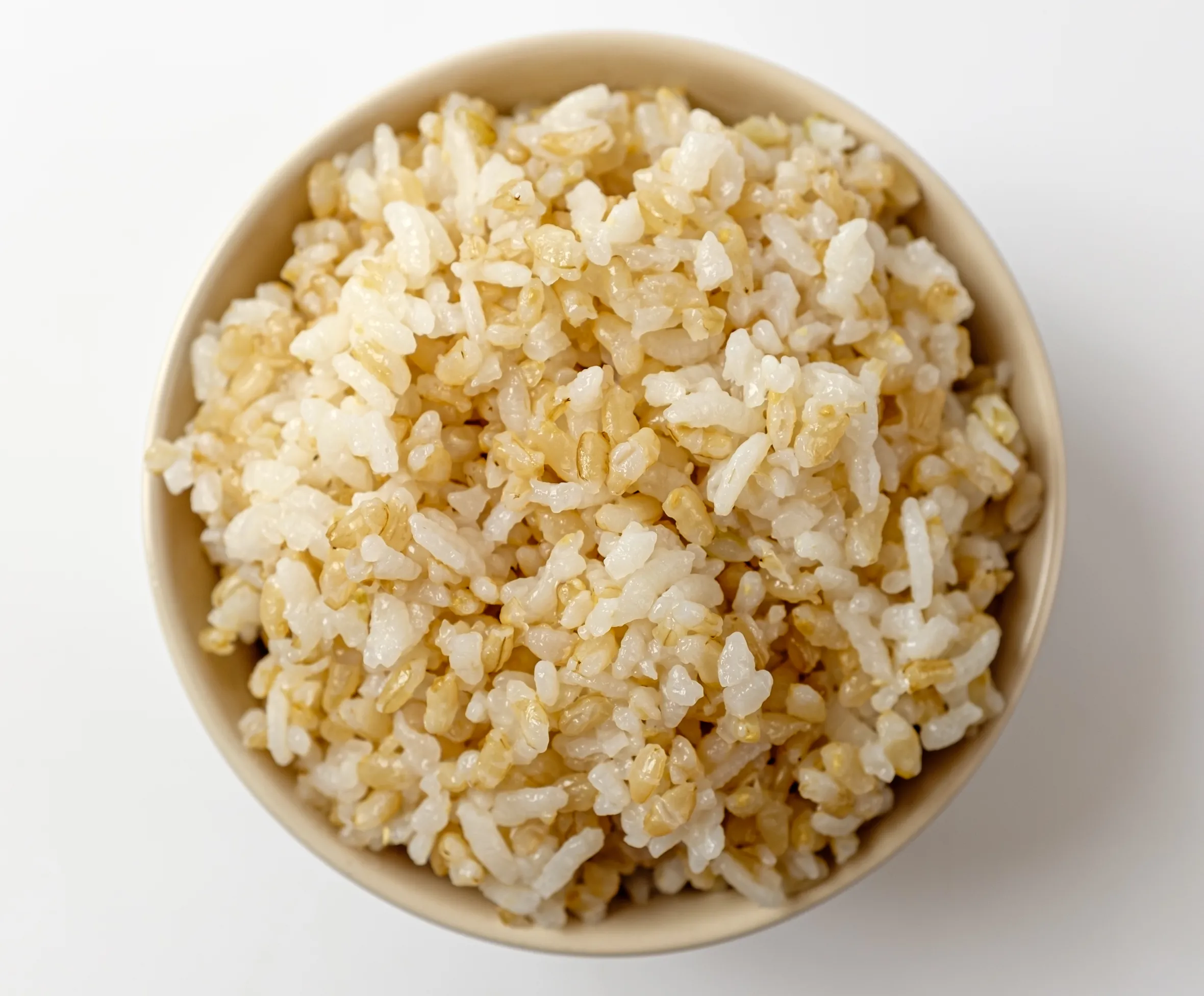
18. Wholegrain/brown rice
Long-grain brown rice takes about 45 minutes to cook but that can be speeded up if you soak the rice in cold water for an hour or two before cooking. Short-grain brown rice cooks much more quickly: it should be ready in 20-25 minutes.
 Getty images
Always put leftover rice in the fridge within an hour or two of cooking it. This is essential. Brown rice can be refrigerated for up to four days or frozen. To use, defrost the rice if frozen then reheat until piping hot in a microwave, in a pan with a little water or stock, or by stir-frying. Like pasta, reheated cooked rice also contains resistant starch.
19. Wholewheat/brown rice/buckwheat noodles
There’s a plethora of wholegrain noodles around these days and they are lovely wholesome ingredients. Wholewheat noodles are quick, usually only needing simmering for a few minutes or soaking in freshly boiled water. Brown rice noodles are a great gluten-free option (as long as they are only made with rice — some rice noodles have wheat too) and only take a few more minutes to cook. Buckwheat noodles have a great nutty flavour.
20. Wholegrain/brown bread
Good bread is a no-brainer way to add fibre and other nutrients to a meal. You can get wholegrain sourdough, pittas and flatbreads, and chapattis are usually wholemeal too.
21. Potatoes
I’ve used “new” or salad potatoes a lot in my book because they are so easy to cook in their skins — and the fibre-rich skin is what makes them “count” as a plant. You absolutely can use maincrop potatoes in their skins instead.
22. Puy lentils
There’s a whole chapter in my book devoted to tinned or jarred lentils, but I want to make a special case for Puy lentils — not least because they are my favourite. They’re not easy to find in tins but you can buy them pre-cooked in pouches. In their dried form they’re widely available and are simple to cook.
To cook dried Puy lentils, rinse them well, soak for an hour or so if you have time (it isn’t vital) then put them into a pan and cover with freshly boiled water. Return to a simmer and cook, unsalted, for 15-20 minutes, or until tender but with just a little bite.
Drain, leave to cool and keep in the fridge to serve with almost any veg dish.
23. Tinned beans and chickpeas
They are fantastically useful, nutritious, high-fibre, meal-making ingredients. When I am improvising a saucy dish, either from scratch or from leftovers, there comes a point when I ask myself: would it be a good idea to add a tin of beans to this? And more often than not, the answer is yes.
Extracted from High Fibre Heroes by Hugh Fearnley-Whittingstall (Bloomsbury, £26), published on May 7. Order from timesbookshop.co.uk or call 020 3176 2935