
By pursuing an agreement, the government appears ready to adopt “unnecessarily stringent” EU SPS controls on imports from non-EU countries, said Jenney.
This risks triggering “thousands of additional and unnecessary border delays, considerably more inspections, more paperwork and port congestion — every added layer acting as a compounding financial penalty on trade,” he warned.
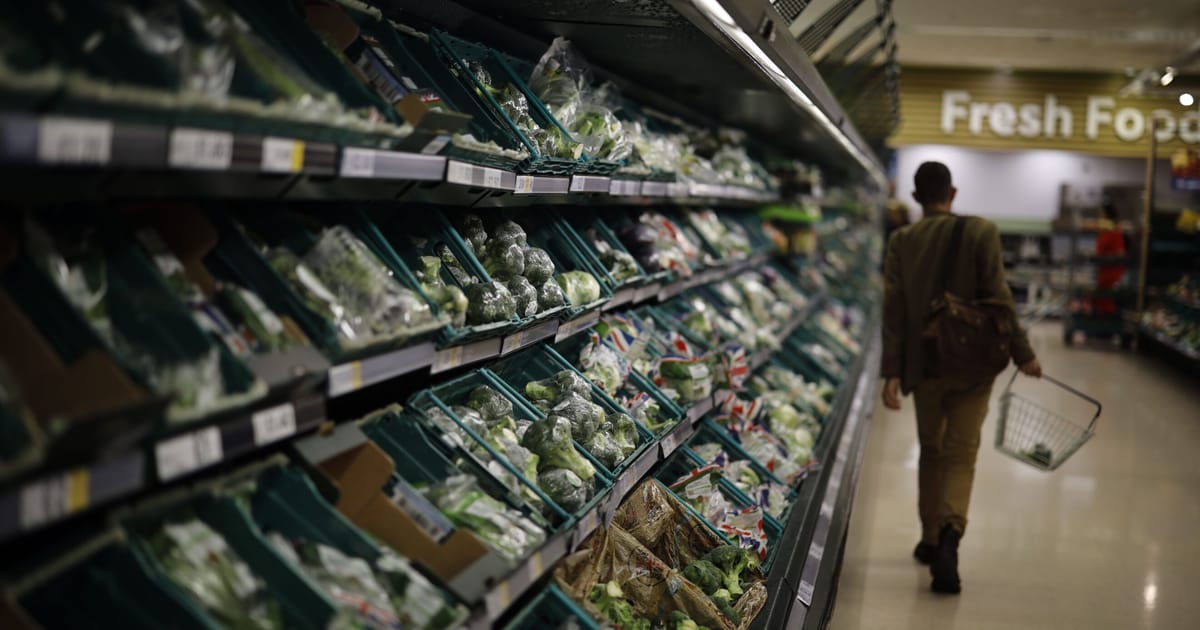
Analysis conducted by the Fresh Produce Consortium — seen by POLITICO — suggests that a number of staples from the weekly shop could be negatively impacted as border checks for non-EU produce are ramped up — from Moroccan cucumbers and Indian mangoes to South African citrus fruits and U.S. sweet potatoes. This is expected to add a cost of around £400 million to the supply chain, the consortium estimates.
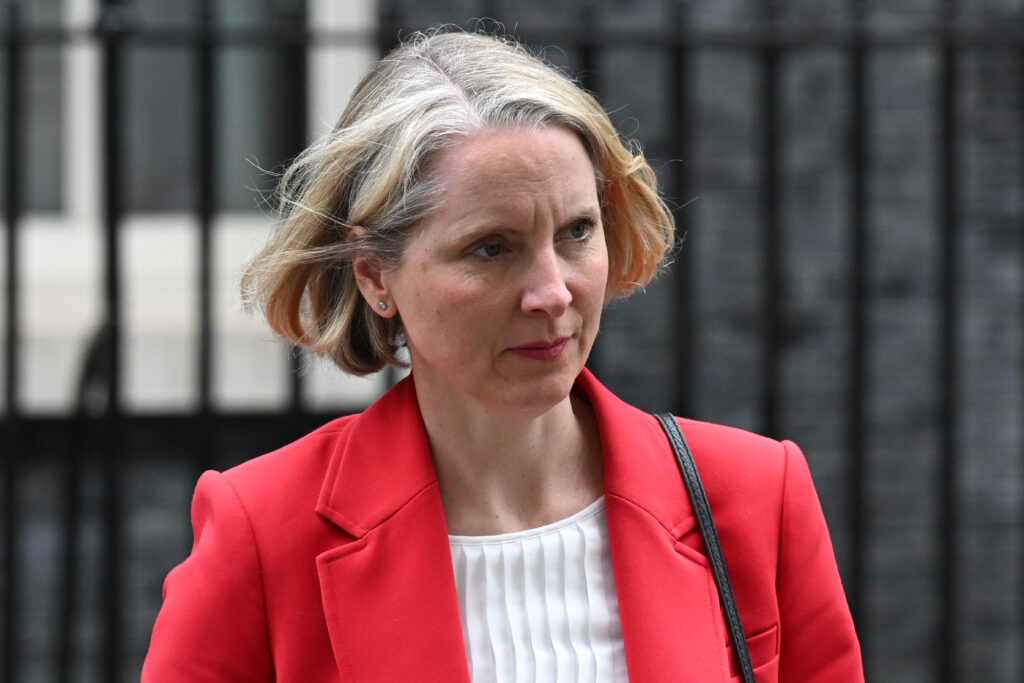 U.K. Environment Secretary Emma Reynolds leaves No. 10 Downing Street after a Cabinet meeting on March 24, 2026. | Leon Neal/Getty Images
Beyond imports, firms have warned that the SPS deal risks imposing costly burdens on domestic growers, who are forced to impose EU standards even if they have no plan to export to the bloc.
On March 9, the government set out the proposed scope of the SPS deal, covering areas such as food safety, packaging, labeling and pesticides. Announcing the plans, Environment Secretary Emma Reynolds said they would make “trade easier and cheaper, and deliver tangible benefits for British businesses.”
CropLife, which represents the plant science industry, fears it could have the opposite effect. In a recent report, the trade association warned that alignment with the EU’s regulatory regime for agricultural pesticides alone could wipe £810 million off British farmers’ profits in year one, with knock-on effects for food prices.