
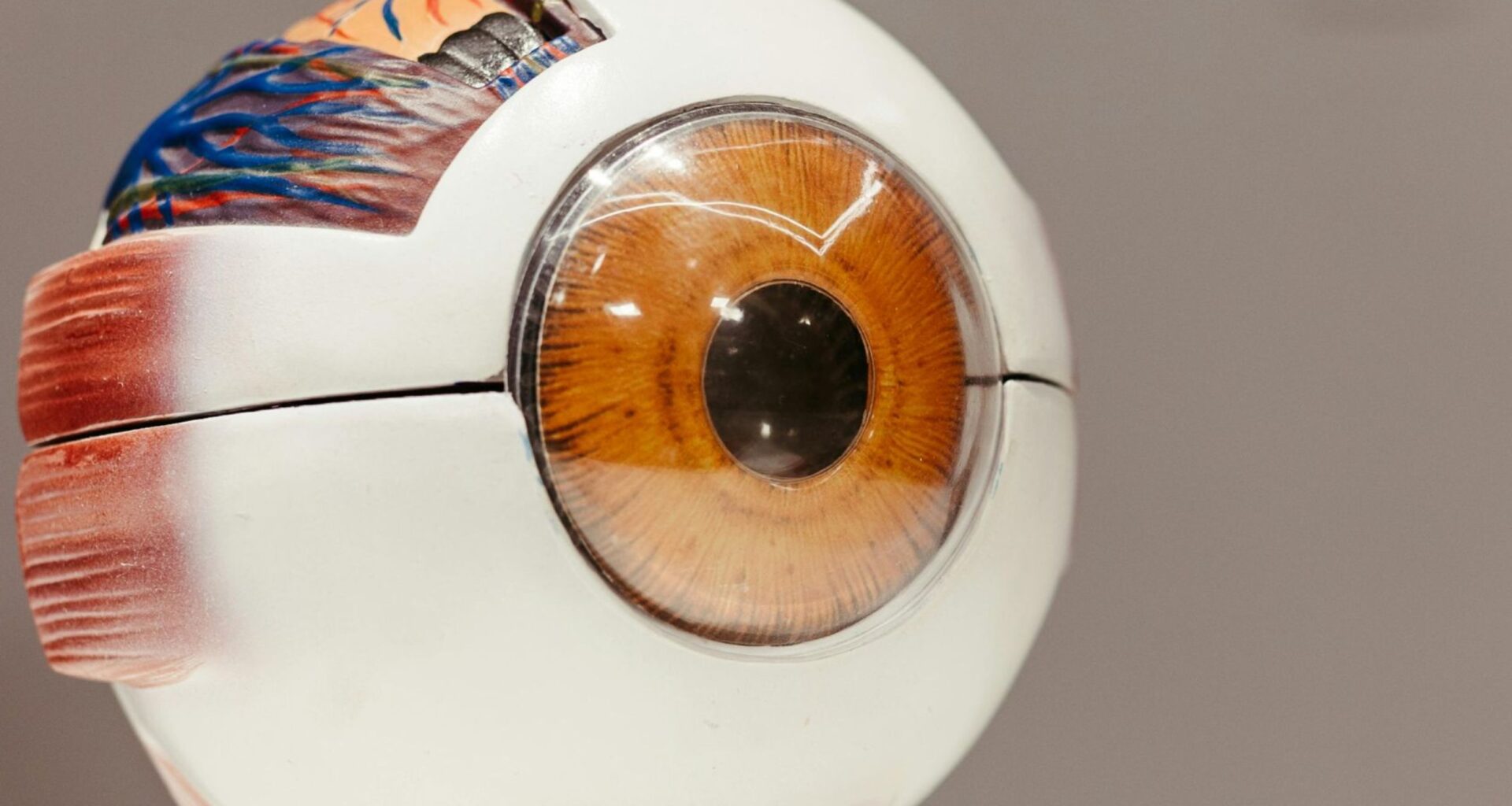
Repeated injections of a clear surgical gel have restored vision in seven of eight people whose eyes had collapsed from chronically low pressure.
The finding reframes a condition long considered untreatable and opens a path back to everyday sight for patients once told little could be done.
Turning surgical gel into therapy

The recovery unfolded inside eyes that had lost their normal shape after pressure dropped so low that vision slowly faded.
By keeping a familiar clear gel inside the eye rather than removing it, clinicians at Moorfields Eye Hospital documented the eye regaining its intended size and optical function, as observed by consultant ophthalmologist Mr. Harry Petrushkin.
Sight returned gradually as repeated injections held the eye open long enough for visual structures to realign and remain stable over time.
That constraint sets up the central question that follows, whether this restored stability can last and for whom it truly works.
Importance of eye pressure
Low pressure lets the eye wall sag inward, and vision blurs as the retina and lens lose alignment. Doctors call the condition hypotony, when eye pressure stays too low to hold structure firmly.
When the eye makes less internal fluid, the front chamber shallows and the back wall can fold.
Once those folds become permanent, surgeons may not be able to smooth them, even if pressure rises later.
Surgeons already use hydroxypropyl methylcellulose, a clear gel during eye operations, and they usually shorten the name to HPMC.
During routine procedures, HPMC coats delicate surfaces and keeps tissues from sticking while surgeons work in tight spaces.
Its transparency matters, because light still passes through it, letting doctors check the retina instead of guessing.
That familiar safety profile gave the team room to try repeated injections without introducing a brand-new substance.
Doses that re-inflate eyes
A small series followed eight patients for 12 months as clinicians injected HPMC about every 2 to 4 weeks.
“A bit like if you’re pumping up a ball, you can pump it up to exactly the right size, and then the eye can see much better,” said Petrushkin.
Once the eye held its size for weeks, doctors paused injections and watched whether pressure stayed steady without another dose.
Changes patients could feel
Restoring the eye’s shape changed more than a chart score, because people regained confidence doing normal things again.
“I’ve been able to take my son skiing,” said Nicki Guy, 47, after treatment improved vision in her left eye.
By restoring volume, the gel held the eye’s walls outward, which reduced distortion and made sight sharper in many cases.
Even with better sight, patients still needed frequent checkups, and doctors warned that the approach cannot repair a damaged optic nerve.
Why oil was a problem
Before HPMC, doctors often filled the eye with silicone oil, a thick liquid used to support fragile retinas.
Long-term oil can trigger complications like high eye pressure and corneal damage, and it can blur the view for doctors.
“The advantage of using a gel rather than silicone oil is that you can actually see through it much better,” said Petrushkin.
That clearer window could help clinicians monitor the retina, spot swelling earlier, and decide sooner whether a patient needs another injection.
Side effects stayed manageable
The pilot did not look risk-free, but the team tracked side effects closely and acted fast when problems appeared.
Two eyes had uveitis, inflammation inside the eye’s tissues, and the gel turned cloudy until doctors used steroid drops and shots.
Two patients briefly lost vision after an injection, and doctors reversed it with paracentesis, a small needle release of excess fluid.
Those events resolved, but the study remained small, and larger trials will need to watch for rarer harms.
Who this could help
Doctors targeted people whose eyes still had usable vision, because a collapsed eye cannot reveal sight that is gone.
A national estimate puts new cases near 100 a year in the United Kingdom, so recruiting remains hard.
The team looked for low pressure lasting more than 3 months, plus a clear cornea and a clear path for light.
If disease has already destroyed the optic nerve, adding volume will not help, even if the eye regains shape.
More eye pressure gel testing
The next challenge is proving the approach works beyond a small pilot, and finding a schedule people can live with.
Researchers plan to compare gels and track how long each keeps the eye firm without frequent top-ups.
Because HPMC already sits in operating rooms, clinics could adopt the method faster if trials confirm lasting results.
Until that happens, specialists will need to judge each case carefully, and patients will still face repeat injections.
The gel worked by replacing lost volume and pressure, letting some eyes return to a shape that supports focus.
Larger trials must confirm safety and durability, but the idea already turns a once-stalled problem into something doctors can adjust.
The study is published in the British Journal of Ophthalmology.
—–
Like what you read? Subscribe to our newsletter for engaging articles, exclusive content, and the latest updates.
Check us out on EarthSnap, a free app brought to you by Eric Ralls and Earth.com.
—–