
‘The Wizard of Oz’ is a cursed film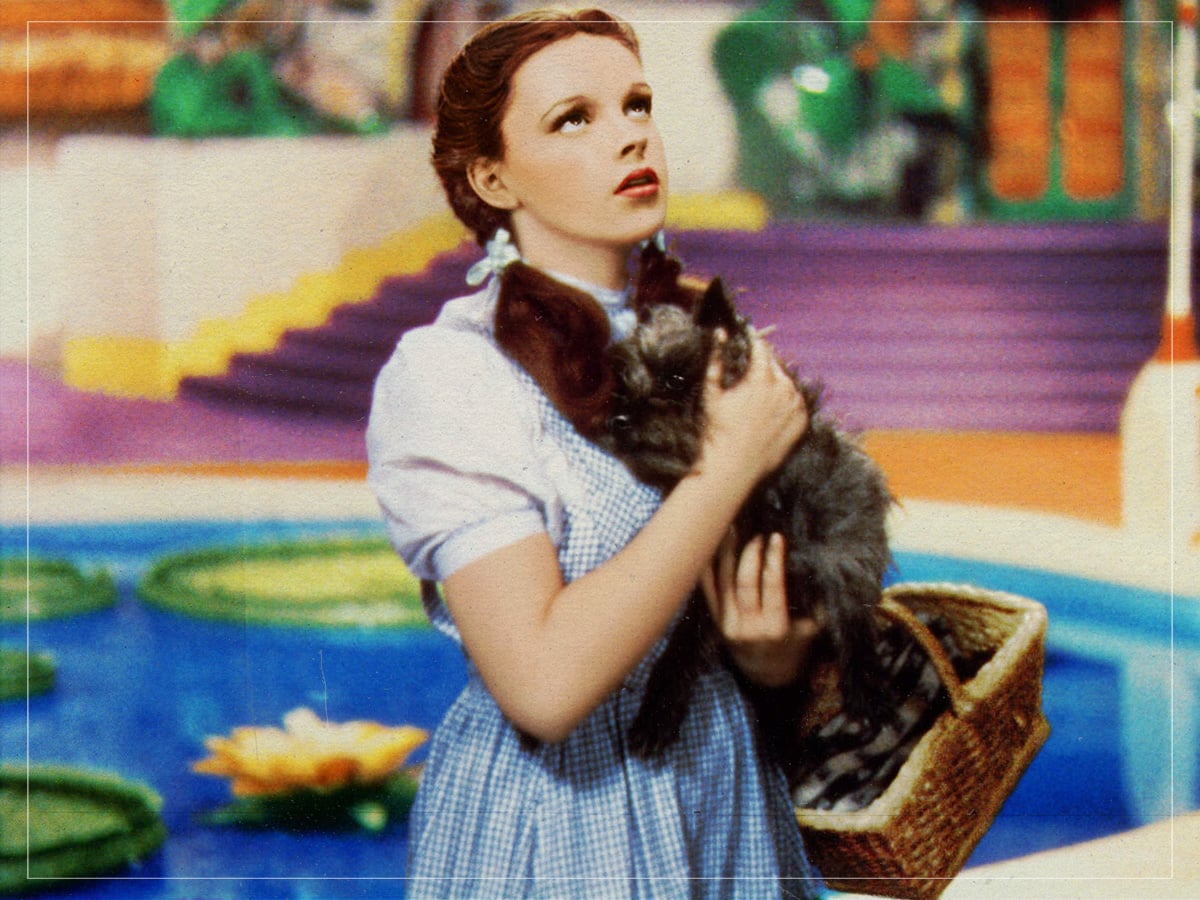
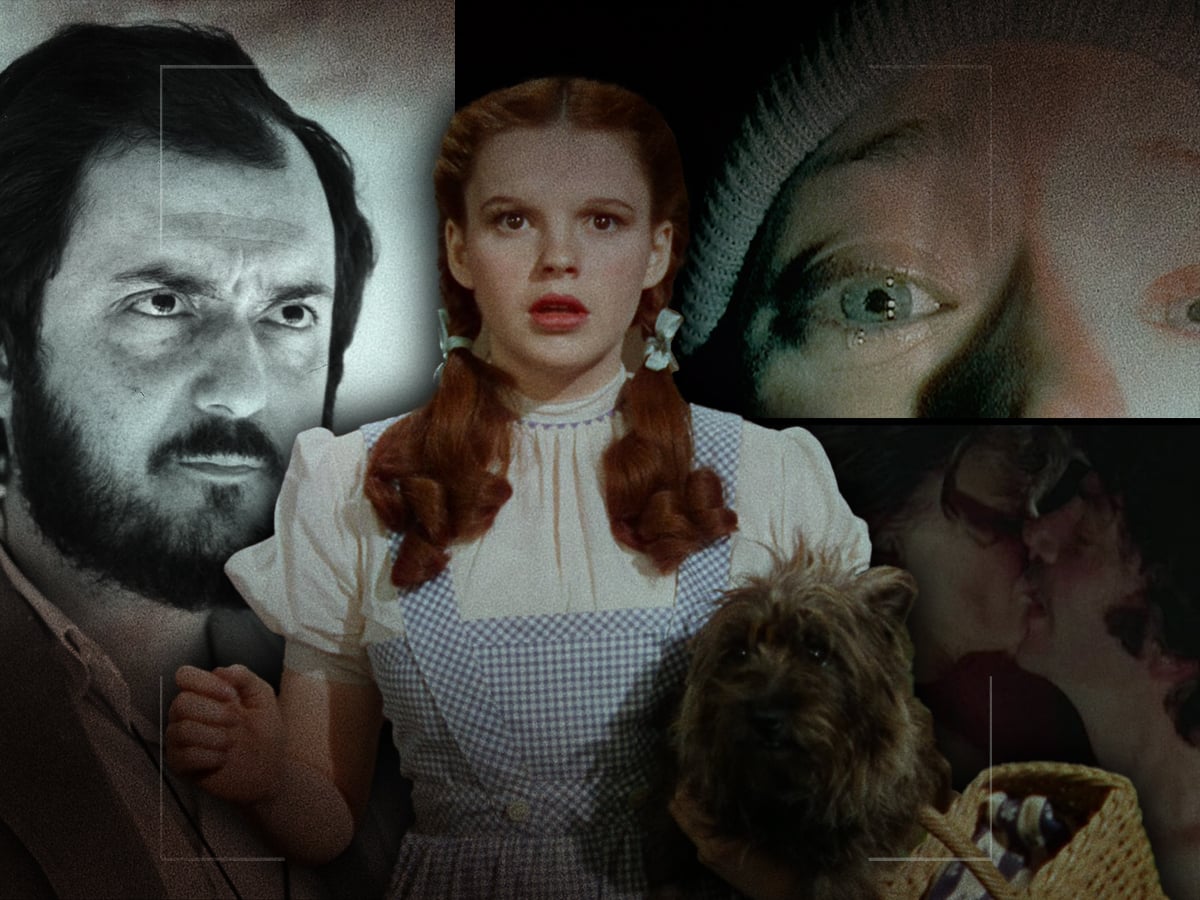
The Wizard of Oz is one of the most joyful films of all time, and it’s perhaps because of its endearing appeal and imagination that it has been associated with many different conspiracy theories and dark readings. The urban legend that an extra playing a munchkin died by suicide on set has been debunked when high definition footage revealed that this was a trick of the light, and Pink Floyd also confirmed that The Dark Side of the Moon was not intended to sync up with The Wizard of Oz, despite the insistence of fans who created The Dark Side of Oz cut.
That the film is also blamed for the decline of Judy Garland is also misleading, as the late actor’s death and health issues were a result of the many abuses she endured on the part of her parents and employers, which weren’t exclusively tied to The Wizard of Oz.
George Lucas planned the entire ‘Star Wars’ franchise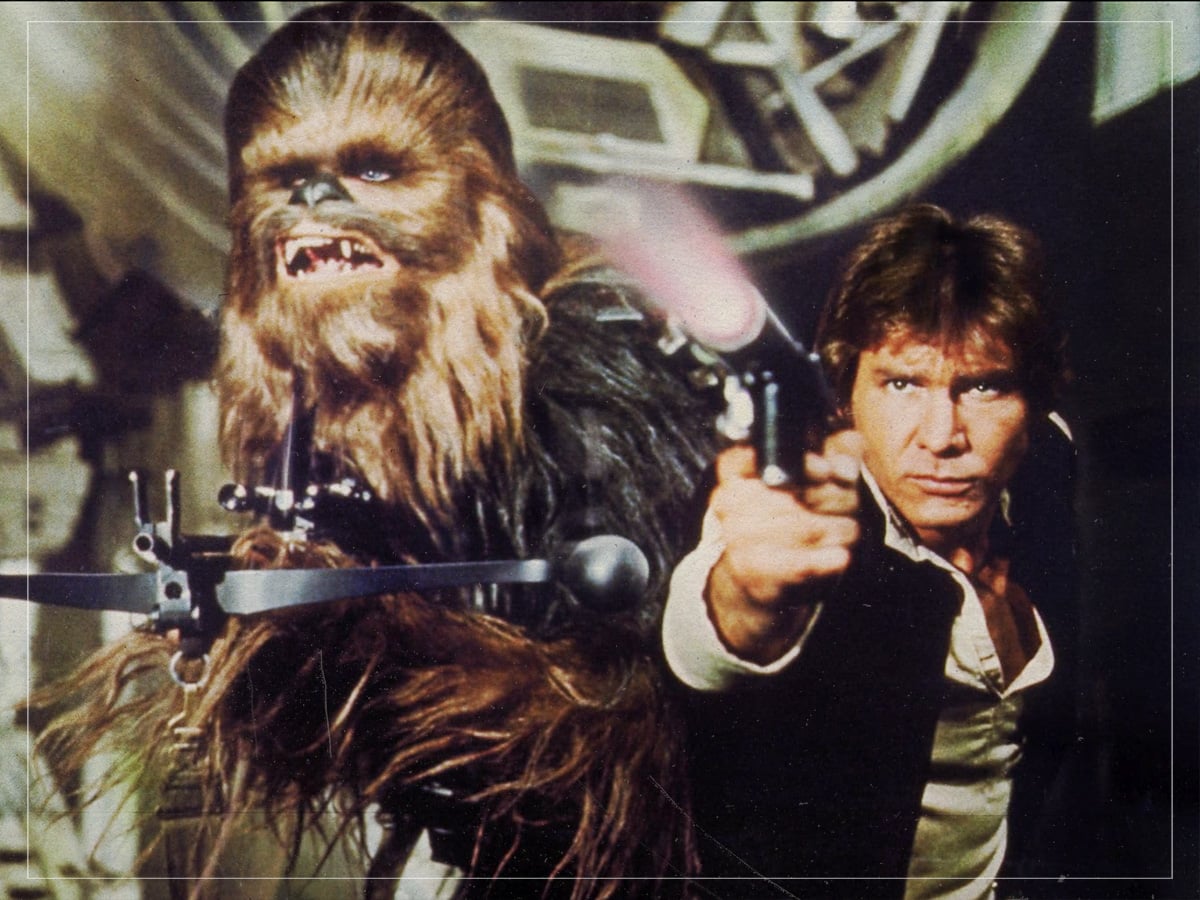
George Lucas was certainly a visionary who was ahead of his time in many ways, but he’s also been mythologised as a genius who wrote the entire script for the Star Wars franchise years before the original film was released. Although the lack of planning out the sequel trilogy has been a sticking point among critics of Disney’s run at Lucasfilm, Lucas didn’t entirely have the original films mapped out either; the twist that Leia was Luke’s sister wasn’t decided until Return of the Jedi was being made, as evidenced by the moment in which they kiss in The Empire Strikes Back.
One of the main reasons that Lucas has made so many changes to the original trilogy in the various ‘Special Editions’ and home video releases is in order for them to become more consistent with the ideas he made up for the prequels.
Stanley Kubrick was a crazed lunatic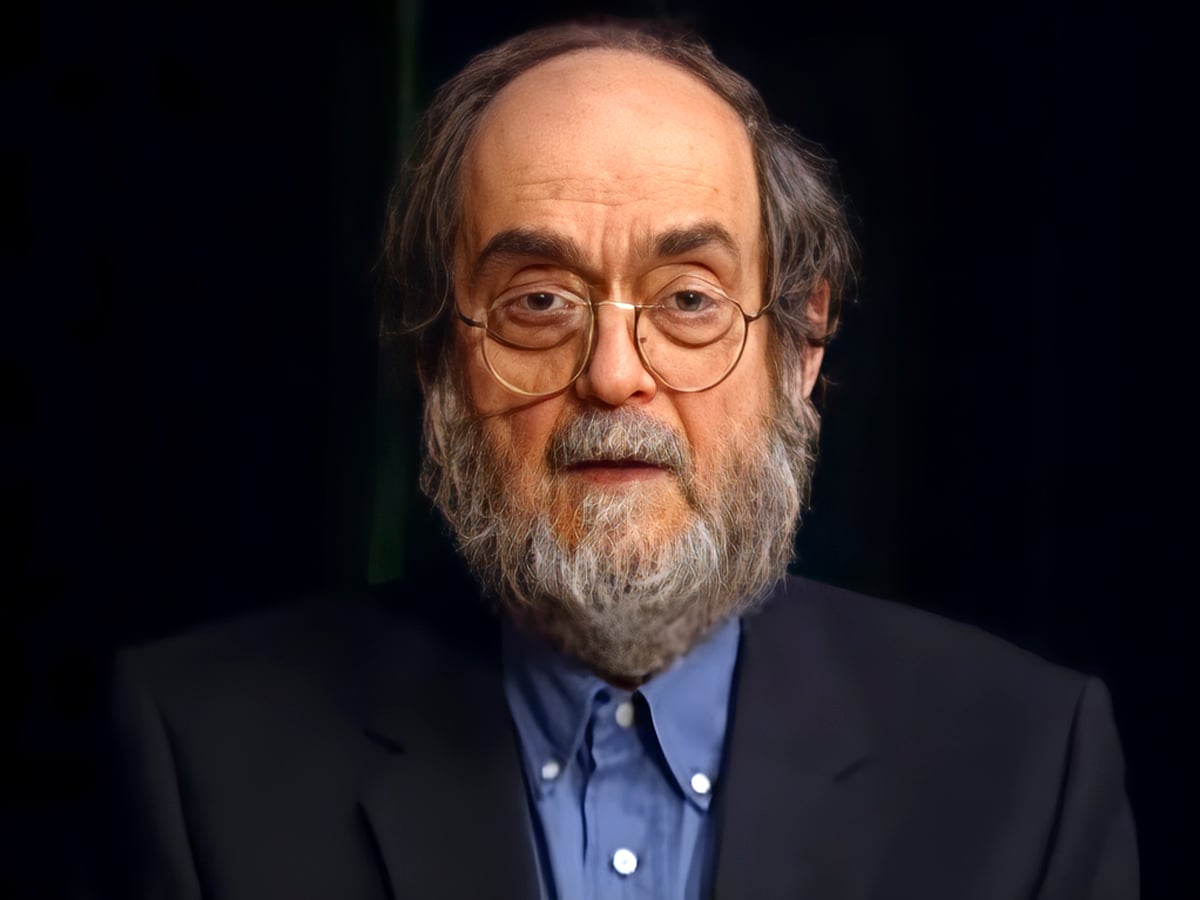
Stanley Kubrick is perhaps one of the greatest directors ever, but his aptitude for being exacting has given him an unusual reputation among conspiracy theorists. The most prevailing conspiracy is that Kubrick was somehow involved in a ploy to fake footage of the moon landing because of how realistic he had depicted space travel a year prior in 2001: A Space Odyssey.
This obviously isn’t true, just as it’s false that Kubrick in any way apologised for his role in a scam by including imagery of Apollo 11 in The Shining. More recently, conspirators have claimed that he had been murdered for exposing a sex trafficking ring in Eyes Wide Shut, and that his alleged ‘true cut’ was censored. In reality, Kubrick was said to be immensely satisfied with the version of Eyes Wide Shut he delivered after dying from a heart attack, which wasn’t surprising for a man with serious health issues.
The sex scene in ‘Don’t Look Now’ was unsimulated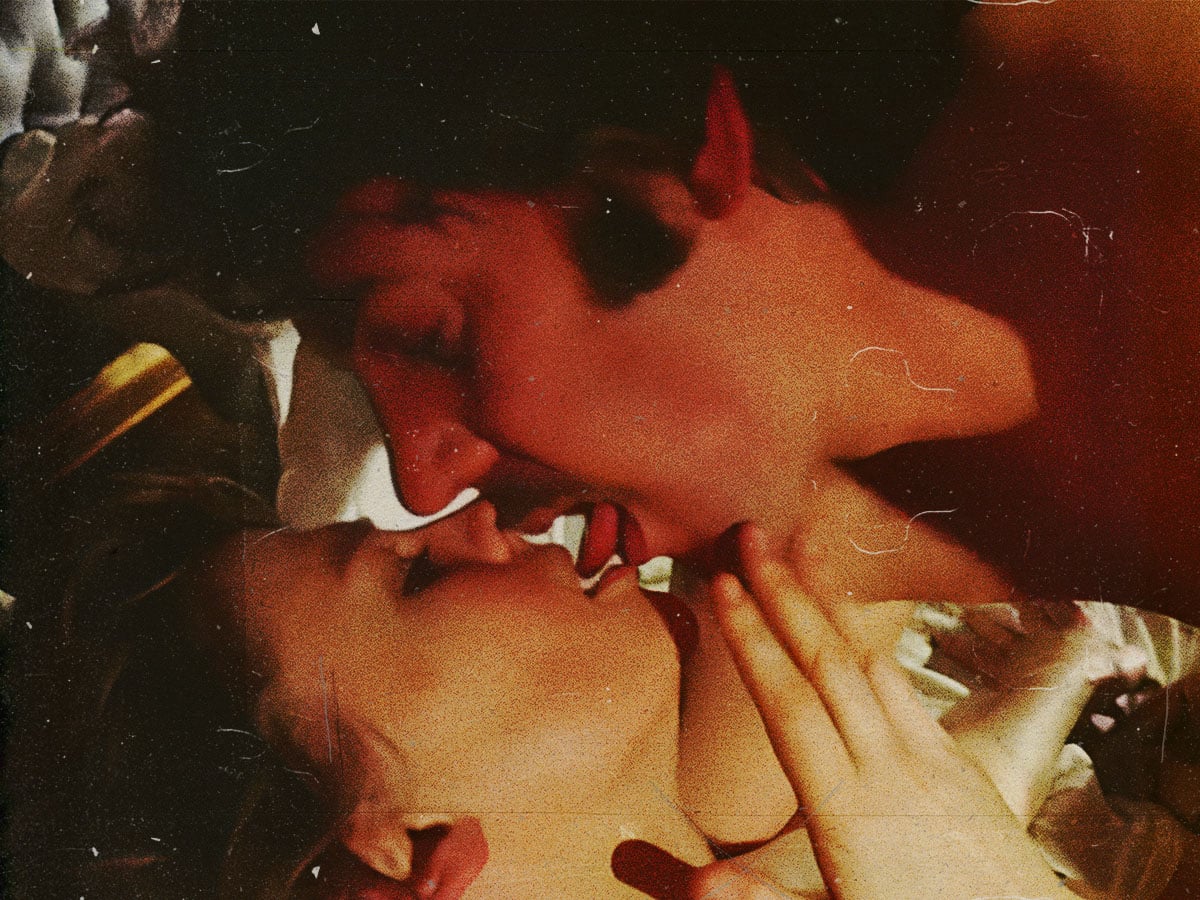
Donald Sutherland and Julie Christie play grieving parents in Nicolas Roeg’s terrifying horror classic Don’t Look Now, which features one of the greatest sex scenes in cinema. The scene was so graphic that it led to a theory that it was unsimulated, with some claiming that Christie’s then-boyfriend, Warren Beatty, had demanded it be cut. This emerges from a report by Variety editor Peter Bart, who had falsely claimed that he was on set when the scene was shot.
Although Don’t Look Now faced an endless series of censorship woes (as Roeg had to cut several frames in order to avoid an X-rating in the United States), Sutherland maintained up until his death that there was nothing legitimately pornographic onscreen. It’s unusual that the film attracted so much controversy when it was released the same year as The Last Tango in Paris, which is deserving of backlash.
‘The Blair Witch Project’ was real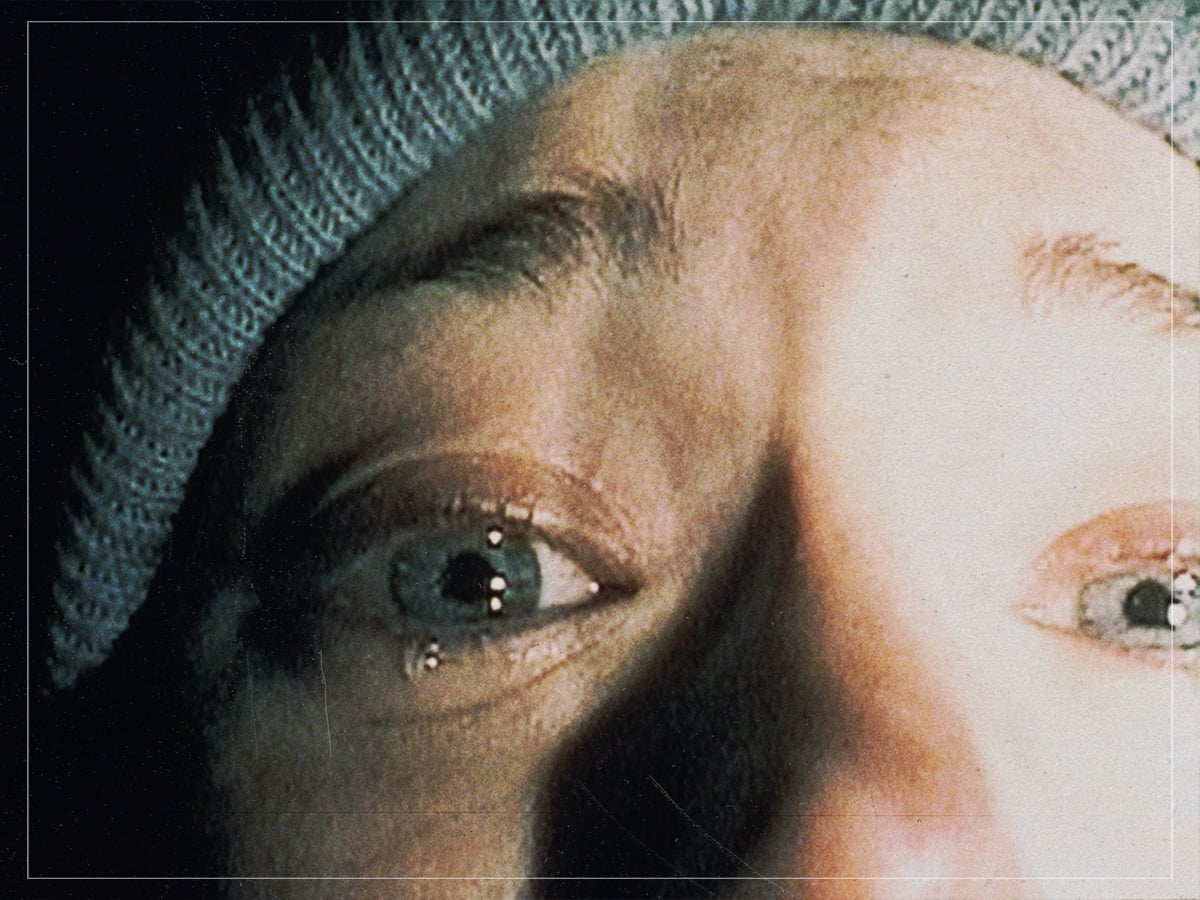
The Blair Witch Project was the rare case in which a film emerged at just the right time, where it could be experienced by an audience who didn’t have the capability to learn too much about it ahead of time. It was thanks to the anonymity of an independent production and the lack of insight details leaked to film blogs that The Blair Witch Project hit theatres and managed to convince a surprising portion of the audience that it was a real documentary.
Given that it was the first found footage horror film, and wasn’t marketed as an obvious satire like This Is Spinal Tap, it felt more grounded during an era in which documentaries actually did good business at the box office. The only true horror involved was the pay dispute, in which the film’s stars weren’t compensated properly for the film’s overperformance.
‘The Texas Chainsaw Massacre’ was based on a real story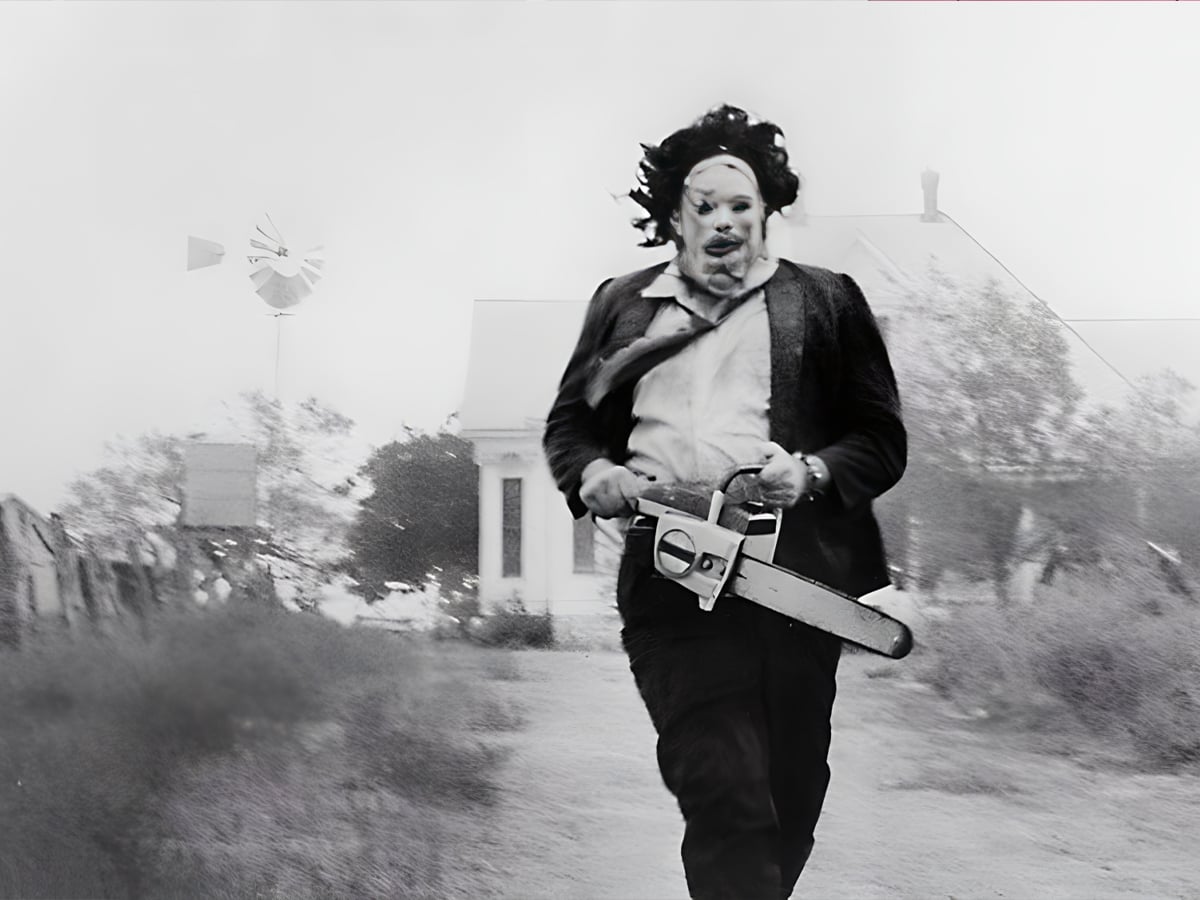
The Texas Chainsaw Massacre had one of the greatest marketing campaigns of all time because it falsely claimed to be based on a true story, which director Tobe Hooper saw as a way to convince audiences to buy into the realism of his terrifying vision of a cinematic slasher. While there were some elements of the Leatherface character that took loose inspiration from the real serial killer Ed Gein, all of the ‘facts’ included within the film’s disturbing opening credits are purely fictitious.
Even if this was a misleading component of the film, it was at least done with artistic intentions in mind. Joel and Ethan Coen would later do the exact thing when they presented Fargo as being based on a true story, even if it didn’t end up sparking the same uproar that The Texas Chainsaw Massacre did.
‘The Snyder Cut’ was real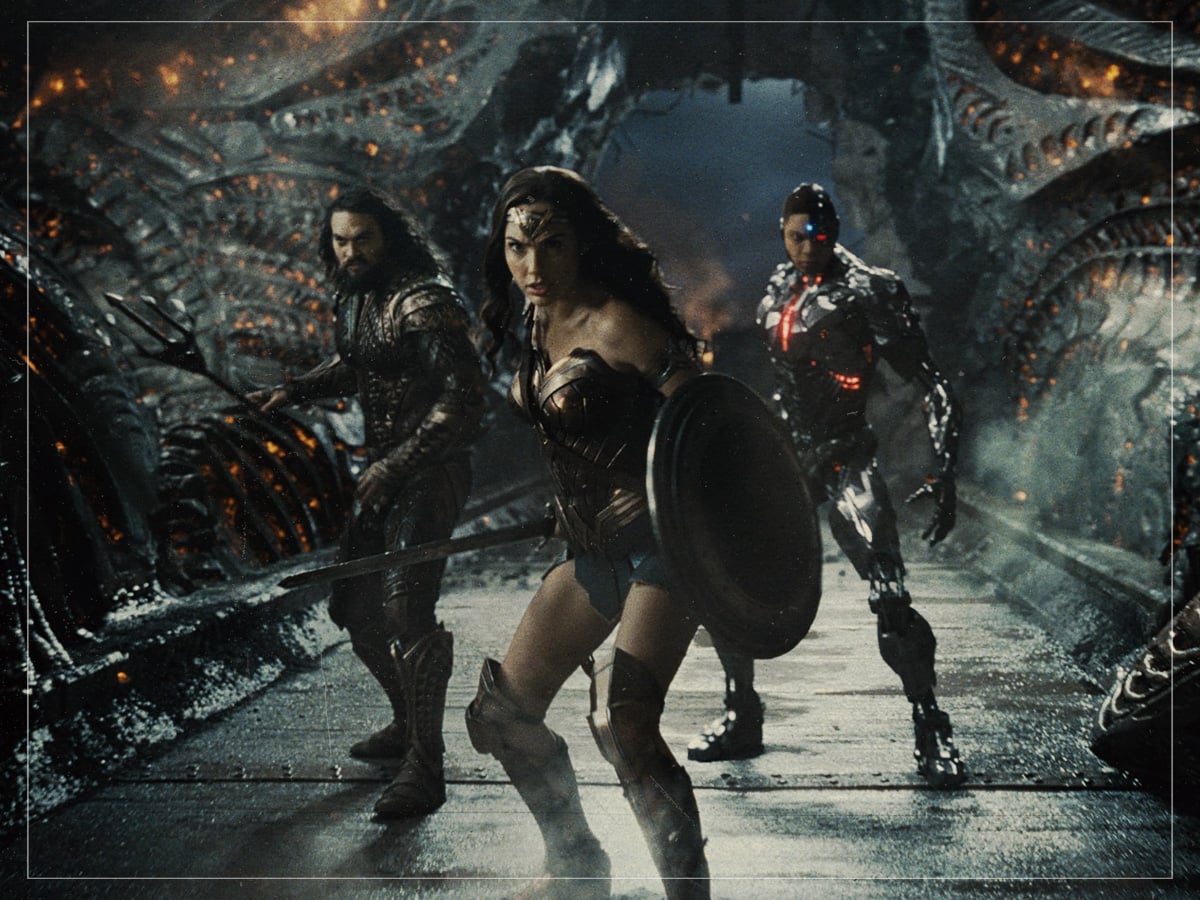
Zack Snyder developed a cult-like fandom that became so powerful that Warner Bros gave him the authority to create a director’s cut of Justice League, the 2017 film that he had partially been on set for before handing over duties to Joss Whedon.
Although Snyder’s fanbase claimed that Warner Bros had secretly been censoring the director’s vision, the reality is that his cut of the film was never assembled or completed; in order to release Zack Snyder’s Justice League, the studio invested $90million to add new scenes and augment the effects.
Although the extremely negative reaction to Snyder’s DC work led the universe to be revamped under James Gunn and Peter Safran, his fanbase has notoriously lobbied both Warner Bros and its new owners to restore the ‘Snyderverse’. Ironically, none of this enthusiasm has seemed to benefit him, as Netflix cut ties with the director when the Rebel Moon films underperformed.
Steven Spielberg and George Lucas destroyed New Hollywood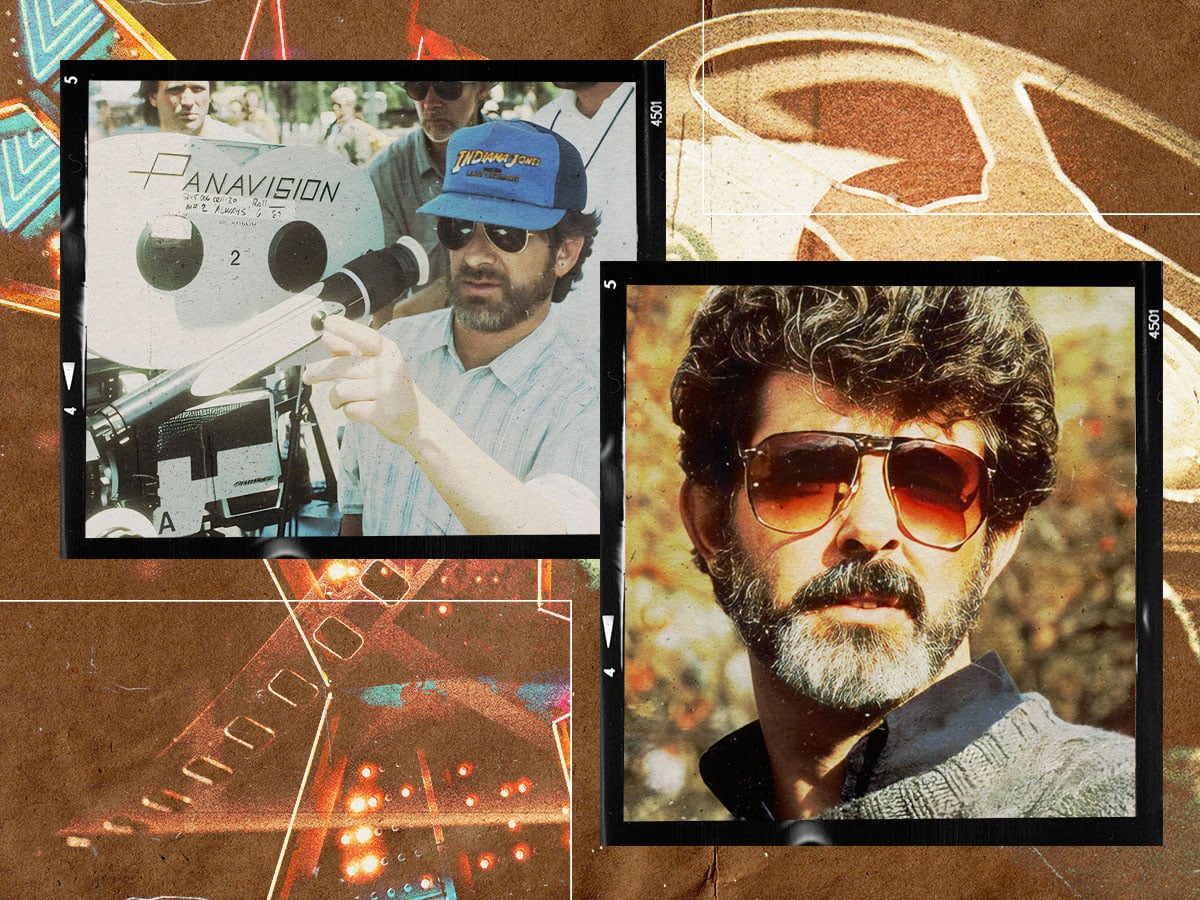
Steven Spielberg and George Lucas created the two biggest films of the ‘70s with Jaws and Star Wars, respectively. Some saw the growth of studio blockbusters aimed at capturing that same magic as the official end to the New Hollywood era, but the age of experimentation didn’t prevent other auteur-driven films like Raging Bull, Terms of Endearment, Fatal Attraction, and Rain Man from being huge hits in the ‘80s.
In the midst of his incredible run of hits, Spielberg was still directing adult-driven films like The Color Purple and Empire of the Sun; Lucas also helped executive produce Tucker: A Man and His Dream and Body Heat, while working on the Star Wars franchise. What truly killed New Hollywood were the high-profile flops, such as Michael Cimino’s Heaven’s Gate, Elaine May’s Ishtar, and Francis Ford Coppola’s One From The Heart.
Streaming is killing the theatrical market
Netflix went from being a DVD rental service to a powerful streaming service that generates more films and shows than any other studio, and it’s inspired other streamers to do the same. While Netflix is often cited as the reason that theatergoing has gone down, audiences have still shown an interest in coming out for major film events like Top Gun: Maverick and the dual billing of Barbie and Oppenheimer.
The reasons for low attendance have to do with rising ticket prices, obnoxious audience members in theatres, and the increasing stratification of release strategies; when independent films are only released in coastal cities before gradually making their way to other markets, audiences can’t be expected to keep up with when more obscure titles will be available to them. As a result, the films that tend to do the best are those that are based on established intellectual property, which won’t be sustainable in the long run.
The 1980s were cinema’s worst decade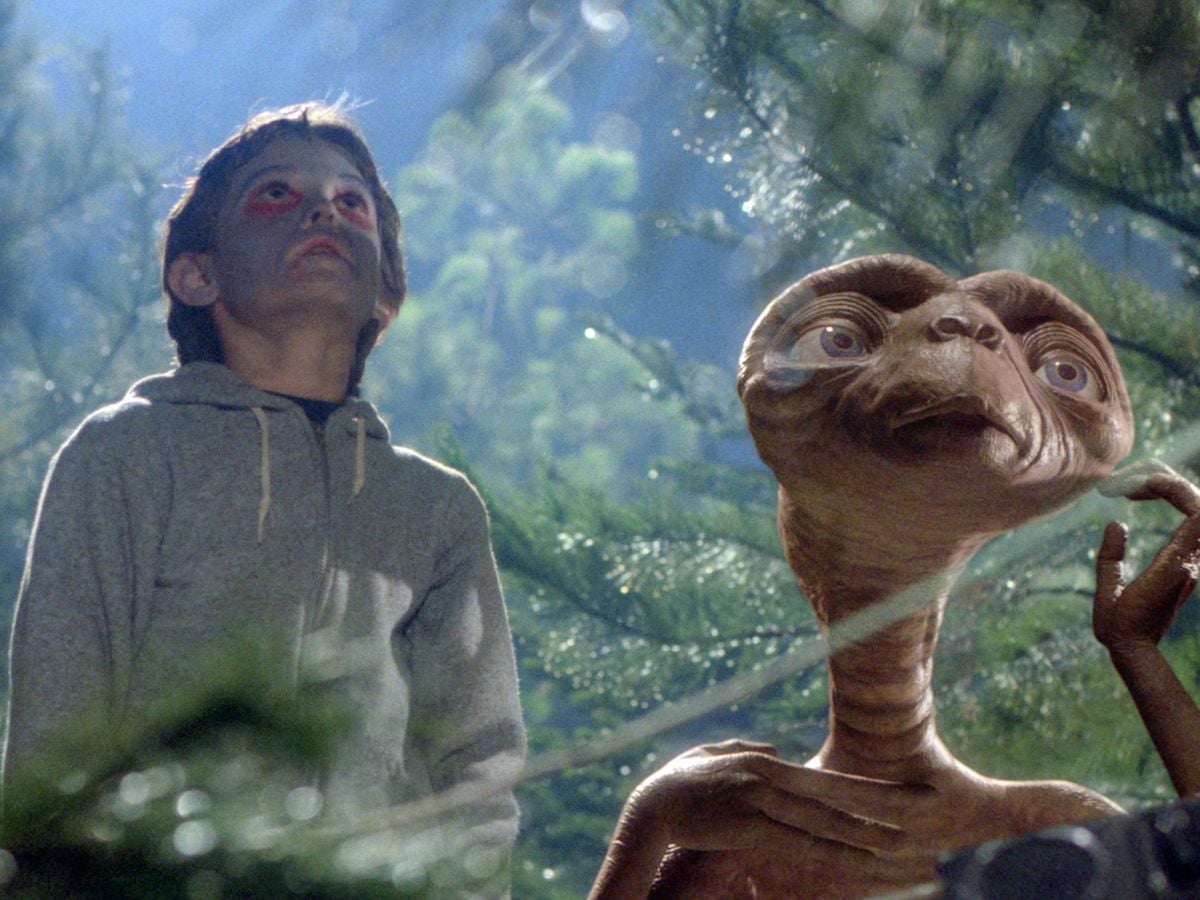
The 1980s are sometimes described as the nadir of Hollywood history because it marked an ending to the New Hollywood generation and a growth in franchise-building. While this might be true, the consequences didn’t truly begin to rear their heads until later on, as the lineup of classics in the ‘80s is fairly unassailable.
The ‘80s were not only the decade that saw the debut of directors like Michael Mann, James Cameron, Spike Lee, Kathryn Bigelow, Pedro Almodovar, and the Coen brothers, but one where established giants like Steven Spielberg, Martin Scorsese, and Woody Allen were doing some of their best work, and even the highest-grossing, more commercial films of the decade were great, with among the biggest titles were classics like ET the Extra-Terrestrial, The Empire Strikes Back, Indiana Jones and the Last Crusade, and Back to the Future.