
The guga hunt is a centuries-old tradition in the Outer Hebrides which has received backlash in recent years.
17:29, 22 Apr 2026Updated 22:00, 22 Apr 2026
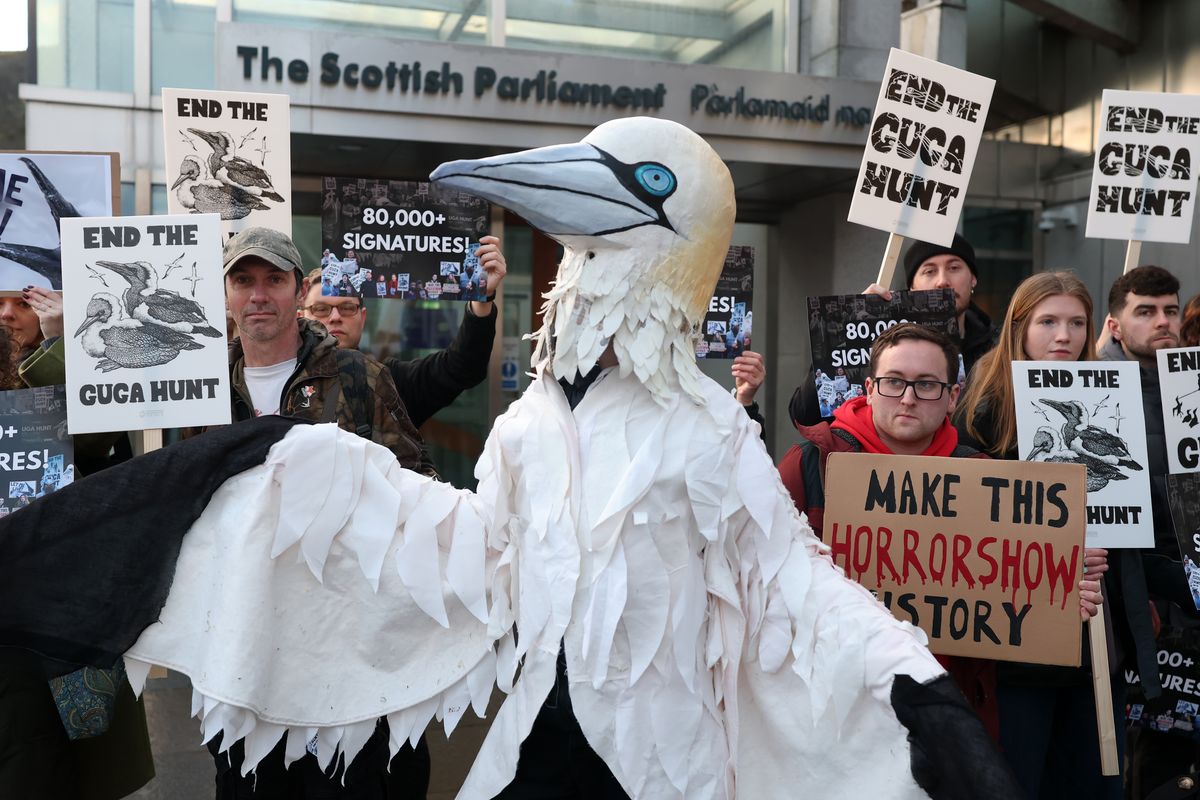
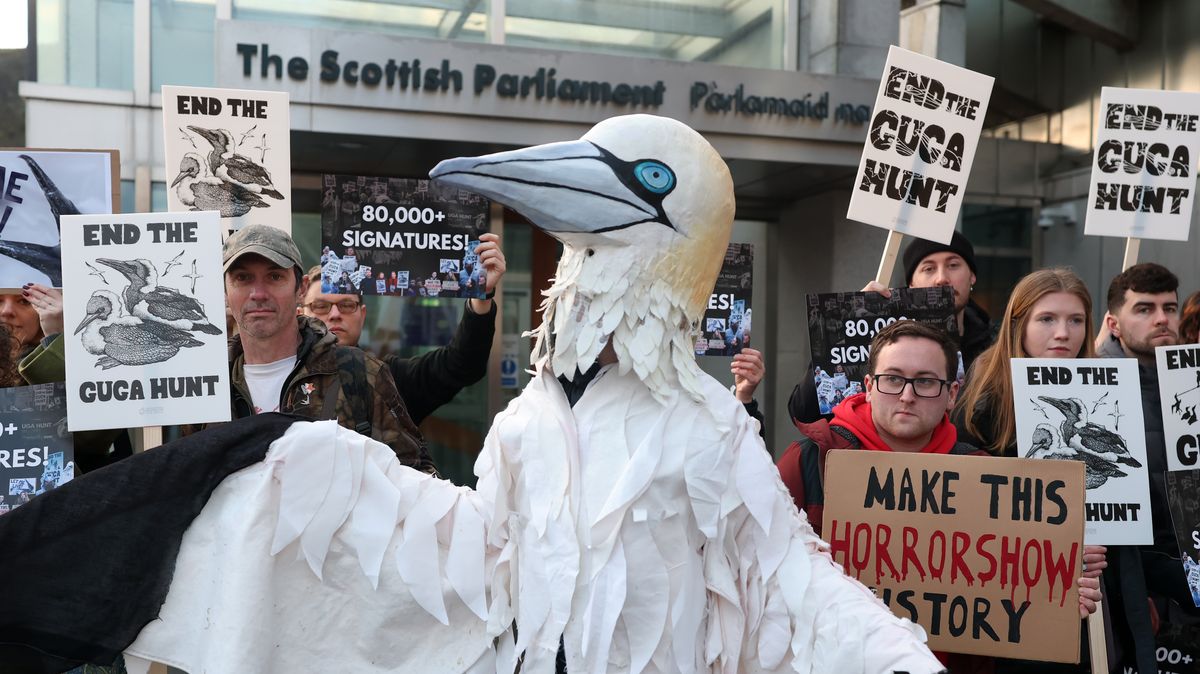
Campaigners gather outside of the Scottish Parliament in protests against the Guga Hunt on January 21, 2026(Image: Jeff J Mitchell/Getty Images)
Scotland’s nature agency has spent £72,000 of taxpayer’s cash in three months on matters linked to the controversial Guga hunt.
According to campaign group Protect the Wild, documents obtained show NatureScot spent thousands of public money on research, legal advice and security costs tied to the seabird hunt in just the first three months of 2026.
Almost £30,000 has already been spent this year on research to help determine how many birds can be killed under licence. Further sums have gone on legal advice relating to the licensing process.
Figures also reportedly showed significant costs linked to increased security and repairs following protests and rising public opposition to the hunt.
Campaigners said the spending raised questions about how funds for Scotland’s enviroment are being used.
Devon Docherty, Scottish campaigns manager at Protect the Wild, said: “The licence for this hunt is entirely discretionary.

Activists from Abolish the Guga Hunt(Image: Facebook/AbolishTheGugaHunt)
“The choice to license the Guga hunt is becoming increasingly costly to the taxpayer.”
He added: “There is a clear expectation that public funds allocated to a nature agency are used to restore and protect nature.”
The guga hunt is a centuries-old tradition where men from the Isle of Lewis travel to the remote island of Sula Sgeir, about 40 miles north of the Butt of Lewis in the Outer Hebrides. There they harvest young gannets under a licence from NatureScot, despite the birds being protected under wildlife laws.
Campaigners argue the practice is cruel and call on the Scottish Government to end the exemption.
Last month, two men were arrested and charged after they chained themselves to the roof of NatureScot offices in Inverness dressed as gannets for three days. The group Abolish the Guga Hunt were behind the stunt. The building was closed for safety.
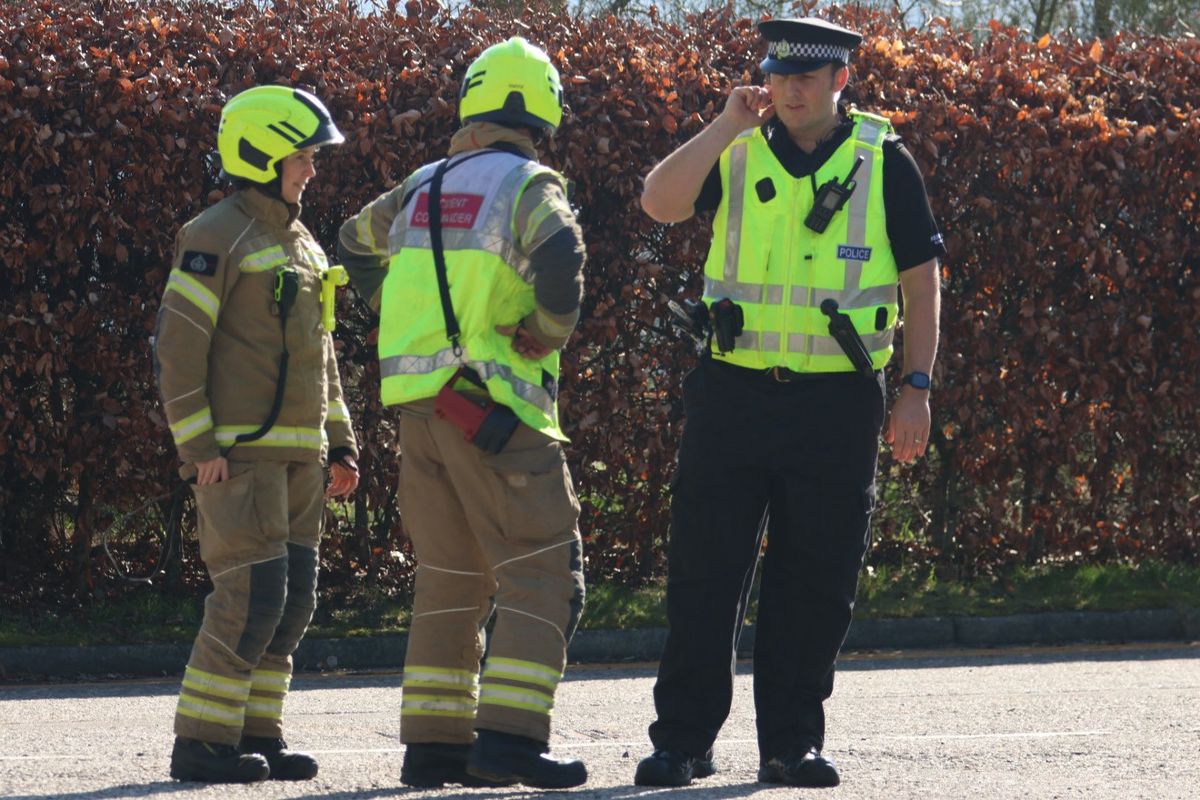
Fire crews and officers at the scene.(Image: Abolish the Guga Hunt)
Campaigners claim the practice also has a commercial element, with reports suggesting birds have been sold for around £35 each. If all 485 birds taken last year were sold, this could amount to roughly £17,000.
Last November, a petition was lodged by wildlife photographer Rachel Bigsby with the Scottish Parliament calling for changes to Section 16 of the Wildlife and Countryside Act 1981 to remove the power to grant licences allowing the hunt has over 100,000 signatures.
NatureScot said that if an application is received for a 2026 licence, it will be considered by its board before a decision is made.
A NatureScot spokesperson said: “More than half of the costs we’ve incurred resulted from damage caused by protestor vandalism and the need for increased security to ensure the safety of our staff. It is also our responsibility to ensure that all our work is informed by sound science, and this is reflected in the evidence costs, which make up most of the remainder.
“We understand there are strong feelings about the guga hunt, and that some people will disagree with it taking place. The hunt is recognised in law under the Wildlife and Countryside Act, which makes specific provision for the granting of a licence for the purpose of providing food for human consumption in relation to the gannets on the island of Sula Sgeir.
“Our role is to make licensing decisions based on the most recent scientific evidence. In 2025, we received our first licence application from the Men of Ness since 2021.
“After reviewing the survey data, collected in 2024 following bird flu outbreaks, we reduced the maximum number of birds that can be taken from 2,000 to 500 and a licence was granted on the condition that all birds must be killed humanely. This ensures the gannet population on Sula Sgeir remains stable for the future.
“The 2025 licence has now expired, and no application has been received to request authorisation for the activity during 2026. If an application is received, we will assess it as required by the relevant legal frameworks and using the most recent scientific evidence.”
Get more Daily Record exclusives by signing up for free to Google’s preferred sources. Click HERE