
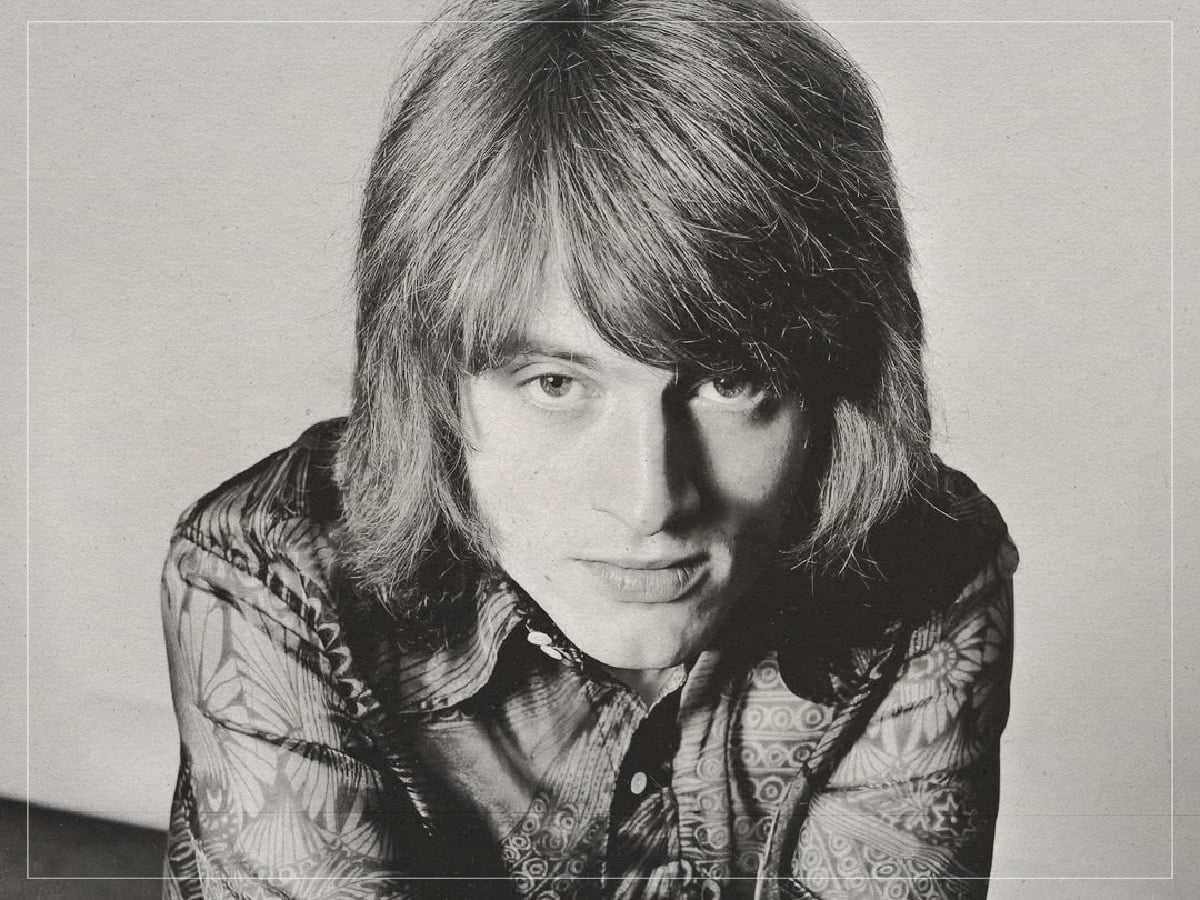
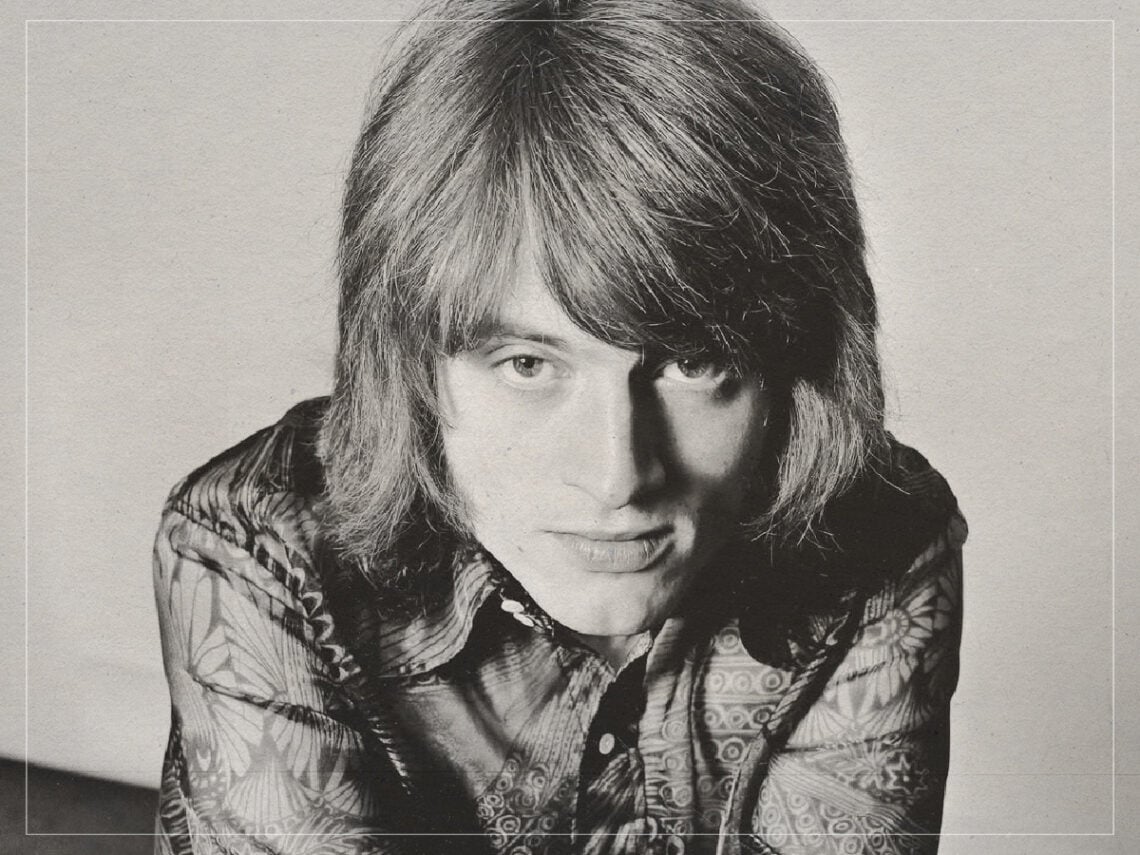
(Credits: Far Out / Dick Barnatt / Atlantic Records / John Paul Jones)
Fri 24 April 2026 0:30, UK
For much of rock and roll history, the bass player has gone without the unparalleled attention often afforded to their six-stringed counterparts, but John Paul Jones is a notable exception to that rule, and his countless legendary Led Zeppelin basslines still act as a blueprint for virtually all other rock bassists today. Impressively, then, his core inspiration wasn’t rooted in rock and roll at all.
Led Zeppelin, on the whole, have never been a group to hide their core influences underneath a cloud of smoke. From their very beginning, Jimmy Page and the gang have highlighted the world of old-school American blues as their prevailing sonic inspiration, often to the extent that they have had to heed calls of plagiarism and an over-reliance on the work carved out by those forgotten blues musicians decades prior.
Inevitably, though, given that both Jimmy Page and John Paul Jones came into the band with years’ worth of experience on the session musician circuit, they each boasted a repertoire of influences that stretched far beyond the realm of blues.
While Page performed on everything from the mod rock rebellion of The Who to chart-topping bubblegum pop and even some obscure muzak library LPs, Jones’ expertise lay within the emerging realm of American R&B and soul.
Having travelled across the Atlantic at the demand of the mod subculture during the mid-1960s, labels like Motown, Stax, and Atlantic Records were rapidly infecting the singles charts of the UK. As such, a litany of groups emerged in old Blighty attempting to recreate the same sound, which, as anybody who is a skilled enough bassist can tell you, is virtually impossible without an arsenal of incredibly devoted bassists. Enter John Paul Jones.
“On bass guitar, my influences are probably Donald ‘Duck’ Dunn, and then James Jamerson,” the Led Zeppelin bassist told Elixir Strings back in 2010, namedropping the key figures behind all the greatest Stax and Motown basslines. As a key driving force behind Booker T and the MGs – the iconic Stax house band – Dunn’s basslines spurred on everybody from Otis Redding to Bill Withers.
Meanwhile, over in Detroit, Jamerson quickly became the weapon of choice for Motown’s house band, The Funk Brothers, and there is no telling just how many uncredited appearances he made on Hitsville’s various solid-gold classics. Throughout it all, John Paul Jones devoted himself to learning their secrets and attempting to evoke the same playing style as those soul icons. Eventually, then, he became the go-to session bassist for that kind of Americanised R&B sound.
“In the session world, if you wanted your record to sound American, you would call me,” he laughed. “Because I was the one who listened to all that stuff – Motown, Stax, all that sort of stuff.”
In essence, that was Jones’ pre-Zeppelin education, emulating the style of two of the greatest American bassists of all time in Jamerson and Dunn.
Although the sound of Led Zeppelin might be worlds apart from the Bar-Keys, he carried a certain amount of that same inspiration into his work with the hard rock heroes, too.
ADD AS A PREFERRED SOURCE ON GOOGLE  The Far Out Led Zeppelin Newsletter
All the latest stories about Led Zeppelin from the independent voice of culture.
Straight to your inbox.