
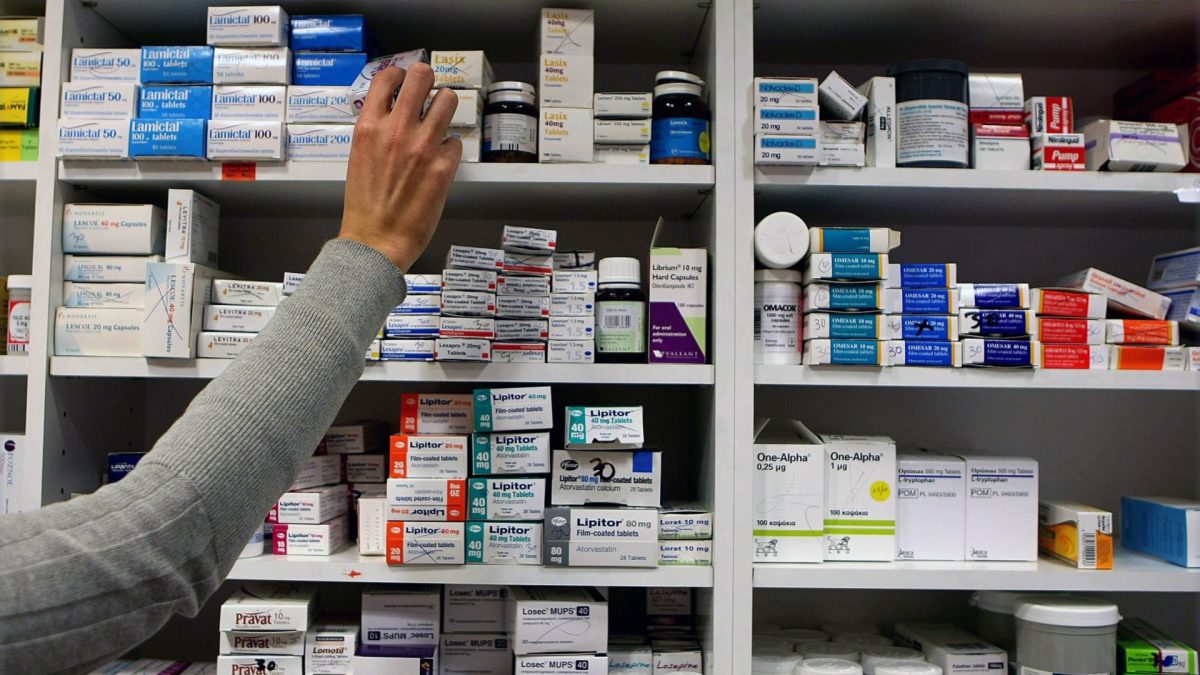
The war in Iran has caused the cost of some everyday medicines such as painkillers and cardiovascular drugs to skyrocket, pharmacists have warned.
Customers of some community pharmacies are turning up to find the price of over-the-counter medicines is changing on a daily basis, with some being charged up to 30 per cent more for paracetamol than they were in February.
One specific type of aspirin which cost £2 before the war is now costing chemists almost £10 to buy per pack – with a warning that prices will ultimately have to be passed on to consumers.
Shorts – Quick stories
Scroll to previous short
Scroll to next short

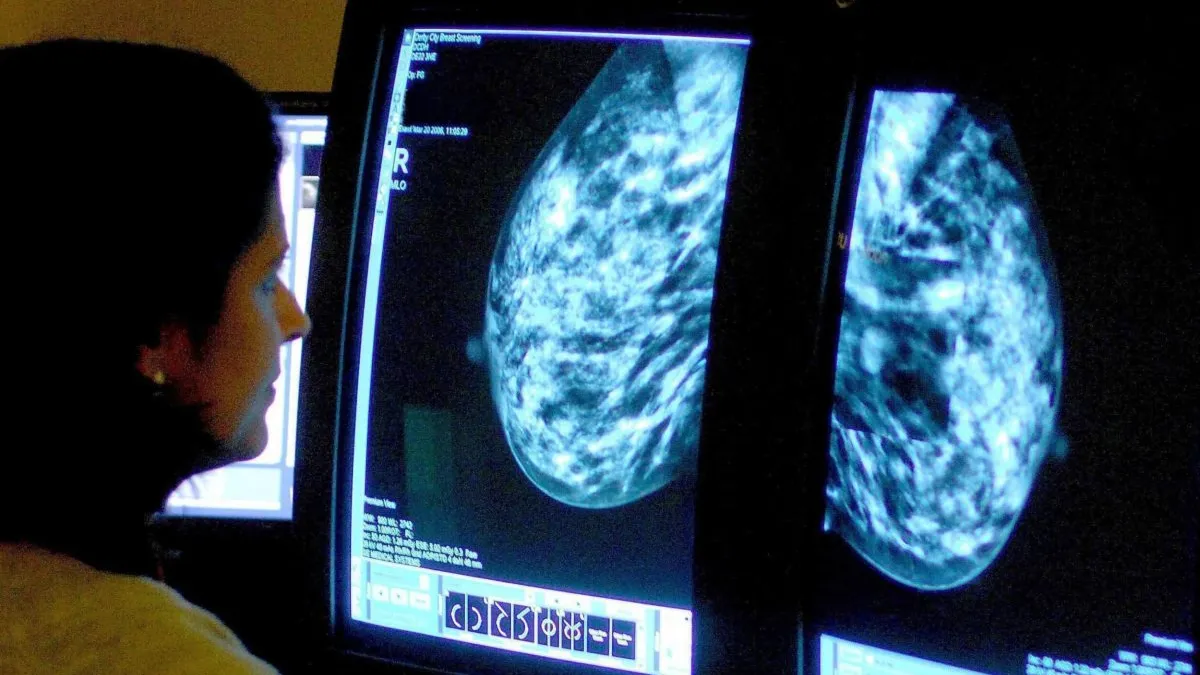
Cancer cases at record high in Britain
Rates of the disease are being driven up by obesity and an
ageing population, it has been reported.

Cancer rates in Britain
403,000
The number of people a year being diagnosed with cancer, according to analysis by Cancer Research UK.
This is an increase from 285,000 people 20 years ago and 345,000 people 10 years ago.
15%
There has been a 15 per cent increase in the chance of diagnosis since the 90s.
What’s causing the increase?
Obesity levels have doubled since the 90s. This is the second-biggest cause of cancer after smoking.
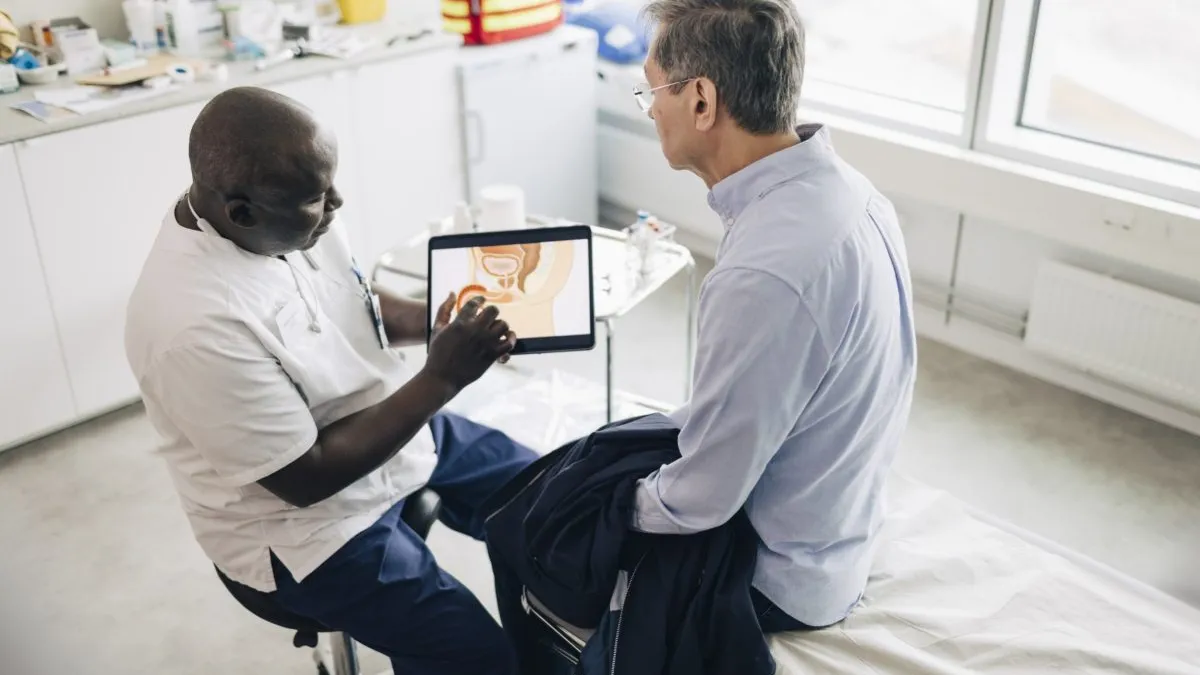
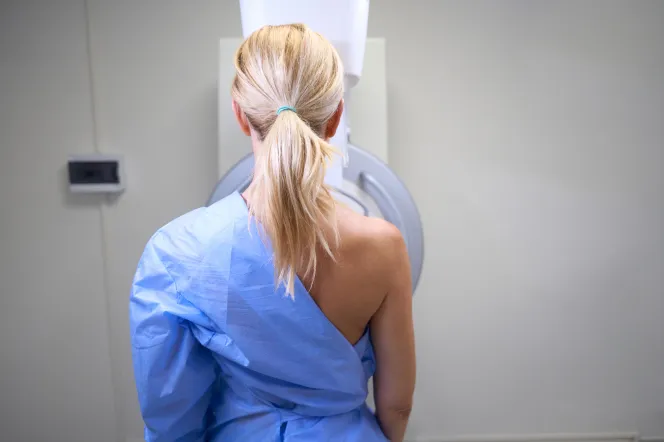
Improvements in detection, such as NHS screening programmes for breast and bowel cancer, have also caused a rise in diagnoses.

LIFESTYLE
7 min read
What about survival rates?
Golden age
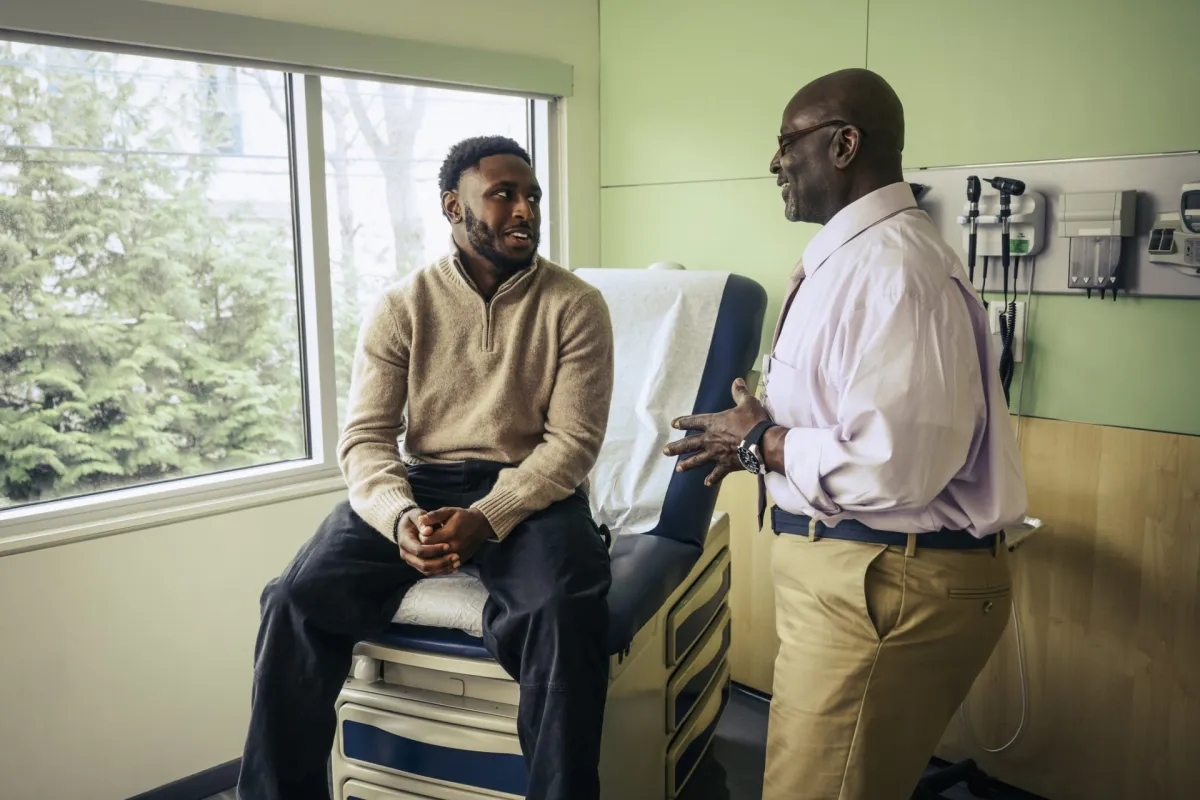
Survival rates for cancer have doubled over the past 50 years due to a “golden age” of treatment.
Stalled progress
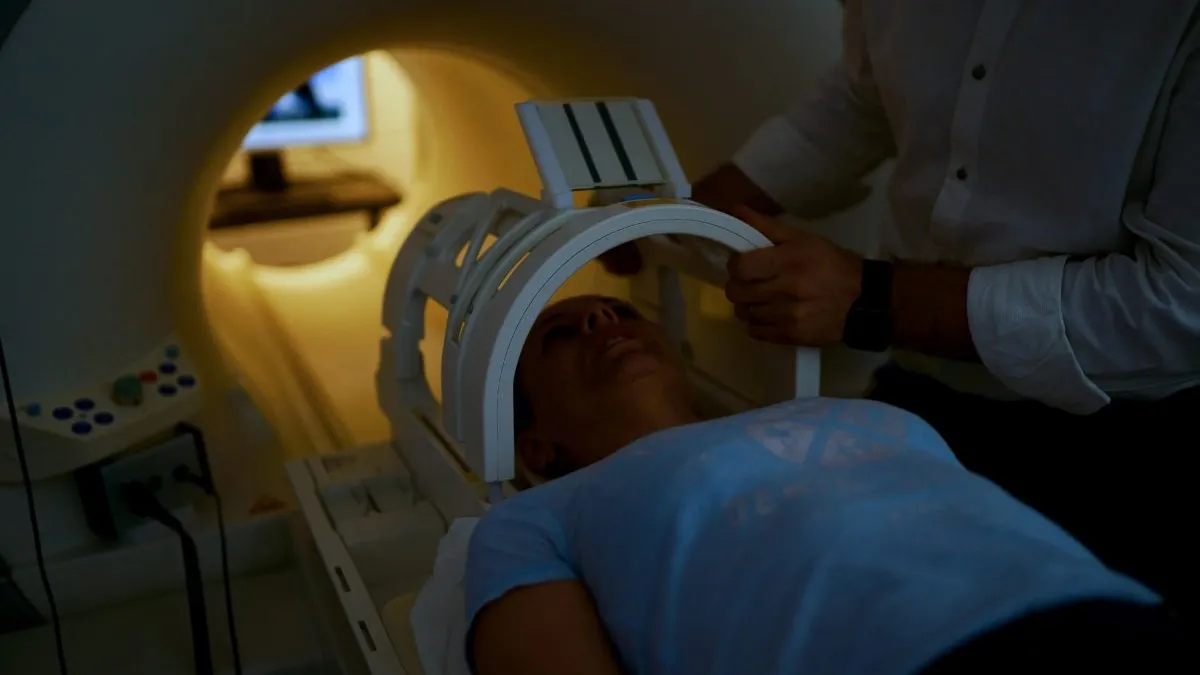
Cancer Research UK’s report said long NHS waiting times were holding back improvements in survival rates.
Waiting times
The report revealed that 107,000 patients had to wait too long to begin treatment last year.
More to be done
Michelle Mitchell, chief executive of Cancer Research UK, said that the Government’s National Cancer Plan “could make a big difference, but only if it turns into improvements for cancer patients”.

LIFESTYLE
7 min read
NEWS
The global number of billionaires could hit 4,000 in five years’ time

This figure comes as the class of super-rich around the world is increasing at a rising pace.
Number of super-rich is rising
There are currently 3,110 billionaires globally, analysis by estate agent Knight Frank has revealed.
This is predicted to rise by 25 per cent in the next five years, reaching a total of 3,915.


The multimillionaire class is also growing significantly, as the number of individuals worth at least $30m (£22m) has increased by 300 per cent since 2021 to 713,626.
New technology is increasing opportunities to get rich
The ability to scale a business has never been higher. That ha fed into the ability to make big fortunes quickly, superchargec by tech and Al.
LIAM BAILEY, HEAD OF RESEARCH AT
KNIGHT FRANK

Inequality widens…
The gap between the world’s richest and poorest continues to widen.
The World Inequality report revealed that 0.001 per cent of the world’s population control three times as much wealth as the entirety of the poorest half.
Calls for global leaders to increase taxes on the super-rich have increased, as concern rises that the wealthy are buying political influence.

Exclusive
6 min read
NEWS
Six-year-old’s sight restored after breakthrough therapy
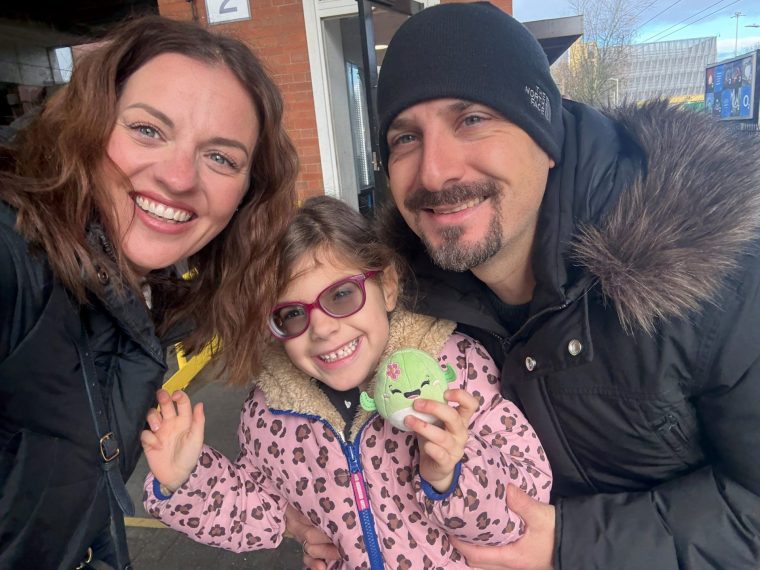 Caption: EMBARGOED TO 1930 WEDNESDAY APRIL 22
Undated handout photo issued by Great Ormond Street Hospital of Saffie Sandford, with her parents Lisa and Tam. The six-year-old has had her sight restored thanks to a life-changing eye gene therapy on the NHS. Saffie, from Stevenage in Hertfordshire, has the rare condition Leber’s Congenital Amaurosis (LCA) which prevents cells in the eye from making a specific protein needed for normal vision. Moorfields Eye Hospital in London carried out tests on Saffie and then she was transferred to Great Ormond Street Hospital (Gosh) to have the eye gene therapy, Luxturna. This treatment is the first of its kind for one of the genetic causes of LCA. Issue date: Wednesday April 22, 2026. PA Photo. Photo credit should read: Family handout/PA Wire
NOTE TO EDITORS: This handout photo may only be used in for editorial reporting purposes for the contemporaneous illustration of events, things or the people in the image or facts mentioned in the caption. Reuse of the picture may require further permission from the copyright holder.
Photographer: Family handout
Provider: Family handout/PA Wire
Source: PA
Saffie Sandford, aged six, regained her sight after life-changing eye gene therapy on the NHS for a rare condition.
Saffie is at risk of complete eyesight loss
Saffie was diagnosed with a rare inherited condition called Leber’s Congenital Amaurosis (LCA) when she was five.
This prevents cells in the eye producing a specific protein that is required for normal vision.
Babies and children with LCA have low vision in daylight and no vision in low light.
They can also lose their sight entirely in adulthood.
A landmark treatment
Saffie was transferred to the Great Ormand Street Hospital to have the eye gene therapy, Luxturna.
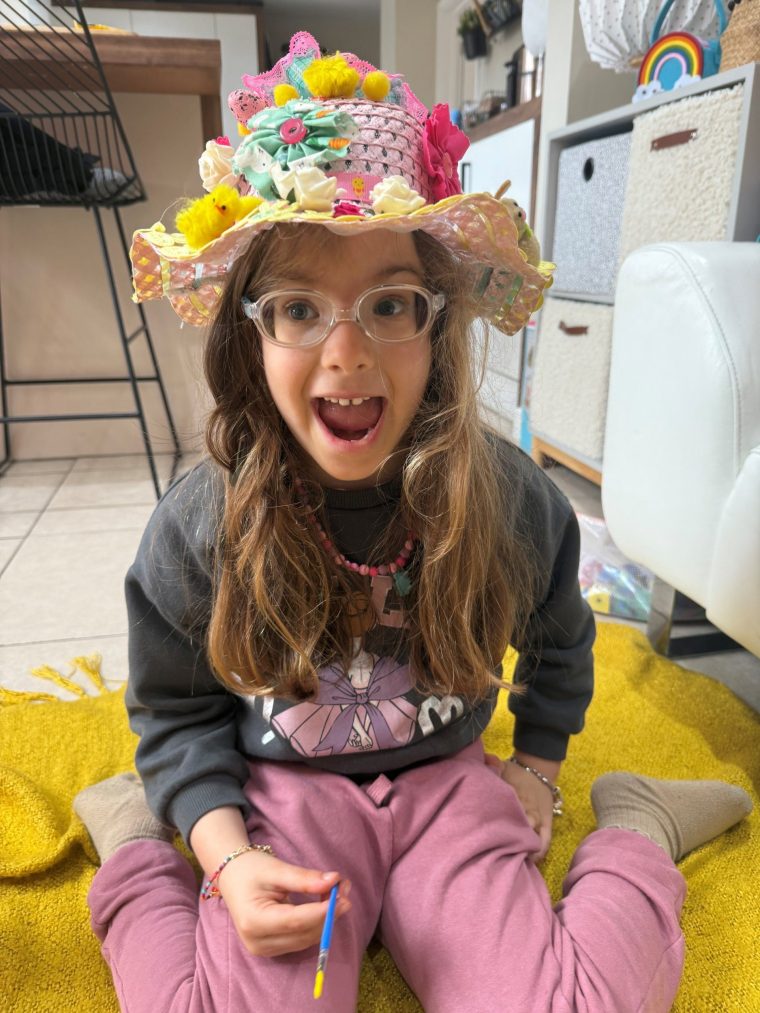 Caption: EMBARGOED TO 1930 WEDNESDAY APRIL 22
Undated handout photo issued by Great Ormond Street Hospital of six-year-old Saffie Sandford who has had her sight restored thanks to a life-changing eye gene therapy on the NHS. Saffie Sandford, from Stevenage in Hertfordshire, has the rare condition Leber???s Congenital Amaurosis (LCA) which prevents cells in the eye from making a specific protein needed for normal vision.
. Issue date: Wednesday April 22, 2026. PA Photo. Photo credit should read: /PA Wire
NOTE TO EDITORS: This handout photo may only be used in for editorial reporting purposes for the contemporaneous illustration of events, things or the people in the image or facts mentioned in the caption. Reuse of the picture may require further permission from the copyright holder.
Provider: /PA Wire
Source: PA
 Caption: EMBARGOED TO 1930 WEDNESDAY APRIL 22
Undated handout photo issued by Great Ormond Street Hospital of six-year-old Saffie Sandford who has had her sight restored thanks to a life-changing eye gene therapy on the NHS. Saffie, from Stevenage in Hertfordshire, has the rare condition Leber’s Congenital Amaurosis (LCA) which prevents cells in the eye from making a specific protein needed for normal vision. Moorfields Eye Hospital in London carried out tests on Saffie and then she was transferred to Great Ormond Street Hospital (Gosh) to have the eye gene therapy, Luxturna. This treatment is the first of its kind for one of the genetic causes of LCA. Issue date: Wednesday April 22, 2026. PA Photo. Photo credit should read: Family handout/PA Wire
NOTE TO EDITORS: This handout photo may only be used in for editorial reporting purposes for the contemporaneous illustration of events, things or the people in the image or facts mentioned in the caption. Reuse of the picture may require further permission from the copyright holder.
Photographer: Family handout
Provider: Family handout/PA Wire
Source: PA
The one-off therapy contains a healthy copy of the gene which is directly injected into the patient’s eye.
Saffie underwent the therapy in her first eye in April 2025 and her second in September.
‘Life-changing’ treatment
‘It’s like someone waved a magic wand’
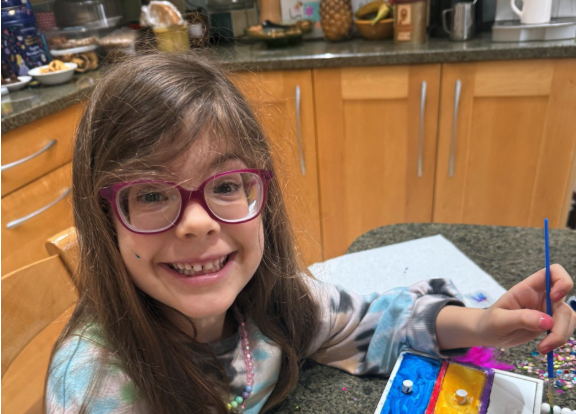 Caption: EMBARGOED TO 1930 WEDNESDAY APRIL 22
Undated handout photo issued by Great Ormond Street Hospital of six-year-old Saffie Sandford who has had her sight restored thanks to a life-changing eye gene therapy on the NHS. Saffie, from Stevenage in Hertfordshire, has the rare condition Leber’s Congenital Amaurosis (LCA) which prevents cells in the eye from making a specific protein needed for normal vision. Moorfields Eye Hospital in London carried out tests on Saffie and then she was transferred to Great Ormond Street Hospital (Gosh) to have the eye gene therapy, Luxturna. This treatment is the first of its kind for one of the genetic causes of LCA. Issue date: Wednesday April 22, 2026. PA Photo. Photo credit should read: Family handout/PA Wire
NOTE TO EDITORS: This handout photo may only be used in for editorial reporting purposes for the contemporaneous illustration of events, things or the people in the image or facts mentioned in the caption. Reuse of the picture may require further permission from the copyright holder.
Photographer: Family handout
Provider: Family handout/PA Wire
Source: PA
Saffie’s mother, Lisa, said she is “eternally grateful” for the treatment which means she can see in the dark and helped improve her performance at school
NEWS
9 min read
Harry makes surprise return to Ukraine
Prince Harry made a return to Ukraine urging the world not to lose sight of what the country is
up against.
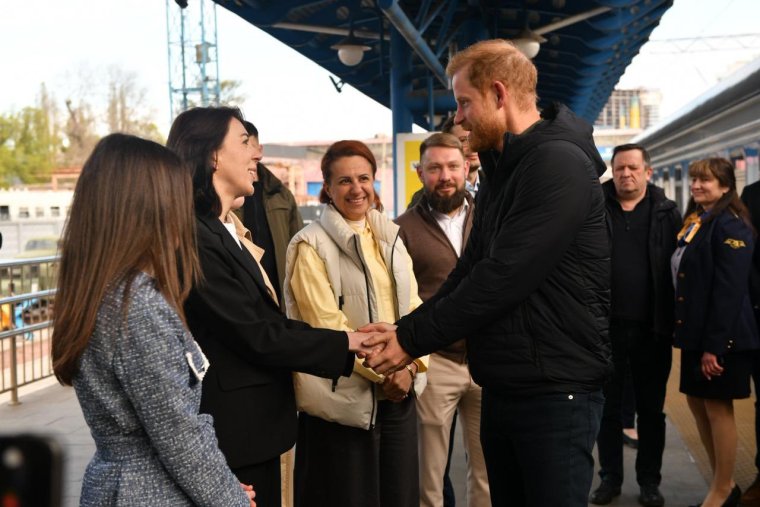 Caption:
Prince Harry, Duke of Sussex and Founder of the
@WeAreInvictus
, has arrived in Ukraine at the invitation of the #KyivSecurityForum. He will attend the 18th annual #KSF, address the forum?s participants, and take part in a panel discussion featuring Ukrainian veterans.
Kyiv Security Forum
@ksfopenukraine
‘Good to be back’
The Prince arrived at Kyiv rail station on Thursday following an overnight train from Poland.
He told ITV News he wanted “to remind people back home and around the world what Ukraine is up against and to support the people” in their fight.
 Caption:
Grabs from ITV NEws
Exclusive: Watch as Prince Harry arrives for a surprise visit in Ukraine.
ITV News’ Royal Editor
@chrisshipitv
joined the Duke of Sussex as he arrived in Kyiv this morning.
Image: ITV News
@itvnews
OPINION
3 min read
NEWS
Ukraine war about ‘values’ not just land

Harry praised Ukraine as “a country bravely and successfully defending Europe’s eastern flank” and said “it matters that we don’t lose sight of the significance of that”.
He also warned the world not to become “numb” to the Ukraine war. “This is a war about values, not just territory”, the Prince added.
Superintendent pharmacist Ali Hussain, who runs Chigwell Pharmacy and two others in Essex, said medicine price rises have been exacerbated by the war in the Middle East.
He said a 32-pack of paracetamol had doubled in price since the start of the year, while cetirizine, an over-the-counter medication for hay fever, was also around twice as much than it had been in January.
“We anticipate this to get worse in the coming months and will have no choice but to pass on the increases. Our wholesalers will, no doubt, start to introduce fuel surcharges to us very soon,” Hussain said.
Ashley Cohen, who has pharmacies in Halton in Leeds and Acomb in York, has already had to pass on the costs to patients.
He said: “We are changing our [over-the-counter] medicines prices on a daily basis because of the prices. It is almost like the price of fuel.
“Hayfever medication cetirizine was 19p and I am now getting it for 37p. But some suppliers are selling it for £3.”
Surges in the price of fuel as a result of the war have pushed up manufacturing and transportation costs in the pharmaceutical sector, with pharmacies hit with the higher prices for drugs.
Soaring freight costs are also affecting the cost and supply of medicines, and the NHS is particularly exposed to this as one in five NHS medicines are imported by air.
Leyla Hannbeck, pharmacist and chief executive of the Independent Pharmacies Association, which represents around 5,000 pharmacies in England and Wales, said March and April were “breaking the record” for the number of medicines that have gone up in price.
“It’s everything and anything really,” Hannbeck said. “Aspirin, for example, has jumped up really heavily. Aspirin 75g dispersible tablets… a pack of 100 has gone from £2.46 to £9.96 in March. The smaller size (28 tablets) has gone from 69p to £2.80.”
Hannbeck said while some over-the-counter allergy medicines used for hay fever have increased in price, pharmacies were being hardest hit by the increase in the cost of prescription medicines which they have a legal duty to dispense, even if it means doing so at a loss.
One of the most common strengths of co-codamol, which is used to treat aches and ailments including period pain and migraines, has increased from £4.30 to £6.70, with another strength having increased from £6.13 to £8.44, Hannbeck said.
Pharmacies generate around 90 per cent of their income from providing NHS services and dispensing NHS medicines, for which they are reimbursed at a set price.
In instances where pharmacies cannot source medicines at or below the reimbursement price outlined in the Drug Tariff, the Department of Health and Social Care can introduce a price concession at the request of Community Pharmacy England. This means pharmacies can be paid more for medicines that have soared in price – but only for the month in which the concession is issued.
In March, 230 medicines were listed on the price concessions list, up from 90 in March 2025.
Olivier Picard, pharmacist and chair of the National Pharmacy Association (NPA), said paracetamol had risen from 41p to £1.99 for a pack of 100 500mg tablets in March, before reducing to £1.09.
“The cost of paracetamol between the 15 March and the 31 March quadrupled,” he said.
Picard added that if the price goes up significantly, his customers could also face higher prices for the everyday painkiller.
“There is a risk for those limited number of medicines that are available over-the-counter, patients may have to pay more to access these medicines,” he said.
The financial pressure of dispensing medicines at a loss repeatedly for months can be too much for some pharmacies, forcing them to close. Around 1,400 have shut since 2016, according to analysis by the NPA.
Thorrun Govind, a pharmacist based in Manchester, said: “It takes so much more time trying to purchase drugs nowadays than it used to. We are unable to plan for the future because of price changes so it is a struggle.”