
Article Content
Growing up, no one would call Ellie Fausett the outdoorsy type. Not even close. As a child, Fausett’s overwhelming preference was to stay safely tucked indoors, avoiding all things bugs and dirt.
One chance encounter in a college hallway changed all of that. Today, the third-year UC San Diego graduate student is endlessly fascinated by insects and the worlds they inhabit. And, even surprising herself, she now loves getting deep into the muck of field research.
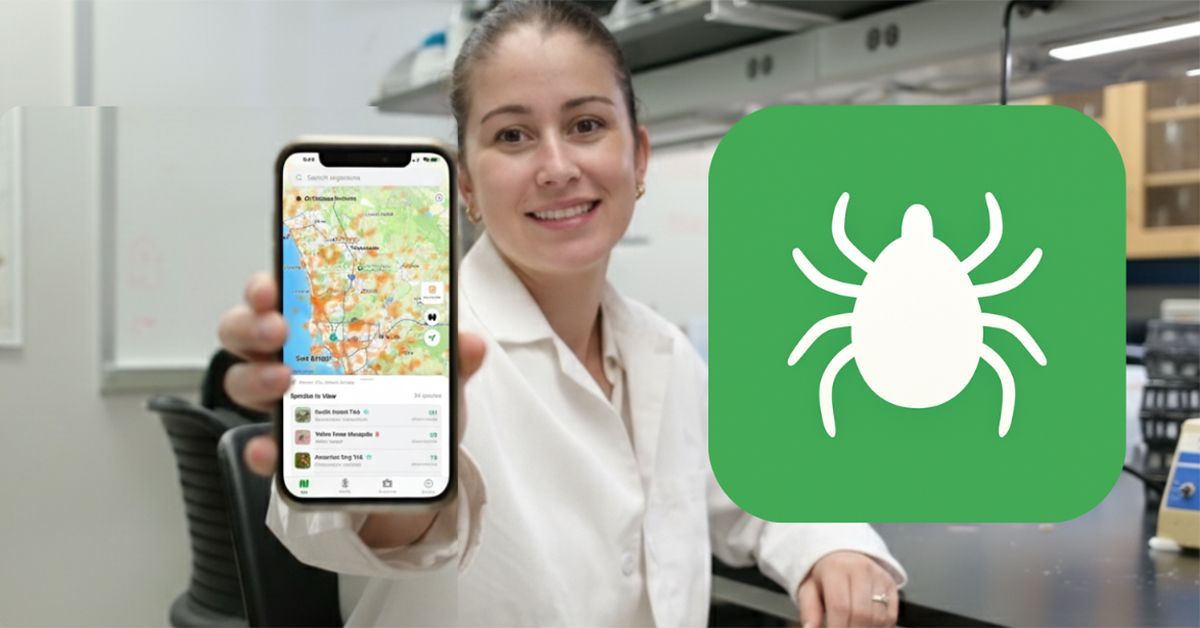
When she’s not conducting field studies of invasive ants on Santa Cruz Island, or studying them inside Professor Holway’s lab in the Department of Ecology, Behavior and Evolution, Fausett devotes her time to her passion project: linking the public with reliable information about insects, arachnids and the disease risks they present. She’s the mastermind behind a new tool that burst in popularity shortly after its launch last year that brings the curious and safety-minded together with the resources to help keep them safe. Shortly after its launch, Vector Guard was recognized with first-place awards by the Ecological Society of America and RevenueCat Shipaton. Currently available through the Apple App Store, an Android version of the app, as well as a version designed for risks to pets, will be available later this spring.
Today spoke with Fausett about launching Vector Guard, her motivations behind the app and her surprising transformation into an outdoors disease risk expert.
What is Vector Guard?
It’s a mobile app that provides real-time, hyperlocal risk information about disease-carrying insects and arachnids. The app covers five vectors: ticks, mosquitoes, biting flies, midges and bed bugs. It gives users an ecological profile and features identification guidelines, behavioral notes and tips for protecting yourself against these vectors.
Vector Guard pulls from about 175 websites, including government websites and peer-reviewed papers. We interface those with iNaturalist species distribution maps so we can provide local level reports of what people are actually interacting with. Users then know which diseases are of concern in their area and case rates for their county.