
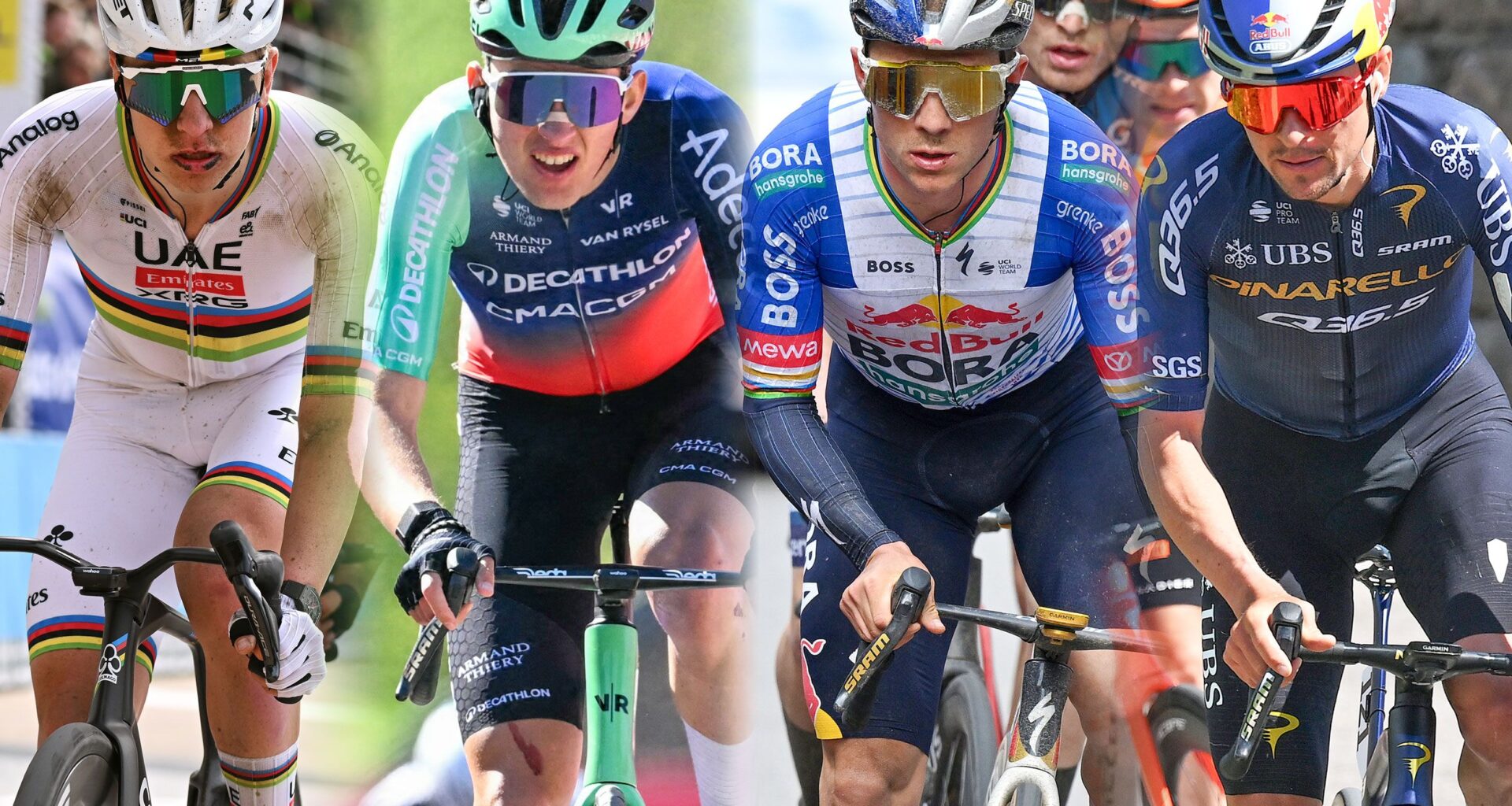
Since Paul Seixas’ victory in La Flèche Wallonne, the hype around the 19-year-old French phenom is growing to a fever pitch. However, in Liège-Bastogne-Liège on Sunday, Seixas will face off against World Champion and one of the greatest pro cyclists of all time, Tadej Pogačar, along with other top contenders.
As the oldest and most prestigious Monument Classic, Liège-Bastogne-Liège has brought together one of the most scintillating lineups of the season. At 259.5km, it is one of the longer one-day races on the calendar, and is much tougher than Milan-San Remo in terms of elevation gain.
Starting and ending in Liège, the race has hardly a kilometre of flat riding, with numerous unnamed ascents preceding the first steep climb, the Côte de Saint-Roch – a kilometre-long early climb that averages 10.2%.
Article continues below
You may like
Who are the top riders to watch in this year’s Liège-Bastogne-Liège? Cyclingnews takes a look through an impressively deep start list for the 2026 edition.
Tadej Pogačar (UAE Team Emirates-XRG)
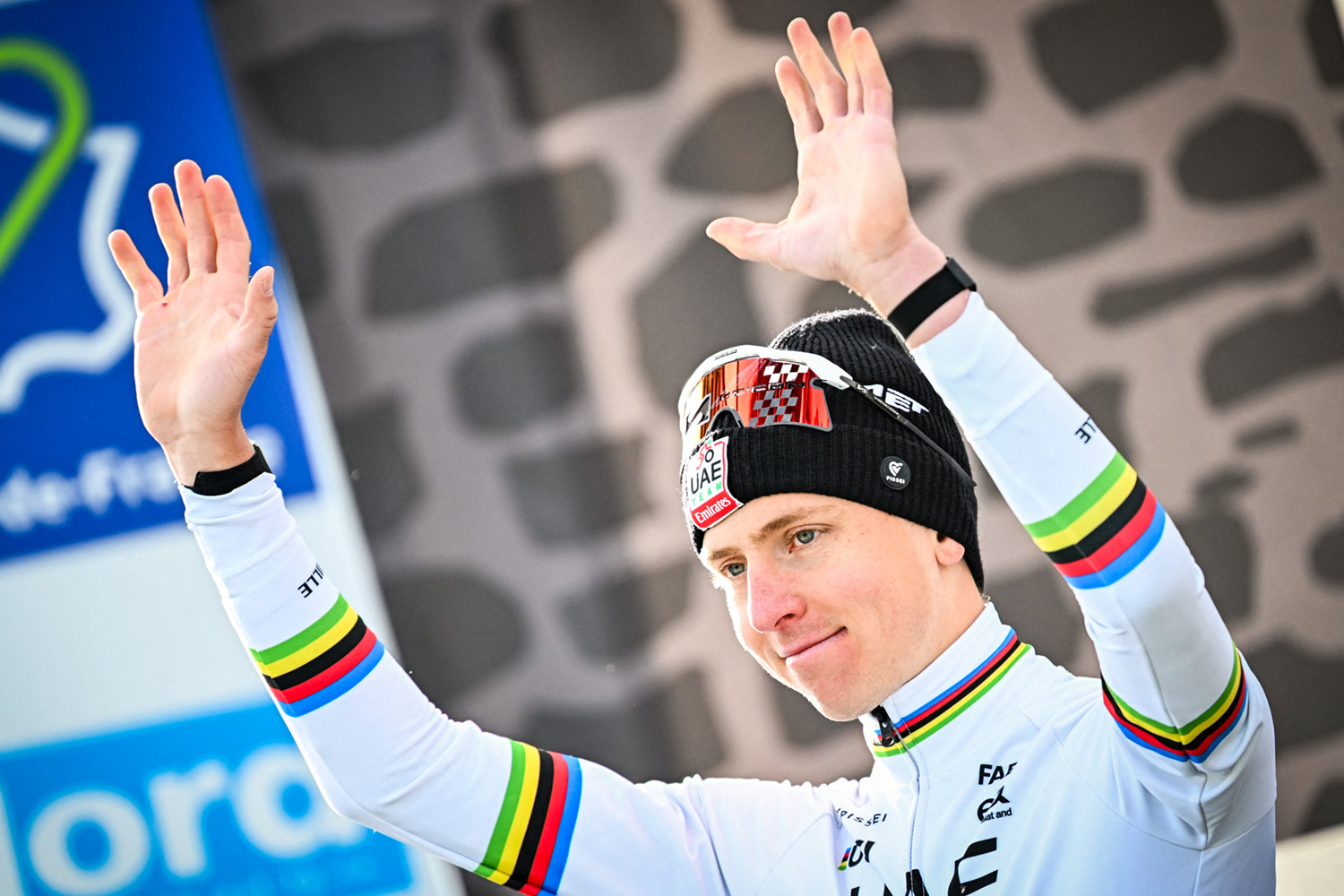
Tadej Pogačar’s latest outing saw him finish second at Paris-Roubaix (Image credit: Getty Images)
In just four days of racing so far in 2026, Tadej Pogačar has three wins – Strade Bianche with a signature 81km attack, an incredible victory in Milan-San Remo, and another equally impressive win in the Tour of Flanders. He appeared to be on track toward winning all five Monuments in the same season when he made the winning move in Paris-Roubaix, but lost in a two-man sprint to Wout van Aert.
In that race, Pogačar suffered three different punctures and three bike changes, including taking a neutral service bike after a flat on the Quérénaing à Maing sector and a furious chase to get back on before the Arenberg forest.
“I still had a hope in the sprint, but when I started the sprint, my legs were like spaghetti,” Pogačar said after the race, noting that the setbacks had sapped his strength.
Fortunately for him, Liège-Bastogne-Liège has none of the cobbled chaos of Roubaix or the Tour of Flanders.
Pogačar has won the last two editions of La Doyenne – both times attacking on the Côte de la Redoute with around 34km to go and winning solo by a minute. In 2021, he won from a six-rider escape that formed on the Côte de la Roche-aux-Faucons, much closer to the line.
What to read next
With such a strong group of contenders assembled, it is hard to imagine that Pogačar will be able to escape solo again.
Remco Evenepoel (Red Bull-Bora-Hansgrohe)
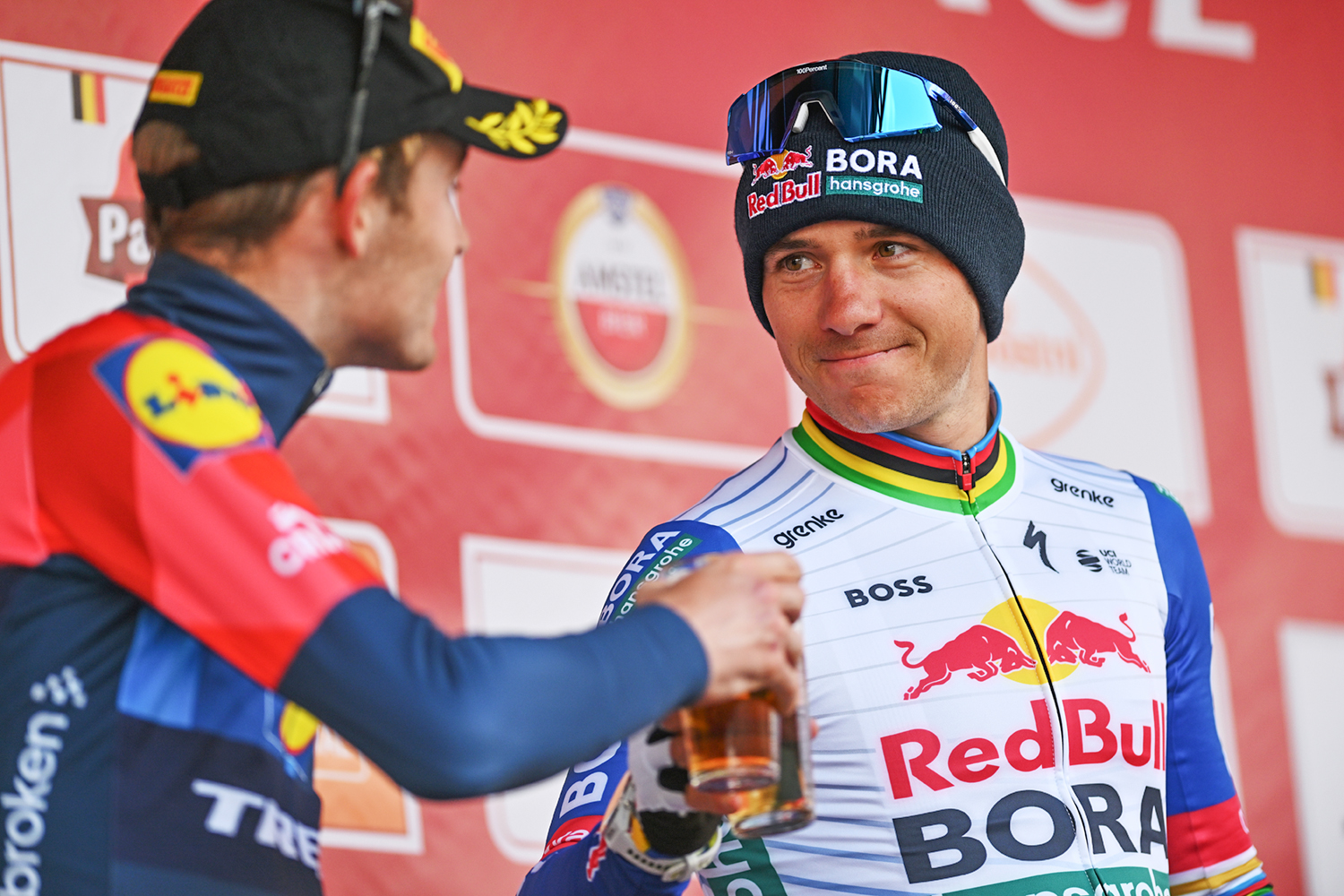
Remco Evenepoel heads to Liège off the back of an Amstel Gold Race victory (Image credit: Getty Images)
Twice a winner of Liège-Bastogne-Liège, Remco Evenepoel hasn’t been a contender since his last victory in 2023 due to injuries. In 2024, he crashed in Itzulia Basque Country and didn’t race again until June, and last year, he was coming back from a terrible off-season accident that left him with a broken scapula and nerve problems in his shoulder. When Liège came around, he had only raced three days and didn’t have the form to be in contention.
2026 has definitely been a different scenario for the Belgian, who had a fine winter and won three of three starts in the Mallorca Challenge, two stages and the overall in the Volta a Valenciana, the time trial stage in the UAE Tour and the Amstel Gold Race. Evenepoel also finished third in his Tour of Flanders debut.
Evenepoel has 20 more days of racing in his legs than Pogačar, and is heading into Liège with the confidence and momentum of a victory last weekend, while his Slovenian rival is fighting off that stinging defeat in Paris-Roubaix.
It’s really tough to choose between the two when it comes to predicting the winner – both are climbing extremely well. Although Pogačar is usually the punchier of the two, Evenepoel pulled off an amazing sprint last Sunday and mixed it up in bunch sprints in the Volta a Catalunya in a very Pogačar-like fashion.
If both riders can avoid the kind of mid-race mayhem that crashed Pogačar out in 2023, it will be a battle for the ages in the finale of Liège-Bastogne-Liège.
Paul Seixas (Decathlon-CMA CGM)
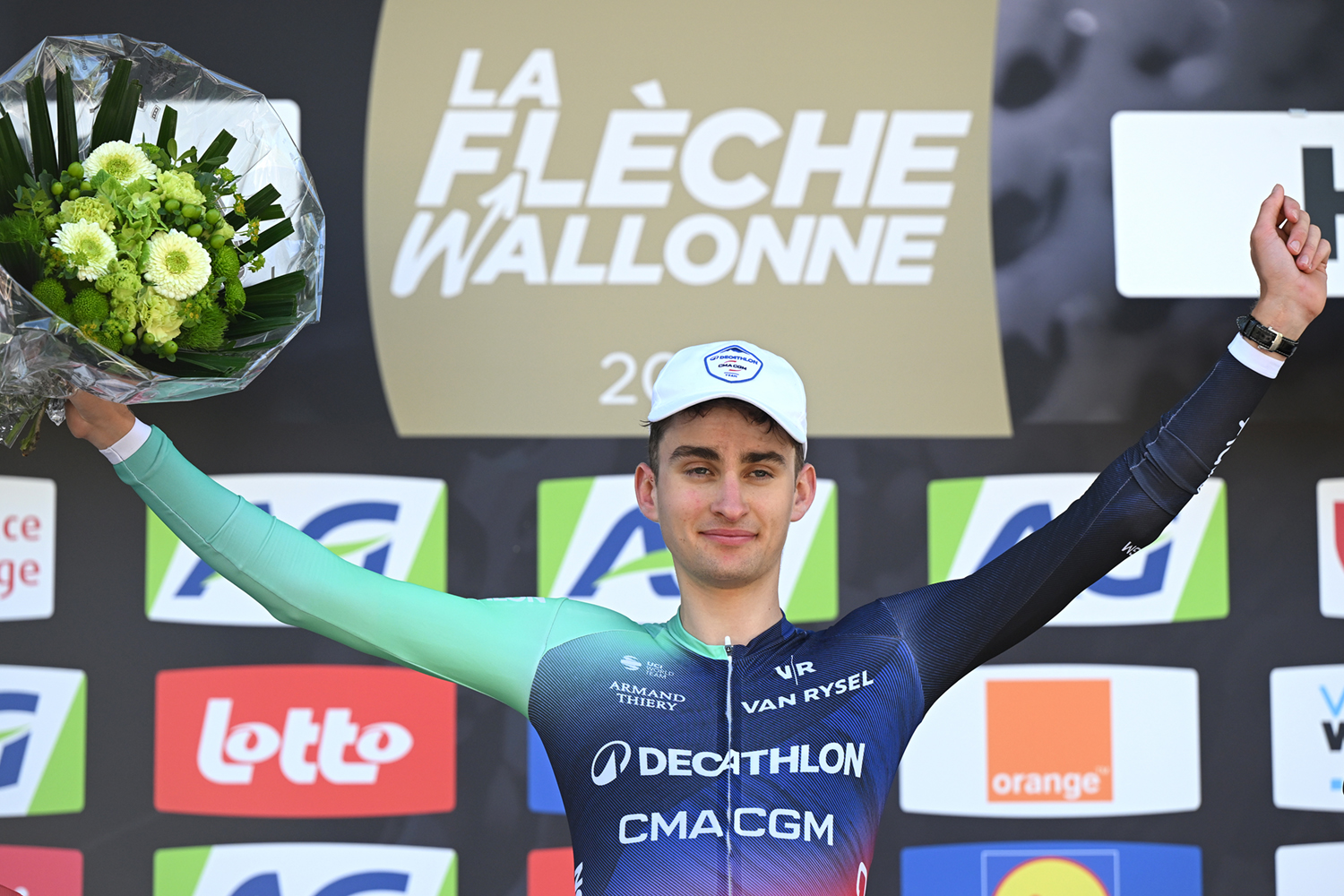
Paul Seixas won his first major Classic midweek at La Flèche Wallonne (Image credit: Getty Images)
It’s hard to believe that Paul Seixas is just 19. In his first full WorldTour season, he’s already at the top of the win column with seven victories – a stage of the Volta ao Algarve where he outfoxed experienced riders like João Almeida and Juan Ayuso, the Faun-Ardèche Classic, three stages and the general classification of the Itzulia Basque Country. He was also second behind Pogačar in Strade Bianche.
The superlatives about Seixas so far this season include “insane”, “mind-boggling” and “incredible”, but the young Frenchman is keeping his feet firmly on the ground, denying that he is the world champion’s top rival for Liège.
“We are talking about perhaps the best rider of all time here,” he said. “I currently do not have the level to beat Pogačar. But I do train to become the best. And you have to work for that and then prove yourself in races.”
Realistically, the difficulty and distance of La Doyenne should favour more experienced riders. Most neo-pros struggle just to finish the race in their first attempt, and the race will be almost 90 minutes longer than Flèche Wallonne.
Seixas already has the attention of Tour de France director Christian Prudhomme and even French Prime Minister Emmanuel Macron, who, French media reported earlier this month, has been personally involved in ensuring he remains with the French team. That’s a lot of hype and pressure, but if he can win Liège-Bastogne-Liège, it will be game-changing.
Tom Pidcock (Pinarello-Q36.5)
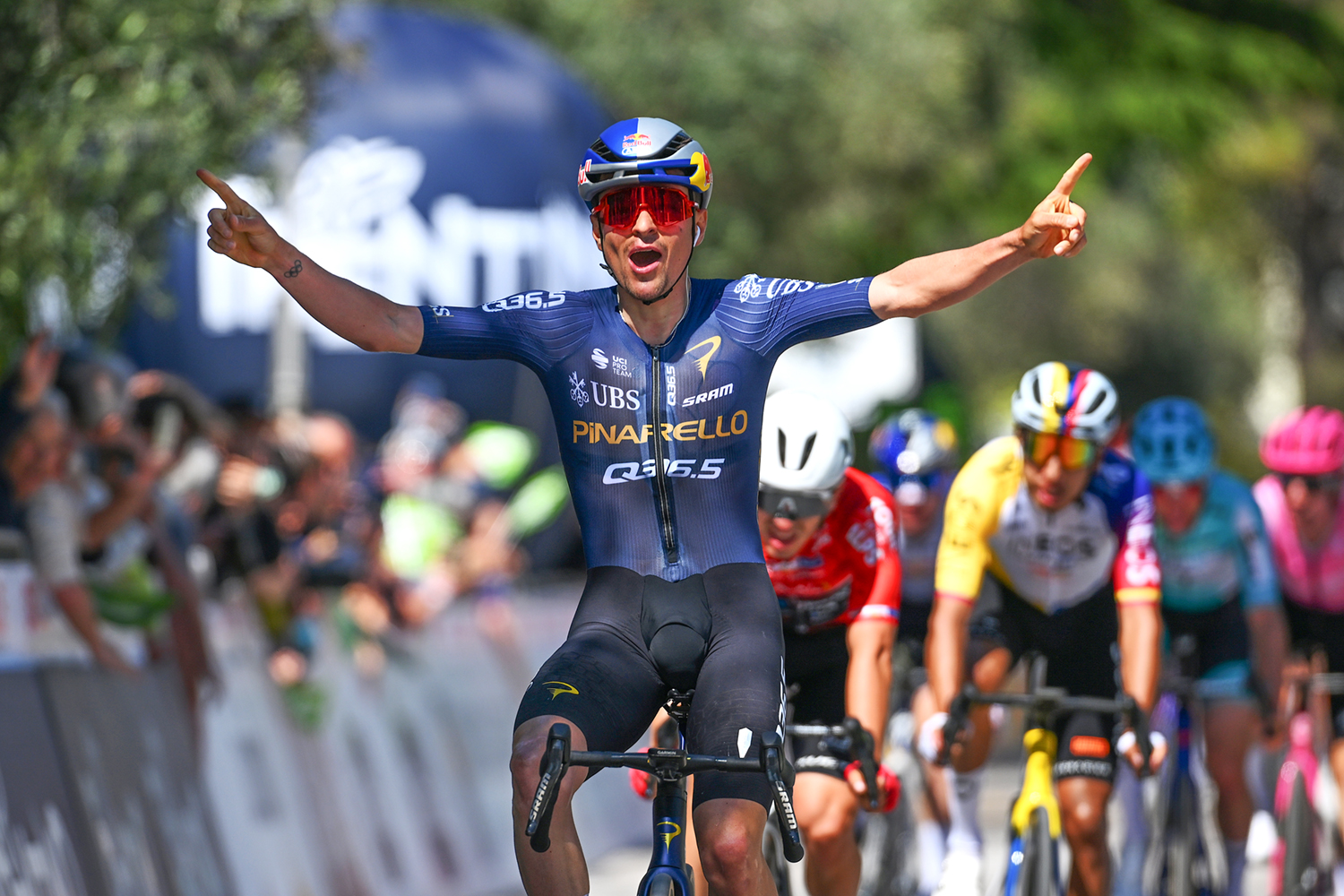
Tom Pidcock will start Liège after a successful return to racing at the Tour of the Alps (Image credit: Getty Images)
Second place in Liège-Bastogne-Liège in 2023 was Tom Pidcock‘s best performance so far in the race, but he’s finished in the top 10 the last two years running.
Pidcock suffered a serious crash during the Volta a Catalunya in March and missed the Amstel Gold Race, but a stage win in the Tour of the Alps showed that he’s getting back to his best form.
Earlier this year, Pidcock won Milano-Torino before narrowly missing out on the win in Milan-San Remo at the hands of Pogačar. Before that, the Briton won a stage in the Ruta del Sol and finished on the overall podium.
Because of his crash last month, Pidcock has longer odds than our other favourites to win in Liège, but the two-time Olympic MTB champion is capable of amazing things when the stars align, so he can’t be counted out.
Others to watch
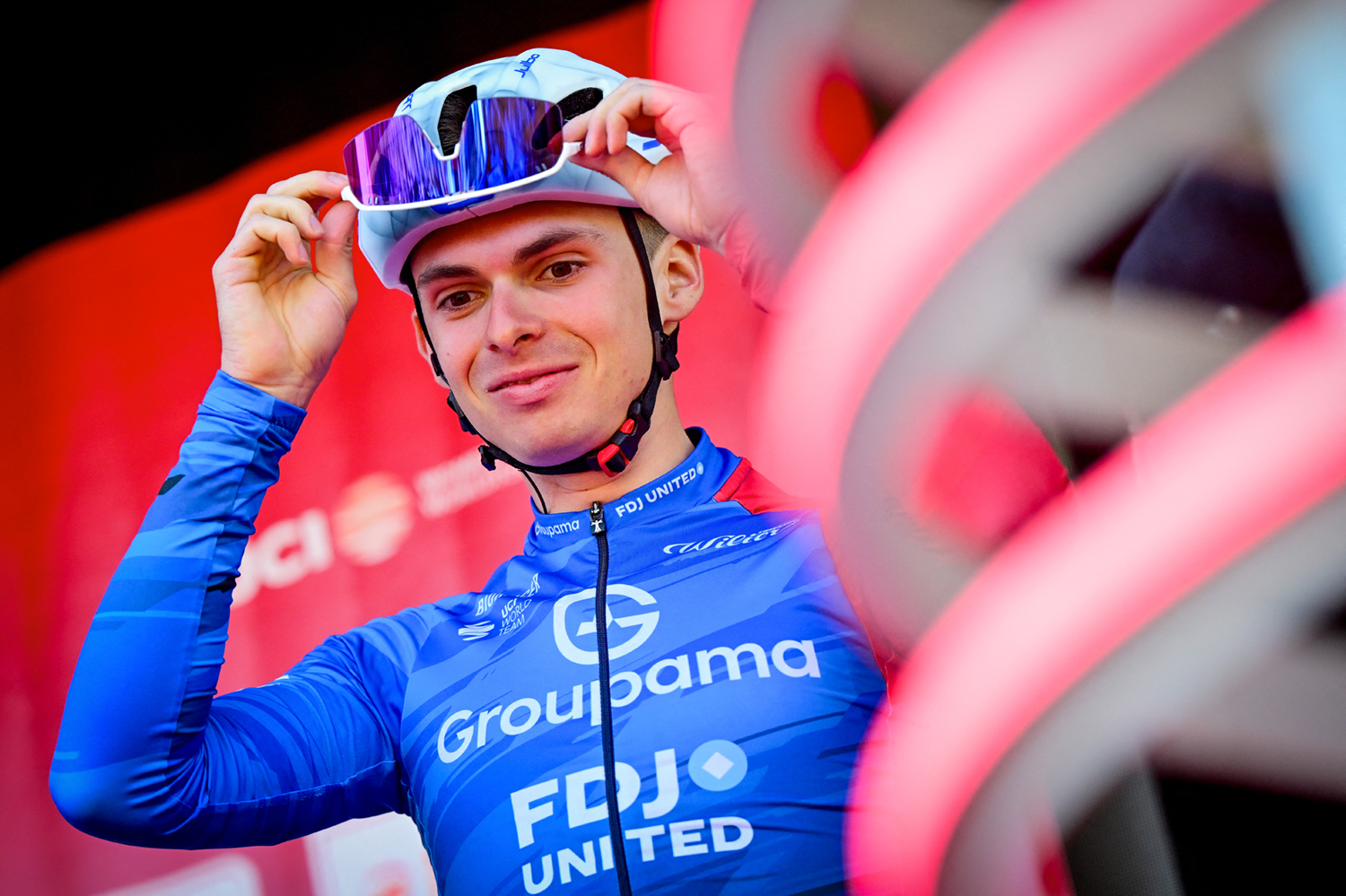
Romain Grégoire is another rider to watch this Sunday (Image credit: Getty Images)
With the above four dominating the contenders list, even seasoned one-day racers and past Liège-Bastogne-Liège podium finishers are left on the outsiders list.
Mattias Skjelmose (Lidl-Trek), second to Evenepoel in the Amstel Gold Race and last year’s winner there, hasn’t had as much luck in Liège, but is in great form after finishing 5th in La Flèche Wallonne.
Romain Grégoire (Groupama-FDJ United) held onto Evenepoel and Skjelmose for as long as he could in Amstel, and narrowly missed the podium.
Ben Tulett (Visma-Lease a Bike) is leading the charge for the ‘killer bees’ and is coming off third place in Flèche.
There’s also Lenny Martinez (Bahrain Victorious), winner of a stage in Paris-Nice, and Mauro Schmid (Jayco-AlUla), second in Flèche, to keep an eye on.
Get unlimited access to our unrivalled 2026 Spring Classics coverage with a Cyclingnews subscription. We’ll bring you breaking news, reports, and analysis from some of the biggest races on the calendar, including Amstel Gold Race, La Flèche Wallonne, and Liège-Bastogne-Liège. Find out more.