
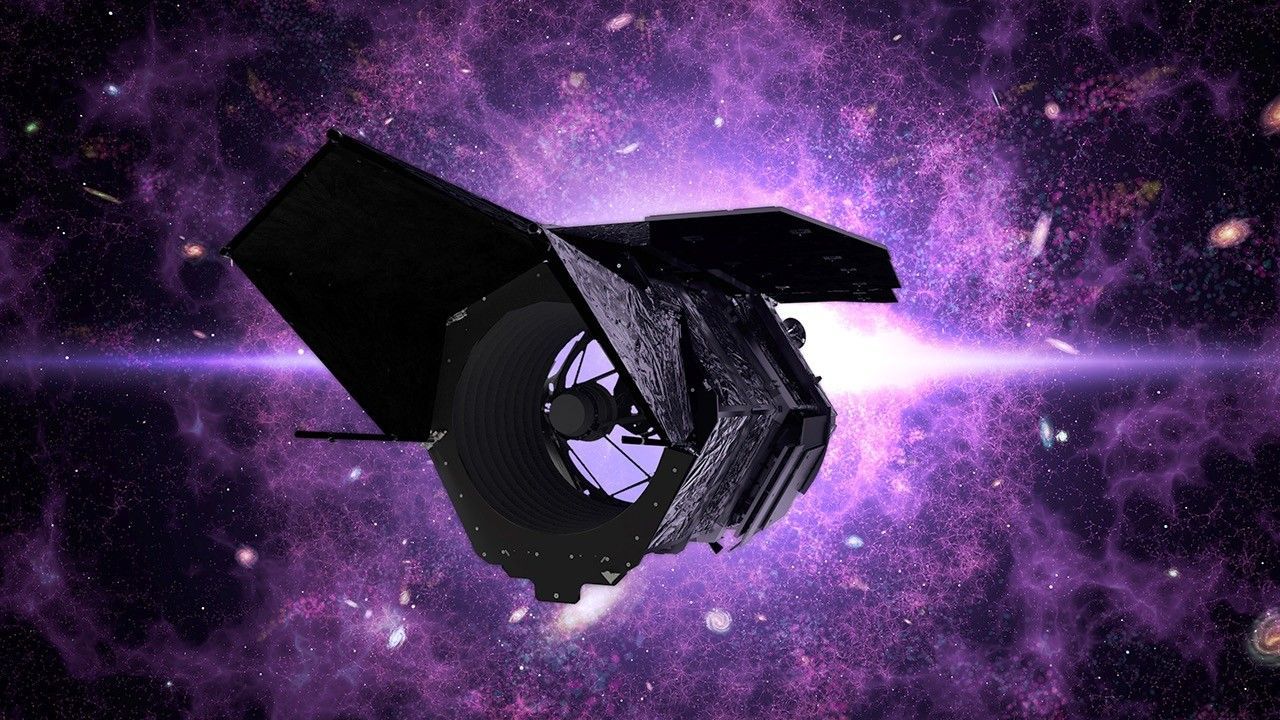
If you want to view the images from the NASA telescope designed to replace the longstanding Hubble Telescope at full resolution, you’d better start stocking up on 4K TVs. Images from the 300MP Nancy Grace Roman Space Telescope are so large that viewing one image at full resolution would take more than 500,000 4K TVs.
NASA has now finished building, assembling, and testing the new Roman telescope, which means the new tech could launch several months earlier than the original May 2027 target date. NASA now projects that the telescope could launch as early as September 2026.
NASA announced that the testing for the telescope was completed earlier this week. Now, NASA needs to get the telescope, which at 42 feet high, is the largest ever built at NASA’s Goddard Space Flight Center, from where it was built, north of Washington DC, to the Kennedy Space Center in Florida, where the telescope will launch on a SpaceX rocket.
Article continues below
You may like
Image 1 of 2
 (Image credit: NASA / Sydney Rohde)
 (Image credit: NASA / Sydney Rohde)
The Roman has big shoes to fill, as the Hubble Space Telescope, launched in 1990, has led to a number of discoveries and is still in operation, despite being originally predicted to only have a 15-year lifespan.
But, where the Hubble has two 2,048×4096 pixel sensors on the Wide Field Camera, Roman has 18 square 4K sensors. That resolution boost is designed to see more of the sky. NASA says the Roman will capture a patch of sky that’s 100 times larger than the Hubble’s field of view. That, mixed with faster processing, means that NASA expects the Roman telescope to do in about a year what would have taken Hubble 2,000 years.

(Image credit: NASA / Sydney Rohde)
Roman can also see more infrared light than Hubble, which could potentially help researchers detect fainter stars and systems. NASA says the Roman is expected to create one of the deepest views into our galaxy, leading to the study of stars numbering in the “hundreds of millions.”
While Roman is expected to lead to many firsts once launched, the assembly is already breaking records. To celebrate the largest ever telescope built at Goddard, NASA allowed a drone into the clean room for the first time to help capture a sense of how large the Roman really is.
NASA’s Roman Telescope Is Ready for Launch – YouTube
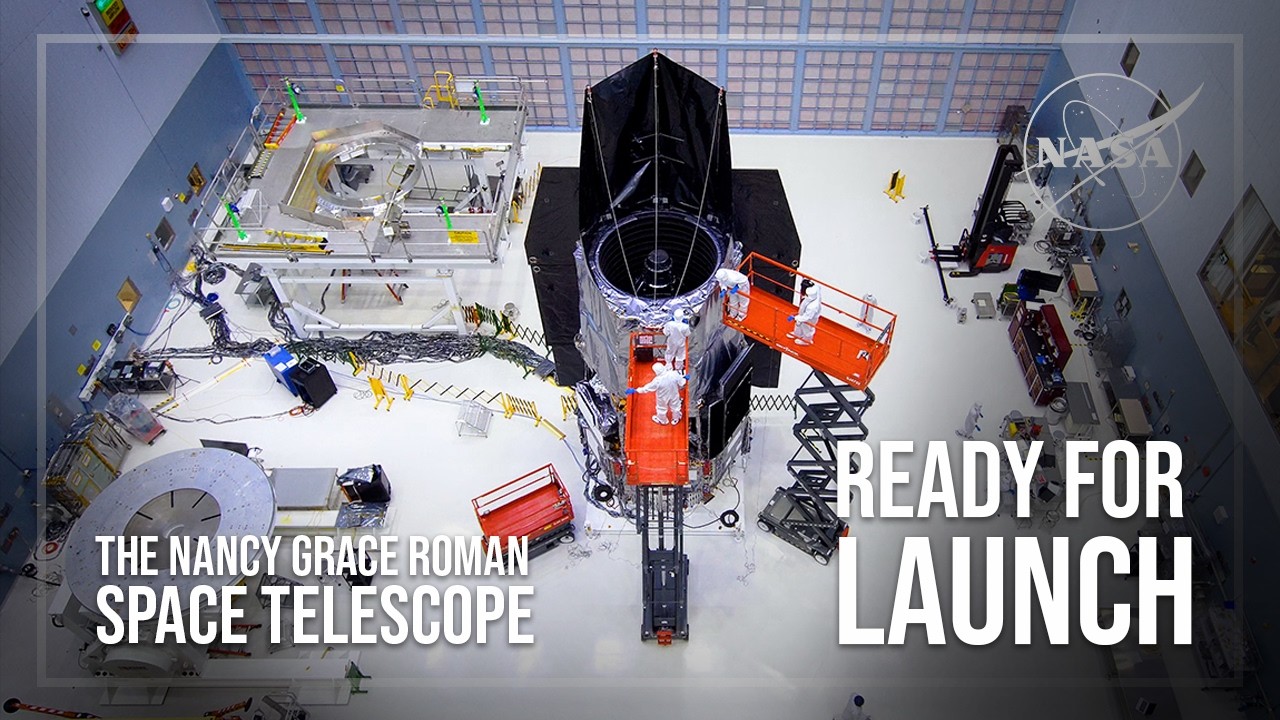
The Roman Telescope – named after NASA’s first Chief of Astronomy and first female executive, Nancy Grace Roman – could launch as early as September 2026.
Browse the best cameras for astrophotography. Or read more space photography stories.