
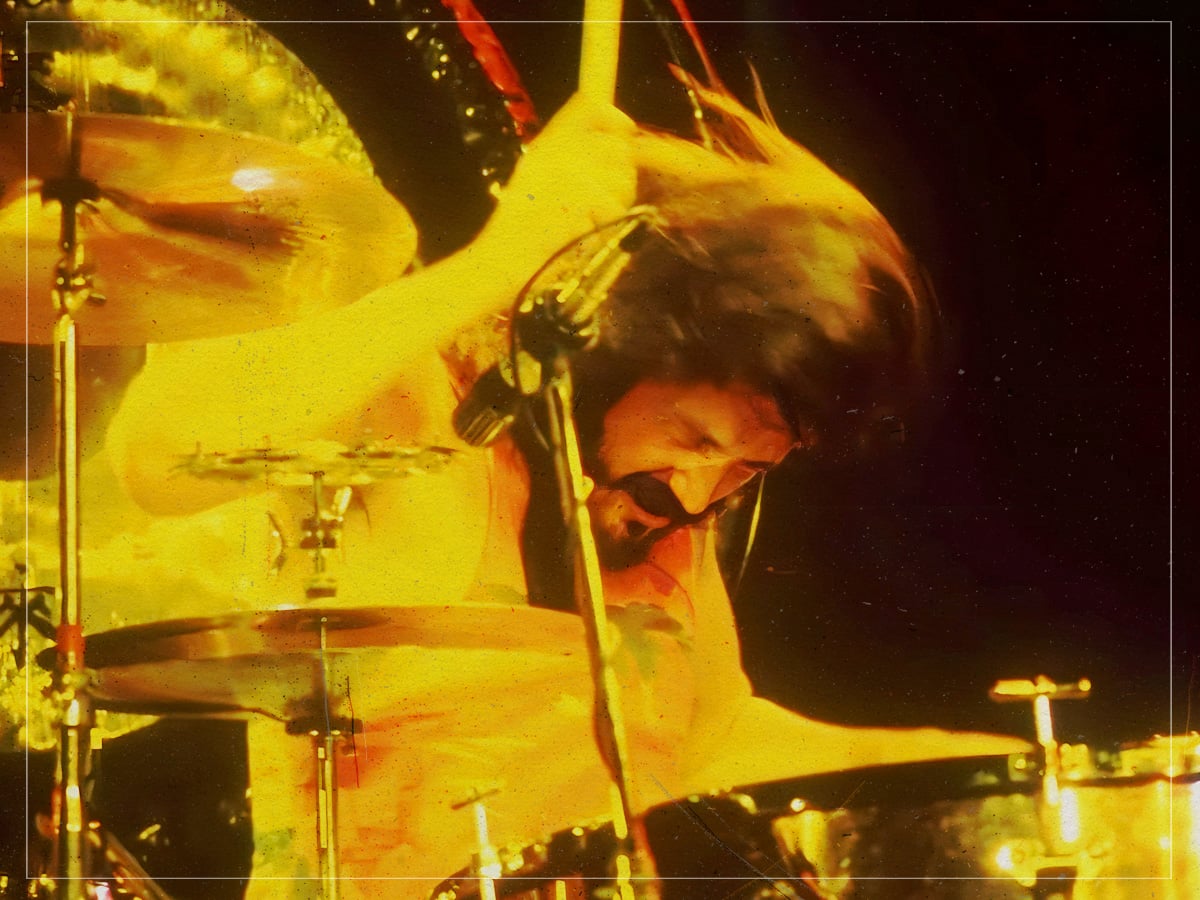
(Credits: Far Out / Alamy)
Fri 24 April 2026 12:40, UK
Led Zeppelin enjoyed a stellar career, with almost everything they created remaining cherished by fans and critics alike. From the high-octane blues rock of their eponymous debut to the pastoral dreamland of Led Zeppelin IV and even hard progressive rock of Physical Graffiti, there are many highlights in their back catalogue, with most of them standing the test of time.
There’s a reason that the English quartet were able to fill the void left by The Beatles with such ease, as the combined brilliance of Robert Plant, Jimmy Page, John Paul Jones, and John Bonham was such a powerful force that all their contemporaries were no match for it. The group simply pulsated with intent every time they stepped on stage or walked into the studio.
Unlike the Liverpudlians, Page and co were an undeniable force that seemed to relish their collaboration. Each member seemed willing enough to bring their power to the songs written by their bandmates. They seemed to operate as a unit much more effectively.
That sense of cohesion, though, was not without its tensions beneath the surface. Each member brought a distinct musical background to the table, and while that diversity often resulted in innovation, it could just as easily lead to friction when tastes did not align. Zeppelin thrived when those differences complemented one another, but there were moments when the balance tipped, exposing the limits of their shared vision.
It is in those instances that the band’s willingness to experiment becomes a double-edged sword. Their refusal to stay within one stylistic lane meant they were always at risk of overreaching, pushing into territories that did not suit every member equally. When it worked, the results were groundbreaking, but when it did not, the cracks became far more visible, offering a rare glimpse of a band that, for all its power, was not entirely immune to miscalculation.
 (Credits: 2025 Paradise Pictures Ltd)
However, this doesn’t mean that they didn’t produce misfires. Be it Led Zeppelin III or Presence, numerous moments in the band’s discography have long been the source of debate between fans, and even the band members themselves. One of the most notorious is ‘D’yer Mak’er’, a song taken from the 1973 album Houses of the Holy. To many people, it is the track that lets an otherwise perfect record down and leaves a bitter taste in the mouth because of it, a joke gone wrong is never enjoyable to listen to.
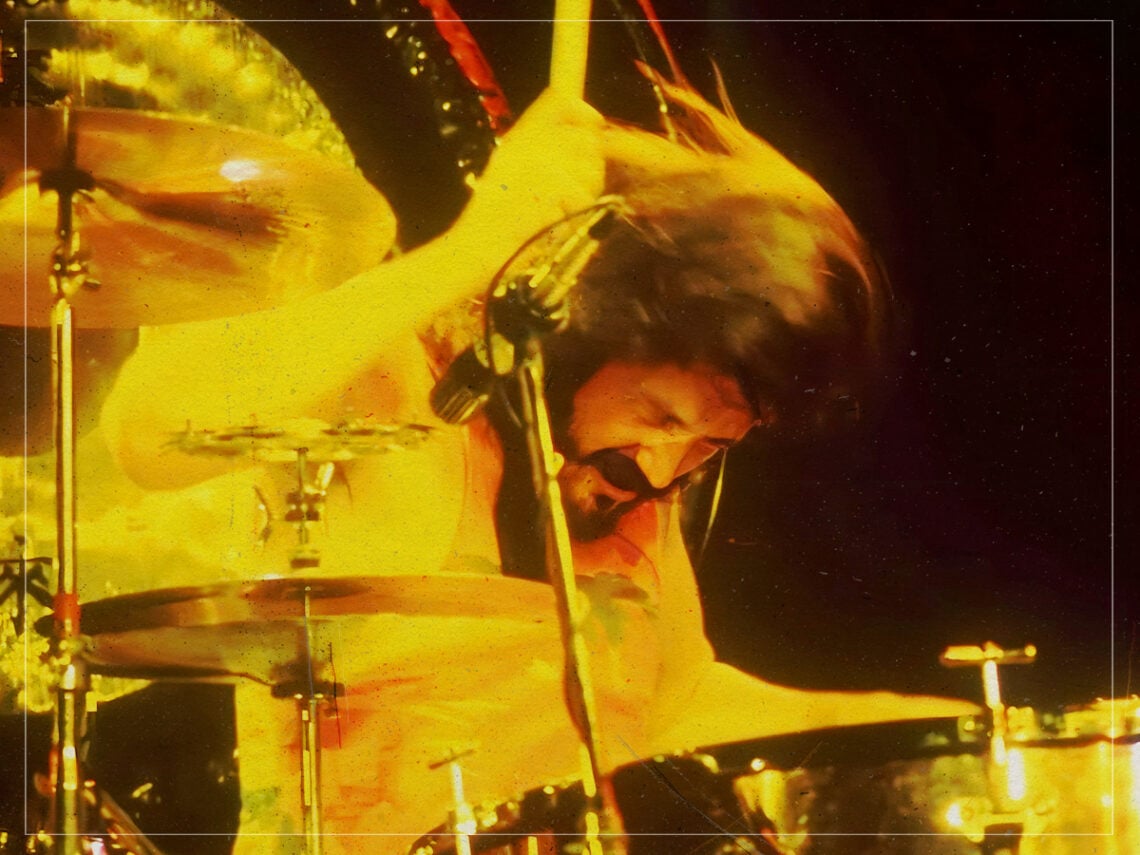
Meant to imitate reggae and dub, ‘D’yer Mak’er’ is one of the most dated tracks that Led Zeppelin released, and even at the time, drummer Bonham had a major problem with it. As pointed out by John Paul Jones, Bonham’s performance reflected just how much he despised the song. According to him, Bonham wasn’t a fan of the reggae genre, nor the style of drumming that came with it.
Bonham’s distinctive, thunderous style and technical ability helped define the sound of Led Zeppelin through the late 1960s and ’70s before his untimely death in 1980. Like most of our percussive heroes, Bonham was self-taught, but his natural talent and unwavering creativity helped him become one of the most influential drummers of his generation.
“John was interested in everything except jazz and reggae,” Jones is quoted as saying Chris Welch’s John Bonham: A Thunder of Drums. “He didn’t hate jazz but he hated playing reggae – he thought it was really boring.”
“He wouldn’t play anything but the same shuffle beat all the way through it,” Jones recalled to Welch, adding that Bonham had such a disdain for the track that this is what resulted in its lack of groove. The drumming hero hated it so much that he put very little effort into his part, with Jones claiming that if he’d worked more at it, the final product would have been much better.
Jones opined: “It would have been all right if he had worked at the part, [but] he wouldn’t, so it sounded dreadful.”
Despite maintaining that the song would have been better if Bonham had tried harder, Jones also revealed that he agreed with Bonham, going as far as to call it dreadful because their rhythm section did not stick to the golden rule of a reggae band. He told Welch: “The whole point of reggae is that the drums and bass really have to be very strict about what they play”.
ADD AS A PREFERRED SOURCE ON GOOGLE  The Far Out Led Zeppelin Newsletter
All the latest stories about Led Zeppelin from the independent voice of culture.
Straight to your inbox.