
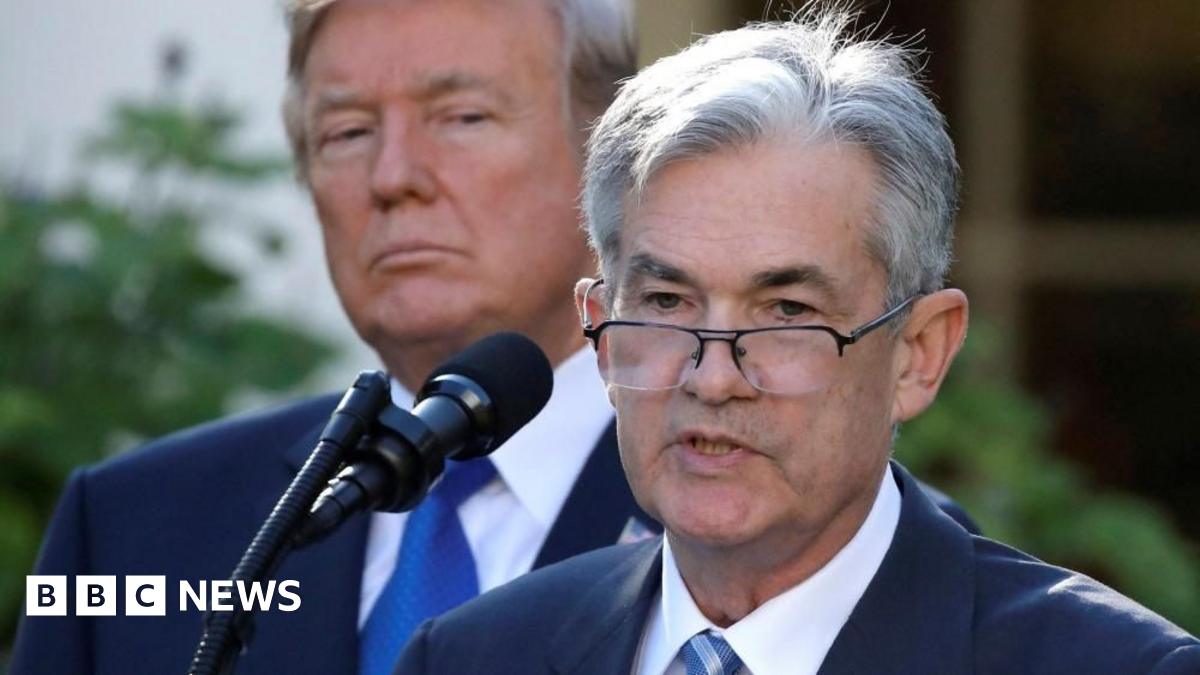
Trump called for the Fed to lower interest rates after returning to office last year, and then began floating the idea of firing Powell – a step some said could be illegal.
Amid months of attacks, he branded Powell a “knucklehead” and claimed he was “doing a lousy job” after his repeated calls for rate cuts were ignored.
Last summer, Trump criticised the ballooning costs of the renovations, arguing it will cost $3.1bn (£2.3bn), much higher than the Fed’s $2.5bn forecast. The Fed has said the renovations will reduce its costs over time.
Powell took the highly unusual step of releasing a video in January disclosing that the justice department had served the Fed with subpoenas and threatened a criminal indictment over testimony he gave to a Senate committee about renovations to Federal Reserve buildings.
Calling the investigation “unprecedented”, Powell said he believed it was opened due to Trump’s anger over the Fed’s refusal to cut interest rates despite repeated public pressure from the president. Trump said he did not “know anything” about the investigation.
It marked the first time Powell had publicly and robustly pushed back against the US president, as he warned that the independence of the US central bank was at stake.
“This is about whether the Fed will be able to continue to set interest rates based on evidence and economic conditions, or whether instead monetary policy will be directed by political pressure or intimidation,” Powell said.
Lower interest rates make it cheaper to borrow, while higher rates dampen spending activity, helping to keep prices stable.
Trump, who cut his teeth professionally taking out loans as a property developer, has long confessed to liking a low interest rate policy.
He objected when the Fed raised rates in his first term, and has argued keeping rates too high could do unnecessary economic damage.