
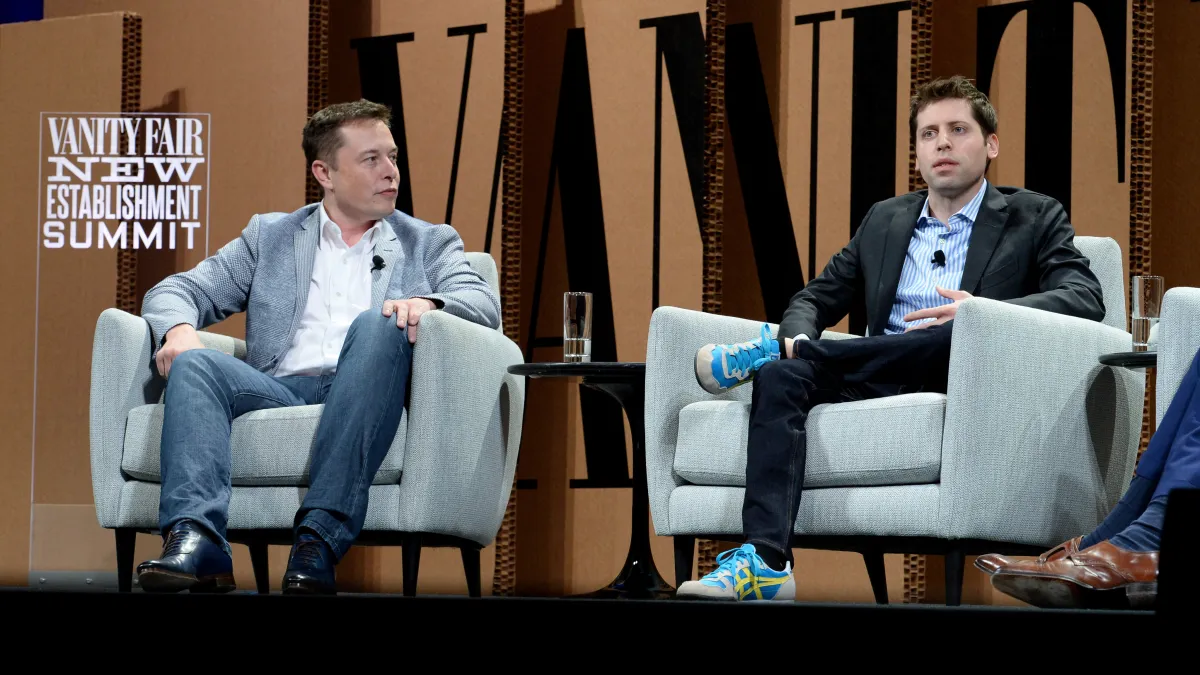
One of Silicon Valley’s most high-profile court cases is set to begin as Elon Musk and Sam Altman take their years-long public rivalry to a federal courthouse in California, with potentially profound consequences for the future of artificial intelligence.
The $134 billion showdown between the world’s richest man and the chief executive of OpenAI — once close friends — will include cameos for leading lights of big tech, including Satya Nadella, the chief executive of Microsoft, and Mira Murati, OpenAI’s former chief technology officer.
They are due to testify alongside Musk and Altman in the weeks-long trial in a court in Oakland, just over the Bay Bridge from San Francisco, which is due to begin on Monday with jury selection.
The crux of the claim is Musk’s assertion that he was “deceived” into investing $38 million into OpenAI, which was founded in 2015 as a non-profit body to ensure that AI benefits humanity. “OpenAI has abandoned its ‘irrevocable’ non-profit mission in the pursuit of profit,” he argues.
The ChatGPT maker counters that Musk himself supported the creation of a for-profit structure during his time at the company, and that the lawsuit is largely an attempt to hobble a competitor.
OpenAI’s lawyers have accused Musk of using “evasive tactics” after he initially filed 26 claims against the company in November 2024. That list has since been whittled down to four: unjust enrichment, fraud, constructive fraud, and breach of charitable trust.
“Trial begins in five days but [the] plaintiff still refuses to state plainly what claims he will pursue and what remedies he will seek,” OpenAI’s lawyers said.
On Friday, a California judge dismissed Musk’s fraud accusations but the trial will proceed on his breach of charitable trust and unjust enrichment claims. Musk has said previously that dismissing the claims would keep jurors focused on his goal of ensuring that OpenAI benefited humanity, rather than acting as a “wealth machine”.
Sam Altman
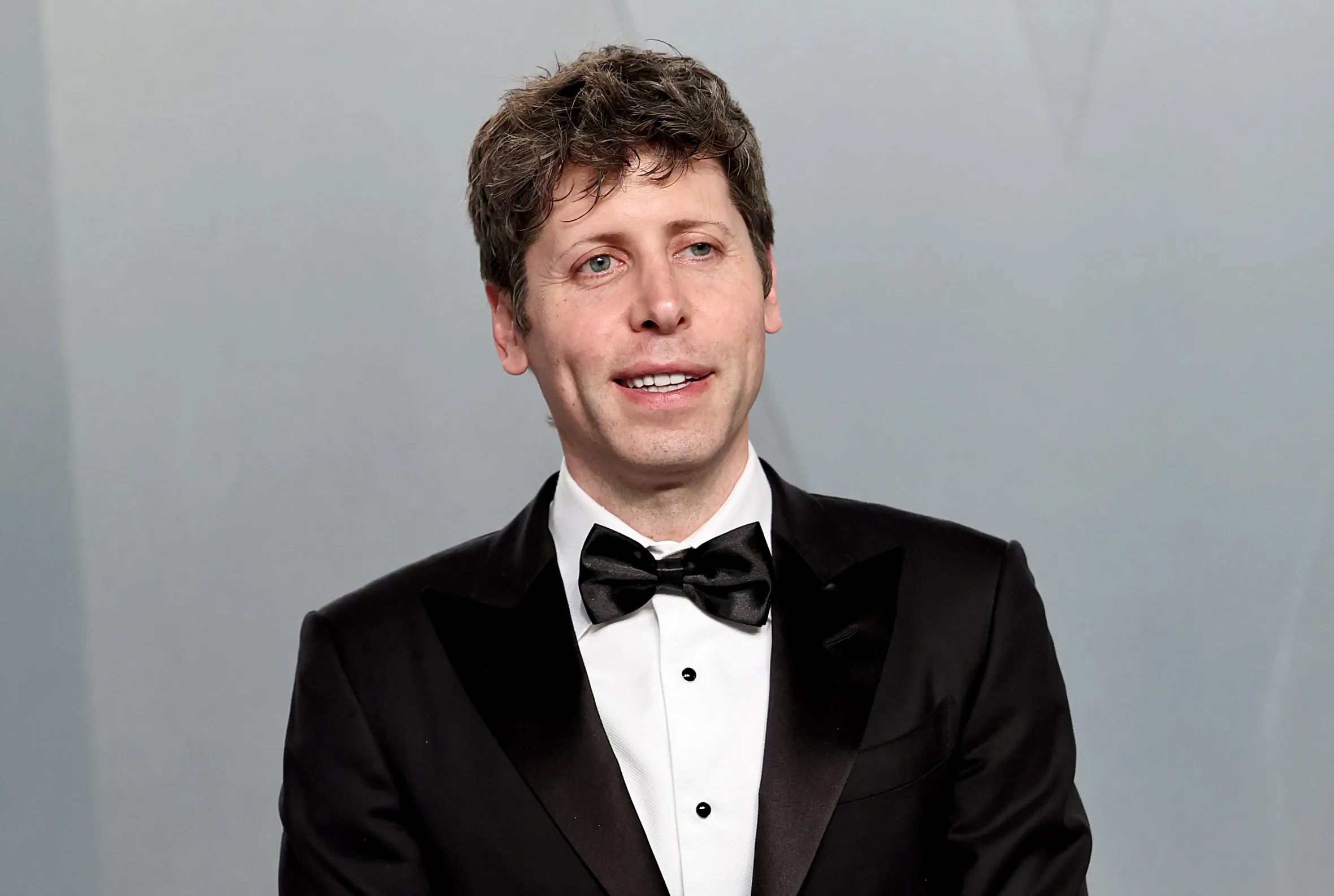 Sam AltmanJAMIE MCCARTHY/WIREIMAGE
For Altman, 41, the stakes could hardly be higher. Musk is demanding that Altman be removed from his position at a time when AI’s capabilities are rapidly accelerating, and the company itself is thought to be preparing for an initial public offering. Musk’s lawyers argue that the removal of a charity’s directors is a “common remedy” when they fail to carry out the charity’s public mission.
Since the launch of ChatGPT in November 2022, Altman has been a globe-trotting spokesman for AI, but defeat in this case could remove him from his position of immense influence at a crucial juncture for the industry.
Musk also said he wants Altman stripped of “all equity and other personal financial benefits”. This may not be as much of a blow as one might expect because Altman claims to have no direct stake in OpenAI and draws a salary of just $76,000. Altman is still a billionaire but his fortune comes from the investments he made in companies like Reddit, Stripe and Airbnb.
The unknown risk for Altman is whether the case will reveal damaging details about his leadership. He was famously ousted in a boardroom coup back in 2023, only to be reinstated a few days later. Questions about his leadership style have never gone away, and could be intensified by the trial.
Greg Brockman
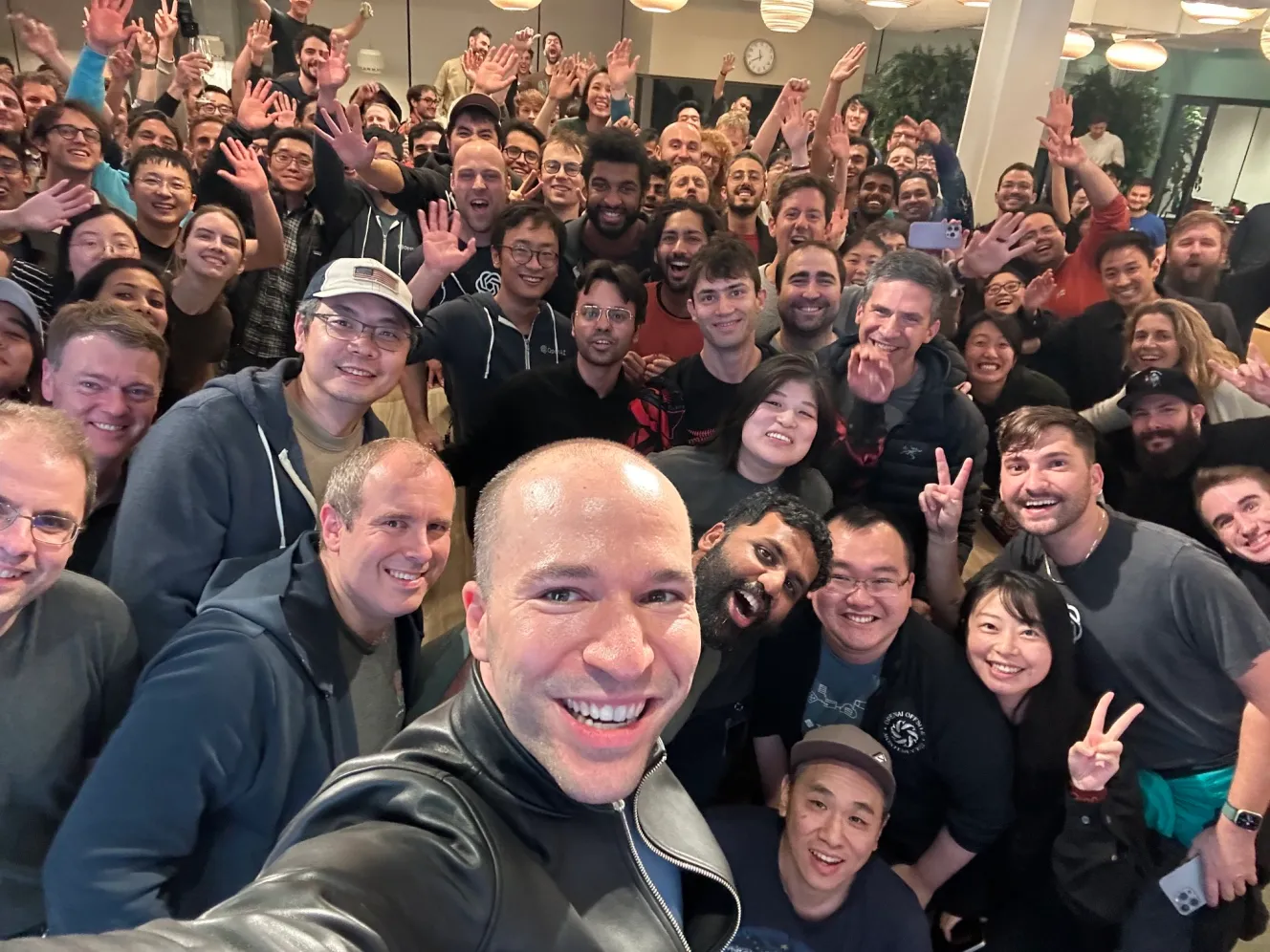 Greg Brockman with OpenAI team membersGreg Brockman
Brockman, 38, a co-founder of OpenAI alongside Altman, Musk, and Ilya Sutskever, could also be removed from his leadership position at OpenAI, where he currently serves as president. Musk is also seeking to have his equity stripped, which is thought to be worth over $1 billion.
Court documents have already surfaced showing some of Brockman’s journal entries which have proved embarrassing for OpenAI. Around the time of Musk’s departure from the company, Brockman wrote: “It’d be wrong to steal the non-profit from him [Musk]. to convert to a b-corp without him. that’d be pretty morally bankrupt. and he’s really not an idiot.”
“His story will correctly be that we weren’t honest with him in the end about still wanting to do the for profit just without him.”
Those diary entries, which were not meant to see the light of day, have become central to Musk’s case.
Elon Musk
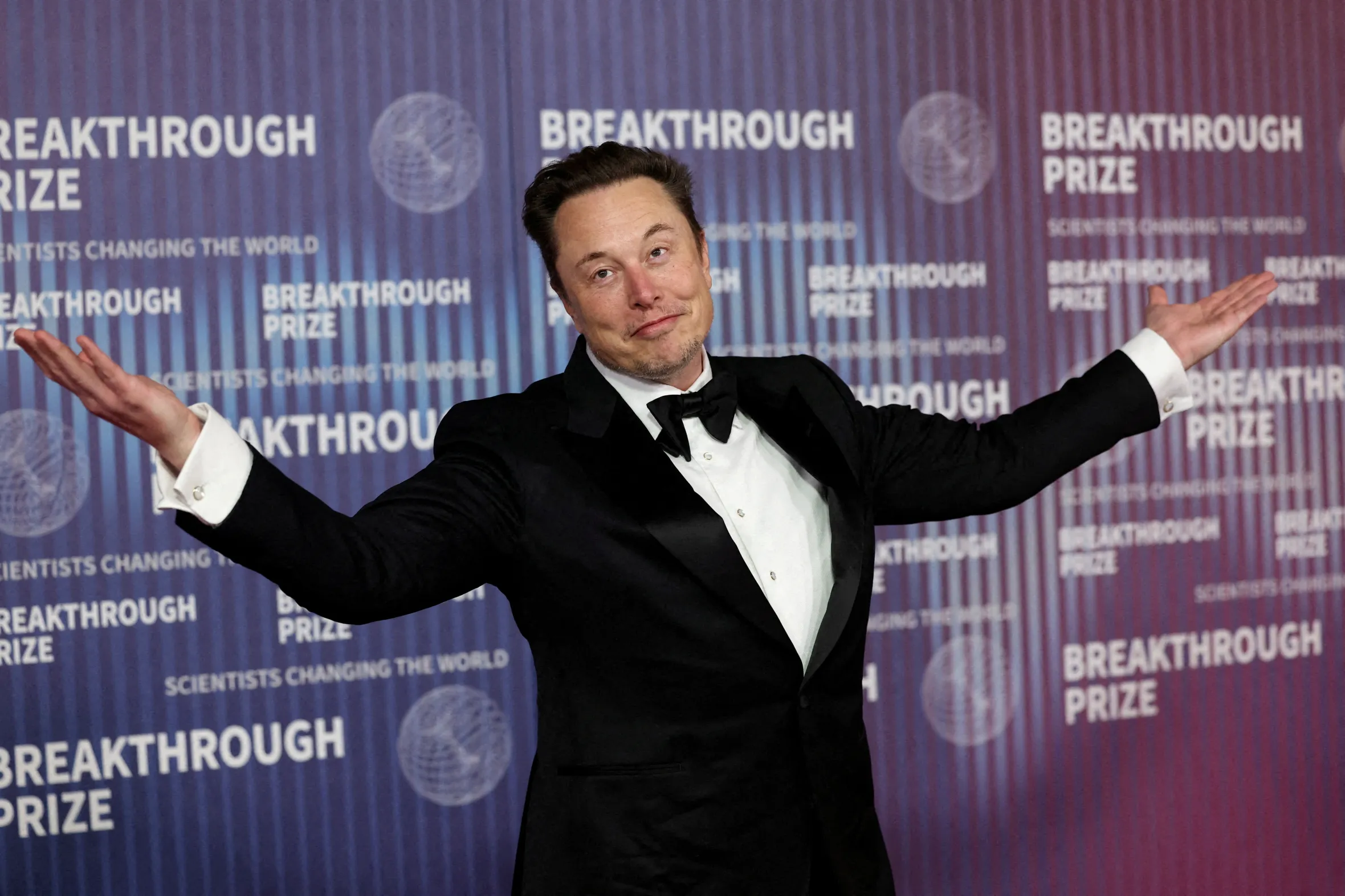 Elon MuskMARIO ANZUONI/REUTERS
For Musk the downside risks are less obvious than for either Altman or Brockman, but the potential upside is significant.
Alongside the departure of Altman and Brockman, Musk is demanding that the company be returned to its non-profit structure. Musk’s own AI company, xAI, would clearly stand to benefit from any limitations imposed on OpenAI’s ability to raise funding, a fact which the ChatGPT maker has not been slow to point out. “His lawsuit remains nothing more than a harassment campaign that’s driven by ego, jealousy and a desire to slow down a competitor,” the company posted on X earlier in April.
Business newsletter
The business editor’s exclusive analysis of all the latest financial and economic news.
Sign up with one click
The Tesla and SpaceX founder is also seeking $134 billion in damages from OpenAI and its lead investor Microsoft, arguing that they are “wrongful gains” the companies received as a result of his early financial support for OpenAI. Musk has suggested that any damages should ultimately be directed back toward OpenAI’s non-profit arm, but the figure has been questioned. At a pre-trial hearing in California last year, Judge Yvonne Gonzalez Rogers said Musk had been “pulling these numbers out of the air”.
The high-profile case will nevertheless prove a distraction for Musk as the date for SpaceX’s initial public offering approaches. The record listing is slated for the early summer, to coincide with Musk’s 55th birthday in June and a rare planetary alignment.
Marc Toberoff
 Marc Toberoff, Musk’s lawyerJC OLIVERA/VARIETY/GETTY IMAGES
Another key figure in the Silicon Valley legal drama is a Malibu lawyer who is no stranger to the spotlight. Marc Toberoff, Musk’s lawyer, has been advising Musk in his long-running feud with Altman.
A Vanity Fair profile in February noted that Toberoff, a movie producer with credits on Beetlejuice Beetlejuice and Bad Boys: Ride or Die, wrote an earlier legal complaint that read like a Hollywood script: “Elon Musk’s case against Sam Altman and OpenAI is a textbook tale of altruism versus greed. The perfidy and deceit are of Shakespearean proportions.” Discussing the legal battle, Toberoff said: “I can just imagine the other side looking me up and going, ‘Who is this guy?’ But I’ve been underestimated before. In fact, that’s my secret weapon.”
Toberoff is the son of a first-generation Jewish immigrant who became a prominent medical malpractice lawyer in New York. He started his legal career at the New York firm Kelley Drye & Warren. A founding partner of Toberoff & Associates, he is better known as a leading attorney in the area of copyright and entertainment litigation and has successfully represented clients including the children of the musicians James Brown and Ray Charles, and the heirs of Jerry Siegel, the comic book writer who co-created Superman.
Wachtell, Lipton, Rosen & Katz
OpenAI is working with a roster of elite American law firms including Wachtell, Lipton, Rosen & Katz. Founded in 1965, the firm is known for inventing the “poison pill” defence, or stockholder rights plan, to thwart hostile takeovers. It also has a reputation for managing some of the world’s largest and most complex mergers, including advising Warner Bros Discovery on its $110 billion acquisition by Paramount Skydance.
The law firm has experience taking on Musk. It successfully represented Twitter, since renamed X, in 2022 to force Musk to complete his $44 billion acquisition. Musk later sued the firm over a $90 million “success fee” paid during that deal, claiming the firm had received “an improper bonus payment in violation of its fiduciary and ethical obligations to its client”. X dropped the lawsuit last November. A Wachtell spokesperson in a statement said the firm is “pleased that X has dismissed its meritless lawsuit with prejudice. There was no settlement.”