
A few years after the law changed, a puma was caught in the Highlands. Subsequently named Felicity, she was trapped in 1980 by a farmer frustrated by a series of attacks on livestock.
She went on to live contentedly in captivity. Her condition and relative tameness suggested she had been released into the wild from a private collection. After her death in 1985 she was stuffed and displayed in Inverness Museum, where she remains on show.
Paul Macdonald believes Scotland, with its relatively temperate climate, vast areas of remote countryside and an abundance of wild prey such as deer, is a good breeding environment for big cats.
He believes the cats people claim to see today are descended from the animals released in the wake of the 1976 act.
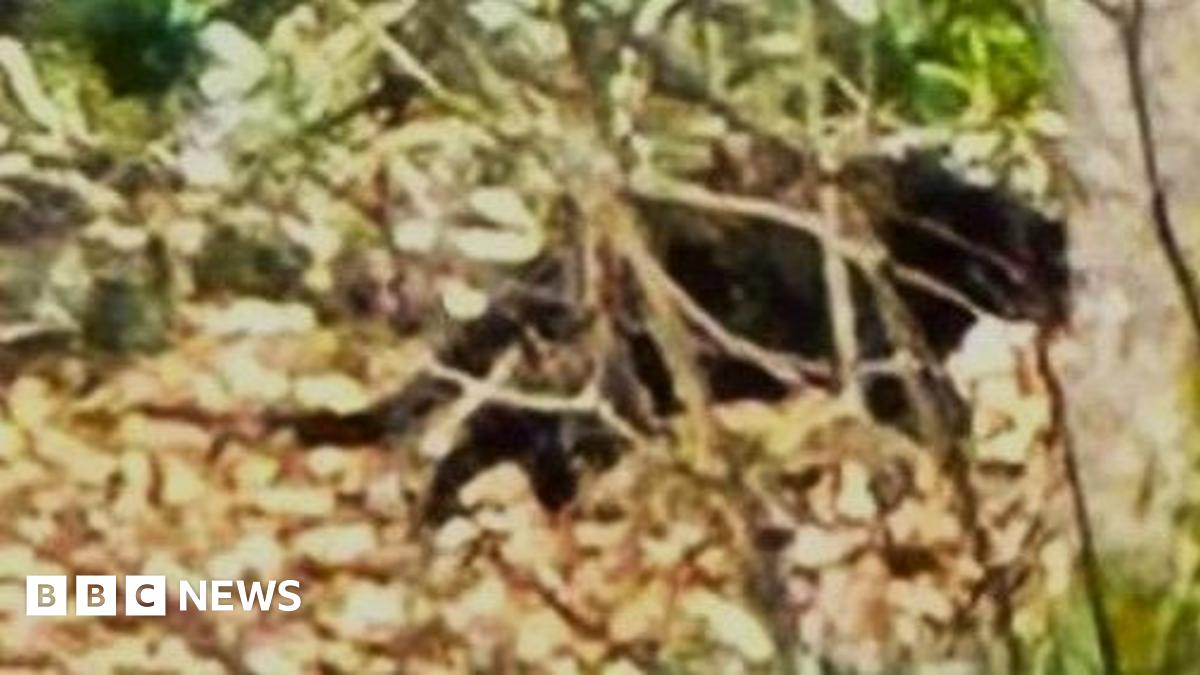
Sceptics ask why we don’t see more of them, and why the photos of big cats cited as evidence are often blurry and ambiguous.
“There are understandable reasons for a relative lack of images when it comes to sightings,” Paul says.
“Most sightings are typically five seconds or less. It typically takes around seven seconds or more to deploy a phone or camera from a pocket, switch it on and take a clear image.
“In any case, every encounter is completely unexpected. And the witness invariably is left in a state of shock, awe or fear from what they’ve just seen.”
He says the bones, prints, photos and testimony they’ve collected leave him in no doubt that big cats are out there.