
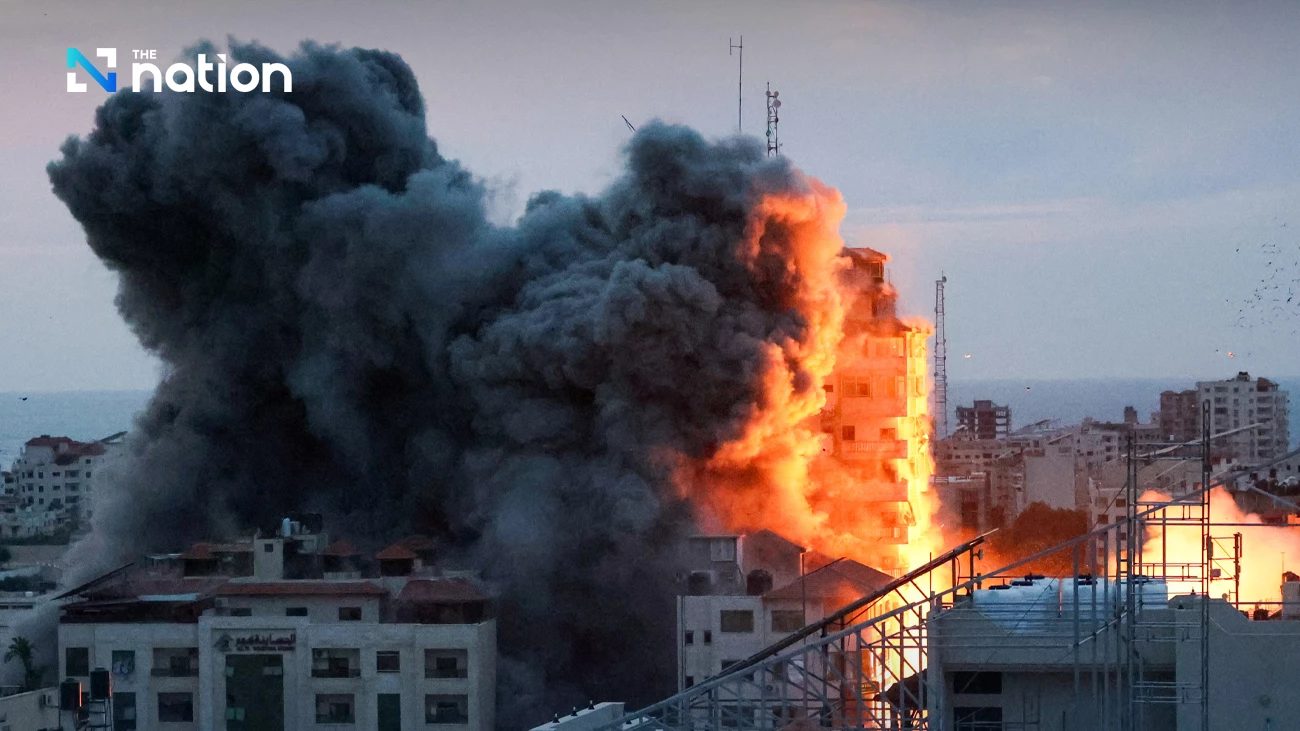
Scenario 1: Conflict ends in first half of 2026
In the most optimistic scenario, negotiations between the opposing sides lead to a resolution within the first half of 2026, bringing an end to military clashes.
Energy and transport infrastructure would gradually recover, allowing supply conditions to normalise. As a result, global energy and commodity prices would begin to decline steadily in the second half of 2026.
Under this scenario:
Dubai crude oil is projected to average US$90 per barrel in 2026 and US$75 in 2027
Inflation would stand at 2.9% in 2026, easing to 1% in 2027
GDP growth is forecast at 1.4% in 2026, rising to 2.2% in 2027
Scenario 2: Prolonged conflict leads to stagflation
In a more adverse scenario, the conflict drags on and is expected to end only in the second half of 2026.
Exports of energy and commodities from the Middle East would remain constrained, keeping energy prices elevated throughout 2026.
This would disrupt global supply chains and push several economies into stagflation, characterised by weak growth combined with high inflation.
Rising global inflation pressures could prompt central banks to maintain tight monetary policies, further weighing on economic activity.
Under this scenario:
Dubai crude oil is projected to average US$110 per barrel in 2026 and US$95 in 2027
Inflation would rise to 4.6% in 2026, before easing to 1.5% in 2027
GDP growth would slow to 0.8% in 2026, recovering slightly to 2.0% in 2027