
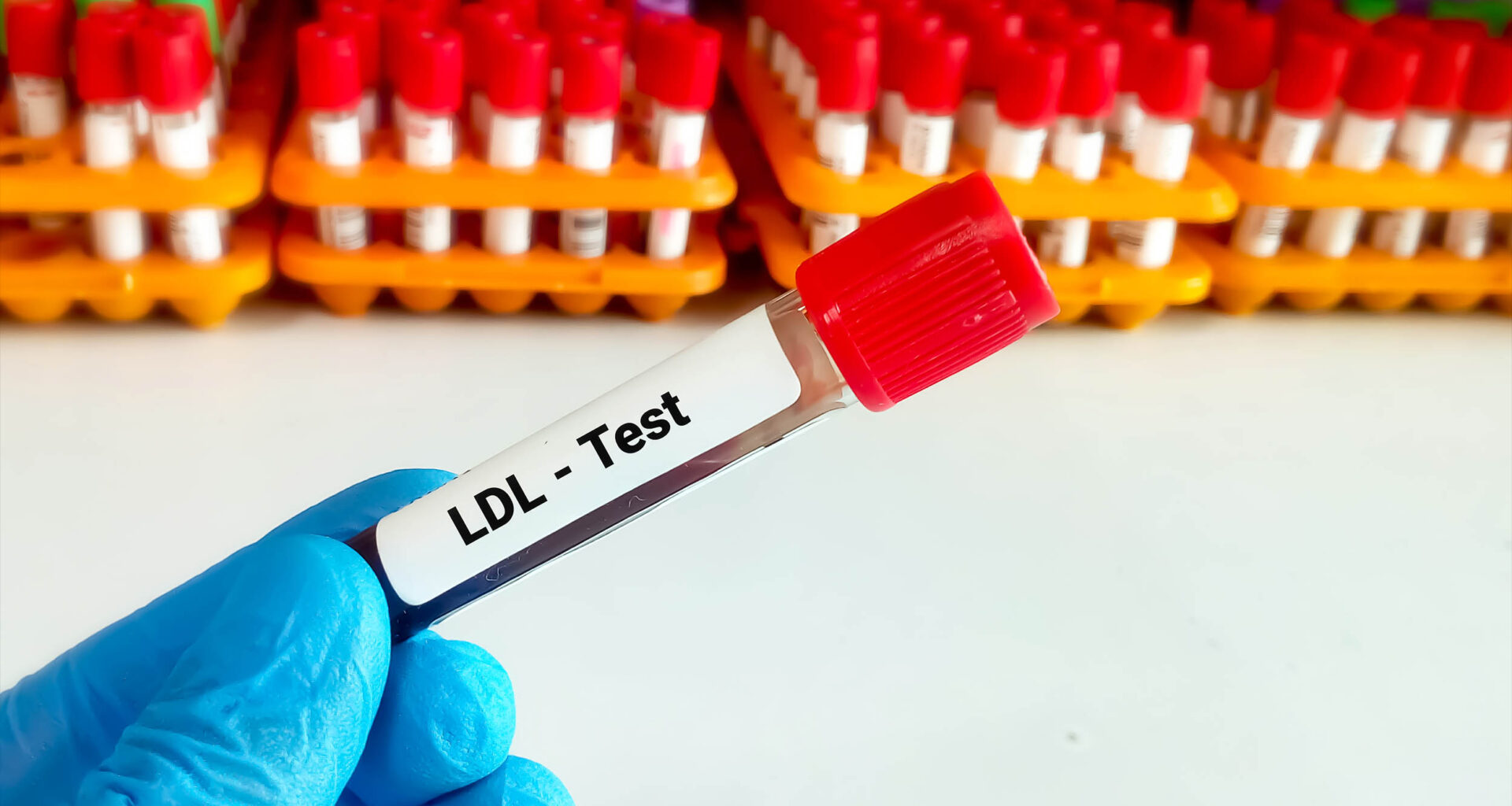
Doctors in the U.S. have updated cholesterol level guidance to lower the threshold of low-density lipoprotein (LDL), often called “bad” cholesterol, that triggers that defines cardiovascular risk.
The revision pushes clinicians to act earlier and more precisely, reframing when prevention begins for millions of adults.
Lowering LDL cholesterol levels

Across routine blood tests that track LDL levels, the change appears as newly lowered targets tied directly to a patient’s overall risk profile.
Roger S. Blumenthal at Johns Hopkins Medicine (JHM) connected those targets to real-world assessments by showing how standard exam data can guide earlier intervention.
The same LDL reading can now carry different consequences depending on age, history, and compounding risk factors.
That shift establishes a tighter decision window, where waiting for progression gives way to earlier, risk-driven action.
Risk comes first
The PREVENT calculator, a tool for forecasting heart risk, estimates 10- and 30-year chances of heart attack, stroke, and heart failure.
Committee members said it uses information already gathered during a standard physical.
“With this new assessment tool we can better estimate cardiovascular risk using health information already obtained during an annual physical,” Blumenthal said.
That estimate gives doctors a clearer base for deciding when lifestyle work is enough and when medicine should start.
Why lower LDL level helps
Less LDL means fewer cholesterol-rich particles stick in artery walls, where they feed plaque that can narrow vessels or break open.
Trials and meta-analysis showed that each 39 mg/dL drop in LDL cuts major vascular events by about one-fifth.
Experts said that lower LDL levels are generally associated with reduced risk, particularly for people more likely to experience a heart attack or stroke.
The logic is blunt: lower exposure over more years leaves arteries with less chance to scar, inflame, and clog.
Beyond standard panels
Beyond the standard cholesterol test, the guideline now suggests a one-time check for lipoprotein(a), a type of cholesterol particle mostly passed down through families.
At higher levels, it can quietly raise long-term heart risk, increasing it by about 40% at one level and up to double at more extreme levels.
Doctors may also look at apolipoprotein B, a protein carried on harmful cholesterol particles that reflects how many of those particles are in the blood, especially when other numbers are harder to interpret.
In uncertain cases, a specialized scan can look for early signs of hardened buildup in the arteries, helping confirm whether heart disease is already developing.
Top global cause of death
The World Health Organization fact sheet put the 2022 toll at 19.8 million deaths, still the top global cause.
Population aging explains part of that burden, but obesity, diabetes, stress, and inactivity add new risk.
Many people miss goals because they never learn their numbers, do not stay on treatment, or lose access to care.
Better guidance matters only when screening, follow-up, and access turn a lab result into long-term prevention.
Habits still matter
Food, movement, weight, tobacco, sleep, and blood pressure still anchor prevention because they change blood fats and artery inflammation.
The guideline kept exercise, healthy weight, no tobacco, and enough sleep central because medicines work best when those pressures ease.
It also said dietary supplements should not be used to lower LDL, since the evidence remains thin and inconsistent.
That boundary matters because lifestyle is essential, but it is not a substitute for stronger treatment when risk stays high.
Taking meds for LDL levels
Doctors no longer start treatment by staring at one cholesterol value alone.
They weigh prior heart attack or stroke, diabetes, LDL above 190 mg/dL, family history, pregnancy complications, kidney disease, and other risks together.
Once that picture is clear, treatment can begin with a statin, a drug that helps the liver clear LDL.
Shared decision-making matters most in the gray zone, where the goal is not perfect numbers but fewer future emergencies.
Statins and add-ons
Statins remain first-line because they cut LDL reliably, lower the odds of heart attack and stroke, and have the deepest evidence base.
Most people tolerate them well, and the guideline treats fears about serious harm as smaller than the danger of untreated risk.
If a statin does not get someone to the goal, doctors now move more readily to ezetimibe, a pill that blocks cholesterol absorption, or injections. That faster escalation is one of the clearest breaks from the 2018 approach.
Earlier across life
Earlier prevention may be the most far-reaching part of the update. Adults without known lipid disorders should start periodic checks at 19, and children should be screened around ages nine to 11.
That earlier timing helps catch familial hypercholesterolemia, an inherited condition that drives very high LDL from childhood and quietly speeds plaque growth for decades.
By finding inherited risk sooner, doctors can start diet changes, family screening, and medication before the first emergency becomes the diagnosis.
What changes next
The new advice treats risk as something that builds year by year, not a number revisited only after a heart attack.
For patients, the message is simple: know your LDL, ask about inherited risk and lipoprotein(a), and act earlier when levels stay high.
The study is published in Circulation and the Journal of the American College of Cardiology.
—–
Like what you read? Subscribe to our newsletter for engaging articles, exclusive content, and the latest updates.
Check us out on EarthSnap, a free app brought to you by Eric Ralls and Earth.com.
—–