
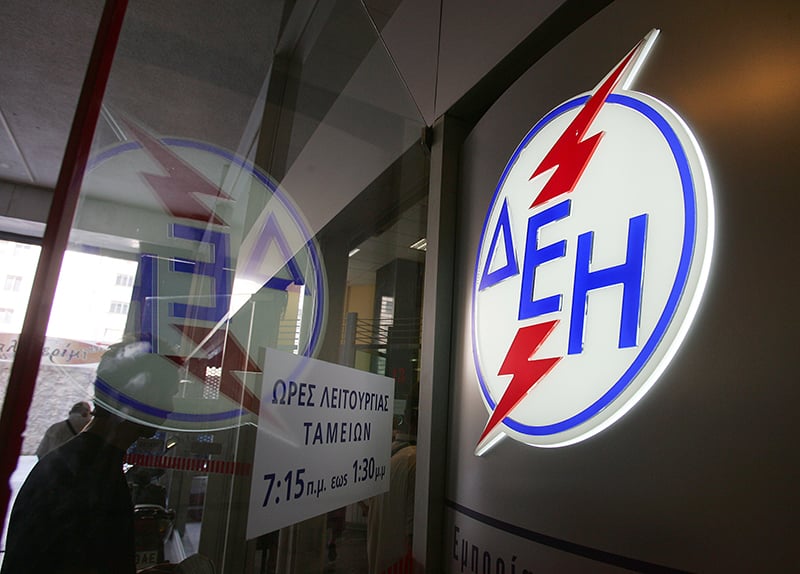
 The energy giants of Greece are initiating capital increases totaling approximately €5 billion. Credit: AMNA
Greece is moving ahead with a major energy transition, aiming to expand beyond a national utility model into a broader regional role in Southeastern and Central Europe.e.
The Public Power Corporation (PPC/ΔΕΗ) and the Independent Power Transmission Operator (IPTO/ΑΔΜΗΕ) are preparing a combined €30 billion ($35.2 billion) in investments through 2030. To fund this expansion, the companies are initiating capital increases totaling approximately €5 billion ($5.8 billion).
This move marks a major shift for Greece. The country’s two leading energy groups are executing large-scale capital moves simultaneously to secure domestic energy needs and establish a regional presence in Southeastern and Central Europe. PPC’s capital increase is expected to conclude in May, followed by IPTO’s in June.
The Greek state, as a major shareholder (34.2% in PPC and 51% in IPTO), is a pivotal player, set to contribute over €1.8 billion ($2.1 billion) to reinforce these national strategic pillars. At PPC, CVC Capital Partners has reaffirmed its support for the company’s new strategic plan, pledging €1.2 billion ($1.4 billion) toward the capital increase. PPC’s strategy focuses on a multifaceted transition toward renewables, battery storage, and high-tech infrastructure, including data centers, with a goal to exceed 24 GW of installed capacity by 2030.
Debate grows over who benefits
However, the plan has triggered intense political friction. While the government champions the €30 billion ($35.2 billion) investment cycle as a “vote of confidence” in the Greek economy, former Prime Minister Alexis Tsipras has labeled the parallel capital increases of PPC and IPTO as a “major scheme” at the expense of the public interest.
The controversy centers on the allocation of public funds. Critics argue that while the state is committing over €1.8 billion ($2.1 billion) to support these expansions, private shareholders, specifically CVC Capital Partners, stand to gain the most from the capital appreciation. Tsipras contends that these funds should be directed toward domestic priorities, such as healthcare, education, or addressing the housing crisis, rather than fueling international expansion in Romania, Hungary, and beyond.
Furthermore, he points to the paradox of funding utility growth with taxpayer money while consumers continue to struggle with high energy costs.
The government, conversely, maintains that these investments are essential for energy autonomy, modernization, and the long-term profitability of national assets. As both firms prepare to raise billions from the markets, the debate highlights a deepening divide over whether these energy giants should prioritize shareholder value or the immediate relief of Greek households.