
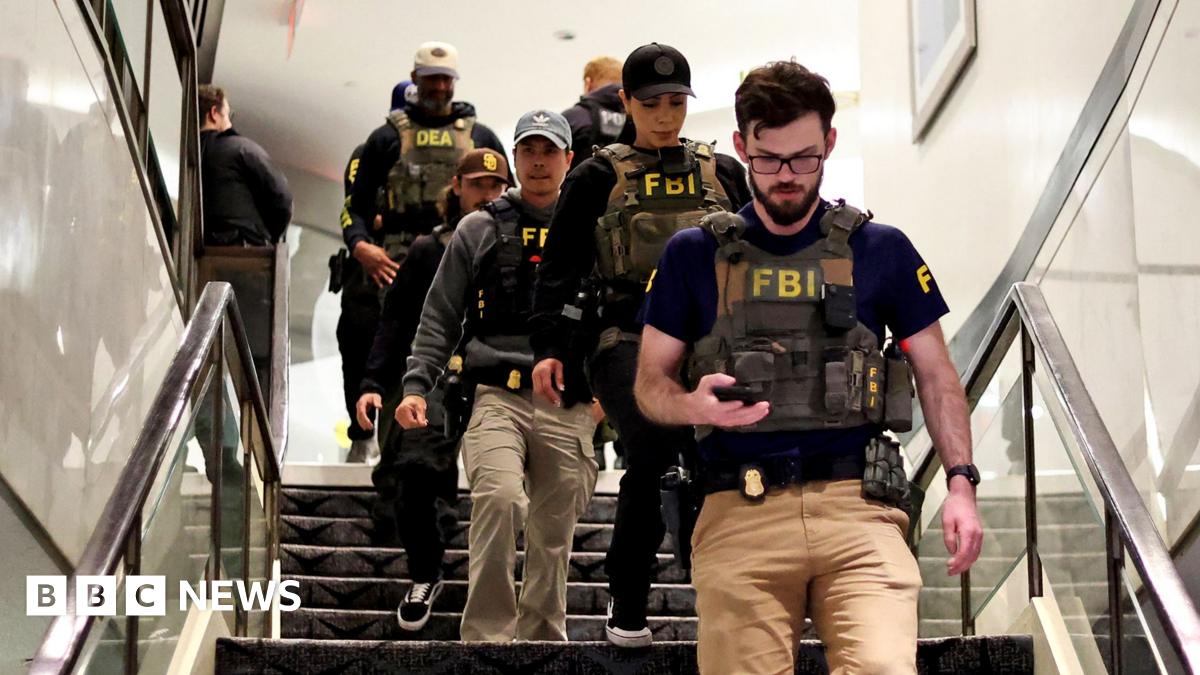
For many in the ballroom at the White House Correspondents’ Association dinner on Saturday night, the scene was painfully familiar. Shots fired, confusion and panic, and a sense that the normal order of things had been violently interrupted.
Erika Kirk, whose husband, the conservative activist Charlie Kirk, was shot and killed last September, was in tears. Congressman Steve Scalise, majority leader in the House of Representatives who suffered life-threatening injuries in a shooting at a baseball practice with Republican teammates in 2017, was escorted out by security.
So was Health Secretary Robert F Kennedy Jr, who lost his father and uncle to assassin’s bullets.
Many journalists in attendance had been at the 2024 rally in Butler, Pennsylvania, where an assailant opened fire on Donald Trump, grazing his ear, before being killed by a Secret Service sniper.
In modern America, it seems, political violence has become an ever-present storm, that can strike anywhere, at any moment.
Saturday night was the third time that Trump has been directly targeted – after the Butler attack and another attempt in 2024 at his Palm Beach golf resort. In a separate incident, the Secret Service killed an armed man trying to enter Trump’s Mar-a-Lago club, although the president was not in Florida at the time.
These incidents have become frequent enough that there is almost a routine to them.
Trump, reflective, calls for unity and a cooling of political rhetoric. News coverage speculates about a “new tone” from the president. Ultimately, partisan divisions reassert themselves – often with Trump leading the way.
That cycle is in overdrive this week.
On Saturday night, Trump called for unity.
“His many detractors should grant that his comments late Saturday at a White House press briefing hit the right notes of gratitude and comity,” a Wall Street Journal editorial observed.
On Sunday evening, in a sit-down with CBS’ 60 Minutes programme, Trump blamed Democrats for creating an atmosphere that encouraged the shooting, then derided interviewer Norah O’Donnell as “a disgrace” and “horrible” after she asked about the manifesto written by the alleged assailant.