
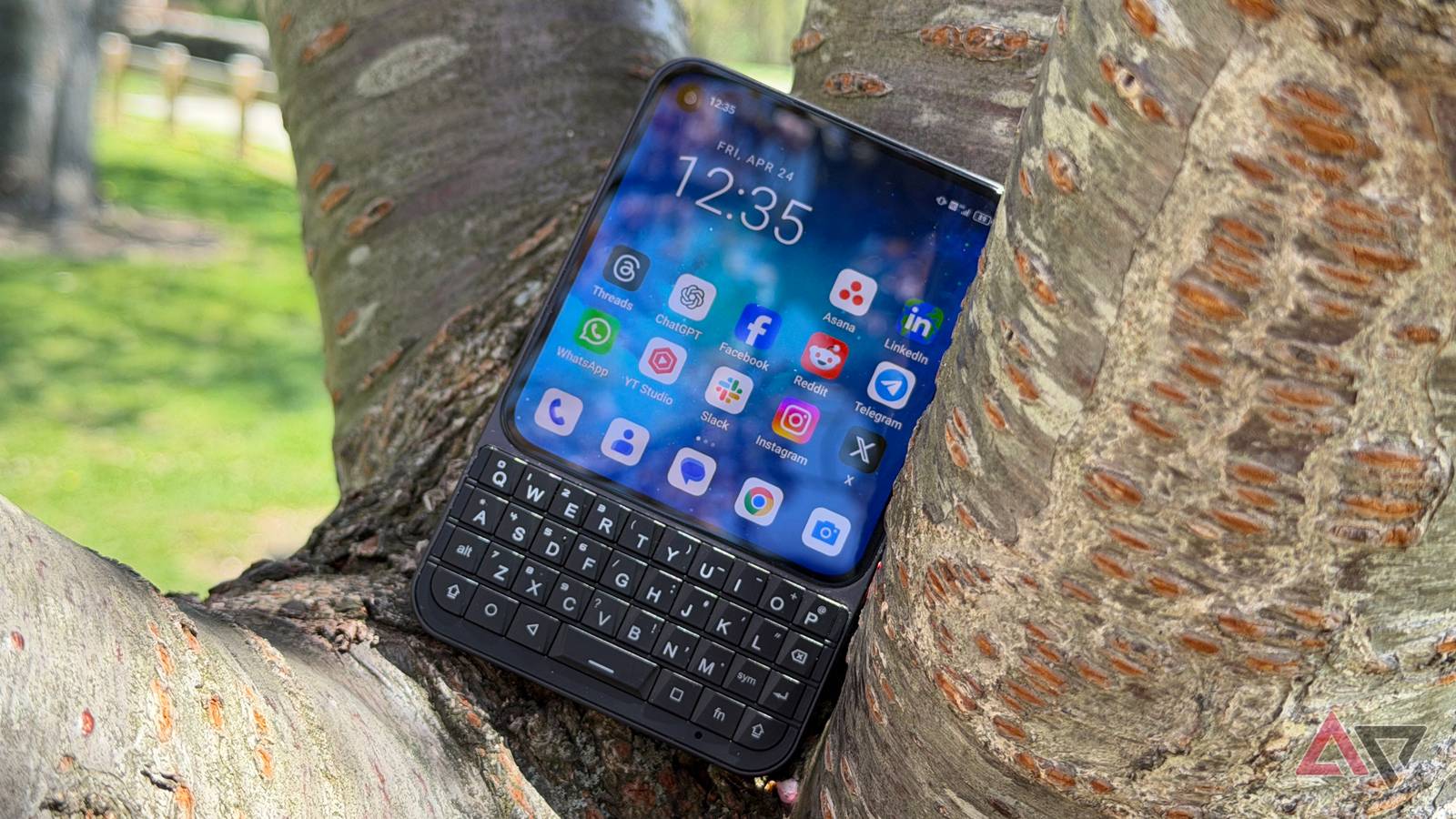
Whether it’s morbid curiosity, nostalgia, or a legitimate urge for something different, people are paying attention to the Unihertz Titan 2 Elite.
The Unihertz Titan 2 was one of my favorite phones of 2025, so naturally I was excited to try out its more compact sibling due out in June.
While the Titan 2 drew much of its inspiration from the BlackBerry Passport, the Titan 2 Elite aims for a BlackBerry Classic feel.
Unihertz has grown up, too, recognizing more of what buyers are looking for in 2026. The result is a wonderful little device that isn’t shy about its limitations.
A physical keyboard phone may not be for everyone anymore, but it’s definitely for me, and the Titan 2 Elite is a big reason why.
Related
I still miss the BlackBerry that outsmarted the competition
BlackBerry beat everyone with its tablet
The keyboard isn’t the only highlight of the Titan 2 Elite
It packs a gorgeous display
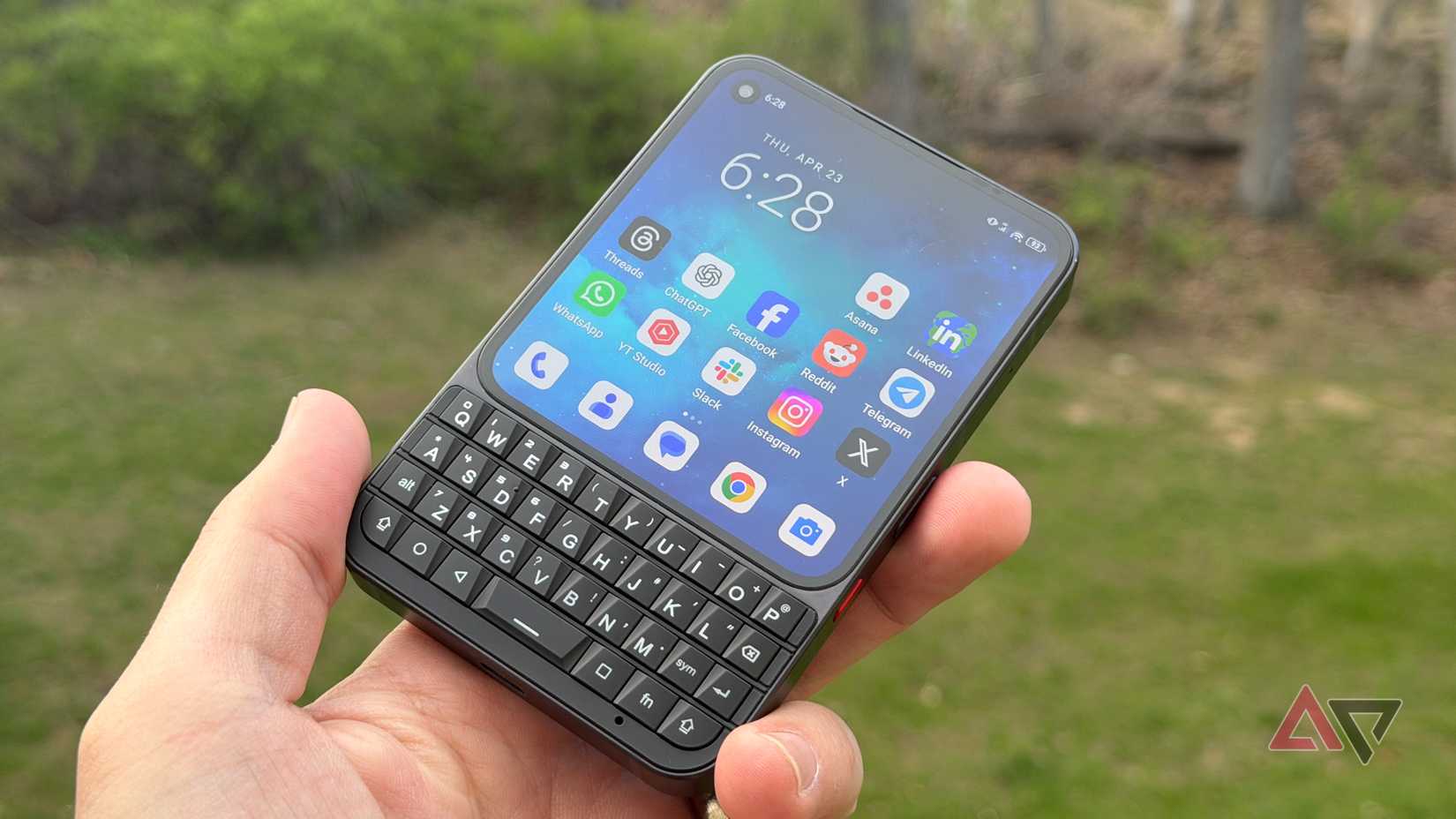
I’d normally start any discussion about a physical keyboard phone with the most obvious feature — its keyboard. But I can’t do that with the Titan 2 Elite.
When I used the original Titan 2, I couldn’t help but think how much better the phone would be with an OLED panel. Its LCD is decent, but you can definitely tell it’s an LCD.

Quiz
8 Questions · Test Your KnowledgeKeyboard smartphones
Trivia challenge
From BlackBerry to QWERTY sliders — find out how well you know the golden age of physical keyboard phones.
BlackBerryHardwareHistoryBrandsDesigns
Begin
Which BlackBerry model was the first to feature a full QWERTY keyboard and became iconic among business users in the early 2000s?
ABlackBerry 5810BBlackBerry 7230CBlackBerry 857DBlackBerry 6210
Correct! The BlackBerry 857, released in 2001, was among the first BlackBerry devices to feature a thumb-friendly QWERTY keyboard. It helped define the category of keyboard-equipped smartphones and made BlackBerry a staple in corporate environments worldwide.
Not quite. The BlackBerry 857, released in 2001, holds the distinction of being one of the first BlackBerry handhelds with a full QWERTY layout. While other models like the 6210 and 7230 followed and refined the formula, the 857 started the keyboard revolution for the brand.
Continue
The Nokia E71 was a critically acclaimed keyboarded smartphone released in 2008. What operating system did it run?
AAndroid 1.0BWindows Mobile 6CSymbian S60 3rd EditionDMeeGo
Correct! The Nokia E71 ran Symbian S60 3rd Edition, Nokia’s powerful business-focused platform at the time. It was widely praised for its slim metal design, excellent battery life, and full QWERTY keyboard, making it a favorite among professionals before smartphones shifted to touchscreens.
Not quite. The Nokia E71 ran Symbian S60 3rd Edition, Nokia’s enterprise-ready platform. Android was barely launched in 2008, MeeGo came much later, and Nokia never used Windows Mobile on the E71. The phone remains one of the most beloved keyboard smartphones of its era.
Continue
What distinctive design feature made the Motorola Milestone (Droid) stand out when it launched in 2009?
AA flip-down number pad keyboardBA slide-out landscape QWERTY keyboardCA front-facing portrait QWERTY keyboardDA detachable Bluetooth keyboard
Correct! The Motorola Milestone (known as the Droid in the US) featured a slide-out landscape QWERTY keyboard that revealed itself when you pushed the screen sideways. It was one of the first major Android phones with a physical keyboard and helped prove that Android could compete with the iPhone.
Not quite. The Motorola Milestone used a slide-out landscape QWERTY keyboard hidden beneath its touchscreen. This design was extremely popular in the late 2000s and early 2010s, allowing users to enjoy a full touchscreen experience while still having tactile keys available when needed.
Continue
The BlackBerry Passport, released in 2014, was notable for its unusual form factor. What made its keyboard particularly unique compared to other BlackBerry phones?
AIt had a curved keyboard that wrapped around the sides of the phoneBIt used haptic feedback instead of physical key travelCIt featured a square screen and a touch-sensitive keyboard that also acted as a trackpadDIt had a split keyboard with keys on both sides of the screen
Correct! The BlackBerry Passport featured a wide square display paired with a keyboard that doubled as a capacitive touch surface, functioning as a trackpad for scrolling. This hybrid approach gave users both physical key presses and gesture-based navigation, making it genuinely innovative even as the market moved toward full touchscreens.
Not quite. The BlackBerry Passport’s keyboard was touch-sensitive in addition to being physically pressable, allowing it to act as a trackpad for scrolling through content. The phone’s square screen and wide body were controversial but attracted a loyal fanbase who valued the extra screen real estate alongside a full keyboard.
Continue
Which company acquired BlackBerry’s hardware and smartphone business in 2016 and continued making BlackBerry-branded devices with physical keyboards?
AFoxconnBTCL CommunicationCLenovoDHMD Global
Correct! TCL Communication licensed the BlackBerry brand and took over hardware production, releasing devices like the BlackBerry KEYone and KEY2. TCL brought BlackBerry-branded Android phones with physical keyboards to market until 2020, when it announced it would no longer make BlackBerry devices.
Not quite. TCL Communication was the company that licensed the BlackBerry name and produced keyboard-equipped Android smartphones under that brand. HMD Global does a similar thing with Nokia phones, while Lenovo acquired Motorola. TCL ended its BlackBerry licensing agreement in 2020.
Continue
The Unihertz Titan is a modern smartphone that pays clear homage to a specific era of keyboarded phones. Which classic device’s design does it most closely resemble?
ANokia E90 CommunicatorBBlackBerry Bold seriesCHTC Touch ProDSony Ericsson Xperia Pro
Correct! The Unihertz Titan was clearly inspired by the BlackBerry Bold series, featuring a similar portrait-orientation full QWERTY keyboard below a touchscreen display. Unihertz targets enthusiasts who miss physical keyboards, and the Titan’s rugged build adds a modern twist to that classic BlackBerry layout.
Not quite. The Unihertz Titan draws heavy inspiration from the BlackBerry Bold series, replicating its portrait-style QWERTY keyboard layout with a touchscreen above. Unihertz has carved out a niche making keyboard-equipped Android phones for users who never wanted to give up tactile typing.
Continue
The HTC Dream, also known as the T-Mobile G1, was the world’s first commercial Android smartphone and featured a physical keyboard. What type of keyboard mechanism did it use?
AA flip-out vertical keyboardBA slide-out landscape QWERTY keyboardCA front-facing portrait QWERTY keyboardDA tilt-out keyboard on a hinge
Correct! The HTC Dream (T-Mobile G1) featured a slide-out landscape QWERTY keyboard that appeared when you slid the screen upward. Launched in 2008, it was the device that introduced Android to the world, and its physical keyboard was seen as a practical necessity at a time when touchscreen-only typing was still considered risky.
Not quite. The HTC Dream used a slide-out landscape QWERTY keyboard, revealed by pushing the touchscreen upward. This was the phone that launched Android commercially in 2008, and its keyboard was a key selling point for users skeptical of relying entirely on a touchscreen for typing.
Continue
The Nokia N97, released in 2009, used a tilt-slide keyboard design. What problem did critics most commonly cite about this phone despite its innovative form factor?
AThe keyboard keys were too small to type on comfortablyBThe phone ran too hot to hold during keyboard useCBuggy software and sluggish performance undermined its ambitious hardwareDThe slide mechanism broke within weeks of normal use
Correct! Despite being heavily hyped as Nokia’s answer to the iPhone, the N97 was widely criticized for its slow, buggy Symbian software that failed to match the polish of its hardware ambitions. The tilting touchscreen and slide-out keyboard were clever ideas, but poor performance left many early adopters deeply disappointed.
Not quite. The Nokia N97’s biggest failing was its buggy, sluggish software rather than any physical hardware flaw. Nokia’s Symbian platform was struggling to keep pace with iOS and Android at the time, and the N97 became a cautionary tale about how great hardware can be undone by poor software execution.
See My Score
Challenge CompleteYour Score
/ 8
Thanks for playing!
Try Again
That’s not a problem anymore, as Unihertz fits the Titan 2 Elite with a gorgeous 4.03” OLED 120Hz screen. It’s wonderfully saturated, and there is even a software option to crank up the vibrancy if you want.
The display is a highlight of the phone, and a significant reason why you’d consider buying a Titan 2 Elite, which is the first time I can say that about any Unihertz device.
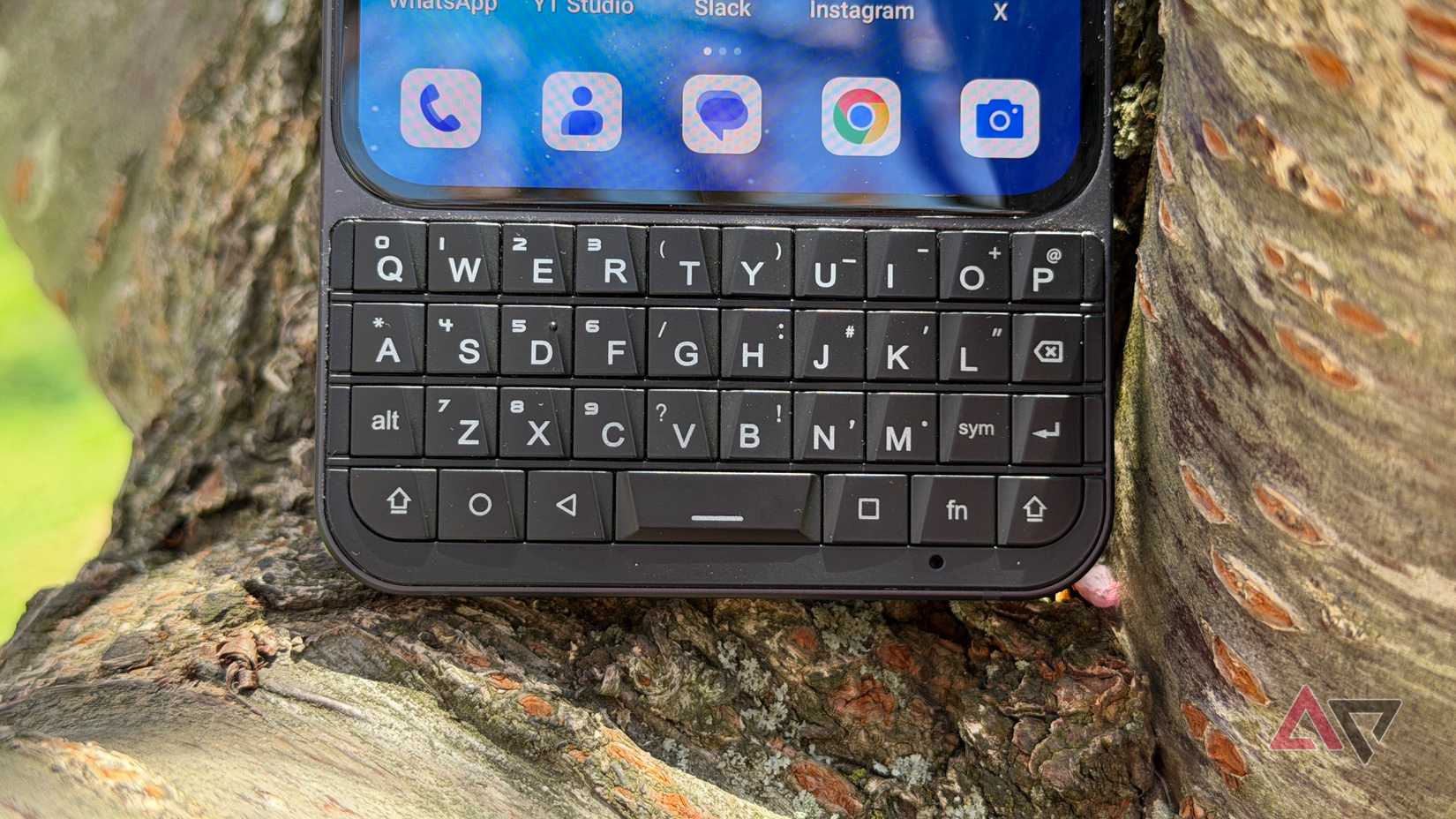
So, let’s talk about the keyboard. It’s a really fantastic typing experience. Hand on heart, I’m still choosing the keyboard on the Titan 2 over the Titan 2 Elite, but that’s because it’s larger and wider, making it easier for my big thumbs.
There are trade-offs for that wider keyboard, though. The Titan 2 was massive and heavy in your pocket. Even though the Titan 2 Elite is still 10.4mm thick, it’s only 163g and compact, making it much more enjoyable to carry around.
Despite being a touch cramped, the keyboard is a comfortable typing experience. The switches provide a firm enough click without being too hard to press. I’ve typed thousands of words on the Titan 2 Elite, and I don’t have any thumb fatigue so far.
Software support was a sticking point for users
Unihertz has stepped up its game
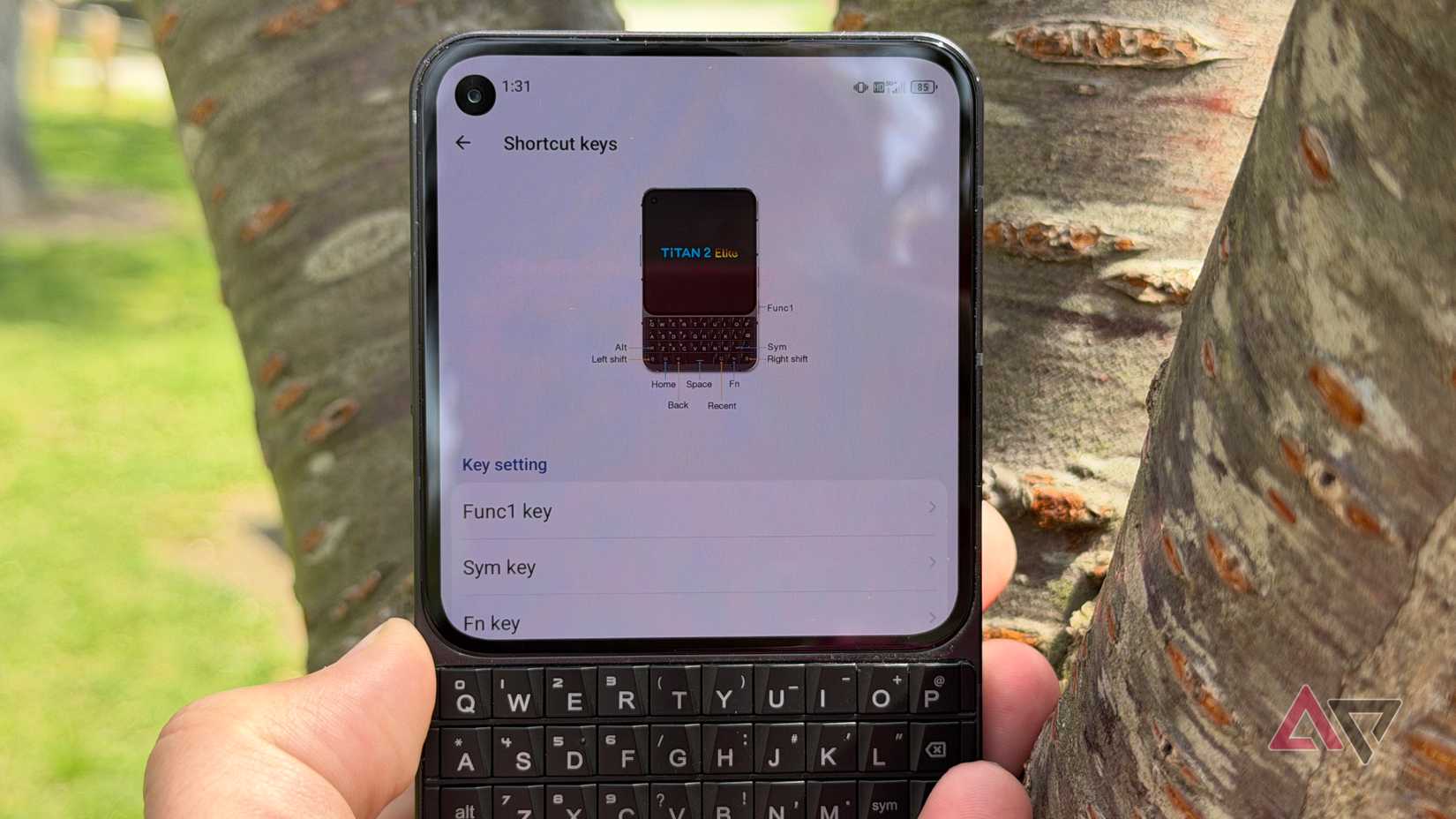
The complaint I hear most often about Unihertz devices is the lack of software support. Yes, it’s true.
The company never provided the most in-depth support. You were lucky to get one update a year, and if you were really fortunate, you’d get an upgrade to the next Android version, but that was it.
I give Unihertz credit for recognizing which way the wind was blowing. It now promises five years of software support.
I can’t vouch for how frequently they will arrive or how timely Android version upgrades will be, but it’s a commitment that hasn’t been there on previous Unihertz devices.
This is the fifth Unihertz phone with a physical keyboard I’ve used, and the software has matured with each device.
It’s not enough to bolt on a keyboard if the software experience isn’t designed to take advantage of it.
Android will never be built from the ground up to take advantage of a keyboard like the old BlackBerry OS, but Unihertz does a good job of doing what it can.
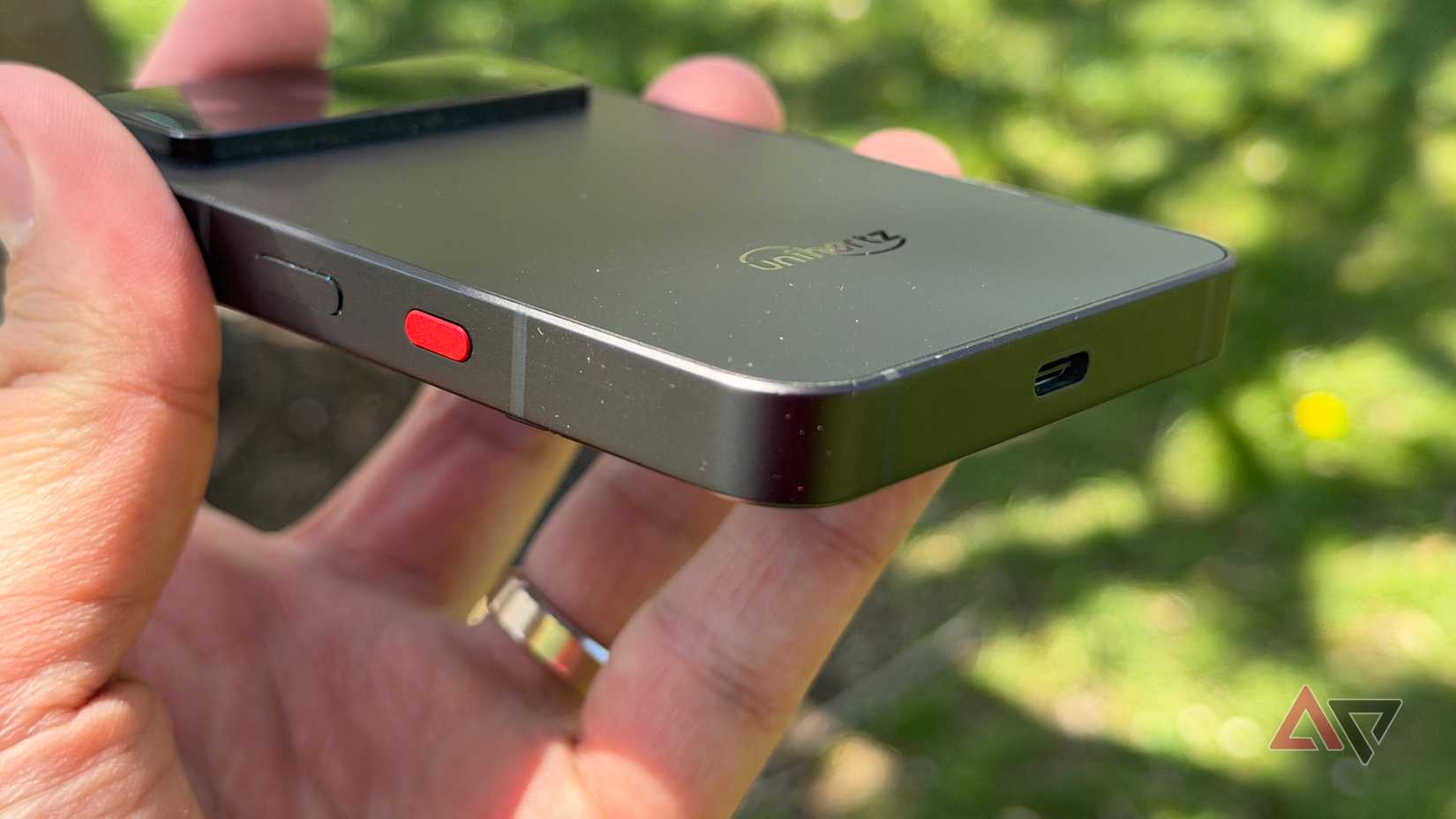
The keyboard is capacitive, so I can swipe left and right and scroll by sliding my fingers over the keys.
It may not seem like a big deal at first, but when the screen is only four inches, it helps not to have your fingers blocking any of the content.
I can program each key to open apps with a long or short press. Some of the function keys are also programmable, so I can swap them around if I’m more comfortable with a different layout.
I’m not going to sit here and tell you that typing on a physical keyboard is faster, because it’s not.
There was some muscle memory to come back when I switched to the Titan 2 Elite, but after you get the hang of it, you can type reasonably quickly. I also type more accurately and am more purposeful in what I write.
It sounds silly, but taking an extra couple of seconds to frame what you say can make all the difference, and that’s built in with a physical keyboard.
The Titan 2 Elite is nowhere near perfect
There are compromises to be made
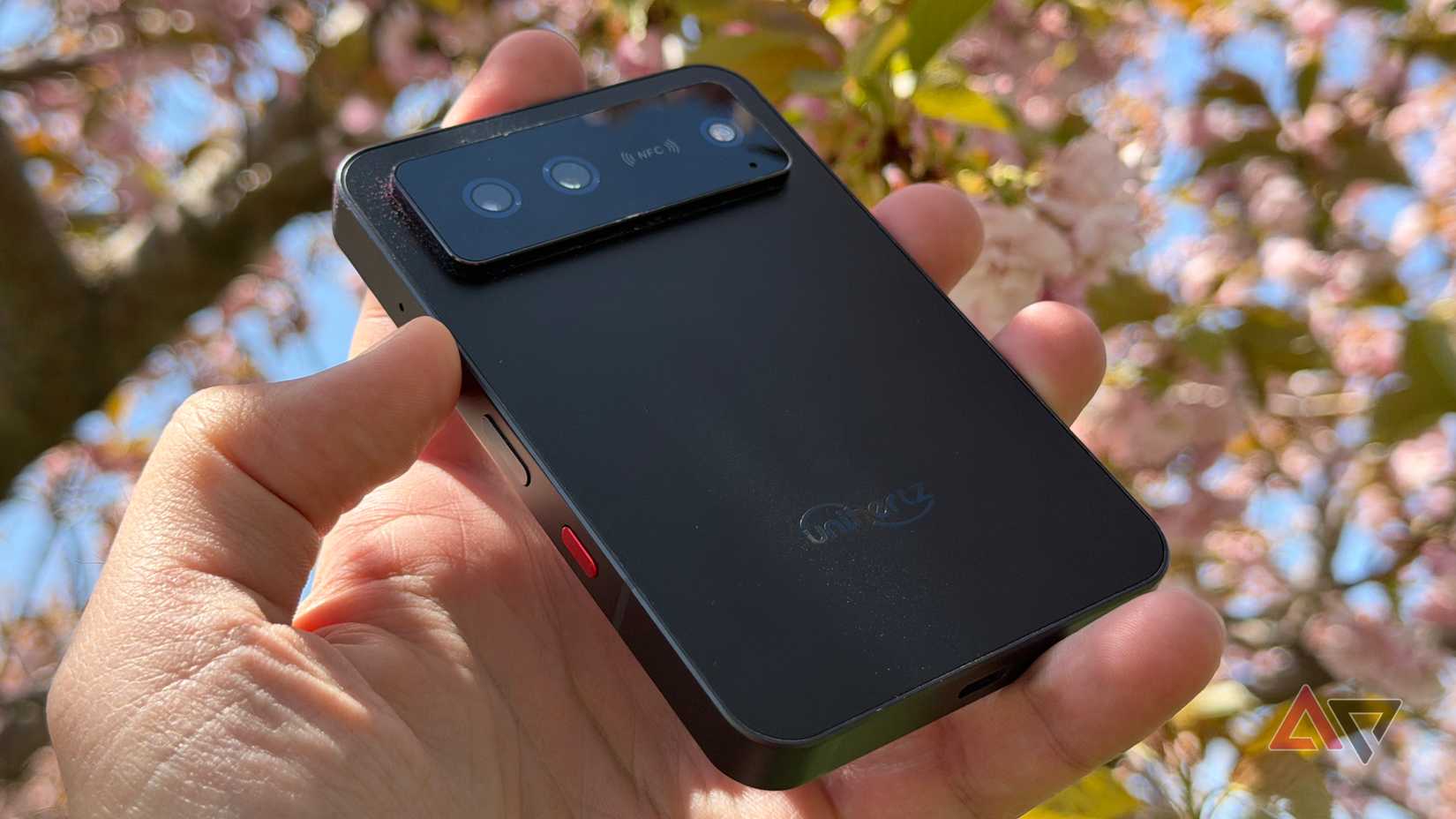
Don’t expect to switch to a keyboard phone with a 4-inch display without running into compromises.
It’s a phone meant for communication, so WhatsApp, email, and texting are all fantastic.
However, while social media like Instagram work, it’s not ideal. The app feels cramped, and it’s hard to get a full post on the screen. Mobile games are also a little wonky (unless you are emulating retro games).
Still, these are compromises you expect to make when buying a niche product. It’s not meant to be good at everything, and that’s fine. It’s fantastic for its intended use.
Its performance isn’t limited, either. Unihertz offers two variants of the Titan 2 Elite. You can choose either the Dimensity 7400 or the 8400 chipset.
Both come with 12GB of RAM, although the less expensive variant is limited to 256GB of storage, while the Pro version features 512GB. There is also a microSD card slot for expandable storage.
Unihertz plans to have the Titan 2 Elite certified on US networks. Mine is working just fine on T-Mobile, even though I got a warning that my device isn’t compatible.
My review unit is also an early sample, so while I couldn’t log in to X, I expect these items to be resolved by the phone’s release in June.
You’ll have to wait a bit to get one
Even though the Kickstarter is live now, you’ll have to wait for June for the Titan 2 Elite to reach your pocket, and October for the most powerful variant.
If you are interested, I recommend buying one early. The Kickstarter special lets you pick one up for $390, a price that jumps to $490 after launch. The higher performance model will run you close to $600 after launch. I like the Titan 2 Elite, but touching close to $500 is a tough ask.
Still, I can’t wait to compare it to the upcoming Clicks Communicator. It seems 2026 really is becoming the year of the keyboard phone.